机构锁仓

Search documents
白银基金跌停,背后是资金态度的转变
Sou Hu Cai Jing· 2025-12-26 14:46
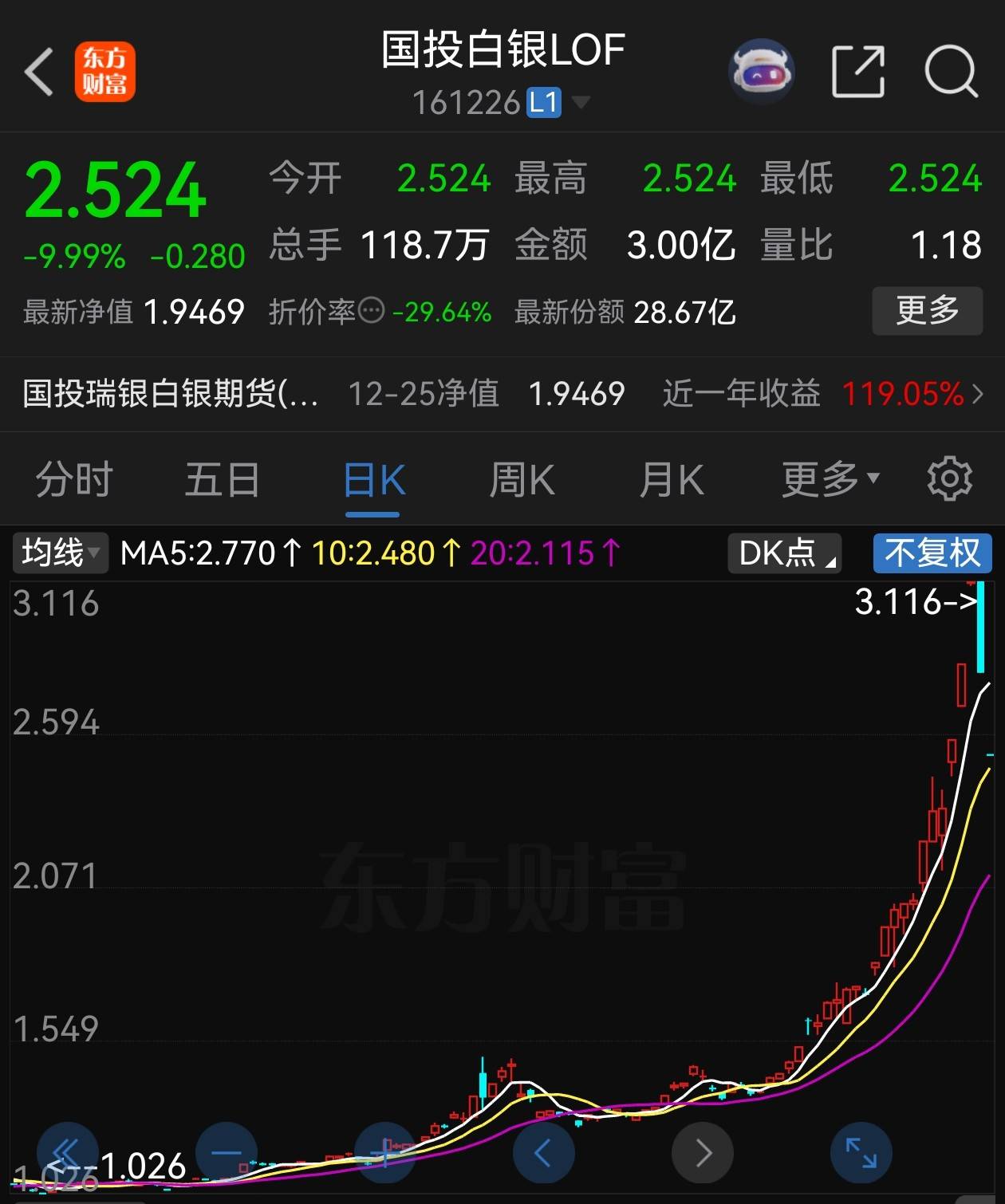
Core Viewpoint - The recent continuous trading halt of Guotou Silver LOF (161226) indicates a shift in market sentiment, with the fund's premium rate remaining high at 29.64% despite a trading volume of 300 million yuan [1][3]. Group 1: Fund Performance and Market Sentiment - Guotou Silver LOF has experienced a second consecutive trading halt, reflecting a change in investor sentiment and a tightening of purchase limits [1][3]. - The fund announced a limit on regular investment amounts for Class A shares to 100 yuan starting December 29, marking a series of restrictions since October [1][3]. Group 2: Market Misconceptions - In a bull market, investors often fall into the trap of believing they can profit simply by holding stocks, ignoring market structure differentiation [3][4]. - Common misconceptions include "holding for gains," "chasing hot stocks," "stronger stocks continue to perform well," and "expecting rebounds from oversold conditions" [3][4]. Group 3: Institutional Behavior and Market Dynamics - The core driving force behind price fluctuations is the real behavior of institutional funds, which can be observed through trading data rather than just price movements [4][6]. - Institutional funds often act before public announcements, leading to significant price movements prior to news releases [5][6]. Group 4: Data Insights on Institutional Activity - Observing the "behavior data" of funds can help ordinary investors identify opportunities, as active institutional trading often precedes price changes [6][8]. - The "lock-up" phase of stocks, where institutions reduce trading frequency but remain invested, can indicate potential future price movements [11][13]. Group 5: Implications for Guotou Silver LOF - The tightening of purchase limits and the fund's price decline suggest a shift from aggressive buying to cautious selling among institutional investors [13]. - High premiums indicate significant risk, and as the fund restricts inflows, the support for its price may weaken, reflecting a broader change in trading behavior [13].

下跌暴露的一批“弃子”,下周坑比本周更大!
Sou Hu Cai Jing· 2025-06-13 15:16
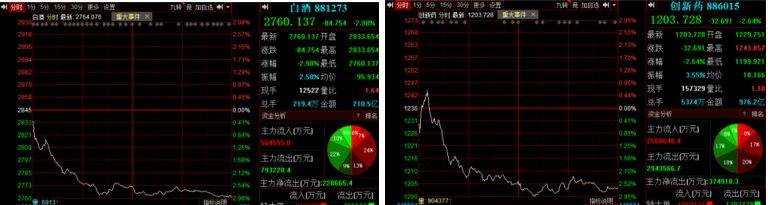
Group 1 - The white liquor sector has experienced a significant decline, with a drop of 2.9%, making it the worst-performing sector despite a general market downturn [1][3] - The changing investment preferences indicate a shift away from traditional cash cows like white liquor, raising concerns about the future of other sectors such as new consumption and pharmaceuticals [3][5] - The current market environment suggests that institutions may be locking in positions rather than exiting, which could lead to potential rebounds in the future [5][12] Group 2 - The analysis of institutional trading characteristics shows an increase in the number of stocks where institutions are choosing to lock in positions during the downturn [12] - The classification of institutional activity into different tiers indicates that some stocks are still being actively managed by institutions, which may provide opportunities for recovery [8][10] - Stocks that remain in a "fourth tier" classification are likely to be abandoned by institutions, making it difficult for retail investors to profit despite market index gains [10]
老美顶不住了,美国降息对A股有什么影响?
Sou Hu Cai Jing· 2025-06-13 08:46
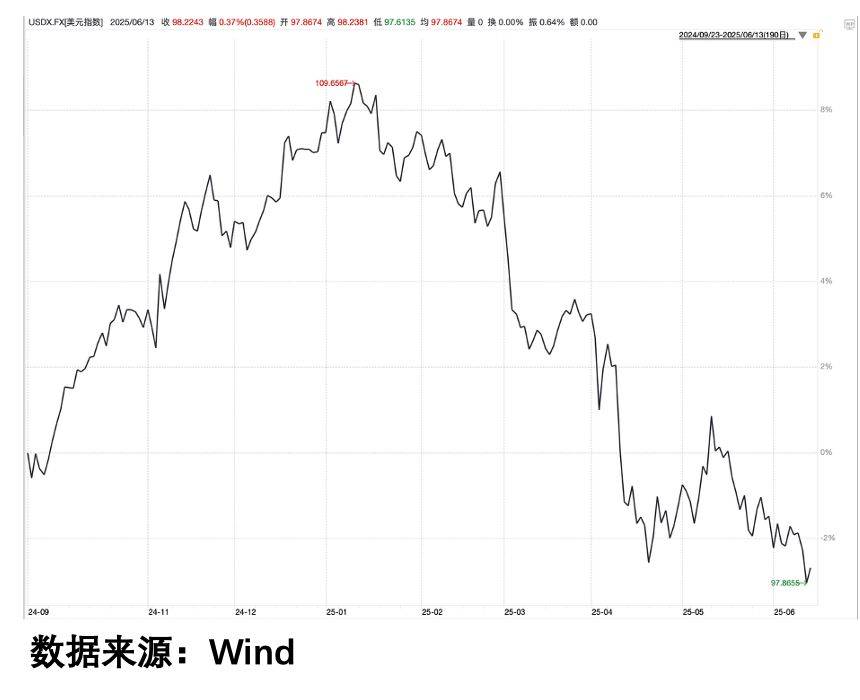
Group 1 - The global financial market experienced significant volatility, with the US dollar dropping over 1 point to a three-year low, while gold prices surged [1] - President Trump exerted pressure on Federal Reserve Chairman Powell, threatening tariffs on steel appliances and suggesting that if interest rates are not lowered, debt pressures would increase [3] - Powell faces a dilemma between rising inflation risks and weakening economic data, with recent PPI and CPI figures falling below expectations, creating a favorable environment for potential interest rate cuts [5] Group 2 - Retail investors may misunderstand market movements, believing that institutional investors are fleeing during stock price declines, while in reality, institutions may be employing a "lock-up" strategy [7][9] - Quantitative data indicates that when stock prices are in a correction phase, institutional funds remain active, while retail investors often panic and sell at a loss, missing out on subsequent gains [12] - The rise in gold prices suggests that smart capital tends to invest when others are fearful, indicating that undervalued assets held by institutions may also present investment opportunities [13] Group 3 - In an information asymmetrical market, relying solely on price charts can be misleading; utilizing quantitative tools to understand the true movement of funds is essential for investors [14] - Investors are encouraged to question whether price fluctuations are genuine declines or mere market manipulations, emphasizing the importance of understanding market dynamics [14]