
查改治一体推进

Search documents
福建三明坚持查改治一体推进守护“校园餐”安全
Zhong Yang Ji Wei Guo Jia Jian Wei Wang Zhan· 2025-12-27 00:19
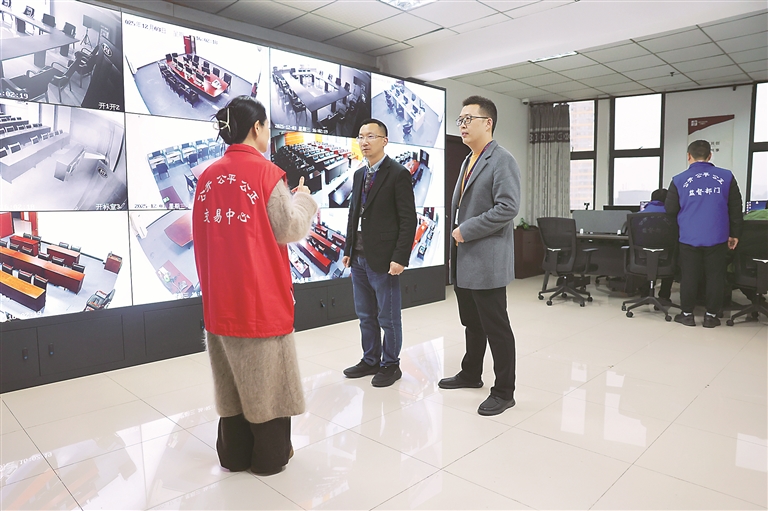
Core Viewpoint - The article highlights the ongoing efforts by the Sanming City Discipline Inspection Commission to address food safety and financial management issues in school cafeterias, emphasizing the importance of ensuring student health through improved oversight and management practices [1][2][3]. Group 1: Issues Identified - The Sanming City Discipline Inspection Commission discovered problems such as misappropriation of meal funds, lack of food safety supervision, and opaque procurement processes in school cafeterias [1][2]. - Specific issues included interference in bidding processes, acceptance of kickbacks, and fraudulent fund claims, which were addressed through strict oversight and management measures [2][3]. Group 2: Actions Taken - The commission implemented a "check and rectify" approach, establishing a working group to oversee the rectification of food safety issues in schools, with clear management and collaboration among various departments [2][3]. - A comprehensive supervision plan was developed, focusing on key areas such as meal fund management and food procurement, utilizing collaborative supervision and joint investigations to ensure accountability [2][3]. Group 3: System Improvements - The Sanming City Education Bureau established a management mechanism for school cafeterias and off-campus meal services, ensuring compliance with public bidding procedures for food suppliers [4]. - Nutritional guidelines and daily food intake standards for students were introduced to promote healthy eating habits and ensure proper food procurement practices [4]. Group 4: Future Directions - The commission plans to leverage technology and institutional support to enhance food safety in school cafeterias, emphasizing the importance of safeguarding students' health through systematic reforms [5].
学纪知纪明纪守纪丨深化招投标领域系统整治
Zhong Yang Ji Wei Guo Jia Jian Wei Wang Zhan· 2025-12-10 00:18
Core Viewpoint - The article emphasizes the importance of systematic governance in the engineering construction bidding and tendering sector in Chongqing's Hechuan District, focusing on addressing responsibility, work style, and corruption issues to enhance the business environment [2]. Group 1: Systematic Governance in Bidding - The bidding and tendering market is a crucial part of the national unified market and high-standard market system, receiving significant attention from the central government [2]. - The 20th Central Commission for Discipline Inspection's fourth plenary session highlighted the need for systematic governance in areas with concentrated power, funds, and resources, such as bidding and tendering [2]. - The article invites discussions on identifying key points for systematic governance and practical measures for investigating bidding-related cases [2]. Group 2: Key Focus Areas for Supervision - The article outlines the need to focus on five key stages of the bidding process: bidding, tendering, opening, evaluation, and awarding, ensuring targeted supervision and enforcement [5]. - It emphasizes the importance of monitoring specific issues at each stage, such as unreasonable conditions in bidding, collusion among bidders, and lack of transparency in evaluations [5]. - The governance approach includes a comprehensive review of the entire bidding process, from pre-bid to post-bid stages, to identify and mitigate risks [5]. Group 3: Responsibilities and Areas of Focus - The article discusses the need to focus on three responsibilities: the main responsibility of the bidding entity, regulatory responsibility of supervisory departments, and the supervisory responsibility of disciplinary inspection agencies [6]. - It highlights three key areas for governance: engineering construction, government procurement, and rural revitalization, stressing the need for thorough oversight in these sectors [7]. - The focus on three categories of personnel—party leaders, evaluation experts, and bidding agencies—aims to identify and address misconduct and corruption within the bidding process [7]. Group 4: Practical Measures for Case Investigation - The article outlines practical measures for investigating bidding-related cases, including expanding channels for discovering issues and focusing on key individuals and areas [8]. - It emphasizes the importance of adhering to legal standards and improving the quality of case handling, particularly in addressing new and hidden forms of corruption [9]. - The article advocates for a multi-faceted approach to enhance the effectiveness of investigations, including collaboration with various departments and leveraging technology for data analysis [10]. Group 5: Continuous Improvement and Systematic Governance - The article stresses the need for continuous improvement in governance practices, advocating for a holistic approach to address the root causes of issues in the bidding sector [11]. - It calls for targeted supervision and the establishment of clear responsibilities for bidding entities and regulatory bodies to prevent misconduct [12]. - The article concludes with a call for comprehensive governance reforms to create a favorable environment for the bidding market, ensuring transparency and accountability [15].

马明龙研究推进群众身边不正之风和腐败问题集中整治工作 保持战略定力敢于动真碰硬 推动集中整治取得更多实效
Zhen Jiang Ri Bao· 2025-12-03 19:10
Core Points - The meeting led by Mayor Ma Minglong focused on addressing corruption and misconduct issues affecting the public, emphasizing the importance of implementing directives from Xi Jinping and the spirit of the 20th Central Committee [1][2] - The strategy includes a strong emphasis on case handling as a direct and effective measure, targeting key projects and individuals, and ensuring thorough investigations into corruption cases [1][2] Group 1 - The meeting highlighted the need for continuous promotion of national and provincial key rectification projects, concentrating efforts on 16 specific issues to enhance grassroots engagement and improve the mechanism for addressing public concerns [2] - There is a call for a systematic approach to identify root causes of issues, establish long-term mechanisms for safeguarding public interests, and enhance the effectiveness of grassroots supervision [2] - The importance of accountability at all levels of the party and government was stressed, with a focus on ensuring that the responsibilities are clearly defined and effectively communicated [2]
山东烟台蓬莱区:推动对村巡察不断提质增效
Zhong Yang Ji Wei Guo Jia Jian Wei Wang Zhan· 2025-10-29 02:01
Group 1 - The core viewpoint emphasizes the importance of village inspections as a means to extend strict party governance to grassroots levels, focusing on addressing urgent issues faced by the public through targeted supervision and problem-solving [1] - The inspection teams conducted immersive research in 506 administrative villages, distributing informational materials and engaging in home visits and discussions to identify seven key issues related to social welfare, such as inadequate review of minimum living allowance qualifications [1] - A feedback and rectification list was created to ensure accountability and set deadlines for addressing identified issues, promoting collaboration between town and village levels for effective problem resolution [1] Group 2 - The innovative "data empowerment + checklist management" model integrates data from various departments to analyze and identify key issues in 11 critical areas, including education and healthcare, forming a dynamic list of problems [2] - Specific issues in village collective economic management were highlighted, such as discrepancies between contract records and financial data, and instances of misappropriation of collective funds by village officials [2] - The approach of "investigation, correction, and treatment" is emphasized, with a focus on immediate rectification of issues and extending improvements from common problems to institutional enhancements, creating a complete feedback loop [2] Group 3 - The establishment of regulations is aimed at standardizing the management of village collective assets, with the issuance of various guidelines that clarify responsibilities and supervisory measures for local leaders [3] - A total of 16 responsibilities for town leaders and 41 negative lists for collective asset management have been defined, along with 12 decision-making and supervision items for village affairs [3] - The goal is to enhance the supervision and management system for rural collective assets, ensuring better governance and accountability at the grassroots level [3]
提升风腐一体纠治综合效能
Zhong Yang Ji Wei Guo Jia Jian Wei Wang Zhan· 2025-08-14 05:50
Group 1 - The article emphasizes the integration of discipline inspection and anti-corruption efforts, focusing on identifying common issues and deep-rooted problems through case analysis [2][3] - The Central Commission for Discipline Inspection and National Supervisory Commission is promoting a comprehensive approach of "investigation, reform, and governance" to enhance the effectiveness of governance against corruption and misconduct [2][4] - A total of 31 individuals have been investigated for violations related to national industry associations and chambers of commerce, highlighting systemic issues such as lack of internal controls and inadequate supervision [3][5] Group 2 - The article discusses the importance of case analysis in identifying and addressing common risks and weaknesses within organizations, leading to the development of targeted recommendations and institutional reforms [3][4] - Specific cases, such as the investigation of a former executive at a water company, illustrate the process of using case findings to inform reform efforts and ensure accountability [4] - In Haikou City, the local discipline inspection commission has addressed issues of corruption in the natural resources and planning departments by implementing stricter oversight and revising internal regulations [5][6]
四川坚持查改治一体推进 守牢医保基金安全底线
Zhong Yang Ji Wei Guo Jia Jian Wei Wang Zhan· 2025-08-07 00:02
Group 1 - The Sichuan Province Yibin City Medical Security Bureau held a meeting to address serious violations by the former deputy director of the Medical Insurance Fund Center, highlighting the importance of integrity in public service [1] - An investigation revealed that the former deputy director colluded with private medical institutions to defraud over 3.7 million yuan from the medical insurance fund, leading to his dismissal and criminal prosecution [1] - The Sichuan Provincial Discipline Inspection and Supervision Commission is focusing on issues related to medical insurance fund management, collaborating with multiple departments to combat fraud and corruption [1][2] Group 2 - The Sichuan Province Discipline Inspection and Supervision Commission, along with health departments, has developed a big data monitoring model to dynamically detect anomalies in medical insurance fund usage [2] - Recent alerts from the monitoring platform have led to the discovery of multiple issues, including unusual patient admissions and excessive treatments, prompting further investigations [2] - The commission is prioritizing the investigation of serious cases and has initiated 86 cases related to market regulation and 519 cases concerning drug sales violations [2] Group 3 - The Sichuan Province Discipline Inspection and Supervision Commission is promoting a comprehensive review of business processes and risk points in the medical insurance sector to address vulnerabilities [3] - The Chengdu Discipline Inspection and Supervision Group is encouraging the establishment of a robust regulatory system for medical insurance funds, including cross-checks among local medical institutions [3]
笔谈丨因地制宜做实政治监督
Zhong Yang Ji Wei Guo Jia Jian Wei Wang Zhan· 2025-07-31 00:29
Group 1 - The core viewpoint emphasizes the need for political supervision to be specific, precise, and regular, aligning with local realities to support high-quality economic and social development [1] - Political supervision should focus on the major decisions and deployments of the Central Committee, ensuring their implementation through regular checks and political inspections [1][2] - Local governments, such as Lushan City in Jiangxi Province, are encouraged to strengthen supervision in key areas like ecological protection and tourism services to ensure compliance with relevant decisions [1] Group 2 - The approach includes closely monitoring the responsibilities of key leaders and addressing political deviations through targeted supervision [2] - There is a focus on accountability, with strict measures against negligence and a commitment to regular reporting on typical issues to enhance deterrence [2] - The integration of political supervision with daily oversight and investigations is highlighted, aiming to create a cohesive supervisory framework that enhances effectiveness [3] Group 3 - The establishment of specialized political supervision teams is proposed to coordinate responsibilities and ensure efficient collaboration among various departments [3] - The concept that case handling serves as a powerful form of supervision is emphasized, with a focus on improving mechanisms for cooperation and resource allocation [3] - A holistic approach to supervision, investigation, education, and governance is advocated to transform supervisory outcomes into effective governance [3]