
森林食物

Search documents
盘点新春“菜篮子” 这些都是森林食品
Yang Shi Xin Wen· 2026-02-22 03:28
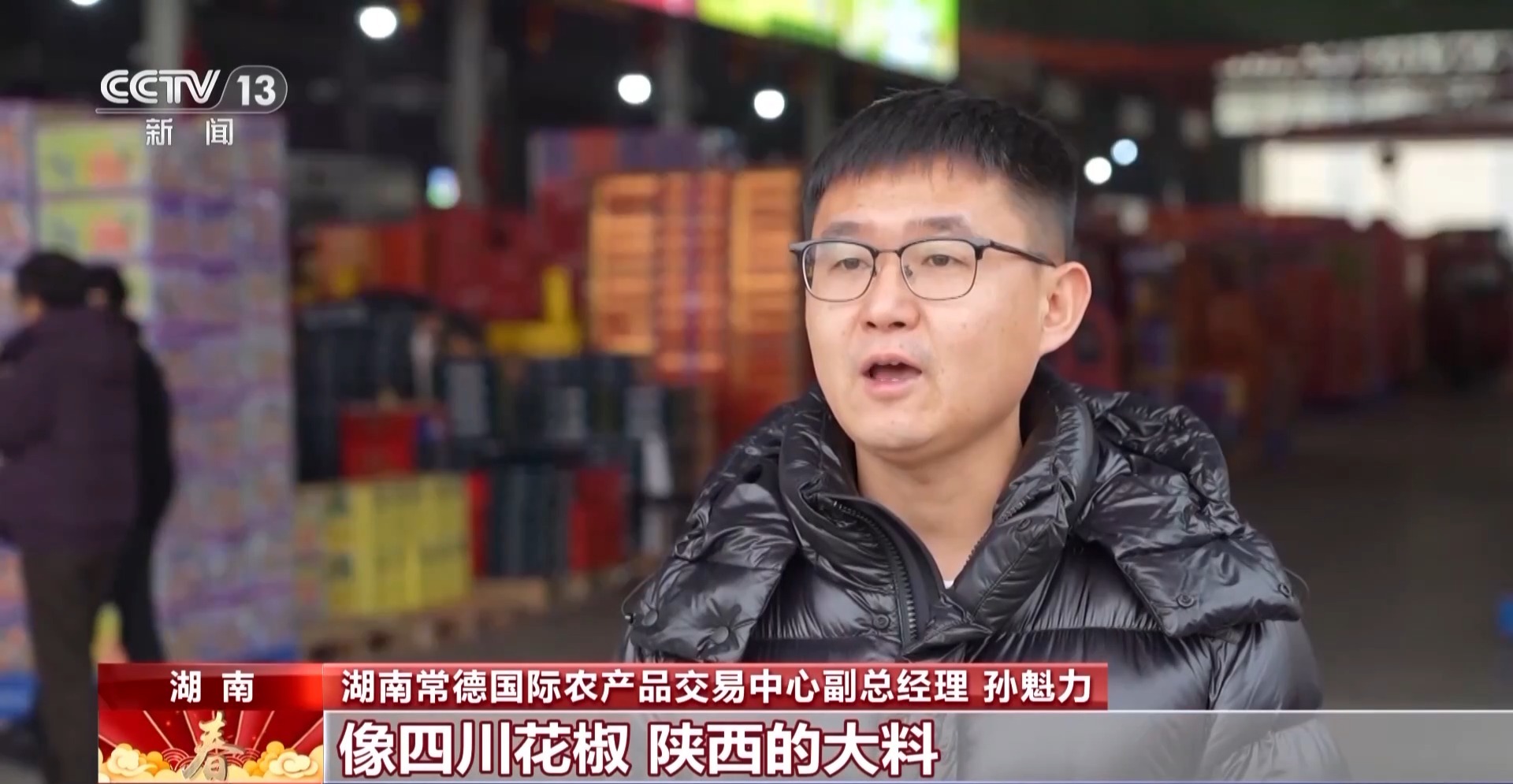
Core Viewpoint - The article highlights the booming market for forest food products during the Spring Festival in Hunan Changde, with a significant increase in supply and consumer interest [1][2]. Group 1: Market Dynamics - The Hunan Changde International Agricultural Products Trading Center has seen a surge in transactions, with daily trading volumes for forest food products increasing significantly compared to normal days [2]. - Daily trading volume of forest economic products has reached approximately 60 tons, which is four times higher than usual [4]. Group 2: Supply Chain and Logistics - To meet consumer demand during the Spring Festival, the trading center has established connections with 18 major production areas, securing 16,000 acres of planting bases and signing supply agreements for 100,000 tons of products [6]. - The center operates 10 dedicated logistics lines to ensure the timely supply of forest economic crops to consumers [6]. Group 3: Forest Food Production - Forest food can be categorized into three main types: economic forest products, under-forest economic products, and indirect food sources such as livestock feed [6]. - The annual production of forest food in China is projected to exceed 240 million tons by 2025, making it the third-largest category of agricultural products after grains and vegetables [7]. Group 4: Economic Impact - The forest industry is expected to generate a total output value of nearly 11 trillion yuan by 2025, with forest product import and export trade exceeding 180 billion USD [7]. - The industry directly supports over 60 million jobs, highlighting its role in income generation and employment stability [7]. Group 5: Technological Advancements - The promotion of technology in the forest industry is evident, with systems like "e林通" facilitating online sales and resource management for farmers [13][17]. - The integration of satellite remote sensing and drone technology is enhancing the efficiency of resource utilization in the forest economy [17].

新华鲜报·“十四五”发展亮点|中国“调色盘”增新绿!森林覆盖率超25%
Xin Hua She· 2025-12-06 03:02
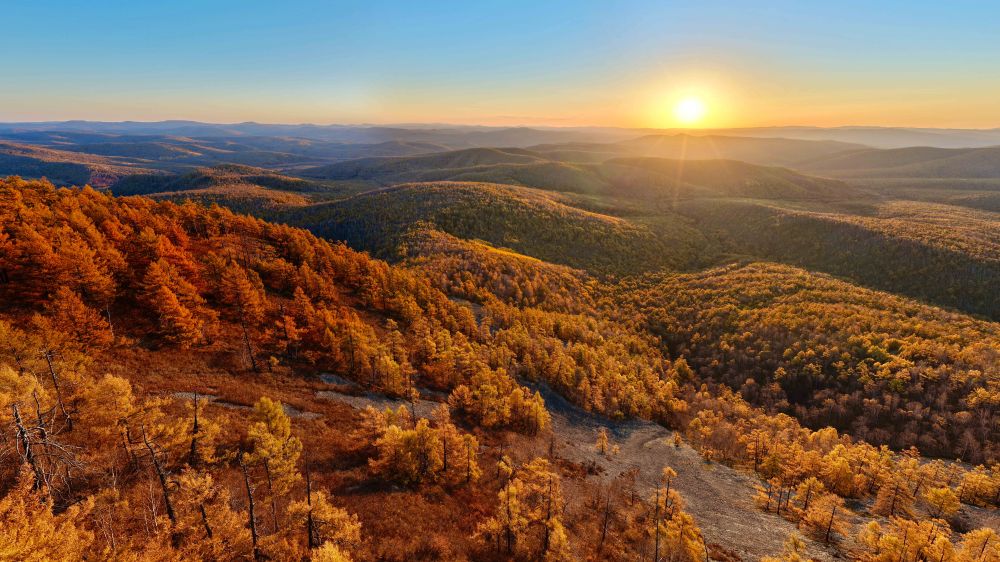
Core Points - The construction of a beautiful China is a significant goal for the comprehensive modernization of the socialist nation, with the "14th Five-Year Plan" emphasizing the acceleration of green transformation in economic and social development [1] - During the "14th Five-Year" period, land greening efforts achieved a task completion of 5.49 million acres, with forest coverage exceeding 25%, contributing approximately one-fourth of the global increase in greening area [1] Group 1 - The "Three North" project has made significant progress, completing a greening task of 1.64 million acres, enhancing the ecological security barrier in northern China [3] - Various innovative methods such as road-based, photovoltaic, and industrial sand control have revitalized many regions, showcasing a shift from traditional sand control methods [3] - The integration of tree planting and economic benefits is highlighted, with the national forest and grass industry expected to exceed 10 trillion yuan in total output value by 2024, creating employment for over 60 million people [5] Group 2 - The demand for quality ecological products has increased as people's living standards rise, making it a crucial task in building a beautiful China [7] - Urban greening coverage reached 43.32% in built-up areas and 32.01% in villages during the "14th Five-Year" period, indicating significant progress in urban ecological development [9] - Future plans aim to achieve new major advancements in the construction of a beautiful China, with a focus on enhancing green spaces for the public [9]
国家林草局:推动林草产业迭代升级,培育新产业新模式
第一财经网· 2025-11-13 00:53
Core Insights - The Chinese government aims to optimize and enhance traditional industries such as bamboo and wood cultivation and processing during the 14th Five-Year Plan period, promoting the iteration and upgrading of the forestry and grassland industry [1] - The total output value of the national forestry and grassland industry is projected to reach 10.17 trillion yuan in 2024, with a year-on-year growth of 9.6%, and the trade value of forest products is expected to reach 181.7 billion USD [1] - The forestry industry is becoming a significant pillar of the economy, with key sectors like bamboo processing, economic forests, eco-tourism, and under-forest economy each generating over 1 trillion yuan annually [1] Industry Development - The forestry and grassland industry is recognized as a green and prosperous industry with substantial economic development potential, contributing to ecological protection, industrial growth, and rural revitalization [4][6] - The implementation of comprehensive reform pilot projects in various provinces, such as Guangxi and Fujian, is aimed at enhancing the efficiency and productivity of forestry resources [5][2] - The integration of various sectors, including "forest + tourism," "forest + health," and "forest + finance," is being promoted to leverage unique resource advantages and stimulate economic growth [2][5] Regional Highlights - Fujian province, with the highest forest coverage rate in China, is expected to achieve a forestry industry output value of 812.1 billion yuan in 2024, leading the nation [2] - Guangxi province is set to become the first province in China with a forestry and grassland industry output value exceeding 1 trillion yuan, with significant contributions to local farmers' income [5] - Jiangxi province is focusing on comprehensive development and utilization of forest resources, with a projected forestry industry output value of 4.3 billion yuan in 2024 [5] Future Initiatives - The National Forestry and Grassland Administration plans to accelerate the growth of the forestry industry by enhancing traditional sectors and fostering new industries and models [6] - Emphasis will be placed on technological innovation and the integration of industry and technology to improve the quality of forestry products and services [6] - The government aims to optimize the utilization of forest resources and improve infrastructure in forest areas to support sustainable development [6]

年产量超2亿吨!我国多地森林食物迎来夏季采收
news flash· 2025-07-01 21:02
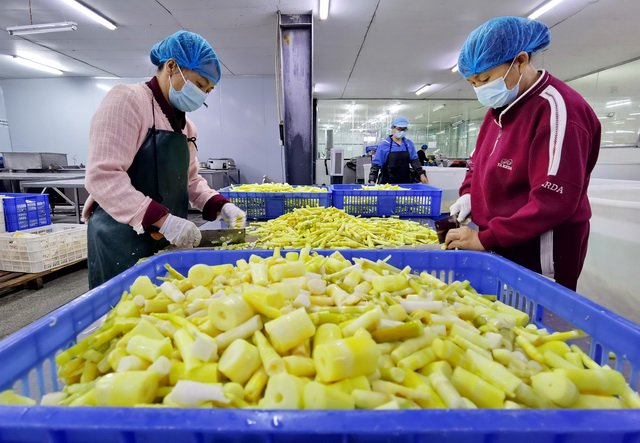
Core Viewpoint - Forest food has become the third largest agricultural product in China, following grains and vegetables, with significant growth in production due to government support and local initiatives [1] Group 1: Production and Economic Impact - In Jiangxi Province, a cooperative has established a sprinkler irrigation system covering over 1,000 acres, resulting in a 10% increase in edible mushroom production [1] - In Yunnan Province, local residents have cultivated 20 acres of bamboo fungus under rubber trees, tapping into the potential of the forest economy [1] - The diverse supply of woody oil and food, along with various high-quality forest products such as forest poultry, livestock, mushrooms, and honey, has greatly enriched the diet of the population [1] Group 2: Scale and Distribution - Over 2,400 out of more than 2,800 counties in China are engaged in the cultivation of economic forests, contributing to an annual production of over 200 million tons of various forest foods [1]