
森林食品

Search documents
盘点新春“菜篮子” 这些都是森林食品
Yang Shi Xin Wen· 2026-02-22 03:28
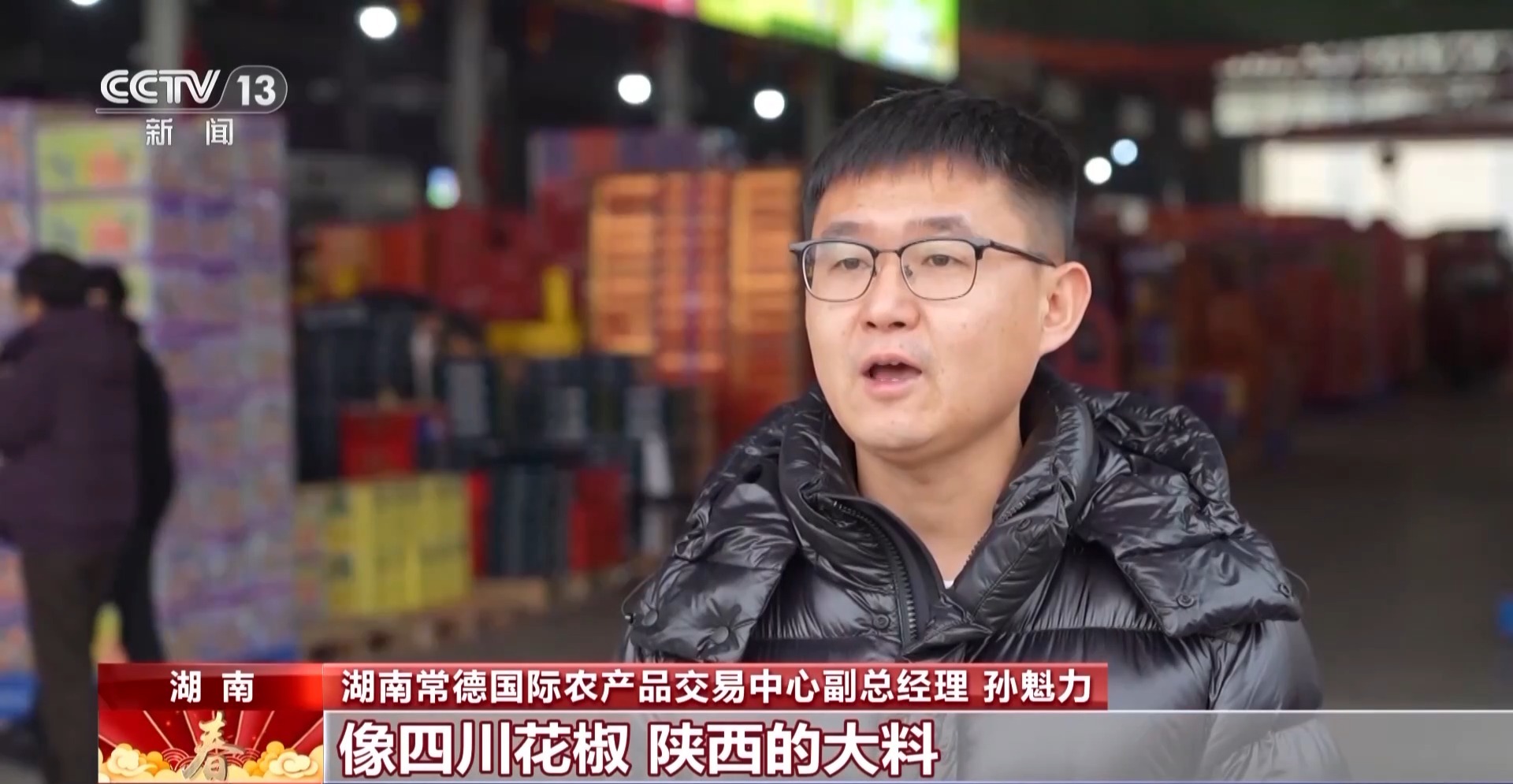
Core Viewpoint - The article highlights the booming market for forest food products during the Spring Festival in Hunan Changde, with a significant increase in supply and consumer interest [1][2]. Group 1: Market Dynamics - The Hunan Changde International Agricultural Products Trading Center has seen a surge in transactions, with daily trading volumes for forest food products increasing significantly compared to normal days [2]. - Daily trading volume of forest economic products has reached approximately 60 tons, which is four times higher than usual [4]. Group 2: Supply Chain and Logistics - To meet consumer demand during the Spring Festival, the trading center has established connections with 18 major production areas, securing 16,000 acres of planting bases and signing supply agreements for 100,000 tons of products [6]. - The center operates 10 dedicated logistics lines to ensure the timely supply of forest economic crops to consumers [6]. Group 3: Forest Food Production - Forest food can be categorized into three main types: economic forest products, under-forest economic products, and indirect food sources such as livestock feed [6]. - The annual production of forest food in China is projected to exceed 240 million tons by 2025, making it the third-largest category of agricultural products after grains and vegetables [7]. Group 4: Economic Impact - The forest industry is expected to generate a total output value of nearly 11 trillion yuan by 2025, with forest product import and export trade exceeding 180 billion USD [7]. - The industry directly supports over 60 million jobs, highlighting its role in income generation and employment stability [7]. Group 5: Technological Advancements - The promotion of technology in the forest industry is evident, with systems like "e林通" facilitating online sales and resource management for farmers [13][17]. - The integration of satellite remote sensing and drone technology is enhancing the efficiency of resource utilization in the forest economy [17].

推动农业农村现代化再上新台阶——从中央一号文件看2026年“三农”工作路线图
Xin Hua She· 2026-02-04 01:30
Core Viewpoint - The central government emphasizes the importance of agricultural modernization and rural revitalization as foundational elements for China's modernization, with specific directives outlined in the Central No. 1 Document for 2023 [1] Group 1: Agricultural Production and Food Security - Food security is highlighted as a national priority, with a target of achieving a historical high in grain production by 2025, aiming for 1.4 trillion jin [2] - The document stresses the need to enhance agricultural production capacity and quality, focusing on improving yield through better farming practices and technology [2] - It calls for a diversified food supply system, including the stabilization of meat and vegetable production, and the promotion of high-quality agricultural products [2] Group 2: Rural Development and Poverty Alleviation - The document outlines a framework for ongoing support to ensure the transition from poverty alleviation to rural revitalization, emphasizing the need for a stable and effective assistance policy [4] - It aims to enhance farmers' income through various measures, including improving agricultural productivity and providing better support for farmers [5] - The focus is on developing county-level industries that can provide local employment and income opportunities for farmers [6] Group 3: Infrastructure and Living Conditions - The document advocates for improving rural infrastructure and public services to enhance living conditions, addressing issues such as water, electricity, and waste management [7] - It emphasizes the need for a comprehensive approach to rural development that includes both physical and cultural improvements [8] Group 4: Reform and Policy Innovation - The document calls for deepening rural reforms to address challenges in agricultural management and land use, including extending land contracts for farmers [9] - It proposes innovative financing mechanisms for rural development, encouraging diverse investment sources [10] - The importance of strengthening local governance and party leadership in rural areas is also highlighted to ensure effective implementation of policies [11]
中共中央国务院关于锚定农业农村现代化扎实推进乡村全面振兴的意见
Xin Lang Cai Jing· 2026-02-03 20:48
Group 1 - The article emphasizes the importance of promoting dairy consumption and supporting the development of forage production, facility agriculture, and modern fishing practices [1] - It highlights the need for strict food safety regulations and multi-departmental collaboration to ensure compliance and prevent illegal practices [1] - The article discusses the significance of protecting and improving arable land quality, including measures to combat illegal land use and enhance soil fertility [1] Group 2 - The article outlines the enhancement of agricultural technology innovation, focusing on the development of key agricultural technologies and the promotion of breakthrough crop varieties [2] - It stresses the integration of artificial intelligence and modern agricultural practices, including the use of drones and IoT [2] - The need for reform in agricultural research institutions and the promotion of agricultural technology at the grassroots level is also mentioned [2] Group 3 - The article discusses the establishment of a robust agricultural disaster prevention and mitigation system, including improved monitoring and response capabilities for extreme weather events [3] - It emphasizes the construction of flood control infrastructure and the management of agricultural pests and diseases [3] - The importance of enhancing the trade of agricultural products and supporting the export of competitive agricultural goods is highlighted [3] Group 4 - The article outlines the implementation of a regularized assistance policy system to prevent poverty and ensure water safety [4] - It emphasizes the need for precise monitoring and timely assistance to prevent the return of poverty among rural populations [4] - The article discusses the importance of optimizing industrial assistance methods to support market-competitive industries [5] Group 5 - The article highlights the need to protect and incentivize farmers' engagement in agriculture through price support and insurance mechanisms [7] - It discusses the importance of market monitoring and the establishment of a safety net for key agricultural products [7] - The article also mentions the promotion of rural e-commerce and the development of local agricultural brands [8] Group 6 - The article emphasizes the importance of improving rural infrastructure and public services to enhance living conditions in rural areas [10][11] - It discusses the need for integrated planning and management of rural infrastructure projects [10] - The article highlights the significance of enhancing educational and healthcare services in rural regions [12] Group 7 - The article discusses the promotion of ecological protection and restoration in rural areas, focusing on waste management and pollution prevention [13] - It emphasizes the need for sustainable agricultural practices and the management of agricultural pollution [13] - The article also highlights the importance of cultural heritage preservation and community engagement in rural development [14] Group 8 - The article outlines the need for a comprehensive approach to rural governance, including the strengthening of local party organizations and community participation [19][20] - It emphasizes the importance of addressing corruption and improving the effectiveness of rural policies [20] - The article discusses the need for innovative financing mechanisms to support rural development projects [17][18]
中央一号文件:严查严惩非法添加和农兽药残留超标
Xin Lang Cai Jing· 2026-02-03 11:32
Core Viewpoint - The document emphasizes the importance of modernizing agriculture and rural areas, focusing on enhancing the quality and efficiency of the "vegetable basket" industry while promoting a diversified food supply system [1] Group 1: Agricultural Production - The strategy includes a comprehensive adjustment of pig production capacity and aims to consolidate the achievements in the beef and dairy industries, promoting supply-demand balance and healthy development [1] - Measures will be taken to boost dairy product consumption [1] - Support will be provided for the production of silage corn and alfalfa to facilitate the transformation and upgrading of grassland animal husbandry [1] Group 2: Agricultural Infrastructure - The plan supports the renovation and upgrading of facility agriculture to stabilize vegetable production [1] - It promotes deep-sea aquaculture and modern ocean fishing, as well as the development of forest foods and bio-agriculture [1] Group 3: Food Safety and Regulation - The document stresses the strict implementation of food safety responsibilities, enhancing multi-departmental collaboration and full-chain supervision [1] - There will be rigorous investigations and penalties for illegal additives and exceeding agricultural and veterinary drug residues [1]
让龙江黑土珍品香飘全球
Xin Lang Cai Jing· 2026-01-31 23:41
Core Viewpoint - Heilongjiang is an important base for green food production in China, but it faces challenges such as low international brand recognition and an incomplete cross-border logistics system. The province can leverage its ecological advantages and Hong Kong's platform to enhance the export of high-quality products globally [4]. Group 1: Recommendations for Improvement - The proposal includes establishing a public brand "Heilongjiang Quality Products" to integrate resources from agricultural and forest products, and to cultivate export product clusters such as grains, edible fungi, cold-water fish, and ice and snow cultural products [4]. - It is suggested to accelerate the formulation of quality standards that align with international norms, promote deep processing of agricultural products, and incorporate elements of Hezhe culture to enhance product value [4]. Group 2: Marketing and Export Strategies - The recommendation includes upgrading cross-border e-commerce platform functionalities and developing a multilingual live-streaming matrix to connect with global buyers through platforms like the China International Import Expo and Hong Kong exhibitions [4]. - A global brand promotion strategy is proposed, which includes hosting cultural exchange activities, establishing a special fund for exports, expanding export credit insurance coverage, and creating a "government-enterprise-bank-insurance" linkage mechanism along with a talent training system [4].
安徽林下经济利用林地面积超1400万亩
Xin Lang Cai Jing· 2026-01-12 20:06
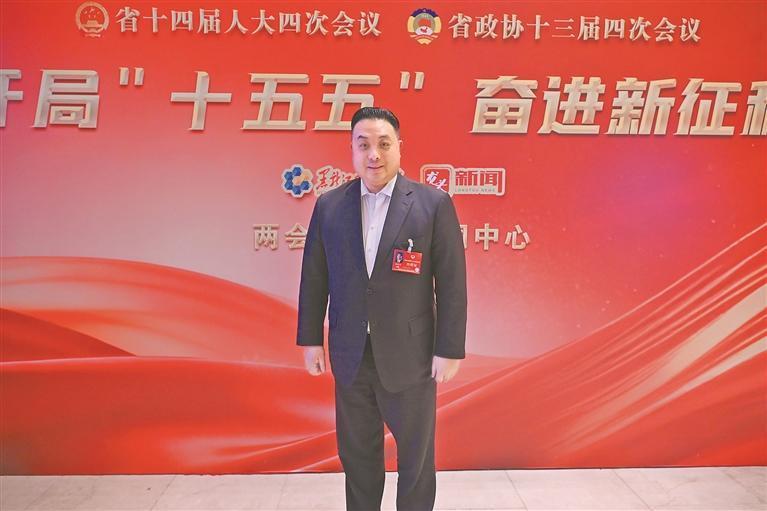
Core Insights - The province is leveraging forest resources to develop the under-forest economy, with over 14 million acres of forest land utilized for this purpose, creating diverse industry clusters such as forest health and eco-tourism, forest food products, and traditional medicinal materials [1][2] Group 1: Economic Development - The province is implementing a three-dimensional development model characterized by "harvesting above the forest, planting below, nurturing within, and tourism in between" [1] - The government is promoting the transfer and registration of under-forest space management rights to enhance the quality and quantity of economic activities [1] - State-owned forest farms and national reserve forests are being utilized as new battlegrounds for under-forest economic development, aiming to overcome the challenges of small-scale operations [1] Group 2: Technological Integration - A collaborative platform integrating government, industry, academia, research, finance, and services is being established to support the under-forest economy [2] - The province has appointed 1,121 forestry technology specialists and conducted 18,125 technology service sessions to bolster the development of the under-forest economy [2] - The integration of AI in forestry practices is being explored, focusing on applications in tree planting, resource management, and product processing [2] Group 3: Business Growth - The province is fostering the growth of leading enterprises through various models, resulting in the establishment of 176 provincial-level leading companies [2] - There are 41 national under-forest economic demonstration bases and 4 national forest health bases created to support this economic sector [2] - Over 2,000 under-forest economic cooperatives have been established, benefiting nearly 2 million forest farmers [2]
学习规划建议每日问答 | 如何理解把农业建成现代化大产业
Xin Hua She· 2025-12-29 07:23
Core Viewpoint - The Chinese government emphasizes the modernization of agriculture as a strategic industry, aiming to transform it into a large-scale modern industry during the 14th Five-Year Plan period, reflecting an accurate understanding of the current agricultural development situation [1] Group 1: Agricultural Development Trends - The agricultural sector is experiencing significant changes and opportunities, with a shift from merely ensuring food security to enhancing food quality and health [1] - From 2013 to 2023, per capita consumption of grains decreased by 13.2%, while consumption of eggs, fresh fruits, meat, aquatic products, and vegetables increased by 82%, 60.9%, 55.7%, 45.9%, and 16.5% respectively, indicating a trend towards diversified and healthier diets [1] Group 2: Key Focus Areas for Agricultural Modernization - The primary task is to ensure national food security by enhancing comprehensive grain production capacity and expanding food resource development from traditional agricultural products to a broader range of biological resources [2] - The development of modern facilities for planting, livestock, and aquaculture is emphasized, along with the establishment of modern processing and logistics facilities to improve production efficiency and diversity [2] Group 3: Agricultural Product Processing and Integration - The optimization of agricultural product processing and circulation is crucial, focusing on enhancing initial processing, deep processing, and comprehensive utilization to promote multi-level value addition [3] - The integration of agriculture with secondary and tertiary industries is encouraged, leveraging local resources to develop diverse agricultural functions and foster deep integration with tourism, education, culture, and health industries [3] Group 4: Technological Empowerment in Agriculture - The promotion of technological advancements in agriculture is essential, including the integration of AI breeding, IoT, big data, and advanced agricultural machinery to enhance productivity [4] - The development of smart farms, plant factories, and intelligent agricultural machinery is prioritized to drive innovation and efficiency in agricultural practices [4]
学习规划建议每日问答丨如何理解把农业建成现代化大产业
Xin Hua She· 2025-12-29 06:06
Core Viewpoint - The article emphasizes the importance of modernizing agriculture as a strategic industry for national stability and economic development, highlighting the favorable conditions and opportunities for agricultural growth during the "14th Five-Year Plan" period [1]. Group 1: Agricultural Development Trends - The shift in consumer preferences towards diversified food consumption is evident, with per capita consumption of grains decreasing by 13.2% from 2013 to 2023, while consumption of eggs, fresh fruits, meat, aquatic products, and vegetables increased by 82%, 60.9%, 55.7%, 45.9%, and 16.5% respectively [1]. - The integration of urban and rural areas is deepening, leading to a broader definition of agricultural development and the emergence of industry convergence as a trend [1]. Group 2: Key Focus Areas for Agricultural Modernization - The primary task is to ensure national food security by enhancing comprehensive grain production capacity and expanding food resource development from traditional agricultural products to a wider range of biological resources [2]. - The optimization and upgrading of agricultural product processing and circulation are crucial, promoting multi-level utilization and value addition through coordinated development of initial, deep processing, and comprehensive utilization [3]. - The integration of primary, secondary, and tertiary industries is essential, driven by market demand and innovative business models, to create a modern industrial system that combines agriculture with tourism, education, culture, and health [3]. Group 3: Technological Empowerment in Agriculture - The promotion of technological advancements in agriculture is vital, focusing on the large-scale integration and dissemination of scientific achievements, as well as the development of new breeding models [4]. - The application of smart technologies, such as IoT, big data, and advanced agricultural machinery, is being accelerated to enhance agricultural productivity and efficiency [4].
第三届湖北食博会本周启幕 百余家创新企业共谋发展
Chang Jiang Shang Bao· 2025-12-09 23:34
Core Insights - The third Hubei Food Industry Chain Expo will be held from December 12 to 14 in Wuhan, featuring 13 provincial exhibition groups and over 100 innovative companies [1][2] - The expo aims to align with national and provincial food industry trends, focusing on resource integration and addressing market demands through four key thematic areas [1] - The event will showcase regional specialties from various provinces, emphasizing the diversity of China's food industry [2] Group 1 - The expo will feature major industry players such as COFCO and Moutai, alongside emerging companies focusing on health snacks and new beverage trends [2] - A "Health Living Experience Zone" will be established, introducing AI smart consultation services for personalized dietary advice [2] - The event will promote the concept of "food as medicine," showcasing 106 types of health-oriented foods and encouraging a new consumer mindset [2] Group 2 - The expo will coincide with the 33rd China Food Expo and other related events, enhancing resource aggregation and driving high-quality development in Hubei's food industry [3]
国家发改委等部门:鼓励国有林场通过自主开发、合作开发、特许经营等多种方式,发展生态旅游、森林康养、自然教育、户外运动等业态
Mei Ri Jing Ji Xin Wen· 2025-11-17 07:03
Core Viewpoint - The document outlines the Chinese government's initiative to accelerate the development of modern state-owned forest farms, emphasizing the potential for developing specialized industries and enhancing ecological sustainability [1] Group 1: Development of Specialized Industries - The government encourages state-owned forest farms to explore the potential of developing specialized industries tailored to local conditions [1] - Support is provided for the establishment of economic bases for economic forest fruits and woody grains, as well as the deep processing of wood products, forest foods, and forest medicinal materials [1] - The initiative aims to extend industrial chains and create distinctive regional brands [1] Group 2: Ecological Tourism and Other Business Models - State-owned forest farms are encouraged to develop ecological tourism, forest health care, nature education, and outdoor sports through various methods such as independent development, cooperative development, and franchising [1] - This diversification aims to enhance the economic viability of forest farms while promoting sustainable practices [1] Group 3: Wood Production and Resource Utilization - The document emphasizes the strengthening of wood production in state-owned forest farms [1] - Support is provided for the recycling of wood processing residues to produce biomass energy or composite materials, thereby increasing the added value of the industry [1] Group 4: Carbon Market Participation - The initiative supports the development of ecosystem carbon sink projects in conjunction with afforestation projects [1] - State-owned forest farms are encouraged to participate in carbon market trading, contributing to the exploration of mechanisms for carbon sink trading [1]