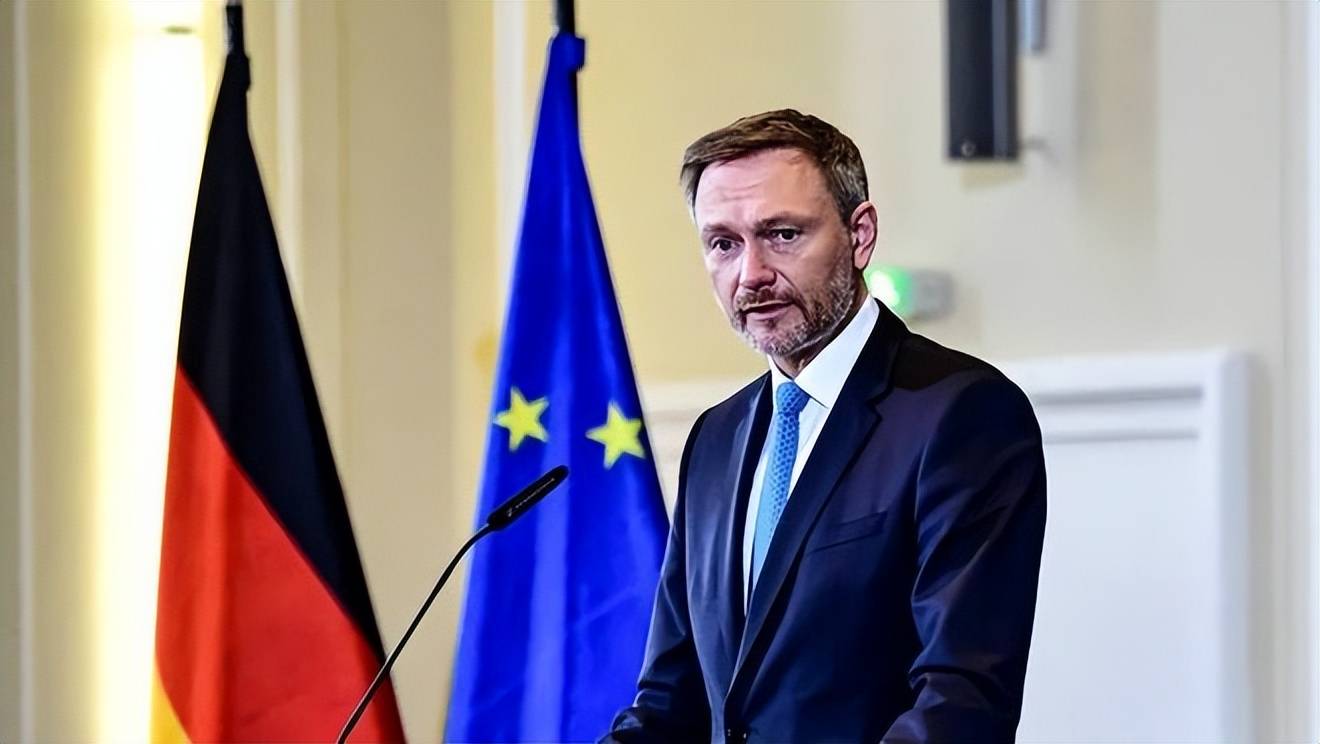
欧洲战略困境

Search documents
中美俄做局,狠宰欧洲?欧洲的好日子看来是到头了
Sou Hu Cai Jing· 2026-02-17 15:24
Group 1 - The initial sentiment in Europe during the onset of the US-China trade war was one of opportunism, with many European countries openly supporting the US, believing they could benefit from the conflict [1][3] - European businesses anticipated taking over orders displaced by the US-China tensions, while European financial markets expected to attract safe-haven investments [3] - As US-China negotiations resumed, Europe began to feel anxious about losing its advantageous position, transitioning from a bystander to a concerned party [3][6] Group 2 - Recent months have seen a surge in visits from European leaders to China, indicating a shift in strategy as Europe faces economic pressures such as high energy costs and manufacturing outflows [6] - The geopolitical landscape is changing, with Europe becoming increasingly reliant on the US for security and facing economic challenges exacerbated by the Russia-Ukraine conflict [6][8] - China is now prioritizing practical choices over the notion of European strategic autonomy, indicating that Europe must clarify its position or risk being sidelined in global negotiations [8]

马克龙:欧洲正面临来自中美俄的三重压力,再不改变就会慢性死亡
Sou Hu Cai Jing· 2026-02-12 11:54
Core Viewpoint - Europe is currently in a passive and disadvantaged position in the global power struggle, influenced by multiple realities and historical factors, with a deep-rooted issue of political elites being unable to fundamentally change their worldview due to their long-standing adherence to American values [1] Group 1: Strategic Pressures on Europe - Macron identified three major strategic pressures facing Europe: skepticism towards the US as a security guarantor, the cessation of energy supplies from Russia, and the rise of China as a formidable competitor in the global economic landscape [5][10] - The greatest challenge for Europe is not merely external threats but its own strategic dependency and over-reliance on others, exacerbated by Trump's policies that have disrupted Western alliances and global trade systems [7] Group 2: Trade Relations and Competition - Macron expressed dissatisfaction with China's trade surplus, highlighting that China has become a significant competitor, prompting him to propose a Europe-first strategy to protect European interests [8] - The perception of a double standard in trade practices is evident, as European leaders believe only Western countries should export high-end products to China, while overlooking the competitive advancements made by China in high-tech and electric vehicles [8] Group 3: Reform Proposals - Macron suggested three reform proposals for Europe: simplifying and deepening the single market, continuing trade diversification, and initiating a new common borrowing initiative among EU member states to issue euro-denominated bonds to counteract dollar hegemony [12][13] Group 4: Long-term Outlook - Without substantial reforms, Europe risks gradual decline and potential stagnation, facing strategic pressures from the US, China, and Russia [12] - The fragmented nature of Europe as a loose alliance rather than a unified state makes it vulnerable to being exploited by larger powers, complicating efforts to escape current challenges [15]
欧洲陷入稀土困局!德国财长急眼,中方举措令G7集体焦虑
Sou Hu Cai Jing· 2025-10-20 09:14
Core Insights - The article highlights the strategic dilemma Europe faces regarding its reliance on China's rare earth supply, which is critical for various industries, including defense and renewable energy [1][2][4]. Group 1: Importance of Rare Earths - Rare earths are essential materials for modern industries, impacting sectors from electric vehicles to military equipment, and Europe's industrial competitiveness heavily relies on them [2]. - China dominates the global rare earth supply chain, making any policy changes from China significantly impactful [2]. Group 2: Europe's Dual Dependency - Europe is caught in a cycle of dependency, relying on U.S. technology in the digital economy while simultaneously depending on China for critical raw materials [4]. - The current geopolitical climate poses challenges for Europe's defense and green transition, as modern military equipment and electric vehicle industries depend on rare earths from China [4]. Group 3: Historical Context - The article draws parallels to the Cold War, where technology embargoes were pivotal, but notes that the current dynamics differ significantly due to China's strong position in rare earths [5][7]. Group 4: G7 Coordination Challenges - The G7 is attempting to coordinate a response to rare earth supply risks, but internal disagreements among member countries hinder collective action [8]. - European nations face unique challenges in establishing a unified strategy due to conflicting environmental standards, industrial policies, and national interests [8]. Group 5: China's Position - China asserts that its rare earth export controls are standard industry management practices aimed at sustainable development, emphasizing prior communication with stakeholders [11]. - Experts indicate that China's advantages in the rare earth supply chain are deeply entrenched and cannot be easily altered through political maneuvers [11]. Group 6: Future Path for Europe - Analysts suggest that enhancing autonomous innovation capabilities is crucial for Europe to overcome its current predicament, as there is a notable investment gap in high-tech sectors compared to the U.S. and China [12]. - European think tanks emphasize the need to balance security and development, warning that excessive focus on "de-risking" could lead to missed market opportunities [14]. - Europe stands at a strategic crossroads, needing to decide whether to continue balancing between the U.S. and China or to carve out its own development path, which will influence its future global standing [14].