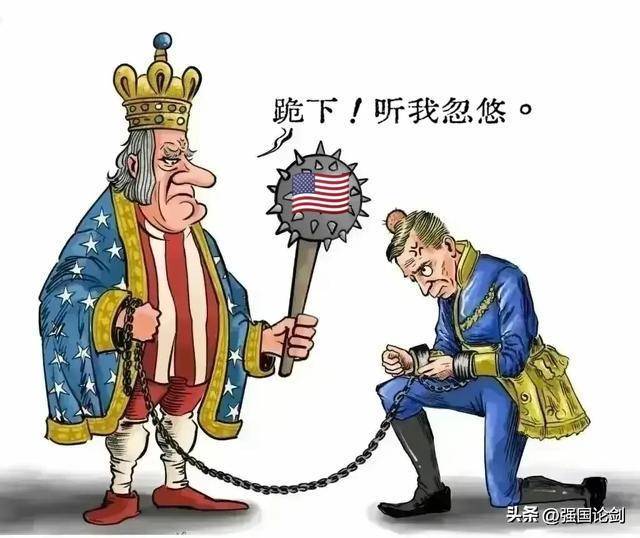
欧洲优先战略

Search documents
拟对华加税30%,法国欲打第一枪,中方点名警告后,德风向先变了
Sou Hu Cai Jing· 2026-02-15 03:29
Core Viewpoint - France has proposed to the EU to impose approximately 30% tariffs on Chinese goods, driven by concerns over competition from China and the US, as highlighted by President Macron's earlier warnings about Europe's economic vulnerability [1][3]. Group 1: France's Proposal and Economic Context - The proposal for increased tariffs is rooted in France's competitive anxiety, as Europe faces sluggish economic growth and declining manufacturing competitiveness [1]. - An internal EU report indicates that Europe lags significantly behind China and the US in investments in emerging fields such as green technology, artificial intelligence, and quantum computing [1]. - France advocates for a "Europe First" strategy, emphasizing trade protection and industrial support policies, particularly in sectors like renewable energy, automotive, and photovoltaics, where Chinese manufacturing poses a significant challenge [1]. Group 2: Germany's Position and Economic Implications - Germany's cautious stance on the proposed tariffs is influenced by its heavy reliance on exports and close trade ties with China, making it wary of potential negative impacts on its manufacturing sector [3][4]. - German Chancellor Merz highlighted the stark economic growth disparities, noting that China's average annual growth rate over the past 20 years is around 8%, compared to 1% for the EU, urging for reforms to improve internal efficiency and reduce regulatory barriers [3][4]. - Germany's focus is on enhancing its competitiveness rather than imposing trade barriers, reflecting a pragmatic approach to the challenges posed by external competition [4]. Group 3: Future Policy Directions and Global Impact - The future policy direction of the EU will depend on internal coordination among member states, with potential outcomes ranging from increased trade protection to a focus on internal reforms and efficiency improvements [6]. - The choices made by Europe will have significant implications for the global economic landscape, affecting global supply chains and trade systems, given the substantial trade volume and industrial connections between China and the EU [6]. - A confrontational stance could lead to adverse effects for both parties, emphasizing the need for cooperation alongside competition [6].

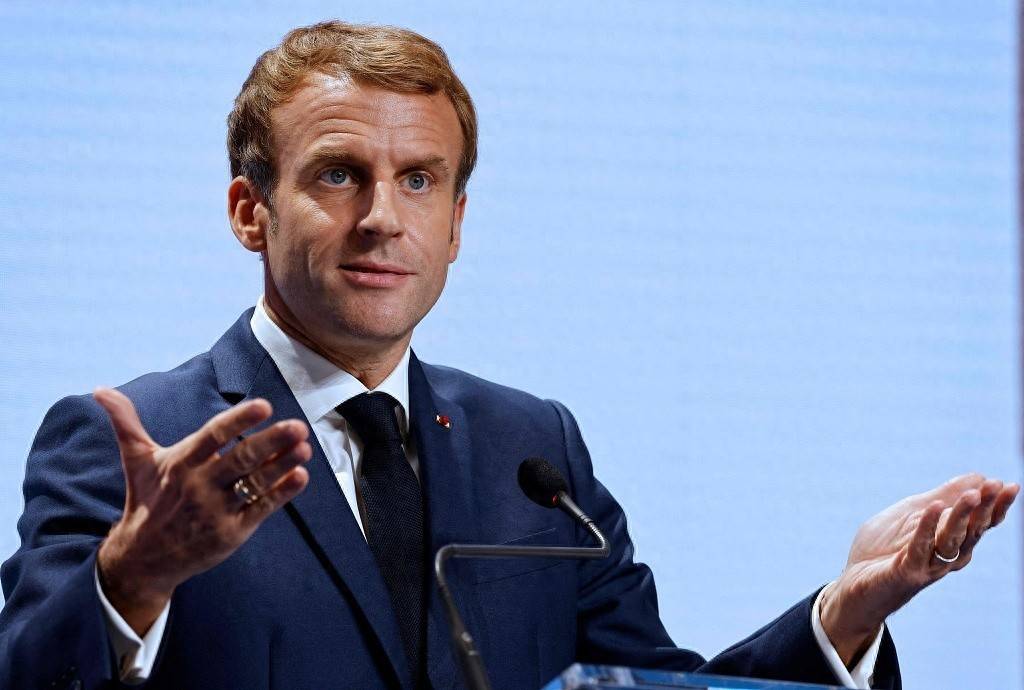
马克龙:欧洲正面临来自中美俄的三重压力,再不改变就会慢性死亡
Sou Hu Cai Jing· 2026-02-12 11:54
Core Viewpoint - Europe is currently in a passive and disadvantaged position in the global power struggle, influenced by multiple realities and historical factors, with a deep-rooted issue of political elites being unable to fundamentally change their worldview due to their long-standing adherence to American values [1] Group 1: Strategic Pressures on Europe - Macron identified three major strategic pressures facing Europe: skepticism towards the US as a security guarantor, the cessation of energy supplies from Russia, and the rise of China as a formidable competitor in the global economic landscape [5][10] - The greatest challenge for Europe is not merely external threats but its own strategic dependency and over-reliance on others, exacerbated by Trump's policies that have disrupted Western alliances and global trade systems [7] Group 2: Trade Relations and Competition - Macron expressed dissatisfaction with China's trade surplus, highlighting that China has become a significant competitor, prompting him to propose a Europe-first strategy to protect European interests [8] - The perception of a double standard in trade practices is evident, as European leaders believe only Western countries should export high-end products to China, while overlooking the competitive advancements made by China in high-tech and electric vehicles [8] Group 3: Reform Proposals - Macron suggested three reform proposals for Europe: simplifying and deepening the single market, continuing trade diversification, and initiating a new common borrowing initiative among EU member states to issue euro-denominated bonds to counteract dollar hegemony [12][13] Group 4: Long-term Outlook - Without substantial reforms, Europe risks gradual decline and potential stagnation, facing strategic pressures from the US, China, and Russia [12] - The fragmented nature of Europe as a loose alliance rather than a unified state makes it vulnerable to being exploited by larger powers, complicating efforts to escape current challenges [15]