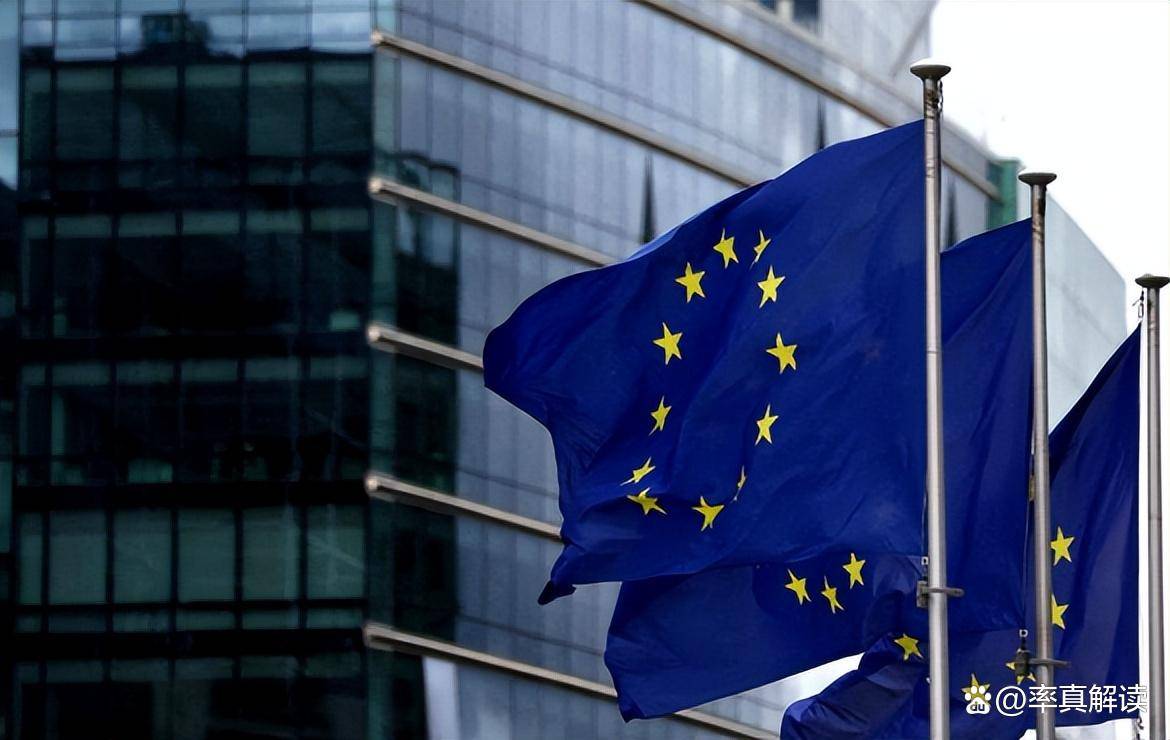
欧洲自主

Search documents
在慕安会看欧美分歧:跨大西洋关系迎来“关键转折点”
Ren Min Ri Bao· 2026-02-25 05:21
Core Viewpoint - The Munich Security Conference (MSC) highlighted significant divisions and tensions in transatlantic relations, marking a "critical turning point" where the relationship between Europe and the U.S. is unlikely to return to its previous state [1][2]. Group 1: Disagreements and Tensions - The MSC featured a heated exchange between U.S. and European representatives regarding the state of the international order, with the U.S. denying claims of its destruction and asserting its role in saving a "crumbling" order, while Europe emphasized the need for equality among nations [1][2]. - The 2026 Munich Security Report criticized the U.S. as the most notable disruptor of the post-war international order, indicating that the discord between the U.S. and Europe has evolved from specific policy disagreements to fundamental differences in the understanding of alliance principles [2][3]. - U.S. Secretary of State Rubio acknowledged shared values between the U.S. and Europe but criticized Europe on defense, immigration, and climate policies, suggesting that Europe should be more self-reliant rather than dependent on U.S. protection [2][3]. Group 2: European Response and Autonomy - European leaders expressed a growing urgency for greater autonomy, with the MSC chair highlighting unprecedented anxiety regarding the transatlantic relationship and questioning whether the U.S. still values its allies [6][7]. - EU Commission President von der Leyen warned of external threats aimed at undermining the EU from within, asserting that Europe must achieve greater independence [7]. - French President Macron and UK Prime Minister Starmer emphasized the need for Europe to defend its interests and build its own "hard power" to deter aggression, reflecting a shift towards a more self-sufficient European stance [7][8]. Group 3: Implications for Global Governance - The ongoing tensions and calls for multilateralism underscore the need for improved global governance amidst a backdrop of rising power politics and instability [8].

跨大西洋关系迎来“关键转折点”(国际视点)
Ren Min Ri Bao· 2026-02-25 00:30
Core Viewpoint - The Munich Security Conference highlighted significant tensions in transatlantic relations, with representatives from Europe and the U.S. expressing starkly different views on the state of the international order and the role of the U.S. in it [1][2]. Group 1: Divergence in Perspectives - The U.S. Ambassador to the UN, Thomas-Greenfield, rejected the Munich Security Report's assertion that the international order is "being destroyed," claiming the U.S. is working to save a "collapsing" order [1]. - EU's High Representative for Foreign Affairs, Josep Borrell, emphasized that international rules must be based on equality among nations, indicating a fundamental disagreement with the U.S. stance [1][2]. - The 2026 Munich Security Report criticized the U.S. as the most notable disruptor of the post-war international order, suggesting that the conflict between the U.S. and Europe has evolved from specific policy disagreements to a fundamental divergence in the understanding of alliance principles [2]. Group 2: U.S. Criticism of Europe - U.S. Secretary of State, Marco Rubio, acknowledged shared values between the U.S. and Europe but criticized Europe on defense, immigration, and climate policies, asserting that the U.S. needs partners capable of self-defense rather than dependents [2][3]. - European leaders expressed growing dissatisfaction with U.S. actions, including high tariffs impacting European industries and fluctuating defense commitments, leading to a perception of decreased U.S. regard for European interests [3]. Group 3: Calls for European Independence - European leaders at the conference stressed the urgency of achieving greater autonomy, with the Munich Security Conference Chairman Wolfgang Ischinger noting that the transatlantic relationship is at a "critical turning point" [7][8]. - EU Commission President Ursula von der Leyen warned of external threats aimed at undermining the EU from within, advocating for greater European independence [8]. - French President Emmanuel Macron and UK Prime Minister Keir Starmer echoed the sentiment, urging Europe to build its own "hard power" and prepare for potential conflicts [8]. Group 4: Multilateralism and Global Governance - Amidst the turbulent international landscape, calls for multilateralism and improved global governance were emphasized, with German Foreign Minister Annalena Baerbock highlighting the importance of political reliability and adherence to international order [9].
业内人士呼吁欧洲资本市场 减少对美国金融体系过度依赖
Xin Lang Cai Jing· 2026-02-23 21:43
Core Viewpoint - The Frankfurt Digital Finance Conference emphasizes the need for Europe to reduce its dependence on the U.S. financial system and to pursue digital transformation for greater strategic autonomy [1] Group 1: European Financial Independence - Participants at the conference advocate for a decrease in reliance on the U.S. in various sectors, including technology, defense, and energy, highlighting the importance of strategic autonomy for Europe [1] - Thomas Book from Deutsche Börse Group stresses that the current global challenges necessitate a shift away from historical dependencies on the U.S. in capital markets [1] Group 2: Structural Dependence on the U.S. Dollar - Joachim Wiemerlin, a professor at the European Institute of Management and Technology, points out the structural dependence of the global financial system on the U.S. dollar, which has become increasingly problematic [1] - The perception of trust in the U.S. is diminishing, prompting calls for Europe to reduce its financial reliance on the U.S. [1] Group 3: Strategic Risks and Recommendations - Dennis-Kenji Kipker from the German Institute for Network Intelligence suggests that Europe should enhance its autonomy and diversify its strategies to mitigate risks associated with dependence on the U.S. [1] - There is a concern that further U.S. export controls or technology restrictions could jeopardize Europe's critical digital infrastructure [1]
国际观察|从达沃斯到慕安会,看世界之变
Xin Hua She· 2026-02-16 02:23
Group 1 - The core theme of the Munich Security Conference is the critical turning point in transatlantic relations and the accelerated reshaping of the international order [1][4] - The U.S. is criticized as the "most prominent disruptor" of the post-war international order, with its unilateral actions undermining international law and multilateral mechanisms [4][6] - European leaders emphasize the urgency of "European autonomy," with calls for reduced dependence on the U.S. for defense and a stronger European identity [7][8] Group 2 - The discussions at the conference reflect a collective awakening in Europe to assert its independence from U.S. policies, driven by dissatisfaction with American unilateralism [6][7] - There is a strong emphasis on the need for stability, certainty, and constructive engagement in the face of global challenges, with leaders advocating for respect for sovereignty and multilateralism [8][10] - China is positioned as a constructive force in the current international landscape, gaining recognition for its stability amidst the perceived risks to the existing international order [11]

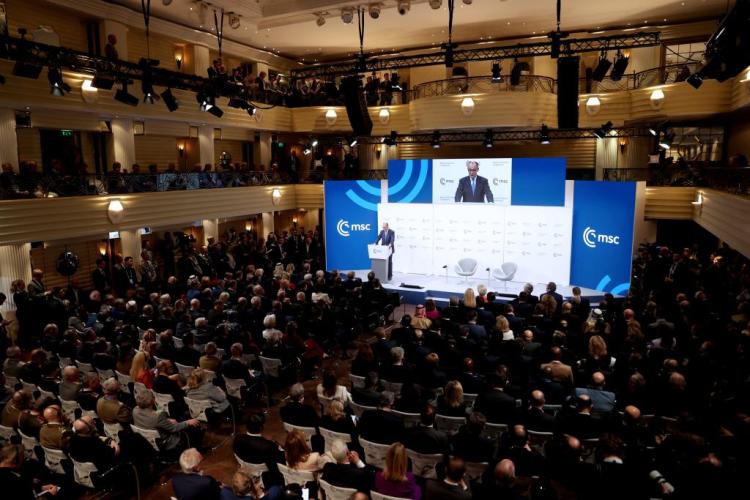
欧洲面临生死存亡之际,默克尔站了出来,对外释放信号强烈
Sou Hu Cai Jing· 2025-12-16 06:49
Core Viewpoint - The return of former German Chancellor Angela Merkel is seen as a stabilizing force in a tumultuous Europe facing multiple crises, including economic downturns, security challenges, and the rise of far-right political movements [1][3][5]. Economic Challenges - Germany, as Europe's economic engine, has experienced two consecutive years of negative growth, while France faces ongoing protests related to high living costs [5]. - The potential imposition of a 50% tariff on German cars by Trump poses a significant threat to Germany's economy and increases NATO defense spending burdens on Europe [5]. Political Landscape - The rise of far-right parties in Germany, France, and other European nations presents a challenge to the long-standing values of the European Union [5]. - Merkel's strong statements during a closed meeting indicate a critical point in U.S.-Germany relations, warning against the sacrifice of Germany's energy security and industrial interests [5][6]. Merkel's Leadership - Merkel's experience and reputation as a crisis manager are highlighted, with her ability to unite various factions in Europe being crucial at this time [3][8]. - She emphasizes the need for Europe to take control of its own destiny, advocating for a robust European defense system and internal market integration [8][9]. Future Outlook - Merkel's re-emergence is viewed as a beacon of hope for European unity amidst internal divisions and external pressures [9]. - The success of her influence in fostering consensus among European nations will be critical in navigating the current crises [9].