
民营企业创新

Search documents
市场最前沿|从“一根丝”的突破,看民营企业创新活力
Sou Hu Cai Jing· 2025-12-24 14:14
Group 1 - The core viewpoint emphasizes the transformation and innovation within the textile industry, highlighting the role of private enterprises in driving high-quality development through technology and system upgrades [1] - The Erdos Cashmere Group has transitioned from manual operations to automated production, showcasing the integration of 5G technology in smart production lines [1] - The focus of the Chinese cashmere industry is shifting towards the high end of the global value chain, with innovation and technological empowerment being key to this transition [1] Group 2 - The Longfly Fiber Optic Company has achieved significant technological breakthroughs, becoming a leader in the global fiber optic industry by mastering all key technologies from preform to fiber and cable [5] - Longfly's collaborative approach in establishing joint laboratories has facilitated the industrialization of core materials, emphasizing the importance of application-oriented research and development [5] - The company has moved from relying on imports to becoming a standard-setting leader in the fiber optic sector, demonstrating a successful model of innovation through "introduction, digestion, absorption, innovation, and re-export" [5] Group 3 - Ningbo Bowei Alloy Precision Wire Co., Ltd. has achieved remarkable precision in cutting wire, essential for manufacturing high-precision components [8] - The Ounait Cable Group has developed cables that maintain flexibility in extreme temperatures and harsh environmental conditions, showcasing the importance of innovation in specialized cable production [8] - Private enterprises contribute significantly to technological innovation in China, accounting for 70% of the nation's technological advancements and a majority of specialized and high-tech enterprises [8] Group 4 - The implementation of the Private Economy Promotion Law is seen as a stabilizing force for private enterprises, enhancing their role in national technological projects and fostering innovation [9] - This law is expected to boost the internal motivation and innovative capabilities of private enterprises, allowing them to take on more significant technological challenges [9]


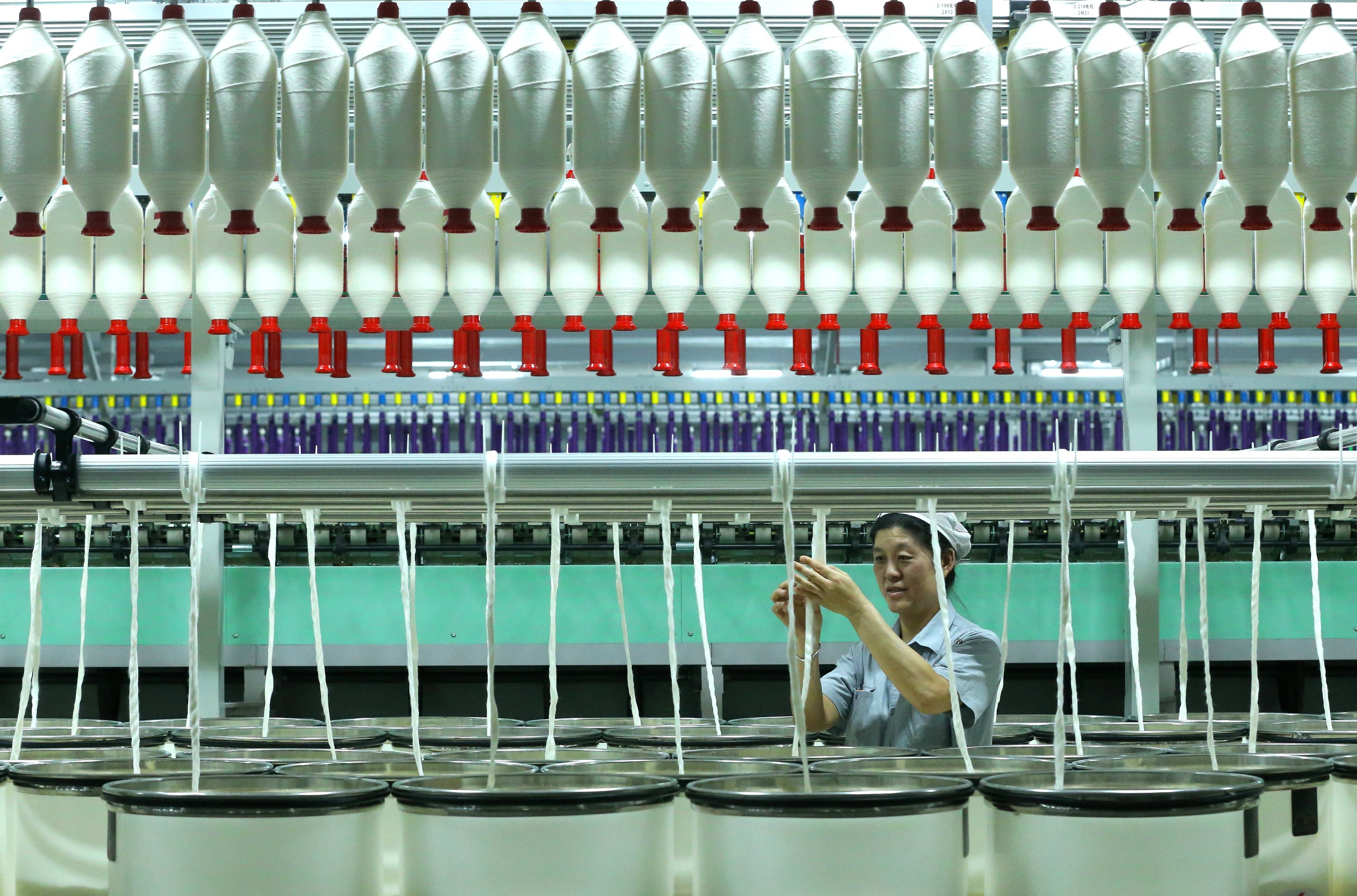
从“一根丝”的突破,看民营企业创新活力
Xin Lang Cai Jing· 2025-12-24 12:41
Core Insights - The transformation of the textile industry, particularly through innovation and technology integration, is crucial for achieving high-quality development and enhancing competitiveness in the global value chain [2][4]. Group 1: Industry Transformation - The textile industry is witnessing a shift from traditional manual operations to automated processes, exemplified by the Erdos Cashmere Group, which has scaled up production of seamless and complex fashion items using advanced technology [2]. - The focus of the textile industry is moving from mere scale expansion to technological empowerment and value reconstruction, emphasizing the need for innovation and systematic upgrades [2]. - Collaboration between private enterprises and academic institutions is fostering the development of advanced materials, such as temperature-regulating cotton fibers, showcasing the innovative capabilities within the textile sector [2]. Group 2: Technological Advancements - Changfei Fiber Optic Cable Co., Ltd. has achieved significant breakthroughs in fiber optic technology, positioning itself among the global leaders in the next-generation fiber optic field [3]. - The company has transitioned from relying on imports to mastering all key technologies related to fiber optics, including preform rods and cables, through a long-term strategy of "introduction, digestion, absorption, innovation, and re-export" [3]. - The establishment of joint laboratories for collaborative research and development has enabled the company to address industry challenges effectively, ensuring that innovation is closely aligned with production needs [3]. Group 3: Material Innovation - Ningbo Bowei Alloy Precision Wire Co., Ltd. has achieved remarkable precision in cutting wire, essential for manufacturing high-precision components, continuously pushing the limits of diameter reduction [4]. - Ournet Cable Group has developed cables that maintain flexibility in extreme cold and resist harsh environmental conditions, demonstrating the importance of specialized product development in niche markets [4]. - The commitment to innovation and overcoming technical challenges has led to significant contributions from private enterprises, which account for 70% of the country's technological innovations and a majority of specialized and high-tech companies [4]. Group 4: Policy Support - The implementation of the Private Economy Promotion Law in May aims to support private enterprises in participating in national technology projects, fostering innovation, and enhancing intellectual property protection [5]. - This law is viewed as a stabilizing force for private enterprises and a catalyst for innovation, encouraging them to take on significant technological challenges and boosting their internal motivation and creative potential [5].

市场最前沿 | 从“一根丝”的突破,看民营企业创新活力
Xin Hua She· 2025-12-24 11:42
Group 1: Industry Transformation and Innovation - The textile industry is undergoing a transformation, with private enterprises focusing on innovation and technology to enhance productivity and competitiveness [1][2] - Erdos Cashmere Group has achieved large-scale production of seamless knitted products and complex fashion items by integrating 5G technology into its production lines [1] - The core of China's cashmere industry development is to achieve high-quality growth through innovation and systematic upgrades, rather than mere scale expansion [1] Group 2: Technological Advancements - Weiqiao Group has collaborated with research institutions to develop all-cotton functional nano-fiber composite yarns, which provide temperature-regulating capabilities [2] - Changfei Fiber Optic Cable Co., Ltd. has made significant advancements in optical fiber technology, becoming a leader in the global market by mastering all key technologies related to optical fibers and cables [3] - The company has established joint laboratories to tackle fundamental technology challenges and promote collaborative innovation between research and industry [3] Group 3: Material Performance Breakthroughs - Ningbo Bowei Precision Alloy Wire Co., Ltd. has achieved unprecedented precision in cutting wire, essential for manufacturing high-precision components [4] - Ounait Cable Group has developed cables that maintain flexibility at extremely low temperatures and resist harsh environmental conditions, showcasing the importance of innovation in specialized products [4] - The focus on deep specialization and continuous innovation has led to significant contributions from private enterprises, accounting for 70% of the country's technological innovations [4] Group 4: Supportive Policies for Private Enterprises - The implementation of the Private Economy Promotion Law in May aims to support private enterprises in participating in national technology projects and encourages innovation [5] - This law is seen as a stabilizing force for private enterprises and a catalyst for innovation, enhancing their role in national technological advancements [5]
市场最前沿|从“一根丝”的突破,看民营企业创新活力
Xin Hua She· 2025-12-24 11:35
Group 1 - The textile industry is undergoing a transformation, with private enterprises innovating in niche areas to enhance productivity and competitiveness, exemplified by the Erdos Cashmere Group's shift to automated production and integration of 5G technology [1] - The core of China's cashmere industry is to elevate its position in the global value chain through innovation and systematic upgrades, focusing on technology empowerment and value reconstruction rather than mere scale expansion [1] - Collaborations between private enterprises and research institutions are driving innovation, such as the development of functional cotton nano-fiber composite yarns by Shandong Weiqiao Group, which offers temperature-regulating fabric [1] Group 2 - Changfei Fiber Optic Cable Co., Ltd. has emerged as a leader in the next-generation fiber optic sector, showcasing its advancements at the "China Optics Valley" International Optoelectronic Expo, and has mastered all key technologies from preform to fiber and cable [3] - The company has established joint laboratories to tackle fundamental technologies and facilitate the industrialization of core materials, emphasizing a collaborative approach to innovation that directly addresses production challenges [3] - The focus on application-oriented research and development has allowed Changfei to become a standard-setting leader in the industry, demonstrating the importance of aligning scientific inquiry with market needs [3] Group 3 - Ningbo Bowei Alloy Precision Fine Wire Co., Ltd. has achieved remarkable precision in cutting wire, essential for manufacturing high-precision components, continuously pushing the limits of diameter reduction from 0.33mm to 0.015mm over the past decade [5] - Ounait Cable Group has developed cables that maintain flexibility in extreme cold and resist harsh environmental conditions, showcasing the importance of innovation in creating specialized products for specific market needs [5] - Private enterprises contribute significantly to technological innovation in China, accounting for 70% of the nation's technological advancements and encompassing a large portion of specialized and high-tech enterprises [5]
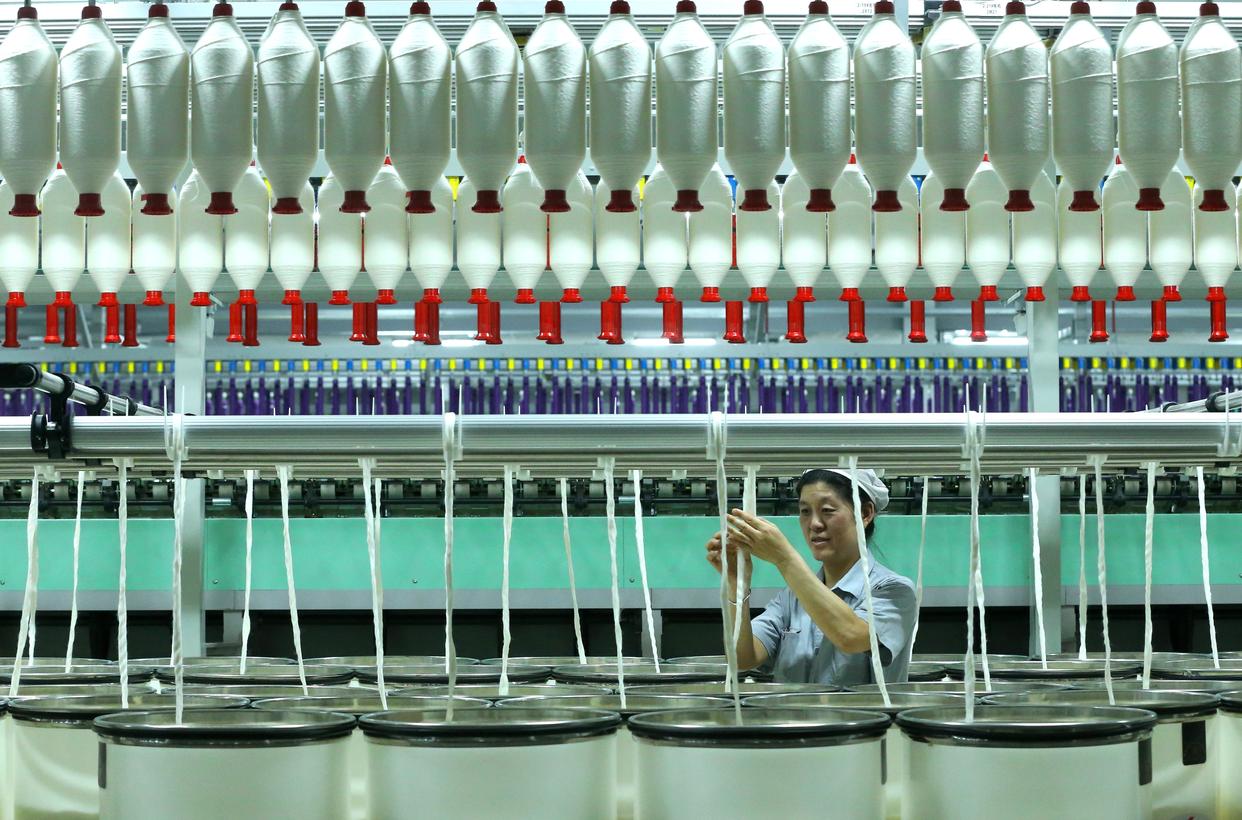
市场最前沿丨从“一根丝”的突破,看民营企业创新活力
Xin Hua Wang· 2025-12-24 11:30
Core Viewpoint - The textile industry is undergoing significant transformation through innovation and technology, with private enterprises playing a crucial role in enhancing productivity and competitiveness in both traditional and emerging sectors [2][8]. Group 1: Industry Transformation - The evolution of the textile industry is exemplified by companies like Erdos Cashmere Group, which has transitioned from manual operations to managing 16 fully automated machines, integrating 5G technology into smart production lines [2]. - The focus of the Chinese cashmere industry is shifting towards high-end global value chains, emphasizing innovation and systematic upgrades for high-quality development [2]. - The transformation is not solely confined to production facilities; it also involves collaborations between private enterprises and academic institutions to develop advanced materials, such as functional cotton nano-fiber composite yarns [3]. Group 2: Technological Advancements - Changfei Fiber Optic Cable Co., Ltd. has made significant strides in the optical fiber sector, showcasing cutting-edge technology at international exhibitions and establishing itself as a leader in the field [5]. - The company has developed a comprehensive understanding of key technologies, moving from reliance on imports to mastering the entire production process of optical fibers and cables [5]. - The collaborative approach in research and development, where enterprises and research teams work together to address industry challenges, has been highlighted as a key driver of innovation [5]. Group 3: Material Innovation - Companies like Ningbo Bowei Alloy Precision Fine Wire Co., Ltd. have achieved remarkable precision in manufacturing cutting wires, pushing the limits of diameter from 0.33mm to 0.015mm [7]. - Ounait Cable Group has developed cables that maintain flexibility in extreme temperatures and harsh environmental conditions, showcasing the importance of tailored solutions for specific industry needs [7]. - The commitment to innovation and overcoming challenges has led to significant contributions from private enterprises, which account for 70% of national technological innovations and a majority of specialized small giant enterprises [7]. Group 4: Policy Support - The implementation of the Private Economy Promotion Law in May aims to bolster private enterprises' participation in national technology projects and enhance innovation capabilities [8]. - This law is viewed as a stabilizing force for private enterprises and a catalyst for innovation, encouraging them to take on significant technological challenges [8].
全国民营企业系列“创新榜”发布 长沙多家企业上榜
Chang Sha Wan Bao· 2025-09-27 02:32
Group 1 - The 2025 Private Economy Innovation Development Conference was held in Xi'an, co-hosted by the All-China Federation of Industry and Commerce and the Shaanxi Provincial Government [1] - The conference released a report on the innovation status of the top 1,000 private enterprises in terms of R&D investment, along with lists of R&D investment and invention patents among private enterprises [1] - A total of 25 enterprises from Hunan province were included in various lists, with 22 from Changsha, highlighting the region's strong performance in innovation [1] Group 2 - Seven enterprises from Changsha made it to the 2025 list of the top 500 private enterprises by R&D investment, including SANY Group, Lens Technology, Anker Innovations, and others [1] - Thirteen Changsha enterprises were recognized in the 2025 list of the top 500 private enterprises by invention patents, showcasing a diverse range of industries [2] - Two Changsha enterprises were awarded as typical cases of technological and industrial innovation for 2025, namely Hunan Xibang Intelligent Equipment Co., Ltd. and Hunan Huashu High-Tech Co., Ltd. [3] Group 3 - The Hunan Provincial Medicinal Materials Industry Association's group standard on "Dragon Tooth Lily Bulb Cutting Propagation Seed Ball Technology Regulations" received the "Leader" honor in the chamber of commerce standards [4]





创新破万“卷” 实探民企新作为
Shang Hai Zheng Quan Bao· 2025-09-02 07:16
Group 1 - Private enterprises are a crucial force in driving China's economic development and are key supporters of high-quality growth [1] - The article emphasizes the importance of innovation within private enterprises, showcasing their real experiences, pressures, joys, and reflections [1] - The narrative aims to capture the genuine temperature of the innovation journey of private enterprises, highlighting their practical efforts in overcoming challenges [1]
多重力量驱动 民营企业创新活力迸发
Zheng Quan Ri Bao· 2025-08-31 17:23
Group 1 - The total R&D expenditure of private enterprises reached 1.13 trillion yuan, with a total of 1.1517 million R&D personnel and an average R&D investment intensity of 2.77%, indicating strong momentum in R&D investment and a commitment to technological innovation [1] - The "Private Economy Promotion Law" effective from May 20, 2025, encourages private enterprises to strengthen fundamental and cutting-edge research, develop key core technologies, and promote the integration of technological and industrial innovation [1] - Various departments have introduced a series of measures to support innovation in private enterprises, including 15 policy measures for technology finance to provide comprehensive financial services for technological innovation [1][2] Group 2 - Private enterprises are increasing R&D investment as a necessary choice to respond to market competition, enhance core competitiveness, and achieve sustainable development [3] - Successful practices of listed companies demonstrate that deepening core technology can help overcome key bottlenecks and create competitive advantages in a fierce market [3] - Despite the increase in R&D investment, private enterprises still face challenges such as significant regional disparities in innovation development and difficulties in protecting intellectual property rights [3][4] Group 3 - Future measures should focus on enhancing the innovation awareness and capabilities of private enterprises, as well as protecting their innovative achievements [4] - Continuous support for private enterprises to utilize new technologies and explore new products is essential for maximizing their role in the transformation and industrialization of technological achievements [4] - Strengthening the crackdown on infringement behaviors is crucial to safeguard the legitimate rights and interests of enterprises, allowing them to focus on R&D and innovation [4]
“转”出新活力 扬帆正当时——民营企业转变发展方式观察
Zhong Guo Jin Rong Xin Xi Wang· 2025-07-08 10:08
Group 1: Core Views - The private economy is a driving force for China's modernization and a crucial foundation for high-quality development [1] - Private enterprises are actively transforming their development methods through innovation, digital transformation, and expanding overseas markets [1] Group 2: Innovation and Transformation - Ningxia Shizuishan Baoma Xingqing Special Alloy Co., Ltd. has shifted from high-energy, high-pollution silicon iron alloy to high-end alloying agents, achieving over 20% annual growth in sales, reaching 300 million yuan [2] - Private enterprises contribute over 70% of technological innovation results and encompass over 80% of national specialized "little giant" enterprises and 90% of national high-tech enterprises [2] - Libai Technology Group has 519 effective patents, including 190 invention patents, and has participated in revising 24 national standards and 20 industry standards [2] Group 3: Policy Support - The implementation of the Private Economy Promotion Law enhances the stability and certainty of enterprise development [4] - In May, the China SME Development Index rose to 89.5, ending a two-month decline, with industrial SMEs' added value increasing by 8.0% from January to May [4] Group 4: Digital Transformation - Digital transformation is a key engine for enhancing the resilience and competitiveness of private enterprises [5] - The total production efficiency of Xiu Zheng Pharmaceutical Group has increased by 23.2% and operational costs have decreased by 22.2% due to digital control systems [5] Group 5: Global Market Expansion - Private enterprises are becoming significant players in China's "going global" strategy, with a 7% increase in imports and exports in the first five months of the year, accounting for 57.1% of total trade [8] - Companies like Kingsoft Office are adapting their products for local markets to overcome cultural and user habit differences in their global expansion efforts [9] Group 6: Sustainable Development - Lenovo Group maintains that 75% of its revenue comes from overseas markets while ensuring that 80% of manufacturing value is completed in China, leveraging local supply chain advantages [10] Group 7: Future Prospects - The private economy has a broad and promising development outlook, with enterprises poised to innovate and seize new market opportunities for high-quality growth [11]