
科技创新

Search documents
“碰瓷”IPO?!专利恶意诉讼专挑关键期!规制“组合拳”来了
证券时报· 2026-03-15 23:50
Core Viewpoint - The article highlights the increasing prevalence of malicious patent lawsuits targeting technology innovation companies during their IPO processes, which disrupts the capital market and hinders competition [1][3][11]. Group 1: Malicious Lawsuits Impacting IPOs - Companies like Yushu Technology and Lingge Technology have faced malicious patent infringement lawsuits from non-industry competitors during critical IPO stages, leading to halted listings and valuation fluctuations [1][3]. - Since 2025, a total of 53 companies have been involved in 133 judicial cases during their IPOs, with 10 cases related to industry competition and invention patents [5]. - The lawsuits are often characterized by unreasonable claims, such as a company demanding 8 million yuan in compensation while later reducing the claim to 500 yuan, indicating a lack of genuine intent to protect rights [3][7]. Group 2: Legal and Regulatory Responses - The Supreme People's Court has established clear standards for identifying malicious lawsuits, focusing on the stability of patent rights, the legitimacy of the lawsuit's purpose, and the persistence of malicious behavior [7][8]. - Legislative and regulatory bodies are actively working to combat malicious patent lawsuits, with suggestions for a cross-departmental enforcement mechanism and a patent credit evaluation system [11][12]. - The Supreme Court and the China Securities Regulatory Commission have issued guidelines to strictly enforce laws against malicious lawsuits that disrupt the IPO process, emphasizing accountability for those who engage in such practices [12]. Group 3: Recommendations for Companies - Companies are advised to enhance their legal awareness and conduct thorough intellectual property due diligence before initiating IPO processes, including assessing the stability and clarity of their core patents and trademarks [13]. - Establishing a rapid response mechanism to monitor competitors' patent activities and potential lawsuits is crucial for mitigating risks during the IPO phase [13]. - Companies should proactively manage intellectual property risks as a core component of their IPO preparation rather than as an ancillary issue [13].


朝阳科创基金首都会展科创基金招GP
FOFWEEKLY· 2026-03-12 10:05
Core Viewpoint - The Chaoyang District of Beijing is launching the Capital Exhibition Technology Innovation Sub-Fund to enhance the integration of the exhibition industry with technological innovation, supporting high-quality regional economic development [1]. Group 1: Fund Objectives and Focus - The Capital Exhibition Technology Innovation Sub-Fund aims to cultivate new productive forces and implement a dual-driven development strategy of "business + technology" in Chaoyang District [1]. - The fund will focus on equity investments in the exhibition industry, particularly in the integration of technologies such as artificial intelligence and big data within exhibition scenarios [1]. Group 2: Strategic Development - The fund is designed to promote the collaborative development of "fund + exhibition + park," leveraging the resource advantages of the exhibition platform to facilitate the transformation of technological achievements and the aggregation of quality enterprises [1]. - The initiative is part of the broader "3+X+N" industrial system upgrade strategy in Chaoyang District, aimed at fostering high-quality economic growth in the region [1].
从政府工作报告看2026年经济发展新思路
Guohai Securities· 2026-03-06 08:33
Economic Growth and Employment - The economic growth target for 2026 is set at 4.5%-5%, aligning with the long-term goal of achieving a per capita GDP comparable to that of moderately developed countries by 2035[4] - The urban surveyed unemployment rate is targeted at around 5.5%, with over 12 million new urban jobs expected to be created, matching the economic growth rate[5] Fiscal Policy - The general public budget expenditure for 2026 is projected to reach 30 trillion yuan, an increase of approximately 1.27 trillion yuan from the previous year[7] - The fiscal deficit is planned at 5.89 trillion yuan, with a deficit rate of about 4%, indicating a continued commitment to expansionary fiscal policy[8] Monetary Policy - The monetary policy maintains an "appropriately loose" stance, with room for further interest rate cuts and reserve requirement ratio reductions to support economic stability[12] - The average interest rate for new personal housing loans is approximately 3.06%, down from a peak of 7.62% in December 2011, indicating a significant reduction in borrowing costs[12] Domestic Demand and Consumption - The report emphasizes the importance of expanding domestic demand as a strategic focus, with consumption contributing 52% to economic growth in 2025[15][16] - Initiatives to boost consumption include a plan to implement a rural and urban residents' income increase program and a 250 billion yuan allocation for a consumption upgrade program[16] Investment and Infrastructure - Central budget investment is set at 755 billion yuan for 2026, with an additional 8 trillion yuan in special bonds aimed at infrastructure projects[18] - Urban renewal is highlighted as a key investment area, with significant potential to revitalize existing urban spaces and stimulate economic activity[19] Technological Innovation - The report sets a target for R&D expenditure to grow by over 7% annually, with a focus on high-tech sectors such as quantum technology and artificial intelligence[20][22] - The proportion of the digital economy's core industries in GDP is expected to rise from 10.5% in 2025 to 12.5% by the end of the 14th Five-Year Plan[20] Real Estate Market - The total real estate inventory is approximately 5.87 billion square meters, necessitating strategies for inventory reduction and the promotion of quality housing[23] - The report outlines a new model for real estate development, emphasizing safety, comfort, and sustainability in housing construction[24]
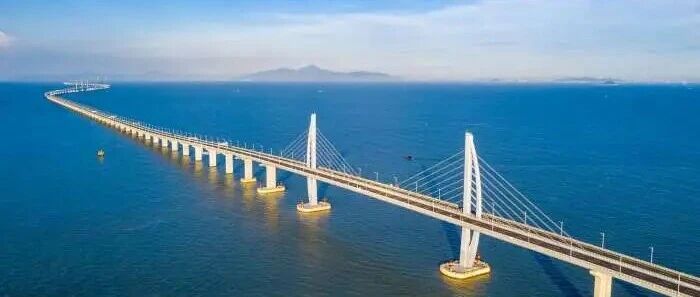
政府工作报告连续10年@大湾区,释放三重信号
21世纪经济报道· 2026-03-05 11:06
Core Viewpoint - The article emphasizes the strategic importance of the Guangdong-Hong Kong-Macau Greater Bay Area (GBA) in China's national development, highlighting its role in becoming a world-class technology innovation hub and a world-class city cluster [2][4]. Group 1: Strategic Importance of GBA - The GBA has been included in the national development blueprint for ten consecutive years, indicating its growing significance in national strategy [2]. - The GBA is recognized for its effective construction outcomes and the increasing agglomeration of resources, which are crucial for achieving high-quality development and promoting common prosperity [2][9]. - The GBA is expected to play a key role in the "14th Five-Year Plan" by enhancing national self-innovation capabilities and facilitating the integration of the "one country, two systems" framework [4][5]. Group 2: Technological Innovation and Infrastructure - The GBA is tasked with building an international technology innovation center, which is essential for enhancing China's independent innovation capacity [4][5]. - Significant progress has been made in the GBA's technology innovation center, with the "Shenzhen-Hong Kong-Guangzhou" tech cluster ranking first globally in innovation clusters by 2025 [4]. - The region has established a robust technological infrastructure, including national laboratories and key laboratories, which support the development of high-end scientific instruments [5][6]. Group 3: Urban Development and Connectivity - The GBA is advancing towards becoming a world-class city cluster, with ongoing efforts to enhance both hard and soft connectivity among the three regions [8][9]. - By 2025, 187 high-frequency government services will be available for cross-border processing, and 262 "Bay Area Standards" have been published across various sectors [9]. - The GBA's urban development is aligned with the national strategy of dual circulation, positioning it as a critical hub for linking Southeast Asian markets and participating in global trade [10].
34.66万亿元!2025年长三角经济总量再创历史新高
Yang Shi Xin Wen· 2026-02-28 00:30
Economic Growth - The total economic output of the Yangtze River Delta region is projected to reach 34.66 trillion yuan by 2025, marking a historical high, with the number of "trillion-yuan cities" increasing to 10 [1] - The total export value of the three provinces and one city in the region is expected to reach 10.85 trillion yuan, accounting for 40.2% of the national total, further highlighting the region's role as a strong economic growth engine [1] Technological Innovation - The collaborative mechanism for technological innovation in the Yangtze River Delta has deepened, with 212 cross-regional innovation demands collected and 227 joint solutions implemented, both reaching record highs [2] - The Yangtze River Delta technology innovation vouchers have achieved interconnectivity across Shanghai, Zhejiang, Jiangsu, and parts of Anhui, with total support exceeding 250 million yuan and benefiting over 5,000 enterprises [2] - The Shanghai Technology Exchange has led the establishment of a regional technology rights registration service center, which added 611 regional transformation projects last year, amounting to 16.42 billion yuan [2] Integrated System Reform - The "One Network for All Services" platform in the Yangtze River Delta has launched over 300 government services, with more than 15.15 million cases processed online, and over 40 types of frequently used electronic certificates achieving shared recognition [3] Cross-Province Connectivity - The processing time for cross-province commercial insurance claims has been reduced from 7 working days to 1 working day, and cross-province medical insurance reimbursements have achieved "zero trips" for users [4] - The level of interconnectivity between provinces has improved, with the first batch of 17 inter-provincial "dead-end road" projects fully connected, and the new Shanghai Airport-Suzhou freight station saving 12-24 hours in logistics time and reducing costs by 10%-30% [4] Green Development - By 2025, the average PM2.5 concentration across 31 cities in the Yangtze River Delta is expected to decrease by 3.9% year-on-year, with the proportion of days with good air quality reaching 82.7% [5] - The comprehensive governance campaign for the Yangtze River Delta has completed 44 out of 57 key measures, and inter-provincial green electricity trading has significantly increased, reaching 903 million kilowatt-hours last year, six times the volume of 2024 and setting a historical record [6]
科创50指数样本调整:调出君实生物(688180.SH)等三只股份 3月13日盘后生效
智通财经网· 2026-02-27 09:28
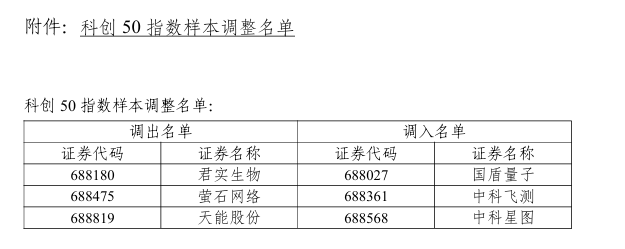
Group 1 - The Shanghai Stock Exchange and China Securities Index Co., Ltd. have decided to adjust the sample stocks of the Sci-Tech Innovation 50 Index, effective after the market closes on March 13, 2026 [1] - Three stocks will be removed from the Sci-Tech Innovation 50 Index: Junshi Biosciences (688180.SH), Yingshi Network (688475.SH), and Tianneng Co., Ltd. (688819.SH) [1][2] - Three new stocks will be added to the Sci-Tech Innovation 50 Index: Guandun Quantum (688027.SH), Zhongke Feice (688361.SH), and Zhongke Xingtai (688568.SH) [1][2]




湖南金融“二十条”支持“三个高地”建设
Xin Lang Cai Jing· 2026-02-26 19:41
Core Viewpoint - The Hunan Financial Regulatory Bureau has introduced measures to support the construction of three key highlands in Hunan, focusing on advanced manufacturing, technological innovation, and inland reform and opening-up [1][2]. Group 1: Support for Advanced Manufacturing - The initiative aims to establish a dedicated financial service system for the industrial chain, aligning financial resources with the industrial map [1]. - There is a strong emphasis on supporting the development of small and medium-sized enterprises (SMEs) and private enterprises through credit loans and medium to long-term financing [1]. - The plan includes expanding insurance coverage for major technological equipment and the first application of key new materials [1]. Group 2: Support for Technological Innovation - The measures encourage a combination of loans and external direct investment, focusing on early-stage, small, long-term, and hard technology investments [1]. - There is a push to enhance financing mechanisms related to intellectual property pledges, knowledge value loans, and commercial value credit loans [1]. - The initiative aims to strengthen financial services for innovative and entrepreneurial talent, creating a composite technology finance team [1]. Group 3: Support for Inland Reform and Opening-Up - The plan includes innovative financial services for non-economic and trade cooperation, supporting the establishment of specialized branches for non-trade [2]. - It encourages the development of free trade zones and international logistics channels, customizing financial products based on specific functional positioning [2]. - The measures aim to expand the coverage of export credit insurance and promote domestic and international dual circulation through investment and consumption [2].
“大礼包”来了!浙江2026年“8+4”经济政策发布
Xin Lang Cai Jing· 2026-02-26 10:21
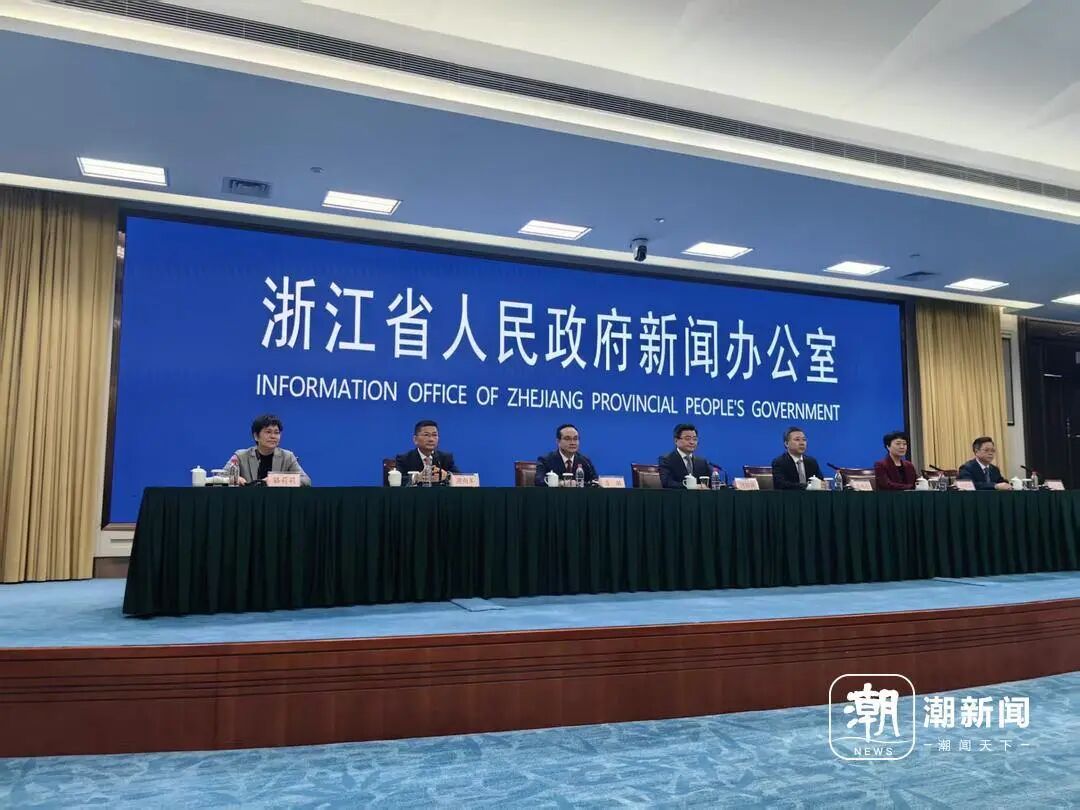
Core Viewpoint - Zhejiang Province has introduced the "8+4" economic policy system for 2026, which includes eight key policy packages and four element guarantee lists aimed at enhancing economic development and ensuring tangible benefits for the public [2][5]. Group 1: Key Policy Packages - The eight key policy packages focus on various areas including the integration of education, technology, and talent reform, advancement of the manufacturing sector, enhancement of service quality and consumption upgrades, construction of world-class ports and transportation, expansion of high-level foreign trade, effective investment, urban-rural integration for high-quality development, and improvement of people's livelihoods [2][5]. Group 2: Support for Technological Innovation - Zhejiang aims to leverage the opportunities from the Yangtze River Delta International Science and Technology Innovation Center, attract national strategic tasks, and implement the "Artificial Intelligence +" initiative. The province plans to support the establishment of verification centers, pilot platforms, and manufacturing innovation centers [2][5]. - The province targets a technology loan balance exceeding 4.2 trillion yuan and aims to expand the scale of provincial venture capital funds, encouraging early-stage investments in hard technology [2][5]. Group 3: Element Guarantee Lists - The four element guarantee lists cover finance, natural resources, energy, and talent. The financial support list allocates 105.38 billion yuan to reduce burdens on businesses by over 250 billion yuan and aims for new non-repayment loans exceeding 500 billion yuan [3][6]. - The natural resources list ensures 300,000 acres of construction land, 100,000 acres of sea, and 100,000 acres of forest land, with over 100 projects targeted for national land guarantee [3][6]. - The energy list aims to lower energy costs, promote green development, and ensure electricity supply of approximately 770 billion kilowatt-hours and natural gas supply of around 22 billion cubic meters [3][6]. - The talent list focuses on training over 500 outstanding engineers, 100 legal professionals, 2,000 digital technology engineers, and 2,000 chief quality officers [3][6].
如何理解巩固提升香港国际金融、航运、贸易中心地位,支持香港建设国际创新科技中心
Xin Hua Wang· 2026-02-26 06:48
Group 1 - The core viewpoint emphasizes the importance of consolidating and enhancing Hong Kong's status as an international financial, shipping, and trade center while supporting its development as an international innovation and technology hub [1][2] Group 2 - Hong Kong's international financial center status is solidified, ranking third globally in 2024, with a fintech level ranked ninth worldwide, and it serves as Asia's largest international asset management and private wealth management center [2] - Hong Kong maintains its position as the world's leading air cargo hub, with the fourth largest ship registration tonnage globally, and ranks fourth in the international shipping center development index for six consecutive years [2] - The city is recognized as the most free economy globally, with a projected third place in the world competitiveness ranking by 2025, and has signed multiple free trade agreements and investment agreements with various economies [2] - Hong Kong's emerging startup ecosystem ranks third globally and first in Asia, with a talent influx of 220,000 individuals, placing it fourth in the world talent ranking [2] Group 3 - The new strategic significance of Hong Kong includes deepening connectivity with the mainland, enhancing offshore RMB business, and optimizing the securities market while developing an international gold trading center [3] - The international shipping center will see improvements through tax incentives, the establishment of a commodity trading ecosystem, and advancements in green shipping and smart port systems [3] - The international trade center will focus on high-value supply chain services, promoting headquarters economy development, and strengthening trade mechanisms with Belt and Road countries [3] - The support for building an international innovation and technology center will involve integrating into the Guangdong-Hong Kong-Macao Greater Bay Area and addressing foundational research gaps in key national technology strategies [3] Group 4 - The initiatives for Hong Kong's economic and social development during the 14th Five-Year Plan include aligning with the national plan, enhancing cooperation within the Greater Bay Area, and facilitating cross-border flow of innovation and technology elements [4] - The dual-engine development of finance and innovation will be promoted to enhance Hong Kong's influence in global technology innovation [4] - Hong Kong will engage in broader international collaboration, strengthening its role as a hub for higher education and international scientific initiatives while attracting high-end research talent [4]
学习规划建议每日问答丨如何理解巩固提升香港国际金融、航运、贸易中心地位,支持香港建设国际创新科技中心
Xin Hua Wang· 2026-02-26 04:17
Core Viewpoint - The article emphasizes the importance of consolidating and enhancing Hong Kong's status as an international financial, shipping, and trade center, while also supporting its development as an international innovation and technology hub, in line with the 15th Five-Year Plan of China [1] Group 1: Economic and Social Development - The central government fully supports Hong Kong in maintaining its unique position and advantages, fostering a free and open business environment, and expanding international connections [2] - Hong Kong is ranked third globally as a financial center in 2024, with its fintech level ranked ninth worldwide, and it is the largest international asset management and private wealth management center in Asia [2] - Hong Kong handles approximately 80% of global offshore RMB settlements, reinforcing its status as the largest offshore RMB center [2] - The city has maintained its position as the world's top air cargo hub for several consecutive years and ranks fourth globally in registered shipping tonnage [2] - Hong Kong's free trade policy keeps it at the top of the list of the world's freest economies, with a projected global competitiveness ranking of third and second in Asia by 2025 [2] - The emerging startup ecosystem in Hong Kong is ranked third globally and first in Asia, with a talent influx of 220,000 individuals [2] Group 2: Strategic Positioning - The new era brings new connotations to Hong Kong's strategic position, focusing on deepening connectivity with the mainland and enhancing offshore RMB business [3] - There is an emphasis on optimizing the securities market and developing an international gold trading center in Hong Kong [3] - The strategy includes enhancing the shipping center's status through tax incentives and developing a high-value shipping service sector [3] - The trade center's status will be reinforced by establishing a high-value supply chain service center and expanding trade networks, particularly with Europe and the Belt and Road countries [3] - The support for building an international innovation and technology center aims to integrate deeply into the Guangdong-Hong Kong-Macao Greater Bay Area and focus on national strategic needs in technology [3] Group 3: Implementation Measures - The article outlines proactive measures to align with the national 15th Five-Year Plan, emphasizing cooperation within the Guangdong-Hong Kong-Macao Greater Bay Area [4] - It highlights the need for a dual-engine development approach for finance and innovation, enhancing Hong Kong's influence in global technology innovation [4] - The article calls for broader and closer international cooperation, including strengthening higher education and hosting high-level academic exchanges [4] - There is a focus on building Hong Kong as a world-class tourism destination and a cultural exchange center [4]