
水安全

Search documents
我国建成全球规模最大水利基础设施体系
Ren Min Ri Bao· 2026-02-28 00:29
Core Insights - China has established the world's largest water conservancy infrastructure system, with a national water network coverage rate exceeding 80.3% of the country's land area [1][2] - The rural tap water penetration rate has reached 96%, benefiting the largest population globally [2] - The investment in water conservancy construction during the 14th Five-Year Plan period is projected to reach 5.68 trillion yuan, with annual investments exceeding 1 trillion yuan for four consecutive years since 2022 [1] Group 1 - The national water network is being continuously improved, with 181 major water conservancy projects initiated during the 14th Five-Year Plan period [1] - The new water supply capacity added during this period is 31.8 billion cubic meters, with over 10.9 million acres of irrigated farmland [1] - The water network provides strong water security for key urban clusters, major grain-producing areas, and important ecological function zones [1] Group 2 - The implementation of a standardized construction and management model for rural water supply has resulted in 71% of rural populations covered by large-scale water supply projects [2] - The water quality assurance system is gradually improving, with services such as reporting, repairs, and payments available online [2] - The national water infrastructure plays a crucial role in ensuring water security, supporting domestic circulation, and contributing to the new development pattern [2]
用“小切口、大视野”推动解决具体问题
Xin Lang Cai Jing· 2026-02-27 19:29
Core Insights - A recent UN report highlights the onset of a global "water bankruptcy" era, emphasizing the critical nature of water resources for life, production, and ecology [3][4] Group 1: Water Resource Management - The report indicates that water resource issues are a significant concern, prompting discussions on effective management strategies [3] - Recommendations include establishing a groundwater reserve system and ensuring water security through ecological technology to improve rural water environments [5] Group 2: Clean Energy and Biodiversity - The focus on clean energy heating development is crucial, with suggestions for a multi-energy complementary approach and the establishment of smart heating systems to facilitate a green transition [4] - There is a call for a shift from "rescue protection" to "systematic protection" of biodiversity, alongside improved funding and technological support [4] Group 3: Education and Talent Development - Emphasis is placed on integrating education and technology talent development to meet urban development needs, enhancing the capacity of educational institutions to support regional growth [4] - Recommendations include improving labor dispatch systems to ensure equal rights for dispatched personnel in professional development and academic growth [4]

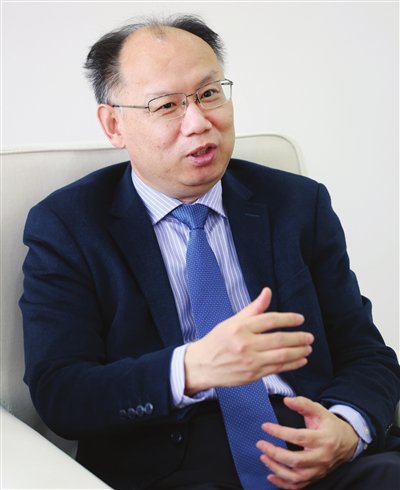
水利部举行2026年迎新春茶话会
Shui Li Bu Wang Zhan· 2026-02-10 12:32
Core Viewpoint - The Ministry of Water Resources emphasizes the importance of adhering to the leadership of the Central Committee and implementing water management strategies to achieve high-quality development and ensure water security in 2026 [1] Group 1: Achievements and Goals - In 2025, under the leadership of the Central Committee, water resources personnel successfully completed annual goals, marking a significant achievement in the "14th Five-Year Plan" [1] - The Minister highlighted the need for continued efforts to promote high-quality development in water resources and ensure national water security [1] Group 2: Future Directions - The year 2026 marks the beginning of the "15th Five-Year Plan," and water resources personnel are encouraged to unite under the Central Committee's leadership and maintain a strong work ethic [1] - There is a call for a correct view of performance and the need to harness collective energy and enthusiasm to contribute to the successful start of the "15th Five-Year Plan" [1]
李国英率团出席中欧水资源交流平台第11次年度高层对话会
Shui Li Bu Wang Zhan· 2026-02-03 02:23
Core Viewpoint - The 11th Annual High-Level Dialogue of the China-Europe Water Resources Exchange Platform emphasizes the urgent need for enhanced water resilience and security in the face of climate change, highlighting China's strategic initiatives in water management [1][2]. Group 1: China's Water Management Strategy - China's Minister of Water Resources, Li Guoying, outlined the significant challenges faced in water security due to complex water conditions and climate change, advocating for a comprehensive approach to water management [1]. - The Chinese government has adopted a transformative water management strategy proposed by President Xi Jinping, focusing on water conservation, balanced spatial development, systematic governance, and dual efforts in water management [1][2]. - The Ministry of Water Resources aims to systematically enhance national water security capabilities and resilience against water challenges, ensuring safety in flood control, water supply, food security, and ecological safety [1]. Group 2: China-Europe Water Cooperation - The dialogue highlighted the importance of China-Europe water cooperation as a key area for green collaboration and climate change response, with both sides recognizing the significant achievements and potential for further collaboration [2]. - European representatives expressed a commitment to strengthen policy alignment, experience sharing, and technological cooperation with China to effectively address climate change impacts and improve water governance [2]. - The meeting focused on various topics, including basin management under climate change, innovative financing mechanisms, water resilience and flood management, lake and river management, and the development of water-saving technologies [2]. Group 3: China-Europe Water Resources Exchange Platform - The China-Europe Water Resources Exchange Platform serves as an important cooperative mechanism established by the Ministry of Water Resources and European water authorities to promote policy dialogue, joint research, and business cooperation in the water sector [3].
水利部举办离退休干部水利工作情况通报会暨迎新春团拜会
Shui Li Bu Wang Zhan· 2026-01-28 12:25
Core Viewpoint - The Ministry of Water Resources held a meeting to report on the work of retired cadres and to celebrate the upcoming Spring Festival, highlighting significant achievements in water management and outlining future strategic tasks for the "15th Five-Year Plan" period [1][2]. Group 1: Achievements and Future Plans - The water management system has made remarkable progress in high-quality development and ensuring water security under the leadership of the central government, adhering to the principles set forth by General Secretary Xi Jinping [1]. - The overall requirements and strategic tasks for the "15th Five-Year Plan" period were introduced, along with key work priorities for 2026 [1]. Group 2: Contributions of Retired Cadres - Retired cadres are recognized as pioneers and foundational figures in the water resources sector, having made significant contributions to its reform and development [2]. - The Ministry is committed to implementing the important directives regarding the work of retired cadres, ensuring they share in the benefits of development and enjoy a happy retirement [2].
淮河水利委员会党组传达学习贯彻中央政治局民主生活会精神
Shui Li Bu Wang Zhan· 2026-01-19 00:45
Core Viewpoint - The meeting emphasized the importance of implementing the spirit of the Central Political Bureau's democratic life meeting and the directives from the Ministry of Water Resources, focusing on high-quality development in water management and safety [1] Group 1: Policy Implementation - The meeting highlighted the need to deeply learn and implement the important speech by General Secretary Xi Jinping, reinforcing the significance of the "two establishments" and enhancing the "four consciousnesses" [1] - It stressed the importance of adhering to the democratic centralism and following decision-making rules, ensuring compliance with laws and regulations in fulfilling responsibilities [1] Group 2: Party Governance - The meeting called for strengthening the responsibility of party governance and maintaining a commitment to the "three musts," promoting comprehensive and strict governance of the party [1] - It encouraged leaders to take initiative and drive entrepreneurship, aiming for high-quality development in water management and ensuring national water security [1] Group 3: Future Actions - The meeting outlined the necessity to conduct theoretical learning closely aligned with the Ministry's work deployment and to engage in extensive discussions to gather opinions and suggestions [1] - It emphasized the importance of conducting a thorough analysis and ensuring a high-quality democratic life meeting for the committee and its subordinate organizations in 2025 [1]
襄阳全面强化河湖长制,加快建设美丽幸福河湖
Zhong Guo Huan Jing Bao· 2025-10-09 07:09
Core Viewpoint - The article emphasizes the importance of water resource management and ecological restoration in Xiangyang, Hubei Province, as part of the broader strategy for sustainable development and environmental protection in the region [1][2][3]. Group 1: Water Resource Management - Xiangyang has a rich water resource network with 1,154 reservoirs and 985 rivers, which is crucial for the city's development [1]. - The city aims to ensure long-term water safety by implementing strict water resource management policies, including a negative list for risk prevention and a flood control system with a target of over 90% compliance [1][2]. - In 2024, Xiangyang plans to keep its total annual water usage and water usage per unit of GDP below provincial control indicators, showcasing a commitment to efficient water use [2]. Group 2: Environmental Improvement Initiatives - The city is focused on creating a livable water environment by completing environmental remediation in 180 administrative villages and managing wastewater in 300 villages [2]. - Efforts are being made to restore small water bodies and enhance public access to water spaces, contributing to the overall quality of life for residents [2]. - The ecological restoration actions aim to build green corridors and protect biodiversity in the Han River basin, aligning with the "Ten-Year Fishing Ban" in the Yangtze River [2]. Group 3: Cultural and Historical Integration - The article highlights the promotion of Xiangyang's unique water culture through the restoration of historical sites along the Xiang River, creating a cultural tourism circuit [3]. - The integration of cultural heritage with environmental initiatives is intended to enhance the region's appeal and foster community engagement [3].
“十四五”我省统筹推进保障水安全、保护水生态、发展水经济、改善水民生 省级水网供水能力达125亿立方米
Da Zhong Ri Bao· 2025-10-01 01:13
Core Viewpoint - The article highlights the progress and achievements of Shandong Province in water resource management and development during the "14th Five-Year Plan" period, emphasizing the integration of water safety, ecological protection, economic development, and improvement of water-related livelihoods. Group 1: Water Safety and Infrastructure Development - The provincial water supply capacity has reached 12.5 billion cubic meters, with each cubic meter supporting a GDP output of 426 yuan, which is 87% higher than the national average [1][3][8] - The provincial water network has surpassed 7,100 kilometers in length, with significant investments in water infrastructure, projected to exceed 320 billion yuan during the "14th Five-Year Plan," which is 1.6 times that of the "13th Five-Year Plan" [3][4] - A provincial water network operation and scheduling center has been established to enhance the management and coordination of major water projects and resources [3] Group 2: Ecological Protection and Water Resource Management - Over 670 provincial-level "happy rivers and lakes" have been established, with a total length exceeding 8,200 kilometers, and significant improvements in water and soil conservation rates [5][9] - The province has implemented ecological restoration actions, including 5.6 billion cubic meters of ecological water replenishment, contributing to the recovery of key rivers and wetlands [5][9] Group 3: Economic Development and Water Utilization - The province has initiated the "Water Network+" action to integrate water infrastructure with sectors such as inland shipping, cultural tourism, and green industries, fostering a multi-faceted water economy [7][8] - The water economy has begun to take shape, with the water-saving industry reaching a scale of 60 billion yuan and the establishment of 239 provincial-level water scenic areas [8][9] Group 4: Improvement of Water-related Livelihoods - Continuous efforts have been made to enhance rural water supply quality, with 477 large-scale water supply projects completed, raising the rural tap water supply rate to 96% [9] - The effective utilization coefficient of irrigation water in farmland has reached 0.6504, ranking first among the nine provinces along the Yellow River [9]
最新研究:全球淡水正以前所未有的速度流失
财联社· 2025-07-29 09:47
Core Viewpoint - A new study reveals unprecedented freshwater loss on Earth over the past 20 years due to climate change, over-extraction of water resources, and frequent droughts [1][2] Group 1: Freshwater Loss and Its Impact - The study, conducted by researchers from Arizona State University, utilized satellite gravity measurement data to estimate changes in total freshwater storage across continents, including rivers, groundwater, glaciers, and ice caps [1] - From 2002 to 2024, many regions worldwide have experienced alarming declines in freshwater, with arid areas drying out faster than humid areas can replenish [1][2] - The area of arid regions is expanding at a rate exceeding 800,000 square kilometers per year, equivalent to the combined land area of the UK and France [1] Group 2: Major Drought Areas - Researchers identified four major drought regions where previously scattered freshwater loss areas have merged into large dry zones, including northern Canada and Russia, primarily due to glacier melting and permafrost thawing [1][2] - In two other regions, freshwater loss is mainly attributed to groundwater depletion caused by irrigation practices, covering the southwestern United States, much of Central America, and extending from Western Europe to North Africa and northern India [2] Group 3: Consequences of Freshwater Loss - The study indicates that freshwater loss has become a significant contributor to rising sea levels, surpassing the contributions from melting Antarctic or Greenland ice sheets, with an annual sea level rise of nearly 1 millimeter since 2015 [2] - The researchers express concern that 75% of the global population resides in 101 countries where freshwater has been depleting over the past 22 years [2] Group 4: Call to Action - The findings are described as a "wake-up call" for the planet, emphasizing the need for ongoing research to help policymakers address severe water resource challenges [3] - There is a call for community-level initiatives to make meaningful changes, particularly regarding the over-extraction of groundwater [3][4] - The urgency for immediate global action on water security is highlighted, stressing the potential threat to food and water security for billions of people [4]
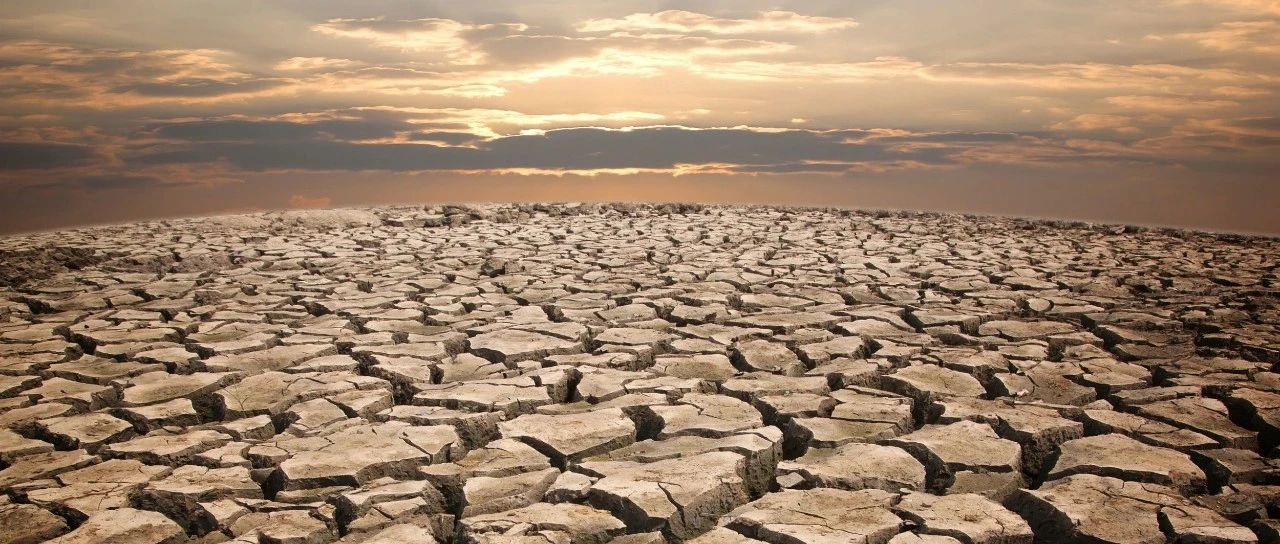
李国英主持召开水利部党建工作领导小组会议 研究进一步推进深入贯彻中央八项规定精神学习教育工作
Shui Li Bu Wang Zhan· 2025-06-25 23:03
Group 1 - The meeting emphasized the importance of implementing the spirit of the Central Eight Regulations and the need for continuous education within the department [1][2] - The department's party organizations have effectively carried out the learning and education initiatives, achieving significant progress [1] - There is a call for higher political awareness and the need to translate strict requirements into concrete measures to ensure quality in learning and effectiveness in implementation [1] Group 2 - The meeting highlighted the necessity of tightening the responsibility chain and enhancing the sense of urgency regarding the education initiatives [2] - It was stressed that strict measures and a serious atmosphere must be maintained to ensure accountability and effective supervision [2] - The focus will be on addressing prominent issues and key areas to ensure the tasks set by the Central Committee and the department's leadership are thoroughly implemented [2]