
汽车三包规定

Search documents
买车、用车烦心事不断?这些正规投诉途径能帮你有效维权
Xin Lang Cai Jing· 2026-01-06 09:49
Core Viewpoint - The article discusses the increasing consumer disputes related to car purchases, after-sales service, and product quality as cars become more common in households. It highlights the challenges faced by car owners in protecting their rights and the various channels available for complaints and resolutions. Group 1: Core Areas of Automotive Consumer Complaints - Common types of automotive consumer disputes include issues with new car delivery such as paint damage and interior defects, engine noises, transmission problems, and after-sales service issues like opaque pricing and substandard parts [1][4] - Specific complaint areas include sales fraud (e.g., selling low-spec cars as high-spec), product quality and safety defects (e.g., serious faults in engines and transmissions), after-sales service issues (e.g., non-transparent repair quotes), and specific problems with electric vehicles (e.g., exaggerated battery range) [4][11] Group 2: Official Regulatory and Complaint Channels - The National Market Supervision Administration's Defective Product Management Center is the highest official channel for reporting potential systemic safety defects in automotive products [4][11] - The National 12315 platform serves as a comprehensive administrative channel for handling various automotive consumer disputes, including sales fraud and product quality issues [4][11] - Local transportation management departments oversee the motor vehicle repair industry and handle complaints related to repair service quality [4][11] Group 3: Third-Party Media and Social Supervision Platforms - The Black Cat Complaint platform, a large public welfare consumer dispute resolution platform, has accumulated numerous complaint cases and experience in connecting with companies [3][10] - The platform allows car owners to quickly submit complaints and track the status of their issues, ensuring transparency and efficiency in the complaint process [8][12] - The platform also serves as a member of the national automotive product defect monitoring network, facilitating the reporting of quality defect complaints to official authorities [12] Group 4: Recommendations for Consumer Rights Protection - Car owners are advised to keep all relevant documents such as purchase contracts and repair invoices, and to document faults with clear photos or videos [12][13] - Initial communication should be made with the dealer or repair shop, and if unresolved, multiple complaint channels should be activated [12][13] - A combination strategy is recommended for complex quality issues, utilizing third-party platforms, administrative complaints, and reporting to defect management centers [12][13] - Understanding the "Three Guarantees" policy for automobiles is crucial for asserting rights effectively [12][13]
购车风波,专家来支招
Sou Hu Wang· 2025-08-06 09:58
Core Points - The article discusses the increasing disputes between car buyers and sellers, highlighting the importance of consumer rights protection in the automotive industry [1] Group 1: Case Summaries - The first case involves a consumer, Ms. Deng from Jiangsu, who won a lawsuit against a Shanghai car dealership for failing to disclose vehicle repairs, resulting in a refund and compensation of 750,000 yuan [2] - The second case features Mr. Zhang suing a Beijing car service company, where the court ruled in favor of Zhang, ordering the return of the car and compensation totaling 138,000 yuan, with the dealership appealing the decision [2] - Both cases emphasize the violation of consumer rights and the legal obligations of car sellers under the Contract Law and Consumer Rights Protection Law [2] Group 2: Consumer Rights and Legal Framework - The article highlights the significance of the Consumer Rights Protection Law, which was amended in 2013 to increase compensation from double to triple for consumer losses [2] - Legal experts stress the need for transparency and the seller's obligation to inform consumers about any vehicle repairs prior to sale [2][12] - The discussion includes the legal implications of forged documents and signatures in the context of consumer protection and potential criminal liability for fraud [15][17] Group 3: Ongoing Disputes and Legal Proceedings - A company represented by Ms. Lü faced multiple issues with a newly purchased vehicle, including seating and braking problems, leading to a prolonged dispute with the dealership [5][10] - The dealership allegedly provided a forged contract and documents during the legal proceedings, raising questions about the integrity of the sales process [7][8] - Despite the company's claims of vehicle defects, the court ruled against them in both trials, leading to further legal actions from the dealership for compensation related to a loaner vehicle [11][19] Group 4: Expert Analysis and Recommendations - Legal experts suggest that consumers should be aware of their rights and the importance of collecting evidence, such as judicial appraisals, to support their claims [21] - The discussion includes the potential for criminal charges related to document forgery and the implications for civil cases involving consumer disputes [15][17] - Recommendations for consumers include seeking legal recourse through higher courts or supervisory bodies if initial claims are denied [21]

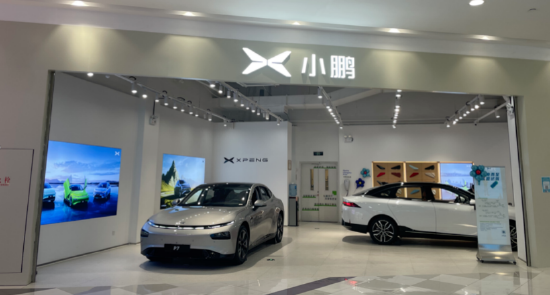
小鹏P7+被指设计缺陷:多车遇转向失灵,车主控诉“打胶”维修! | 次世代车研所
Xin Lang Ke Ji· 2025-07-09 00:22
Core Viewpoint - The recent issues with the Xiaopeng P7+ regarding steering failures have raised significant concerns among early adopters, highlighting potential design flaws and inadequate responses from the company [2][4][15]. Group 1: Product Issues - Numerous early adopters of the Xiaopeng P7+ have reported steering failures, with some experiencing complete steering loss while driving at high speeds, posing serious safety risks [2][8]. - The steering mechanism's waterproof design is reportedly flawed, leading to water ingress and subsequent short circuits in the steering system [4][12]. - Affected customers have formed a large group advocating for the recall of defective steering mechanisms and the replacement with new models [12][14]. Group 2: Company Response - Xiaopeng has not publicly addressed the steering issue, and service center staff have confirmed that similar problems have occurred with the P7+ [2][12]. - Current repair practices involve applying a structural adhesive to the steering mechanism, which is not specifically designed for waterproof sealing, raising concerns about its effectiveness [4][6]. - Customers have expressed dissatisfaction with the company's handling of the situation, feeling that they are being left to gamble on the reliability of their vehicles [13][15]. Group 3: Regulatory Context - According to the "Automobile Three Guarantees" regulations, consumers can request a replacement or refund for vehicles with significant defects within 60 days or 3,000 kilometers of purchase [12][14]. - If the same issue requires repair more than five times, consumers are entitled to a vehicle replacement [14]. - Many early adopters may have surpassed the initial warranty period, complicating their ability to seek replacements or refunds [14][15]. Group 4: Financial Performance - Despite the current challenges, Xiaopeng has seen a significant increase in vehicle deliveries, with a reported 330.8% year-on-year growth in the first quarter, totaling 94,000 vehicles [15]. - The company's revenue for the first quarter reached 15.81 billion yuan, a 141.5% increase year-on-year, although it still reported a net loss of 660 million yuan, narrowing by 51.5% [15].

新能源车屏幕坏了修不好 能退车吗?(新闻看法)
Ren Min Ri Bao· 2025-05-11 22:16
Core Viewpoint - The case highlights the importance of the multimedia screen in electric vehicles and the implications of its malfunction on vehicle safety and usability, leading to a legal dispute over the right to return the vehicle due to persistent issues with the screen [1][2]. Group 1: Case Background - A company purchased an electric vehicle from a service company and experienced repeated issues with the multimedia and passenger screens going black shortly after delivery [1]. - The company attempted repairs three times but continued to face problems, leading to a dispute over whether the vehicle could be returned [1]. Group 2: Court's Ruling - The court recognized that the malfunctioning screen could significantly impact the driver's ability to navigate, especially in unfamiliar areas, which poses safety risks [2]. - The court ruled in favor of the company, allowing the return of the vehicle and the refund of the purchase price, citing the persistent nature of the issue and the essential role of the screen in vehicle operation [2]. Group 3: Consumer Rights and Responsibilities - Consumers facing unresolved safety issues with vehicles after multiple repairs can seek legal recourse to confirm the extent of the faults and protect their rights [3]. - Automotive service providers are encouraged to address repair issues promptly and maintain clear communication with consumers, adhering to warranty regulations for returns or exchanges when necessary [3].