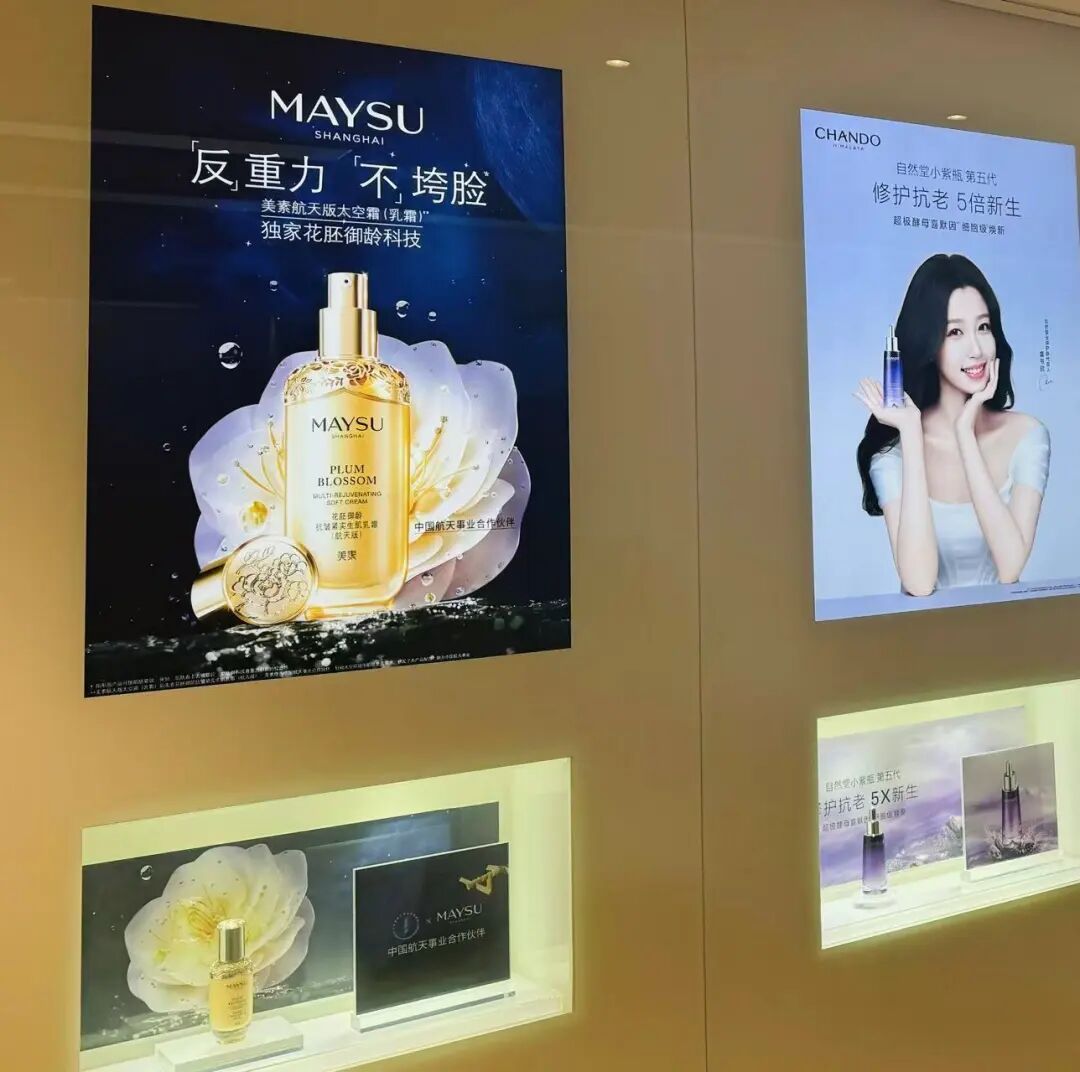
流量依赖

Search documents
壹点漫评|“保罗在美国”被禁言:莫让流量异化人性
Xin Lang Cai Jing· 2026-02-12 17:22
Core Viewpoint - The incident involving the influencer "Paul in America" highlights the ethical dilemmas and potential consequences of prioritizing content creation over personal privacy and emotional sensitivity during significant life events [1][2][3] Group 1: Content Creation and Ethics - The video that led to the influencer's ban showcased his wife's childbirth, which included sensitive moments that many viewers found inappropriate and exploitative [1] - The influencer's focus on capturing content during a critical and painful moment for his wife raised concerns about the erosion of personal boundaries in the pursuit of online fame [2] - The rise of short video creators in China, with an estimated 1.62 billion accounts and over 130 million videos uploaded daily, underscores the need for ethical considerations in content creation [2] Group 2: Impact of Social Media on Personal Relationships - The pressure to maintain a public persona as a content creator can lead to a disconnection from genuine human emotions and relationships, as seen in the influencer's actions [2] - The phenomenon of "displaying family pain" for views and engagement reflects a troubling trend in the self-media era, where personal suffering is commodified [2] - Creators are reminded that chasing trends and views may result in negative outcomes, such as account bans and damaged reputations, emphasizing the importance of maintaining personal integrity [3]
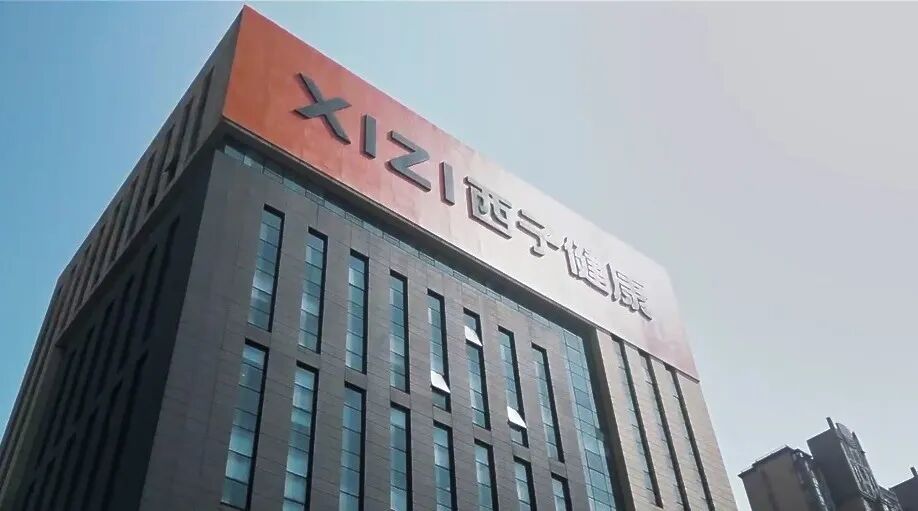
西子健康“狂奔”:99%收入靠线上、销售费用豪掷7.6亿,发明专利仅2项
Xin Lang Cai Jing· 2026-01-28 12:41
Core Viewpoint - Xizi Health, a company that has rapidly grown through live streaming, has submitted its IPO application to the Hong Kong Stock Exchange, achieving nearly 1.7 billion RMB in annual revenue within a few years. However, it faces significant challenges due to its heavy reliance on online traffic, a marketing-heavy approach with limited R&D, and dependence on contract manufacturing for core products [3][34]. Group 1: Business Model and Growth - Xizi Health has adopted a "traffic explosion + light asset contract manufacturing + multi-brand positioning" strategy, leveraging influencer marketing and traffic investment to quickly create popular products [4][38]. - The company has expanded its own brand matrix significantly since launching its first proprietary brand, fiboo, in 2021, followed by several others targeting different health segments [5][39]. - The four main brands cover women's nutrition, weight management, and sports health, with key products including iron gummies, meal replacement shakes, protein powders, and creatine [6][39]. Group 2: Financial Performance - Xizi Health's revenue has shown consistent growth, with projected revenues of 1.69 billion RMB in 2024, a 17% increase year-on-year, and 1.6 billion RMB in the first three quarters of 2025, reflecting a 23% growth rate [10][42]. - The company's net profit for 2023, 2024, and the first three quarters of 2025 is reported at 93.86 million RMB, 149.27 million RMB, and 118.48 million RMB respectively [11][43]. - The proportion of revenue from proprietary brands has increased significantly, from 42.4% in 2023 to 88.5% in 2024, indicating a shift towards greater business independence and profitability [10][42]. Group 3: Marketing and Sales Strategy - The company heavily relies on online channels for revenue, with online sales contributing 99.4%, 98.9%, and 98.9% of total revenue in 2023, 2024, and the first three quarters of 2025 respectively [17][19]. - Xizi Health's sales expenses have escalated, reaching 7.56 billion RMB in the first three quarters of 2025, which constitutes 47% of its revenue, highlighting the cost of maintaining its traffic-driven growth model [20][21]. Group 4: Challenges and Risks - The company faces significant risks due to its reliance on a few suppliers, with the top five suppliers accounting for 58.6%, 57.4%, and 45% of total procurement in 2023, 2024, and the first three quarters of 2025 respectively [27]. - Xizi Health's patent portfolio is weak, with only 2 out of 23 patents being invention patents, indicating a lack of core technology and substantial innovation [24][26]. - The company has received numerous complaints regarding product quality and marketing practices, which could undermine its brand reputation and customer loyalty [28].

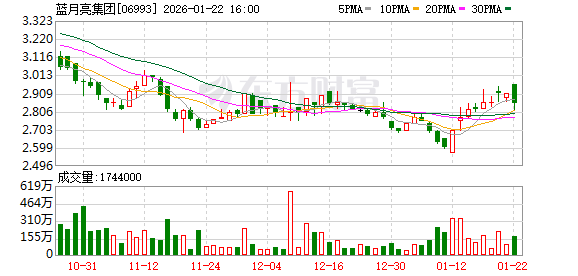
削减成本仍难扭亏 蓝月亮的“流量”之困
Xin Jing Bao· 2026-01-22 10:05
Core Viewpoint - Blue Moon Group Holdings Limited is expected to reduce its losses by at least 50% in 2025 compared to the previous year, driven by improved operational efficiency and successful channel strategy investments, although it still faces challenges in achieving profitability [2][3]. Financial Performance - In 2024, Blue Moon reported a revenue of approximately HKD 85.56 billion, a year-on-year increase of 16.8%, but also recorded a loss of HKD 7.49 billion, marking its first loss since going public [3][4]. - The company's sales and distribution expenses surged by 55.6% to HKD 50.49 billion in 2024, accounting for about 59% of its revenue [4]. Cost Management and Strategy - In 2025, Blue Moon has proactively reduced its sales and distribution expenses by 13.2% to HKD 19.1 billion, resulting in a 34.4% decrease in losses to HKD 4.35 billion in the first half of the year [6]. - The company has adjusted its sales strategies, focusing on e-commerce and live streaming to reach consumers more effectively, although this has led to a decline in online sales revenue by 8.9% in the first half of 2025 [8]. Channel Structure and Product Categories - As of the first half of 2025, Blue Moon's revenue from online sales decreased from 72.6% to 68.1%, while revenue from offline distributors increased from 23.2% to 27.6%, reflecting a shift towards a more balanced channel strategy [8]. - The company remains heavily reliant on its laundry care products, which accounted for 87% of total revenue, while personal and home care products contributed 7.1% and 5.9%, respectively [10]. Research and Development - Blue Moon's investment in research and development appears limited, with only HKD 45 million allocated for enhancing R&D capabilities, representing about 1% of its unutilized funds [12].
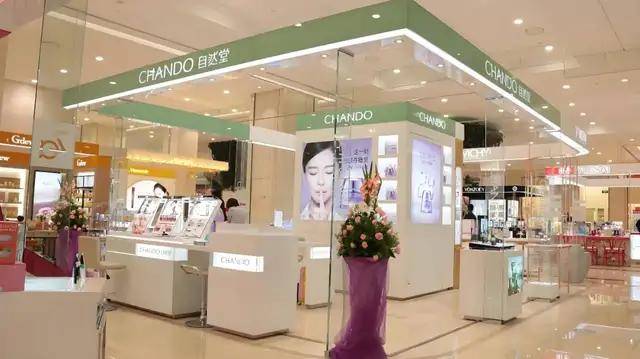
自然堂冲刺IPO,能否突破“流量依赖症”
Sou Hu Cai Jing· 2025-10-11 01:51
Core Viewpoint - Chando Global Holdings Limited has submitted its IPO application to the Hong Kong Stock Exchange, marking its entry into the capital market as China's third-largest domestic cosmetics group, aiming to raise funds for brand upgrading, technology research, and channel expansion [2] Company Structure - The company is characterized by a family-controlled governance model, with the founder Zheng Chunying and his siblings holding 87.82% of the voting rights, raising concerns about minority shareholder rights [2][6] - The board consists of nine members, with four executive directors from the Zheng family, indicating a high degree of control and decision-making concentration [6][8] Financial Performance - The company reported annual revenue exceeding 4.6 billion RMB, with a significant reliance on its main brand "Chando," which contributed approximately 95% of total revenue in recent years [8][10] - The gross profit margin for the first half of 2025 was 70.1%, lower than industry leaders, and the net profit margin stood at 7.8%, highlighting profitability challenges [12][13] Market Position and Challenges - The company faces structural risks, including an over-reliance on a single brand and insufficient development of its sub-brands, which collectively contribute less than 5% of total revenue [7][8] - The beauty industry is becoming increasingly competitive, with a shift towards technology-driven products, posing a challenge for Chando due to its lack of proprietary raw materials [10][12] Investment and Future Outlook - The company has attracted strategic investors, including a 300 million RMB investment from CVC Capital, but family control remains strong [6][13] - The ability to balance family governance with market-oriented management will be crucial for Chando's long-term competitiveness and investor appeal [6][13]
迟到两年!自然堂赴港上市,营销费占收入六成,研发短板难破流量依赖
Guo Ji Jin Rong Bao· 2025-09-30 16:41
Core Viewpoint - The long-anticipated IPO of Chando has finally materialized, with the company filing its prospectus with the Hong Kong Stock Exchange on September 29, 2023, after previous rumors in 2023 regarding its parent company, Jala Group, planning to raise up to $500 million [1]. Company Overview - Chando was founded in Shanghai by Zheng Chunying, who transitioned from a government job to entrepreneurship in the 1990s, establishing Jala Group and launching the Chando brand [4]. - The company has developed five major brands, including Chando, with a total of 522 SKUs priced between 49 yuan and 680 yuan [4]. Financial Performance - Revenue from Chando's brands for the years 2022 to 2024 is projected to be 4.292 billion yuan, 4.442 billion yuan, and 4.6 billion yuan, respectively [5]. - In 2024, Chando is expected to rank as the third-largest domestic cosmetics group in China, holding approximately 10.1% of the market share among the top five domestic brands [5]. Ownership Structure - The ownership of Chando is highly concentrated, with the founding family holding approximately 87.82% of the voting rights [6]. - Prior to the IPO, Chando secured investments from two investors, including 300 million yuan from JiaHua Capital for a 4.2% stake and approximately 443 million yuan from L'Oréal for a 6.67% stake, leading to a pre-IPO valuation of about 7.14 billion yuan [6]. Revenue Composition - Chando's revenue is heavily reliant on its flagship brand, with approximately 95% of total revenue coming from Chando itself during 2022 to 2024, indicating a significant imbalance in income sources [9]. - In the first half of 2025, Chando reported revenue of 2.448 billion yuan, with 94.9% derived from the Chando brand, while the other four brands contributed only 5% [9]. Marketing and Sales Costs - Chando's sales and marketing expenses have increased, reaching 2.717 billion yuan in 2024, which constitutes 59% of total revenue, marking a new high [9]. - In the first half of 2025, sales and marketing costs were 1.347 billion yuan, maintaining a similar proportion of 55% of total revenue [11]. Online Sales Dependency - Chando's online sales accounted for 68.8% of total revenue in the first half of 2025, with direct online sales exceeding 54.3%, indicating a strong reliance on online traffic [12]. - The company faces challenges in developing proprietary patented materials, which could hinder long-term growth and lead to a cycle of reliance on promotions and price reductions [12]. Inventory Management - As of the first half of 2025, Chando's inventory turnover days were 103.1, an improvement from 146.6 days in 2022 but still lagging behind competitors like Pechoin, which reported 81.35 days [12].