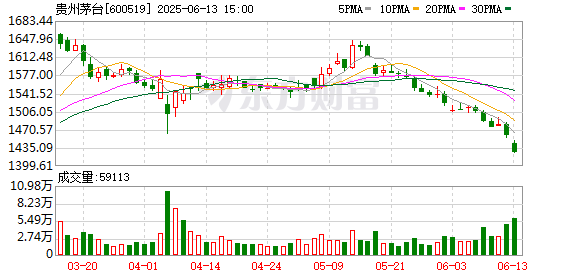
消费场景变革

Search documents
酒业遇冷并不奇怪, “老天爷赏饭”的时代该换玩法了
Sou Hu Cai Jing· 2025-11-24 07:37
Core Insights - The Chinese liquor industry is undergoing significant transformation due to structural contradictions that have emerged, particularly in the context of high inventory levels and changing consumer preferences [1][2][9] Group 1: Industry Challenges - The liquor industry is facing a surplus of production capacity that has not translated into market value, leading to high social inventory and a disconnect between production and actual consumption [2][4] - The traditional distribution model, characterized by a "press goods - collect payments" logic, is no longer sustainable, necessitating a shift towards a new collaborative model between manufacturers and distributors [5][8] - The average inventory turnover days in the industry are alarmingly high at 900 days, indicating inefficiencies in the supply chain [8] Group 2: Changing Consumer Behavior - Traditional consumption scenarios in the liquor industry, such as business banquets and gift-giving, are shrinking due to changing social norms and the rise of younger consumers who prefer casual drinking experiences [9][11] - Younger consumers are increasingly viewing traditional liquor brands as outdated, leading to a disconnect between the industry's offerings and the preferences of the new generation [15][18] - The success of brands like Bubble Mart highlights a shift in consumer values from status symbols to emotional connections, indicating a need for the liquor industry to adapt to these new consumer expectations [20][21] Group 3: Innovative Strategies - Leading liquor companies are beginning to explore new distribution strategies, such as trial sales and commission-based models, to better align with market demands and reduce inventory risks [7][8] - Innovative marketing approaches, such as integrating liquor into social and artistic experiences, are being adopted to attract younger consumers and create new consumption scenarios [13][14] - The industry's future growth lies in understanding and catering to the emotional needs of consumers, moving away from traditional identity-based marketing to a focus on lifestyle and personal experiences [21]

贵州茅台再调查:价格场景的“变”与“不变”
Di Yi Cai Jing· 2025-08-10 12:51
Core Insights - The Chinese liquor industry is experiencing accelerated differentiation due to generational shifts in consumption and macroeconomic fluctuations, with Moutai's price trends and sales dynamics being a key indicator of the market [1][3]. Pricing and Sales - The price of 53-degree Moutai has remained stable throughout the year, with regional price differentiation observed but an overall upward trend [3]. - Inventory levels for Moutai are reported to be healthy, with no signs of excessive stockpiling, particularly as the Mid-Autumn Festival approaches [4]. Consumption Scene Transformation - Moutai's consumption scenarios are shifting from business banquets to a more youthful demographic, reflecting broader trends in consumer demand and generational change [5]. - The proportion of government consumption has dropped from over 40% in 2012 to less than 1% in 2025, with business banquets, family gatherings, and personal consumption becoming the main market drivers [5]. - Young consumers, particularly those born in the 1980s and 1990s, are increasingly purchasing Moutai for its quality and brand reputation rather than just price [5]. - The "i Moutai" digital platform has significantly increased acceptance among younger consumers, with the young demographic now accounting for 45% of Moutai's customer base [5]. Service Model Adaptation - Moutai is adapting its service model to enhance consumer experience and brand loyalty, with initiatives like "Moutai Friends" tasting salons aimed at attracting younger consumers [6]. - The company has successfully transitioned from a dual-driven model of "government + business" to a multi-scenario approach that includes personal consumption [6]. Cultural and Global Narrative - Despite macroeconomic challenges, Moutai's strong brand power and unique product value mitigate the impact on high-end liquor consumption [7]. - Future growth points for the high-end liquor market are expected to focus on cultural IP and personalized customization, appealing to consumers' desires for uniqueness [7]. - Moutai is leveraging cultural elements and internationalization strategies, such as hosting events abroad, to enhance its global presence and appeal [9].

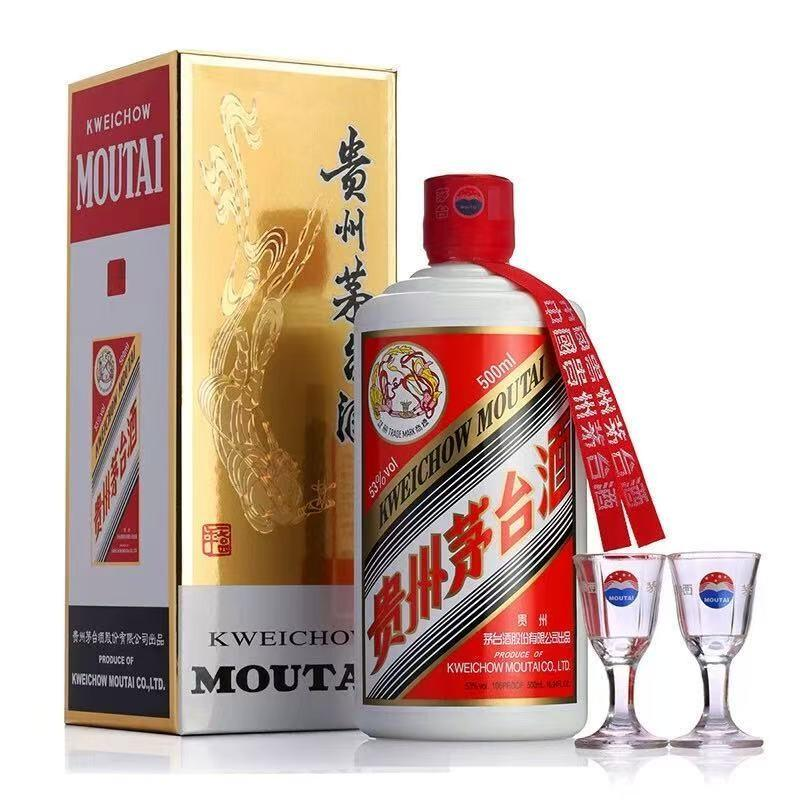
多地市场终端成交价企稳,茅台深层价值逻辑是什么?
Zhong Guo Jing Ying Bao· 2025-06-15 07:41
Core Viewpoint - The Chinese liquor industry, particularly the Moutai brand, is experiencing significant price fluctuations amidst a seasonal downturn and promotional activities, raising questions about the sustainability of its pricing and market dynamics [2][3]. Price Stability and Market Dynamics - The actual transaction price of Moutai in Henan is stabilizing around 2100 RMB per bottle, with some variations noted in different stores [2]. - The price fluctuations are attributed to the traditional summer off-season for liquor consumption and an ample market supply, leading to more accessible pricing [2]. - E-commerce platforms are engaging in aggressive price-cutting strategies, which some analysts view as unsustainable marketing tactics rather than genuine market pricing [3]. Changing Consumption Patterns - There is a notable increase in the opening rate of Moutai bottles, with 40% of bottles being opened at events like weddings, indicating a shift from investment and collection to consumption [4]. - The consumer base is evolving from high-end real estate developers to middle-class families, reflecting a broader market trend towards quality living [5]. Value Proposition and Brand Positioning - Moutai is transitioning from being viewed as a "circulation symbol" to a product meant for consumption, reinforcing its deep-rooted value logic [6]. - The brand's pricing resilience is linked to its quality barriers, which include a complex production process and a commitment to high-quality products [6]. - Moutai's scarcity is a critical factor in its value, with its annual production capacity being only 0.6% of China's total liquor output, emphasizing its unique geographical and cultural heritage [6]. Social Currency and Cultural Significance - Moutai retains its status as a "hard currency" in social settings, maintaining its irreplaceable role in high-end gatherings and cultural traditions [7].