深港科创合作

Search documents
这座一线城市,口岸区域有大动作
Sou Hu Cai Jing· 2025-12-24 21:19
Core Viewpoint - The Shenzhen Huanggang Port, the largest land port in China, will officially close its cross-border cargo transport channel on December 21, 2025, marking a significant shift in its operations from cargo to personnel clearance, while cargo operations will be transferred to other ports [2][3][6]. Group 1: Historical Significance and Current Operations - Huanggang Port has been a crucial part of Shenzhen's export-oriented economy, with peak cargo value reaching 3.1 trillion yuan, accounting for 10% of the national total [3]. - Even before its cargo operations cease, Huanggang Port maintained strong performance, with over 2 trillion yuan in cargo value and more than 1 million vehicle crossings in the first 11 months of 2025 [5]. Group 2: Strategic Reasons for Closure - The closure of the cargo channel is part of a broader strategy for "functional restructuring" and "strategic layout," initiated by the State Council's planning document in August 2023, which aims to eliminate the cargo inspection function at Huanggang Port [6][7]. - The closure will free up over 400,000 square meters of land in the Futian District, which will be repurposed for the development of the He Tao Shenzhen-Hong Kong Science and Technology Innovation Cooperation Zone [7]. Group 3: Economic Transition and Future Prospects - The transition reflects Shenzhen's shift from "scale expansion" to "quality enhancement," focusing on innovation and talent rather than traditional manufacturing [8][9]. - The repurposed land is expected to accommodate thousands of tech companies and research talents, generating economic value that surpasses the previous cargo operations [9]. - The closure will also optimize the cross-border logistics landscape, reducing traffic congestion in the city by redistributing cargo traffic to other ports [10][12]. Group 4: Overall Port Upgrades - The transformation of Huanggang Port is part of a city-wide upgrade of port functions, with a focus on converting traffic flow into economic growth [14]. - Shenzhen's total land port vehicle crossings reached 9.46 million in the first three quarters of 2025, a 16.24% increase year-on-year, indicating a growing demand for port services [14]. - The city is investing over 100 billion yuan in developing a world-class airport and port hub, enhancing its logistics and tourism sectors [14][15].

香港,又到了“拼经济”的时候?
创业邦· 2025-11-13 03:15
Core Insights - Hong Kong is shifting its focus from security to economic development, with a goal to enhance its international financial center status and stimulate economic growth [6][7][8] - The economy is heavily reliant on trade and financial services, each contributing around 20% to GDP, but these sectors alone may not suffice for future growth [8][9][11] - The need for technological innovation is emphasized as a new opportunity for Hong Kong, which has historically lagged in this area compared to other regions [13][17][18] Economic Performance - Hong Kong's economic growth rate is projected to decline from 3.2% in 2023 to 2.5% in 2024, with forecasts for 2025 ranging between 2% and 3% [7][8] - The city has lost its position as the world's largest container port, now ranking 11th, while neighboring ports like Shenzhen and Guangzhou have surpassed it [11][12] Technological Innovation - Hong Kong's R&D investment is low, at only 1.11% of GDP in 2023, compared to 2.2% in the EU and 3.59% in the US [18] - The lack of a robust mechanism for technology transfer and commercialization has hindered the growth of the tech sector [14][18] Infrastructure Development - The "Northern Metropolis" project aims to develop a new urban area that will focus on innovation and technology, with significant investment planned [21][22] - The government plans to issue bonds worth 150 billion to 195 billion HKD annually over the next five years to fund this initiative [22] Regional Integration - The "粤车南下" policy facilitates greater connectivity between Guangdong and Hong Kong, indicating a trend towards deeper integration with mainland China [24] - The collaboration between Hong Kong and Shenzhen is evolving from a one-way technology transfer to a more integrated partnership, leveraging each region's strengths [29][31]

深圳“超级口岸”45年进化之路
2 1 Shi Ji Jing Ji Bao Dao· 2025-08-27 03:33
Core Viewpoint - The development of Shenzhen's border ports, particularly the Luohu port, has transformed from a simple crossing point into a significant hub for trade and cross-border interactions between Shenzhen and Hong Kong, reflecting the deepening integration of the two regions over the past decades [2][4][5]. Group 1: Historical Context and Development - The Luohu port has evolved from a basic crossing established in the 1950s to a major entry point, with over 30 million travelers passing through in the first seven months of this year [4]. - Shenzhen's port infrastructure has expanded from two ports before the reform and opening up to 16 major ports today, covering land, sea, and air [2][4]. - The establishment of the Qianhai Shenzhen-Hong Kong Modern Service Industry Cooperation Zone in 2010 marked a significant step in deepening cooperation between Shenzhen and Hong Kong [7]. Group 2: Economic Impact and Trade - The daily average of travelers crossing the Shenzhen-Hong Kong land ports is projected to exceed 600,000 by 2024, with a peak of 1.02 million recorded on August 16 this year [5]. - The trade volume between Shenzhen and Hong Kong has surged from 70.17 billion yuan in 1997 to 701.48 billion yuan in 2024, with Hong Kong being Shenzhen's second-largest trading partner [5]. - The Qianhai Free Trade Zone has seen its foreign trade value increase from 71.2 billion yuan in 2015 to 537.98 billion yuan in 2024, showcasing a 7.5-fold growth [7][8]. Group 3: Future Developments and Strategic Planning - The future development strategy for Shenzhen includes upgrading old ports and clarifying the roles of various ports to enhance the flow of people, goods, and capital between Shenzhen and Hong Kong [5][9]. - The Luohu district aims to create a "deep integration development pilot zone" focusing on strategic emerging industries such as artificial intelligence and life sciences [9]. - The establishment of the He Tao Shenzhen-Hong Kong Science and Technology Innovation Cooperation Zone is expected to further enhance cross-border collaboration in research and development [8][9]. Group 4: Infrastructure and Connectivity - Shenzhen's port infrastructure supports its position as a major trade hub, with the port handling over 250.97 million tons of foreign trade goods in 2024, accounting for nearly 80% of the total cargo throughput in Guangdong province [11][12]. - The Saltian Port has expanded its international shipping routes, with over 800 international flights weekly from Shenzhen Bao'an International Airport, enhancing global connectivity [12][13]. - The ongoing development of new ports and the expansion of existing ones are crucial for Shenzhen's strategy to strengthen its global economic ties and attract foreign investment [11][12].
珠海机器人攻关资助最高3000万元;李家超希望加快发展香港北部都会区丨大湾区财经早参
Mei Ri Jing Ji Xin Wen· 2025-05-29 15:08
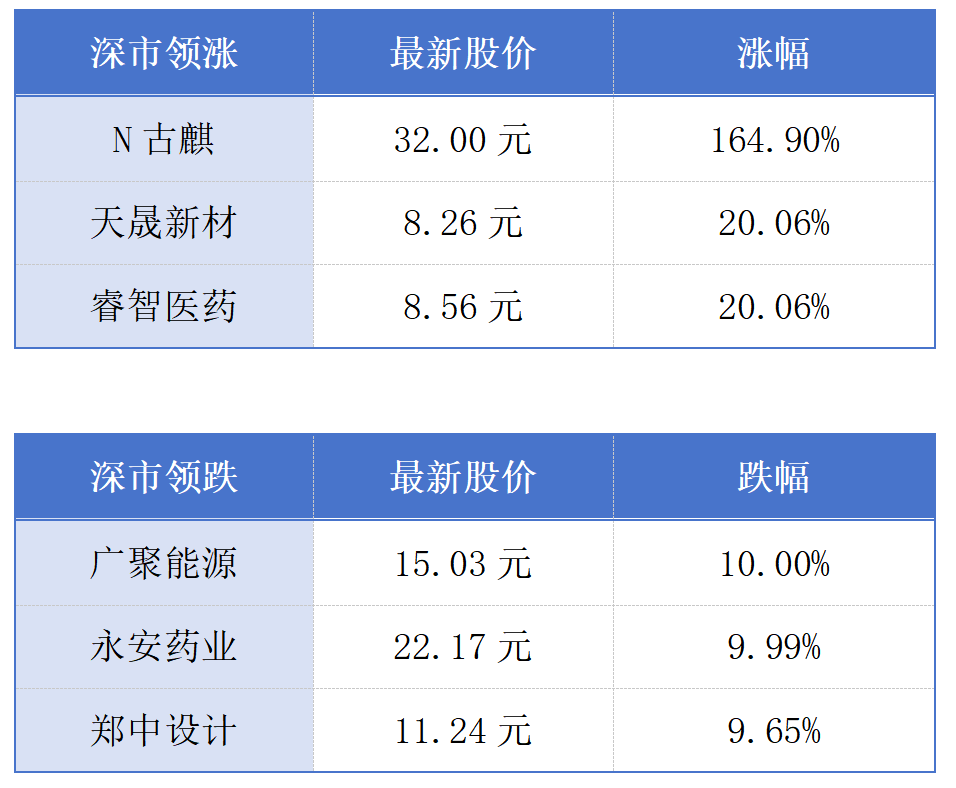
Group 1: Robotics and AI Development in Zhuhai - Zhuhai government offers up to 30 million yuan in funding for key core technology breakthroughs in robotics [1] - The policy encourages the establishment of innovation centers and provides up to 10 million yuan for robot data training facilities [1] - Zhuhai aims to accelerate the construction of an AI and robotics industry hub, potentially becoming a demonstration window for technological innovation in the Greater Bay Area [1] Group 2: Development of Northern Metropolis in Hong Kong - Hong Kong Chief Executive John Lee expresses urgency in accelerating the development of the Northern Metropolis [2] - Discussions with legislators focus on attracting businesses, enhancing interaction with mainland China, and construction progress [2] - The Northern Metropolis is seen as a new engine for economic growth in Hong Kong through deepening cooperation in science and technology with Shenzhen [2] Group 3: Tourism Growth in Macau - Macau's inbound tourist numbers in April increased by 12.1% year-on-year to 204,000 [3] - Hotel occupancy rates rose by 4.7 percentage points to 87.8%, with guest numbers increasing by 3.4% to 1.199 million [3] - The average length of stay remained stable at 1.6 nights, indicating positive trends in the tourism sector [3][4] Group 4: Agricultural Developments in Shenzhen - In Shenzhen, 99 century-old lychee trees were successfully auctioned for harvesting rights and naming rights [5] - The lychee planting area in Nanshan District is 22,500 acres, with an estimated production of 5,000 tons this year [5] - Bidders gain multiple benefits, including economic and cultural rights, enhancing the value of agricultural products [5] Group 5: Shenzhen Stock Market Performance - Shenzhen Component Index closed at 10,127.20 points, up 1.24% [6] - Notable gainers include N Guqi with a 164.90% increase and Tian Sheng New Materials with a 20.06% rise [7] - Decliners include Yiju Energy down 10.00% and Yong'an Pharmaceutical down 9.99% [7]