渠道医美

Search documents
帮助用户辨别渠道医美, 美团发布“渠道医美避坑指南”
Zhong Guo Zhi Liang Xin Wen Wang· 2025-11-24 12:24
Core Insights - Recent reports by CCTV have highlighted issues in the "channel medical beauty" sector, where consumers are referred to medical beauty institutions through intermediaries like beauty salon staff, leading to high commission payments and potential risks to consumer safety [1][2]. Group 1: Industry Issues - The "channel medical beauty" model is characterized by high commission rates, often resulting in inflated service prices, with some procedures marked up from 10,000 to 30,000 [1]. - There are significant concerns regarding the qualifications of personnel performing medical procedures, with unqualified individuals potentially using counterfeit or substandard products, jeopardizing consumer safety [1]. - Some intermediaries may refer consumers to institutions lacking proper medical qualifications, further endangering consumer interests and safety [1]. Group 2: Company Initiatives - Meituan Medical Beauty has launched a "channel medical beauty avoidance guide" to help consumers navigate these risks, promoting direct customer acquisition models and compliance within the industry [2]. - The "放心美" (Safe Beauty) project by Meituan has provided over 10 million verification services and installed more than 5,000 self-developed AIoT verification devices across 2,300 medical beauty institutions in 126 cities by October 2025 [2]. - Consumers are encouraged to verify the qualifications of medical institutions and practitioners, and to choose those with the "放心美" label or those listed on the "北极星医美榜" (North Star Medical Beauty List), which features only 152 institutions and 240 doctors nationwide as of 2025 [2][4].



“我们很专业,但证是自己印的” 记者揭秘渠道医美乱象
Sou Hu Cai Jing· 2025-11-02 07:08
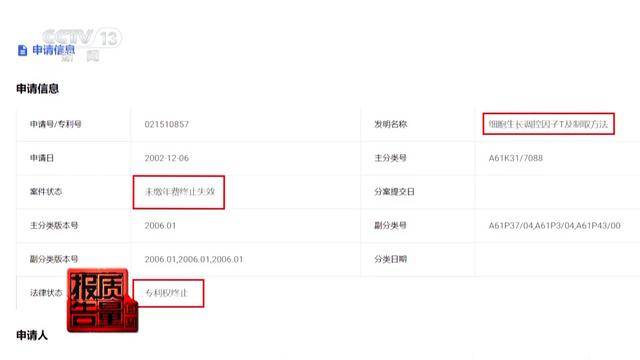
Core Insights - The article highlights the issues and risks associated with the "channel medical beauty" model, where medical beauty institutions rely on intermediaries for customer acquisition, often leading to high commission fees and potential misrepresentation of services [1][28]. Group 1: Company Operations - Shenzhen Jiexika Medical Health Industry Group is actively recruiting agents nationwide, with over 200 branches established across 27 provinces [1]. - The company claims an annual revenue of approximately 10 to 20 billion [1]. - The channel manager indicates that the commission rate for intermediaries typically ranges from 50% to 55% for outstanding performance [2]. Group 2: Product Claims and Legal Issues - Jiexika promotes a high-end project called "Slimming Health," claiming a 70% repurchase rate and exclusive rights to the "NCGCF Cell Regulation Factor" technology [2]. - Investigations reveal that the patents related to "NCGCF" are either expired or were rejected, indicating that the claims of exclusive patent ownership are misleading [3][5]. - Legal experts assert that the company's marketing practices constitute false advertising and unfair competition under Chinese law [5]. Group 3: Marketing Practices and Consumer Experience - The article describes a trend of excessive marketing and service imbalance in channel medical beauty, where institutions prioritize short-term profits over quality service [26][28]. - In Wuhan's "Yue Ta" medical beauty clinic, male consultants are employed to attract female customers, and there are reports of unqualified personnel performing procedures without proper medical oversight [6][9]. - Membership systems are in place, with consumers expressing regret over high membership fees, indicating potential traps in the marketing strategy [11]. Group 4: Regulatory Environment and Recommendations - Experts emphasize the need for a regulatory framework specific to the medical beauty industry to address the lack of standards and oversight [29][30]. - Recommendations include implementing a "挂牌亮证" (displaying qualifications) system to verify the credentials of medical beauty consultants and enhancing regulatory enforcement against false advertising and excessive commissions [30][32]. - The article concludes that the medical beauty industry should prioritize safety and quality over profit-driven motives to ensure consumer trust and industry integrity [32].