牛市踏空

Search documents
牛市最大风险不是亏损,而是这个!
Sou Hu Cai Jing· 2025-11-14 16:50
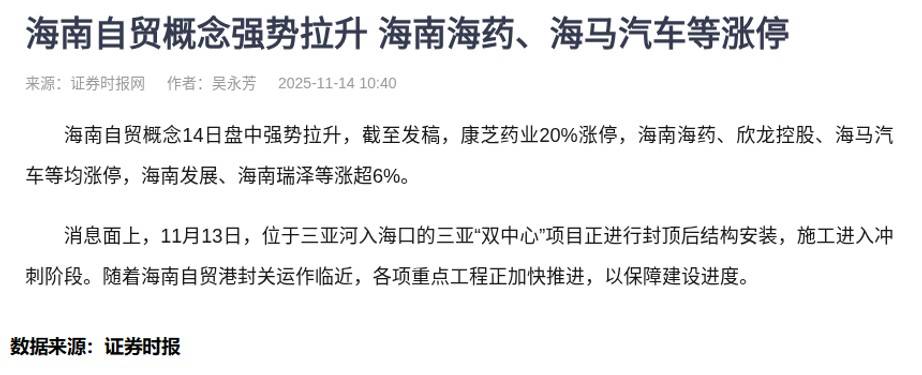
Group 1 - The core viewpoint of the article highlights the impact of policy announcements on stock prices, particularly in the Hainan sector, where stocks surged following the news of the Sanya "dual center" project completion [3] - The article discusses the phenomenon of missing investment opportunities during a bull market, emphasizing that the most frustrating experience is not losing money but rather watching good stocks rise without taking action [4] - It points out that many investors often rely on historical price trends to make decisions, which can lead to missed opportunities as current market sentiment drives stock prices [6] Group 2 - The article emphasizes the importance of understanding market behavior rather than focusing solely on price levels, suggesting that subjective perceptions of high or low prices can be misleading [7] - It illustrates how institutional investors often position themselves ahead of retail investors, highlighting the need for retail investors to be aware of institutional activity to avoid chasing prices [9] - The concept of market consensus is discussed, explaining that the belief in the value of assets like gold and Bitcoin drives their prices up, indicating that a bull market is characterized by strengthening consensus among investors [10][12] Group 3 - The article provides three keys to overcoming psychological barriers in investing: letting go of fear of heights, focusing on market behavior rather than news, and using data to inform decisions instead of relying on gut feelings [13] - It suggests that the future of the Hainan sector, driven by policies like duty-free and commercial aerospace, should be evaluated based on institutional inventory data to gauge market activity [14] - The article concludes by advocating for the use of quantitative tools to monitor market trends, emphasizing that following institutional investors can be more beneficial than relying on traditional analysis methods [15]


牛市踏空比亏钱更痛苦?投资焦虑如何侵蚀一个家庭
Hu Xiu· 2025-09-03 03:42
Group 1 - The core viewpoint of the article highlights the psychological distress experienced by investors during a bull market, particularly the feeling of missing out on potential gains while others profit significantly [1][2][3] - The phenomenon of "loss aversion" is discussed, where the pain of not earning expected profits is perceived as a loss, leading to heightened anxiety among investors [3][4] - Social comparison plays a significant role in exacerbating this anxiety, as investors often compare their performance with others, leading to feelings of inadequacy and frustration [5][6] Group 2 - The article explains "hindsight bias," where investors regret missed opportunities, believing they should have predicted market movements, which intensifies their emotional distress [7][8][9] - The "kick-the-cat effect" is introduced, illustrating how negative emotions from investment losses can spill over into personal relationships, particularly affecting family dynamics [10][11][12] - Attention resource theory suggests that excessive focus on investments can detract from family time, leading to strained relationships due to reduced quality interactions [13][14] Group 3 - The article emphasizes the need for setting boundaries between investment activities and family life to maintain harmony and reduce stress [18] - It encourages investors to adjust their perceptions of missed earnings, recognizing that not earning a profit does not equate to a loss, thereby alleviating anxiety [19][20] - Open communication with partners about investment-related feelings is recommended to share burdens and foster understanding, which can help mitigate emotional strain [21][22]
核心产品净值仅剩7毛钱,昔日“公募一哥”任泽松怎么了?牛市踏空真相曝光
3 6 Ke· 2025-08-21 09:42
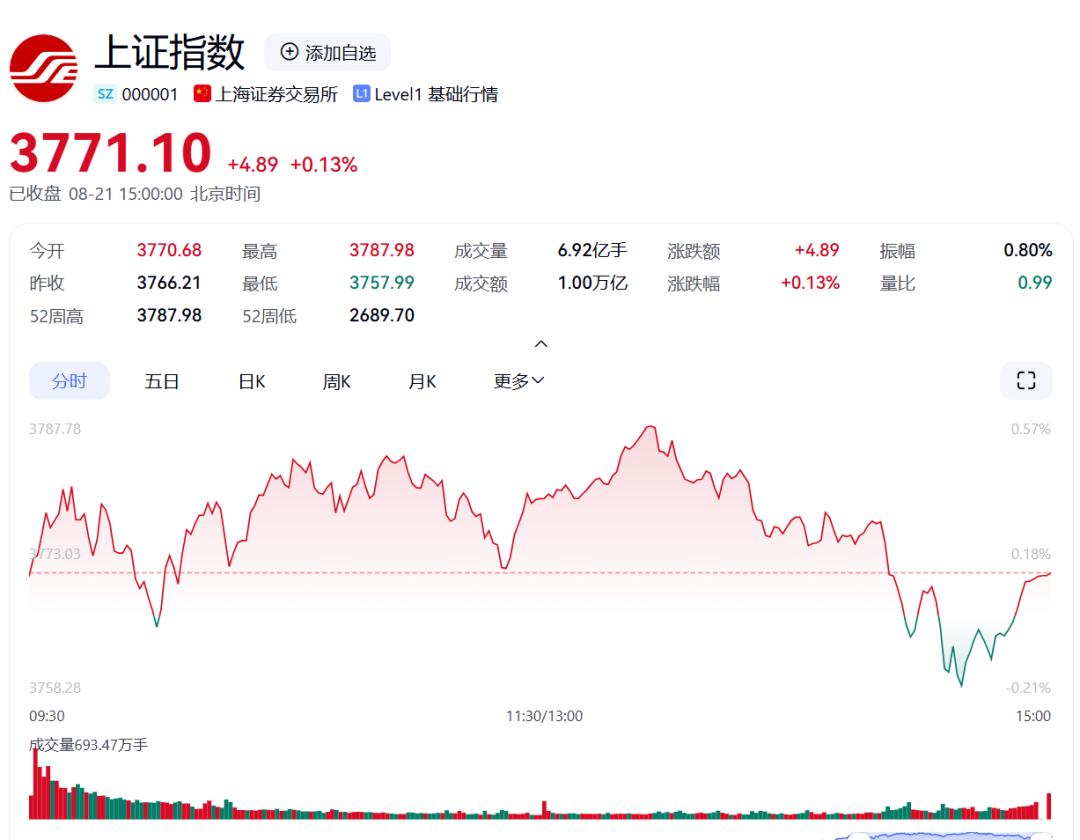
Core Viewpoint - The A-share market is experiencing a bull market, with the Shanghai Composite Index approaching 3790 points, yet some prominent investors are missing out on this opportunity, leading to discussions about "missing the bull market" among investors [1][9]. Group 1: Performance of Key Fund Managers - Ren Zesong, a former top public fund manager, has seen his product "Jiyuan-Xiangrui No. 1" decline in value, with a unit net value of only 0.7370 yuan as of August 15, 2025, representing a nearly 26% decrease since its inception in May 2016 [3][4][7]. - Despite a strong market performance, Ren Zesong's other private fund products have not been publicly disclosed, and his investment style has shown significant volatility since transitioning to private equity [4][8]. - The performance of Ren Zesong's fund has been particularly poor during the recent bull market, contrasting sharply with the overall positive performance of private equity funds in 2025 [9][10]. Group 2: Market Trends and Investor Behavior - The overall private equity market has performed well in 2025, with an average return of 11.94% for 11,880 private equity securities products, and 86.97% of these products achieving positive returns [9]. - The bull market has been driven by various factors, including policy changes and market expectations, but some fund managers have failed to adapt their strategies, leading to missed opportunities [10][11]. - The current bull market is characterized by a focus on technology, high-end manufacturing upgrades, and consumer recovery, with a shift in capital towards new sectors [10][11].