独立储能

Search documents
独立储能:何以独立,何以稳赢?
中关村储能产业技术联盟· 2026-03-26 05:54
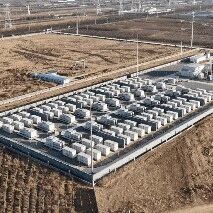
Core Viewpoint - Independent energy storage has evolved from being merely a large charging station next to renewable energy sites to a critical component that must demonstrate its commercial viability and value over a 20-year lifecycle [4][31]. Group 1: Value of Independent Energy Storage - The value of independent energy storage is rooted in addressing three fundamental issues in the power system: time mismatch, space mismatch, and capability mismatch [4][6][7]. - Time mismatch arises as renewable energy generation peaks during low-demand periods, leading to price fluctuations that independent storage can exploit through peak-valley arbitrage [5]. - Space mismatch occurs when renewable energy generation sites are far from load centers, causing energy wastage; independent storage can buffer this by storing energy locally [6]. - Capability mismatch is due to traditional power sources' slower response times compared to the rapid fluctuations of renewable energy; independent storage can respond in milliseconds to maintain grid stability [7]. Group 2: Revenue Sources for Independent Energy Storage - Revenue sources for independent energy storage are becoming clearer, including: - Spot market arbitrage, which can yield approximately 35 million yuan annually for a 100MW/400MWh station based on projected market conditions [11]. - Capacity compensation, providing a stable income of around 10 million yuan annually if the station meets availability standards [11]. - Auxiliary services, which are expected to generate an additional 4-6 million yuan annually once market rules are fully established [11]. - Capacity leasing, which has uncertain future revenue due to changes in policy regarding mandatory storage for new projects [12]. Group 3: Project Design and Operational Strategy - The design of the Longteng Station addresses the three identified pain points, ensuring it is optimally located and configured to maximize its operational value [9][10]. - The project employs a modular design with independent operational units, allowing for high availability and minimal downtime during maintenance [18][21]. - Advanced thermal management strategies are implemented to extend battery life and maintain capacity, which is crucial for long-term profitability [19][21]. Group 4: Comprehensive Lifecycle Support - The company offers a full lifecycle support model, assisting clients from project financing to operational management and eventual asset exit strategies [22][30]. - This approach includes tailored investment calculations, project execution, and ongoing operational optimization using AI and big data [24][26][29]. - The goal is to ensure that every aspect of the project contributes to maximizing returns over its 20-year lifespan, addressing potential pitfalls at each stage [30][31].

协鑫能科(002015) - 2026年3月19日投资者关系活动记录表
2026-03-19 11:46
Group 1: Company Overview and Current Operations - The company has operational energy storage capacity totaling 840.54 MW, including 800 MW for grid-side storage and 40.54 MW for user-side storage [2] - The company has sufficient project reserves and strong financial backing, anticipating dual breakthroughs in scale and efficiency with the implementation of capacity pricing policies [2] Group 2: Independent Energy Storage Projects - The operational model for independent energy storage projects varies by region, with Jiangsu focusing on peak-valley price differences and Guangdong on frequency regulation services [3] - The overall revenue levels for the company's projects are good, with a stable return expected through a combination of capacity pricing and market efficiency, even as subsidies decline [3] Group 3: Future Revenue Expectations - Future revenue predictions for independent storage are based on three core factors: regional resource endowments, capacity pricing policies providing a safety net, and the ability to engage in market transactions [4] - The industry is expected to enter a new phase characterized by regional differentiation, policy support, and competitive capabilities [4] Group 4: Competitive Advantages - The company has strategically positioned itself in high marketization areas like Guangdong and Jiangsu, where demand for frequency regulation is strong [5] - The revenue model for storage systems has evolved from simple peak-valley arbitrage to a diversified structure including energy trading, auxiliary services, and capacity value [5] - The company plans to leverage its AI virtual power plant platform to optimize trading strategies and enhance responsiveness, ensuring stable returns in a diversified market [5]

超1GWh!阳光、远东锁单,这一地储能火了
行家说储能· 2026-03-17 04:53
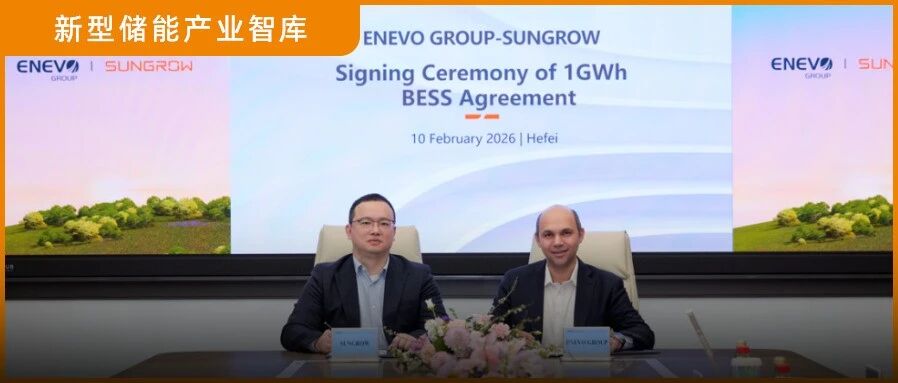
Core Viewpoint - The article highlights the growing opportunities in the energy storage market in Romania, driven by significant market demand and supportive policies, positioning Romania as a strategic hub for Chinese companies in Eastern Europe [2][11]. Group 1: Company Developments - Sungrow Power Supply Co., Ltd. signed a battery storage supply agreement with Romanian contractor Enevo Group to provide a total of 1GWh of PowerTitan 2.0 storage systems, with the first phase involving a 440MWh project to be delivered by December 2026 [3][6]. - Far East Holding Group signed a framework cooperation agreement with Romanian WD Company, focusing on energy storage and cable projects, indicating a strategic partnership in the European energy market [8][10]. - The total scale of renewable energy projects under construction by Enevo Group exceeds 1.5GW, with storage system capacity exceeding 1GWh [6]. Group 2: Market Trends and Projections - Romania's energy market has experienced significant price fluctuations, with daytime solar generation leading to negative prices and peak evening prices reaching 865 lei (approximately 173 euros) per MWh, underscoring the urgent need for energy storage solutions [11]. - The Romanian energy regulatory authority anticipates that installed storage capacity could reach 2000MW by 2026, indicating a rapid deployment phase for energy storage systems [12]. - The Romanian government plans to invest 150 million euros to support independent battery storage system construction, with a target of adding at least 2174MWh of battery storage capacity [13]. Group 3: Investment and Financing - Various independent power producers (IPPs) have announced significant investment plans in Romania, including Mass Group's 1 billion euro investment for a 2.5GW battery storage system [15]. - The collaboration between EPC company Metlen and Greece's PPC Group aims to develop a total of 1.5GW/3GWh of storage projects across Romania, Bulgaria, and Italy [15]. - Beijing Keri plans to invest approximately 4.95 million euros to acquire 100% of Greenet Plant S.R.L. and develop a 99MW/198MWh storage project in Romania [15].

海博思创:新模式+运维打造国内储能龙头,海外加快布局提升成长空间-20260310
Soochow Securities· 2026-03-10 02:24
Investment Rating - The report maintains a "Buy" rating for the company [1] Core Views - The company is positioned as a leading provider of energy storage system solutions in China, focusing on the integration of electrochemical energy storage systems. The shift towards market-driven business models is expected to drive significant revenue growth [7][12] - The company is benefiting from a dual growth engine: domestic independent storage demand and overseas market expansion, with a projected revenue increase of 40% in 2025 [7][12] - The company aims to transition from a device supplier to a full-chain operational service provider, enhancing profitability through deep integration with upstream and downstream partners [7][12] Summary by Sections 1. Company Overview - The company has a stable control structure with the actual controller holding 23.93% of shares, ensuring consistent governance [12] - The management team possesses strong technical backgrounds, with many members having studied at prestigious institutions [15] 2. Short-term Growth Drivers - Domestic policies are driving a surge in energy storage demand, with a projected 303.8 GWh of national storage bidding in 2025, a 76% year-on-year increase [7][32] - The company has established a significant presence in overseas markets, with plans for rapid growth in shipments, targeting 300 GWh from 2026 to 2028 [7][12] 3. Mid-term Business Model Transition - The company is shifting its business model from "selling devices" to "selling returns," focusing on sustainable service revenue through financial integration [7][12] - The integration of AI technology is expected to enhance operational efficiency and create new value-added services [7][12] 4. Financial Projections - The company forecasts a net profit of 9.5 billion, 18.4 billion, and 31.8 billion yuan for 2025, 2026, and 2027 respectively, with corresponding P/E ratios of 44x, 22x, and 13x [1][7] - The target price for the company's stock is set at 353 yuan, based on a 20x P/E ratio for 2027 [7][12]
如何理解当下基本面压力与预期差-重视低估值绿电运营商
2026-03-06 02:02
Summary of Key Points from Conference Call Records Industry Overview - The conference call focuses on the green electricity (green power) sector, specifically discussing the valuation and operational performance of green electricity operators, with a particular emphasis on Longyuan Power. Core Insights and Arguments - **Valuation Levels**: Green electricity operators are currently valued at historical lows, with Longyuan Power's price-to-book (PB) ratio below 0.8, reflecting the market's anticipation of declining electricity prices and the withdrawal of tax incentives, such as the cancellation of the VAT refund for onshore wind power, which impacts the internal rate of return (IRR) by approximately 0.4 percentage points [1][2]. - **Cash Flow Improvement**: The acceleration of subsidy payments is expected to enhance cash flow. Longyuan Power's operating cash flow for the first three quarters of 2025 is projected to increase by 6 billion yuan year-on-year, potentially rising from 17 billion yuan to 24-25 billion yuan if subsidy recovery normalizes, aligning with capital expenditures [1][8]. - **Independent Storage Capacity Policy**: The implementation of independent storage capacity pricing policies is anticipated to boost the profitability of green electricity by enhancing the overall pricing of wind and solar power through peak shaving and valley filling, with a significant increase in new storage tenders expected [1][10][11]. - **Green Certificate Market**: The environmental value of green certificates is expected to be released more rapidly, with a projected 108% year-on-year increase in trading volume for 2025. If green certificates are integrated into carbon emission accounting, demand and price levels could significantly rise [1][12][13]. - **Supply and Demand Dynamics**: A marginal improvement in the supply-demand balance is anticipated, with electricity consumption growth expected to be around 4%-5% in 2026-2027. If new electricity generation is primarily from wind and solar, the utilization hours are likely to stabilize, leading to a profit growth forecast of 7%-8% for Longyuan Power [1][12]. Additional Important Insights - **Investment Return Rates**: Incremental projects in onshore wind power show an IRR of approximately 6.2%, with equity IRR around 10.9%, which is more favorable compared to solar projects [2][17]. - **Impact of Tax Policy Changes**: The cancellation of the 50% VAT refund for onshore wind power starting November 2025 is expected to reduce project IRR by about 0.4 percentage points and decrease profit per kilowatt-hour by approximately 0.01 yuan [4]. - **Subsidy Arrears**: The total subsidy arrears in the sector are estimated to be between 650 billion to 700 billion yuan, with a peak expected around 2030 if the current disbursement pace continues [6]. - **Debt and Cash Flow Constraints**: The subsidy arrears are increasing the proportion of accounts receivable to net assets, creating financial pressure. For Longyuan Power, accounts receivable are projected to account for over 70% of net assets by 2025, with operating cash flow not covering debt repayment and new capacity construction needs [7]. - **Future Electricity Demand and Wind/Solar Installations**: Projections indicate that electricity demand will grow by about 4% annually, with wind and solar installations expected to reach approximately 250 GW in both 2026 and 2027 [12]. - **Green Certificate Trading Dynamics**: The trading volume of green certificates is expected to reach approximately 930 million units in 2025, with prices significantly increasing in the second half of the year, reflecting a potential tightening of supply and increased demand if integrated with carbon market accounting [13][14]. - **Investment Recommendations**: The recommendation is to continue favoring undervalued green electricity operators like Longyuan Power and to consider wind power operators with regional advantages in Southeast coastal areas [18].

政策持续引爆独立储能江湖|独家
24潮· 2026-03-01 23:03
Core Viewpoint - The independent energy storage sector is entering a period of explosive growth due to policy changes and market dynamics, with independent storage expected to dominate new electrochemical storage applications in China by 2025 [2][3]. Policy Impact - The cancellation of mandatory energy storage requirements has led to independent storage accounting for 61% of new installations by mid-2025, with a projected cumulative operational capacity of 42.9 GW, representing 56.6% of total electrochemical storage [2]. - A new policy effective January 27, 2026, will incorporate independent storage into the generation-side capacity pricing mechanism, potentially enhancing investment value and growth trajectories for independent storage projects [2][3]. Revenue Mechanisms - The strategic significance of the new capacity pricing mechanism lies in institutionalizing revenue sources linked to "capacity contribution," providing more stable income and clearer accounting standards for independent storage [3]. - Capacity compensation and peak-valley arbitrage are identified as the primary revenue sources for independent storage projects, accounting for approximately 30% and 65% of total income, respectively [8]. Regional Policy Variations - Various provinces have implemented distinct capacity pricing compensation mechanisms, including reliable capacity compensation (Gansu, Ningxia), capacity pricing mechanisms (Hubei, Hebei), and discharge volume compensation (Inner Mongolia, Xinjiang) [8][9]. - The compensation standards vary significantly across provinces, with Gansu's capacity pricing set to reach 330 yuan/kW·year by 2026, while other provinces like Ningxia and Hebei have lower standards [9][10]. Investment Viability - Independent storage projects in regions with capacity compensation, such as Inner Mongolia, show higher investment viability, with projected internal rates of return (IRR) of 7.3% to 9.0% based on different compensation scenarios [10][12]. - Gansu, Xinjiang, and Hebei are also expected to achieve IRR of 5% or higher due to favorable capacity pricing and arbitrage opportunities [12][21]. Future Trends - The independent storage sector is anticipated to transition into a long-duration storage era, driven by the increasing share of renewable energy in the energy mix, necessitating storage solutions with longer durations [22][23]. - By 2025, it is projected that long-duration storage (4 hours or more) will account for 21% of the market, with significant growth expected in subsequent years [23]. Technological Considerations - The industry is at a critical juncture for technological advancements, with various storage technologies like pumped hydro, compressed air, and liquid flow batteries being evaluated for their suitability in long-duration applications [24][25]. - The focus on safety, cost, scalability, and environmental sustainability will be crucial for the successful deployment of long-duration storage technologies [24].
定义独立储能价值标杆:海博思创如何用酒泉项目给出系统性答案
鑫椤储能· 2026-02-26 06:46
Core Viewpoint - The article emphasizes the significant growth potential of China's independent energy storage market, driven by new regulatory frameworks and increasing demand for renewable energy integration [4][5][6]. Group 1: Market Dynamics - The National Development and Reform Commission and the Energy Administration of China have introduced a new pricing mechanism for independent energy storage, which is expected to stimulate market growth [4]. - Morgan Stanley predicts a decade-long "super growth cycle" for China's energy storage sector, with project applications increasing by 343% year-on-year, reaching 4,204 projects and over 517.75 GWh of capacity by November 2025 [6][7]. - Independent storage projects account for 93.2% of this growth, indicating a shift towards standalone energy storage solutions [7]. Group 2: Strategic Importance of Independent Storage - The article outlines two critical shifts in the energy storage sector: moving from supportive roles to independent market participation and transitioning from cost considerations to asset valuation [9]. - The Gansu Jiuquan 250MW/1000MWh independent storage project serves as a key example of how strategic placement can enhance grid stability and energy utilization [10][12]. - The project addresses the bottleneck in Gansu's power transmission, which is crucial for alleviating congestion and improving renewable energy consumption [20][22]. Group 3: Revenue Models - The revenue model for independent storage in Gansu is based on a combination of spot market trading, frequency regulation services, and capacity payments, creating a diversified income structure [32][38]. - The introduction of the "114 document" has established a clear pricing mechanism for the stability and availability of energy storage, enhancing its economic viability [30][31]. - The project's internal rate of return (IRR) has met initial targets, attracting significant interest from financial institutions [38]. Group 4: System Engineering and Operational Efficiency - The article highlights the importance of a comprehensive system engineering approach to ensure the long-term performance and reliability of energy storage systems [42][55]. - The Gansu project utilizes advanced liquid cooling technology to maintain optimal performance under extreme temperature conditions, thereby extending the lifespan of the storage system [46][52]. - The integration of AI in operational management enhances predictive capabilities for electricity trading and optimizes system efficiency, ensuring sustained profitability [60][67]. Group 5: Future Outlook - The article concludes that independent energy storage is becoming a core infrastructure for supporting large-scale renewable energy development in China, moving away from reliance on traditional subsidies [71][75]. - The strategic vision of companies like Haibo Shichuang is to evolve from mere storage solution providers to comprehensive energy service providers, indicating a broader market transformation [74][75].

国内储能篇-政策催化下独立储能放量-关注-十五五-电费收支平衡与顶层电价机制
2026-02-13 02:17
Summary of the Conference Call on Independent Energy Storage in China Industry Overview - The conference call focused on the independent energy storage sector in China, highlighting the impact of national policies on the market dynamics and growth potential of the industry [2][3][14]. Key Points and Arguments 1. **National Capacity Pricing Mechanism**: A nationwide independent energy storage capacity pricing mechanism has been introduced, clarifying market expectations for 2026 and stimulating demand across the industry chain. However, provincial implementation details and peak-valley price differences will significantly affect storage profitability [2][3][14]. 2. **Renewable Energy Demand**: The demand for renewable energy consumption is substantial, with an expected addition of 250 GW of wind and solar capacity over the next five years, leading to a resource adjustment gap of approximately 300-350 GW, which corresponds to a required storage capacity of 250-300 GWh for 4-hour systems [2][4][11][12]. 3. **Electrochemical Storage Dominance**: Electrochemical storage, primarily using lithium batteries, accounts for over 95% of the market. As of Q3 2025, the total electrochemical storage capacity reached 80 GW (189 GWh), with a projected annual increase of 170-180 GWh [2][5][6]. 4. **Independent Storage Growth**: Independent storage has become the main type of new installations, with its share increasing significantly. The average duration of these systems is 2.3 hours, with many new projects featuring 4-hour systems. Utilization efficiency is higher for independent storage compared to renewable energy pairing, with some regions exceeding 1,000 hours of utilization [2][3][7]. 5. **Profitability Shift**: The profitability model for independent storage is shifting from a rental market to a combination of capacity pricing, spot market arbitrage, and auxiliary service frequency regulation revenues. The national capacity pricing policy has clarified the commercial model, with capacity compensation now accounting for 20-30% of revenues [2][3][7][14]. 6. **Regional Variations in Profitability**: The internal rate of return (IRR) varies significantly by region, with areas like Inner Mongolia benefiting from high subsidies and substantial peak-valley price differences. In contrast, coastal regions may not see as favorable economic conditions despite the capacity pricing policy [3][7]. 7. **Impact on Other Energy Sources**: The growth of independent storage is beneficial for renewable operators, as the cost of auxiliary services is primarily borne by the benefiting parties. However, the current market structure for these services is not fully mature, necessitating attention to the growth of wind and solar installations and changes in electricity pricing [8][10]. 8. **Future Projections**: The expected growth in storage capacity is anticipated to be sustained over the next five years, with a focus on the need for additional storage to accommodate the increasing renewable energy output. The projected annual gap remains around 60-70 GW [11][12]. 9. **Investment Recommendations**: Investors are advised to focus on large storage manufacturers, lithium-ion sector stocks, and Hong Kong-listed wind power operators, as the market dynamics evolve with the new pricing policies [3][14]. Additional Important Insights - The transition to a more structured capacity pricing model is expected to enhance the overall profitability of the energy storage sector, but ongoing monitoring of regional price differences and installation growth will be crucial for assessing long-term investment opportunities [3][14]. - The integration of peak-shaving costs into the spot market is anticipated to improve the overall profitability of green electricity, indicating a shift in how energy pricing and storage interact in the market [9].
独储爆发年?10大储能实战派锁定这些新机会
行家说储能· 2026-02-11 09:17
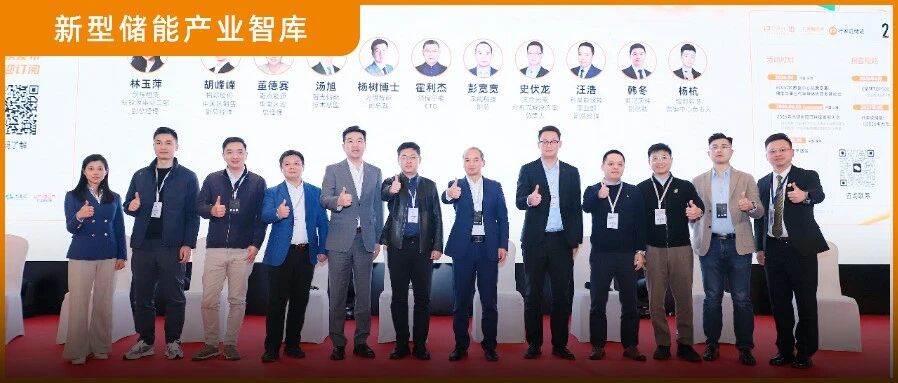
Core Viewpoint - The independent energy storage sector is poised for significant growth, particularly in 2026, driven by favorable policies and market dynamics [2][10][11]. Group 1: Policy and Market Dynamics - The National Development and Reform Commission and the National Energy Administration have officially included independent energy storage in the generation-side capacity price mechanism, providing a policy framework for future commercial and industrial energy storage participation [2]. - The independent energy storage market is expected to experience explosive growth in 2026, with many industry representatives predicting it to be a "super explosion year" for the sector [2][10]. - The introduction of the capacity price policy and the increasing demand for renewable energy sources are key drivers for the growth of independent energy storage [13][14]. Group 2: Key Opportunities and Trends - Independent energy storage stations are projected to account for 70-80% of the annual bidding and operational volume, indicating a strong market presence [8]. - The integration of energy storage with renewable sources, such as solar and wind, is becoming increasingly important, with a focus on creating comprehensive energy solutions [4][10]. - The shift towards market-based pricing for electricity is expected to create new revenue opportunities for energy storage systems, particularly in commercial and industrial applications [10][36]. Group 3: Industry Insights and Expert Opinions - Industry experts emphasize the need for energy storage companies to enhance their product capabilities and operational efficiency to adapt to market changes and seize opportunities [10][24]. - The focus on "兜底收益+超额分成" (guaranteed returns plus excess sharing) models is emerging as a strategy to promote the scaling of commercial energy storage [19][22]. - Companies are encouraged to adopt a long-term perspective and collaborate across the energy storage ecosystem to improve project conversion rates and overall market performance [24][25]. Group 4: Technological and Operational Capabilities - Companies must prioritize safety and economic efficiency in their energy storage solutions, ensuring high conversion efficiency and effective operational management [48][51]. - The ability to integrate advanced technologies, such as AI, into energy management systems is becoming crucial for optimizing energy storage operations [42]. - A focus on specialized, stable, and professional capabilities is essential for energy storage firms to meet the increasingly complex demands of the market [46][50].



国能日新20260203
2026-02-04 02:27
Summary of Conference Call Notes Company and Industry Overview - **Company**: Guoneng Rixin (国能日新) - **Industry**: Energy, specifically focusing on power generation and storage, including independent energy storage and market mechanisms. Key Points and Arguments Policy Impact - The recent announcement by the National Development and Reform Commission and the National Energy Administration regarding the capacity price mechanism for power generation is seen as a positive surprise for the industry, particularly for Guoneng Rixin's various business segments [1][2]. - The capacity price policy aims to enhance market mechanisms and is expected to catalyze significant changes in the industry structure, particularly for independent storage and adjustable resources [2][3]. Mechanism Improvement - The capacity price policy focuses on adjustable resources, including coal, gas, new energy storage, and pumped storage, providing clear subsidies and capacity fees to these resources [3][4]. - The policy is designed to ensure the stability of the power grid and to encourage participation from various adjustable resources in market transactions [4][5]. Industry Growth Expectations - The growth of new energy installations is expected to continue, although the growth rate may slow compared to previous periods due to base effects. However, the absolute scale of new energy installations is projected to meet the doubling target by 2035 [5][6]. - Independent storage is anticipated to see significant growth in installation capacity during the 14th Five-Year Plan period, driven by increasing market demand and supportive policies [6][7]. Market Stability and Revenue Models - The policy provides a basic capacity price to ensure the survival of adjustable resources while preventing excessive profits and ensuring fair market conditions [6][8]. - The introduction of a guaranteed revenue model for independent storage is expected to stimulate large-scale construction in this sector [8][9]. Short-term and Long-term Considerations - In the short term, the construction of independent storage may be affected by rising costs, particularly for lithium carbonate and other materials, which could impact asset returns [16][17]. - Long-term expectations are more optimistic, with a belief that costs will decrease over time as production scales up [17][18]. Business Model and Operations - Guoneng Rixin is transitioning from a data service provider to an asset management and operation model, focusing on power trading and independent storage [14][19]. - The company is developing a comprehensive trading system that leverages data analysis to optimize trading strategies and improve asset returns [25][26]. Financial Performance and Future Outlook - The company has seen a shift in client behavior, with more clients seeking scientific evaluations of asset investments following the capacity price policy announcement [11][12]. - The company is cautiously optimistic about its growth trajectory, balancing risk management with the need to build operational capabilities in the evolving market [19][20]. Recent Developments - Guoneng Rixin has acquired an operations and maintenance company to enhance its service offerings, reflecting a trend in the market where clients prefer integrated service providers for asset management [42]. Additional Important Content - The company is actively engaging with clients to provide revenue guarantees and detailed assessments of asset performance, indicating a shift towards more sophisticated financial services in the energy sector [13][14]. - The ongoing development of AI capabilities for energy management and trading is expected to enhance operational efficiency and decision-making processes [22][23]. This summary encapsulates the key insights from the conference call, highlighting the implications of recent policy changes, market expectations, and the strategic direction of Guoneng Rixin in the energy sector.