玩具安全

Search documents
新华视点|网红玩具“捏捏乐”为何屡陷安全争议?
Xin Lang Cai Jing· 2025-12-03 13:03
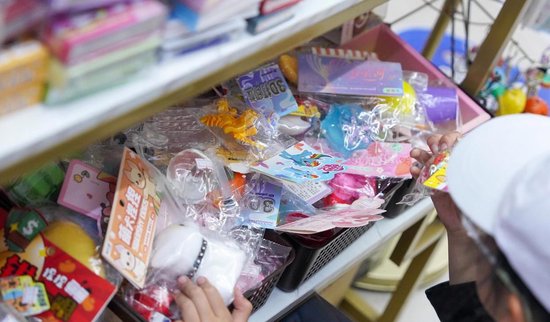
Core Viewpoint - The recent safety controversies surrounding "squishy" toys, popular among both adults and children, have led to the release of new mandatory national safety standards aimed at enhancing the safety of children's toys [1][10][22] Group 1: Safety Concerns - "Squishy" toys, made from materials like TPR (thermoplastic rubber) or silicone, are widely sold near schools, but many are unregulated products lacking safety certifications [1][10] - Reports indicate that some "squishy" toys emit strong odors, raising health concerns among parents who often allow their children to play with them only through the packaging [3][15] - Testing revealed that unregulated "squishy" toys can release harmful substances, with xylene levels reaching 42.65 mg/m³, significantly exceeding the new standard limit of 0.20 mg/m³ [6][10][18] Group 2: Regulatory Developments - The newly revised national standard GB 6675.1-2025 includes stricter limits on harmful substances in toys, expanding the types of regulated phthalates from six to ten [10][22] - The new regulations also encompass packaging materials, ensuring that even the packaging of toys is subject to chemical safety assessments [10][22] - Authorities plan to enhance quality control and monitoring of toy safety, aiming for significant improvements in safety standards by 2027 [10][22] Group 3: Market Response and Consumer Awareness - There is a growing demand for safety certifications from consumers, with some buyers requesting testing reports for both toys and their packaging [21][22] - Experts emphasize the need for parents and schools to educate children about potential risks associated with trendy toys, as children may lack the ability to discern product quality [11][23] - Consumers are advised to purchase toys from reputable sources and to be cautious of products with incomplete labeling or strong odors [12][23]

网红玩具“捏捏乐”为何屡陷安全争议?
Xin Hua She· 2025-12-03 12:53
Core Viewpoint - The recent safety controversies surrounding "squishy" toys, popular among both adults and children, have led to the release of new mandatory national safety standards aimed at enhancing the safety of children's toys [1] Group 1: Safety Concerns - "Squishy" toys, made from materials like TPR (thermoplastic rubber) or silicone, have been found to often be "three-no" products (no production license, no quality inspection, no manufacturer information) [2] - Some "squishy" toys emit strong odors, raising health concerns among parents who often allow their children to play with them only through the packaging [2] - Testing revealed that "three-no" squishy toys released xylene at levels of 42.65 mg/m³, while TPR and silicone variants released 23.71 mg/m³ and 2.56 mg/m³ respectively, exceeding the new safety standard limit of 0.20 mg/m³ [5][6] Group 2: Regulatory Developments - The newly revised mandatory national standard GB 6675.1-2025 includes stricter limits on harmful substances in toys, expanding the types of phthalates regulated from six to ten [8] - The new standards also incorporate packaging materials into the chemical performance regulations of toys, enhancing consumer safety [8] - The National Market Supervision Administration plans to strengthen quality safety supervision of toy products and aims to significantly improve safety levels by 2027 [8] Group 3: Market Dynamics - The rapid popularity of "squishy" toys has led to a surge in sales, with many stores reporting high demand despite safety concerns [2] - Parents are increasingly seeking safety certifications and testing reports for these toys, indicating a shift towards more informed purchasing decisions [7] - Industry insiders suggest that compliance with safety standards may increase production costs, potentially leading to higher retail prices for compliant products [7]
“捏捏乐”“水晶泥”有害物质超标?玩具安全新标准来了
Di Yi Cai Jing· 2025-11-19 07:33
Core Insights - The toy retail market in China is projected to reach 97.85 billion yuan in 2024, marking a 25.5% increase from 2020, while toy exports are expected to hit 39.87 billion USD, with over 40% directed to the US and EU markets [1] - The AI toy market in China is estimated to be around 24.6 billion yuan in 2024, with expectations to grow to 29 billion yuan in 2025 [1] - The Ministry of Industry and Information Technology (MIIT) plans to promote the integration of AI technology in toy manufacturing to create new consumer demands and enhance product innovation [2][3] Industry Development - China has established itself as a major player in the global toy industry, with advanced production technology and a highly skilled workforce, enabling it to provide high-quality toys at competitive prices [2] - The domestic market for trendy and collectible toys is projected to reach 55.83 billion yuan, reflecting a diversification in toy offerings [2] - Local companies are increasingly showcasing their innovative capabilities in original IP development and brand management, enhancing China's international influence in the toy sector [2] Safety Standards - The GB 6675 series of toy safety standards has undergone its third revision, enhancing the technical requirements and testing methods for toy safety [4] - New regulations include limits on ten harmful substances, significantly improving the safety standards for toys and addressing health concerns for children [4][5] - The revised standards will implement a "12+12" transition period, allowing manufacturers time to adapt to the new requirements while ensuring existing inventory can be sold [6]
跨界玩具不能越界
Jing Ji Ri Bao· 2025-10-19 22:22
Core Viewpoint - The safety concerns surrounding "mini kitchens" as popular children's toys highlight the need for improved regulatory standards and oversight in the toy industry [1][2] Group 1: Safety Issues - Recent inspections of two "children's mini kitchen cooking toys" revealed multiple safety hazards, including excessive voltage in electrical components, lack of production information, and sharp edges [1] - The complexity of cross-category toys, which integrate various types of products, complicates market regulation and increases safety risks [1] Group 2: Market Trends and Opportunities - The toy industry is experiencing an upgrade driven by cultural and technological innovations, with a notable rise in AI toys projected to reach a market size of $18.1 billion in 2024 and $60 billion by 2033 [1] - Cross-category toys present new opportunities for industry growth, but they also introduce potential dangers if safety measures are not adequately addressed [1] Group 3: Regulatory Recommendations - Businesses must innovate while strictly adhering to national safety standards to ensure a solid foundation for competitiveness [2] - E-commerce platforms should enhance merchant qualification reviews, promptly address consumer complaints, and support reliable products while penalizing those with frequent complaints [2] - Regulatory bodies need to maintain market order, improve inspection and recall systems, and enhance the transparency and effectiveness of safety standards [2]
警惕手边的“毒”玩具!有毒硼砂成解压软泥玩具配料,《财经调查》曝光→
Sou Hu Cai Jing· 2025-09-07 12:14
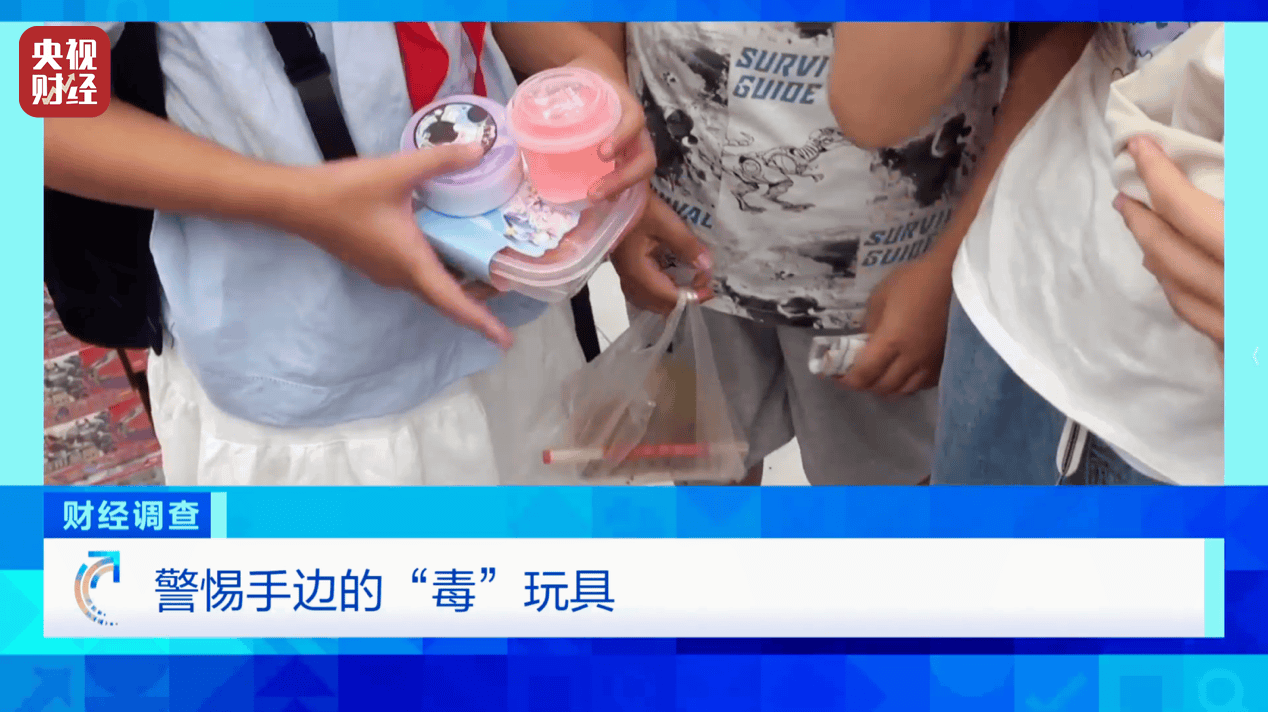
Core Viewpoint - The article highlights the safety concerns surrounding "stress relief" slime toys, which are popular among children but often contain harmful substances like borax, leading to health risks such as skin allergies and poisoning [1][3][16]. Group 1: Market Trends - Slime toys have gained immense popularity in recent years, becoming one of the most played with toys by children [3]. - Sales of both ready-made slime toys and DIY slime kits are high, with core materials including glue and forming water [9][10]. Group 2: Safety Concerns - Many slime products are classified as "three no" products, lacking manufacturer information and quality certifications, raising significant safety concerns [1][20]. - Borax, a toxic compound found in forming water, poses serious health risks, including potential poisoning and long-term effects on children's liver and kidney functions [16][25]. Group 3: Regulatory Response - Multiple market regulatory authorities have issued consumer warnings and increased inspections of these products due to frequent safety incidents [5]. - Despite negative news and regulatory scrutiny, sales of slime toys remain high, indicating a persistent demand among children [31][45]. Group 4: Sales Channels - Some merchants have shifted their sales to online platforms, where the popularity of slime toys continues to thrive, evidenced by high engagement on short video platforms [7][10]. - Offline sales also persist, with "three no" slime products readily available in various stores, despite the known risks [27][29]. Group 5: Product Composition and Mislabeling - Many products labeled as forming water contain high concentrations of borax, often without proper labeling or safety warnings [14][21]. - Investigations revealed that some manufacturers intentionally obscure the presence of borax in their products to evade regulatory scrutiny [43][55]. Group 6: Testing Results - Testing of several slime products showed that boron migration levels exceeded national safety standards, with some products showing levels up to 19 times higher than allowed [59][62].
生活观察丨“六一”必读:如何让孩子远离“毒”“危”玩具
Xin Hua Wang· 2025-05-30 23:07
Core Viewpoint - The article emphasizes the importance of selecting safe toys for children, highlighting the risks associated with "toxic" and "dangerous" toys, and providing guidelines for parents to ensure children's safety during playtime [1][5]. Group 1: Risks of "Toxic" and "Dangerous" Toys - A case of a 3-year-old boy swallowing "water beads" illustrates the severe health risks associated with certain toys, leading to intestinal obstruction and requiring surgery [2][4]. - Common toys like "water beads" and "magnetic balls" pose significant choking hazards, with frequent incidents reported at pediatric emergency centers [2][4]. - Certain toys contain harmful materials, such as boron in "slime," which can cause poisoning, and some stress-relief toys release carcinogenic substances [4][6]. Group 2: Guidelines for Safe Toy Selection - Parents are advised to choose toys with "CCC" certification and to consider the child's age, interests, and safety features when selecting toys [5][6]. - It is crucial to avoid toys with sharp edges, small detachable parts, or those that may pose choking hazards [5][6]. - Regular monitoring of toys for safety compliance is recommended, as over 70% of tested stress-relief toys failed to meet safety standards [4][6]. Group 3: Emergency Response and Prevention - In case of ingestion of foreign objects or exposure to toxic materials, immediate medical attention is essential to reduce surgical risks [7][8]. - Parents should implement a monitoring system for younger children, ensuring toys are checked before, during, and after playtime [8]. - Strengthening market regulation and enhancing safety standards for new toys are critical to preventing future incidents [8].
网红玩具冲上热搜!有网友发文称长时间玩会喉咙痛、头晕……
新华网财经· 2025-05-27 13:15
Core Viewpoint - The emerging "Nian Nian" stress-relief toy has gained popularity among young people due to its cute design and soft texture, but there are health concerns related to its safety and chemical composition [1][4]. Group 1: Product Popularity and Health Concerns - "Nian Nian" toys are characterized by their squeezable, slow-rebound features, making them a trending topic on social media among young consumers [1]. - Users have reported discomfort symptoms such as sore throat, dizziness, and chest tightness after prolonged use of "Nian Nian" toys [1]. Group 2: Safety Testing and Chemical Risks - A blogger's evaluation revealed that out of 8 popular "Nian Nian" toys tested, 6 exceeded formaldehyde limits, and all 8 had excessive levels of Total Volatile Organic Compounds (TVOC) [4]. - TVOC includes over 300 substances, and excessive inhalation can lead to immune system dysfunction and central nervous system issues, causing symptoms like dizziness, headaches, and nausea [4]. Group 3: Expert Recommendations for Consumers - Experts advise consumers to check for national mandatory standard numbers (GB 6675.1, GB 6675.2, GB 6675.3, GB 6675.4) on packaging to ensure product compliance [5]. - It is recommended to look for 3C certification labels, as most common "Nian Nian" toys fall under mandatory certification categories [5]. - Consumers should use "Nian Nian" toys in well-ventilated areas and wash hands immediately after use, avoiding unprotected DIY production [5].
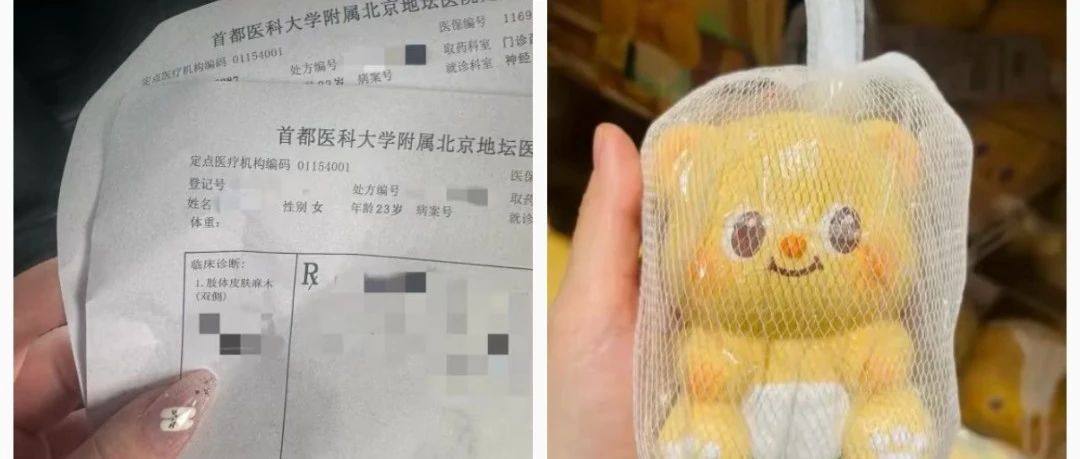
“捏捏”解压玩具安全吗?7款样品检测,甲苯最高超标35倍
Nan Fang Du Shi Bao· 2025-05-26 06:23
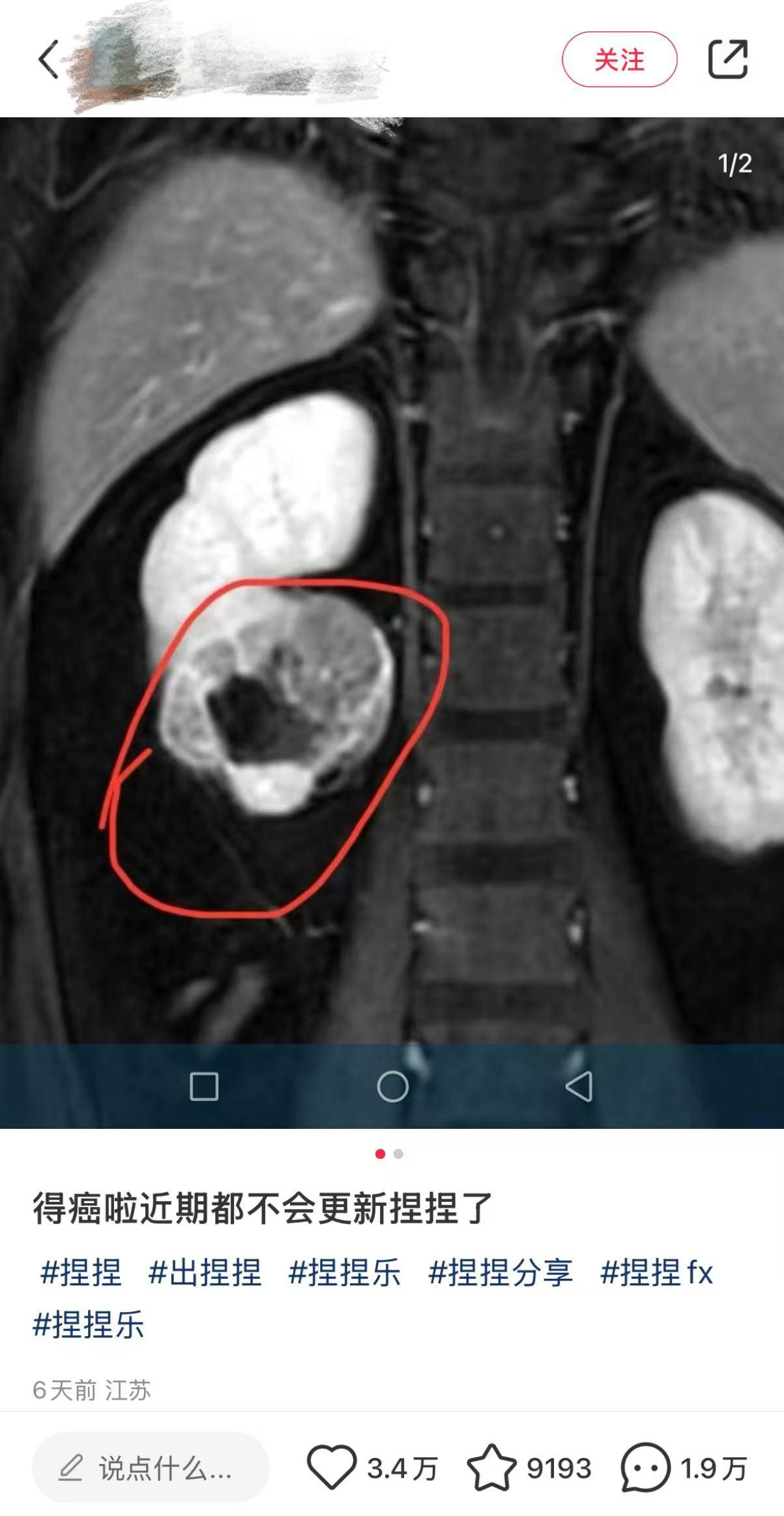
Core Viewpoint - The rising popularity of "Nian Nian" stress-relief toys has been overshadowed by safety concerns following a cancer diagnosis from a prominent creator, leading to increased scrutiny over the toys' safety standards [1][2][5] Group 1: Product Popularity and Market Presence - "Nian Nian" toys have gained significant traction among young consumers due to their appealing design and soft, squishy texture, becoming a trending topic on social media [5] - Many stores on major e-commerce platforms report thousands of purchases, with prices ranging from a few to several dozen yuan [5] Group 2: Safety Concerns and Testing Results - SGS testing revealed that several popular "Nian Nian" toys contained harmful substances exceeding safety limits, with one sample showing a phthalate content 26% above the allowable level [8][9] - Four out of seven tested toys had total volatile organic compounds (TVOC) levels exceeding the standard, with two samples showing concentrations of 29,960 μg/m³ and 21,640 μg/m³, which are over four and two times the limit, respectively [12] - The presence of small parts and labeling issues was noted, with four samples lacking necessary age warnings and safety risk labels [15] Group 3: Health Implications of Harmful Substances - Phthalates, commonly used as plasticizers, can pose health risks, particularly to children, potentially leading to endocrine disruption and developmental issues [8] - Excessive exposure to TVOC can impair the immune system and affect the central nervous system, causing symptoms such as dizziness and chest tightness [11] Group 4: Recommendations for Consumers - Consumers are advised to check for mandatory national standards and 3C certification when purchasing "Nian Nian" toys to ensure safety compliance [16] - It is recommended to use these toys in well-ventilated areas and to wash hands after use to minimize health risks [16]