环保责任

Search documents
ESG解读|始祖鸟生态敏感区烟花秀“炸山”,安踏沉默不言,环保承诺成“纸上谈兵”
Sou Hu Cai Jing· 2025-09-22 10:58
Core Viewpoint - The recent fireworks event held by Arc'teryx in the ecologically sensitive Himalayas has sparked significant environmental controversy, raising questions about Anta Group's commitment to its stated ESG principles and environmental responsibilities [4][5][9] Group 1: Event Overview - Arc'teryx collaborated with artist Cai Guoqiang to host a fireworks show titled "Cai Guoqiang: Ascending Dragon" in the Himalayas, aiming to explore local mountain culture [3] - The event has been criticized for potentially harming the fragile ecosystem of the region, which is home to sensitive wildlife and unique environmental conditions [4][5] Group 2: Environmental Concerns - The fireworks display may cause irreversible damage to local soil, water sources, and wildlife, contradicting Anta's ESG commitments to biodiversity and environmental protection [5][6] - Anta's 2024 ESG report emphasizes adherence to biodiversity protection goals and avoidance of activities that could harm ecosystems, yet the event's location raises concerns about compliance with these commitments [5][6] Group 3: Brand Image and Consumer Reaction - Anta has been positioning itself as a leader in sustainable fashion, with over 30% of its products being sustainable, but the fireworks incident starkly contrasts with its environmental promises [9] - Following the event, several outdoor and photography influencers have severed ties with Anta or expressed intentions to boycott the brand, indicating a potential backlash against its image [9] Group 4: Corporate Governance Issues - The differing statements from Arc'teryx regarding its involvement in the event have led to accusations of double standards, further complicating the brand's public relations [10][12] - Anta has not publicly addressed the incident, leading to increased consumer dissatisfaction and concerns about its governance capabilities, which may negatively impact its ESG ratings [12][13] Group 5: Financial Impact - Following the controversy, Anta's stock price fell by 2.22%, resulting in a market capitalization loss of approximately 6 billion HKD [13]



缅甸稀土断供!中国进口“暴跌”89%,全球科技巨头“慌了”
Sou Hu Cai Jing· 2025-07-15 00:00
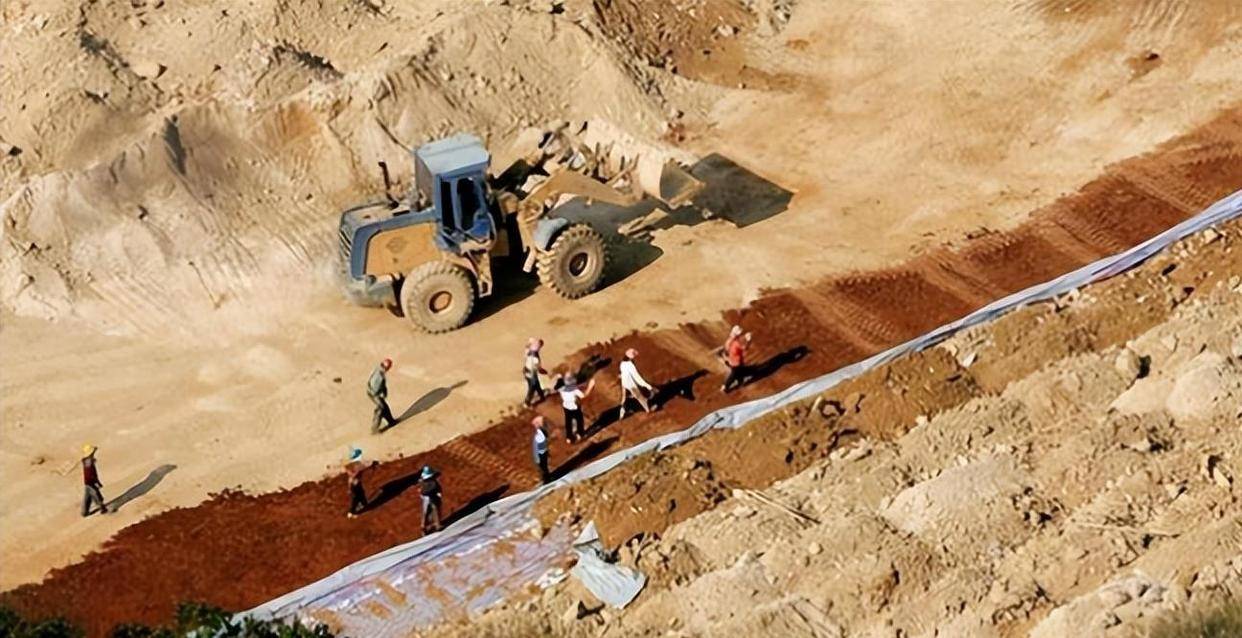
Core Viewpoint - The global technology sector is facing a "rare earth crisis" due to a significant drop in rare earth imports from Myanmar, which has led to supply chain vulnerabilities and geopolitical tensions [1][9]. Group 1: Supply Chain Vulnerability - In the first nine months of 2024, China imported 31,000 tons of rare earth oxides from Myanmar, accounting for 74.9% of its total imports, highlighting the dependency on Myanmar for critical rare earth elements [3]. - The domestic production of medium and heavy rare earths in China is severely limited, with a quota of only 19,200 tons in 2024, while imports from Myanmar exceed domestic capacity by 1.6 times, fulfilling 56% of China's heavy rare earth demand [3]. - The sudden control of mining areas by the Kachin Independence Army in October 2024 led to a halt in operations, causing a surge in rare earth prices and raising concerns about supply shortages for companies heavily reliant on these imports [4]. Group 2: Price Fluctuations and Market Reactions - Following the disruption in supply, the stock prices of northern rare earth companies rose by 11.58% in one week, and the price of dysprosium oxide surged by 8% in the same period [4]. - A 7.9 magnitude earthquake in Myanmar in April 2025 further exacerbated the situation, with estimated export volumes dropping by 30% to 50%, and dysprosium prices nearing 2 million yuan per ton [4]. Group 3: Corporate Responses and Adaptations - Chinese companies are implementing strategies to mitigate the impact of the crisis, such as reducing dysprosium usage in magnets by 30% and increasing recycling rates of rare earth materials from waste [6]. - The North Rare Earth Company is ramping up production at its Baiyun Obo mine, benefiting from exclusive mining rights amid rising prices [6]. - Companies are also exploring overseas sourcing options, including projects in the U.S. and Malaysia, although these alternatives cannot fully replace the heavy rare earths sourced from Myanmar [6]. Group 4: Geopolitical and Environmental Considerations - The crisis has highlighted the complex interplay between technology competition, geopolitical dynamics, and environmental responsibilities, with the U.S. attempting to leverage environmental reports to pressure Myanmar into halting exports to China [9]. - China's investment of 38 billion yuan in rare earth pollution control has become a strategic tool, promoting sustainable mining practices in Myanmar and potentially reshaping the operational landscape to align with Chinese standards [8].