
现代化海洋牧场建设

Search documents
羊城年夜饭,满桌广货鲜 | 新春走基层
Nan Fang Nong Cun Bao· 2026-02-16 09:34
Core Viewpoint - The article highlights the significance of Guangdong seafood ("广货") in the Chinese New Year celebrations, emphasizing its role in family reunions and the evolving purchasing methods, including online shopping, which now accounts for 30% of seafood purchases [17][18]. Group 1: Industry Overview - The new Huangsha Seafood Market has modernized its facilities, including a 1500-ton seawater barge that acts as the market's "artificial heart," enhancing the efficiency of seafood handling [29][30]. - In January, the Huangsha Seafood Market recorded a transaction volume of 2,200 tons and a transaction value of 160 million yuan, indicating a strong start to the year [33]. - The total aquatic product output in Guangzhou is projected to reach 481,000 tons in 2024, with a total fishery output value of 12.95 billion yuan, reflecting a shift towards quality and sustainable practices in the industry [68][70]. Group 2: Consumer Behavior - Consumers in Guangzhou are increasingly utilizing online platforms for seafood purchases, with 30% of seafood bought through online channels, showcasing a shift in shopping habits [17][18]. - The article describes various purchasing behaviors, with some consumers opting for traditional market visits while others prefer online orders for convenience [10][14][16]. - Local seafood is gaining popularity among consumers, with many preferring high-quality local products over imported ones, indicating a growing appreciation for regional specialties [71]. Group 3: Supply Chain and Production - The article notes significant advancements in the seafood supply chain, including the establishment of innovative platforms for aquaculture and the production of high-quality seed stock, which supports the growth of the industry [63][66]. - The integration of modern technology in aquaculture practices is transforming the industry, with a focus on sustainable and efficient production methods [63][70]. - The Guangdong province is leading in fishery production indicators, with a focus on the integration of primary, secondary, and tertiary industries to enhance overall development [82][83].


广东海洋牧场建设“疏近用远”:清拆传统网箱超10万亩
Xin Lang Cai Jing· 2026-01-26 03:34
Group 1 - The core viewpoint of the news is that Guangdong Province has prioritized marine ecological civilization construction during the "14th Five-Year Plan" period, implementing significant projects and innovative measures to improve marine ecological protection and restoration [1] - Guangdong has achieved continuous improvement in nearshore water quality, strengthened marine ecological barriers, and steadily developed green and low-carbon shipping [1] Group 2 - The "Guangdong Province Modern Marine Ranching" pilot construction plan aims to alleviate high-density traditional aquaculture in nearshore areas, with specific tasks and timelines established [2] - Since 2023, over 100,000 acres of traditional net cages and oyster rafts have been dismantled, and more than 70,000 acres of aquaculture facilities have been upgraded [2] - The province has constructed 8,000 gravity-type deep-water cages and 28 framework-type cages, and established 17 primary development entities focused on modern marine ranching, with a total of 18,578 hectares of deep-sea usage rights acquired [2] Group 3 - During the "14th Five-Year Plan" period, Guangdong has released approximately 1.3 billion units of aquatic economic species and endangered species such as sea turtles and Chinese horseshoe crabs into relevant waters [3] - The average resource contribution rate of the released species is over 2%, with a 90% satisfaction rate among fishermen, indicating effective restoration of aquatic biodiversity [3] - Guangdong has created 13 traditional artificial reef-type marine ranches covering over 1,000 square kilometers, with more than 17,000 reefs deployed, ranking among the top in the country for maintenance-type marine ranches [3]
广东布局深海养殖 累计建设重力式深水网箱8000个
Xin Lang Cai Jing· 2026-01-20 13:43
Group 1 - Guangdong has accelerated the development of deep-sea aquaculture, constructing a total of 8,000 gravity-type deep-water cages and 28 truss-type cages [1][3] - The province has implemented a transformation of traditional nearshore cages from wood to plastic or steel, reducing the density of nearshore aquaculture and improving the marine environment [1][3] - Since 2023, over 100,000 acres of traditional cages and oyster rafts have been dismantled, with more than 70,000 acres undergoing upgrades and renovations [1] Group 2 - Guangdong promotes ecological aquaculture models, accelerating the "fish-shellfish-seaweed" multi-nutritional layer ecological farming in Shantou and Jiangmen [3] - The province has established 17 primary development entities focused on modern marine ranch construction, acquiring a total of 18,578 hectares of deep-sea usage rights [3] - During the 14th Five-Year Plan period, Guangdong prioritizes the ecological function of species replenishment, adjusting the species structure and organizing the release of approximately 1.3 billion units of economic species and endangered species [3] Group 3 - Guangdong has created 13 traditional artificial reef-type marine ranches covering over 1,000 square kilometers, with more than 17,000 reef bodies deployed [3] - The number of maintenance-type marine ranches ranks among the top in the country, significantly improving the water quality and ecological function of nearby marine areas [3]
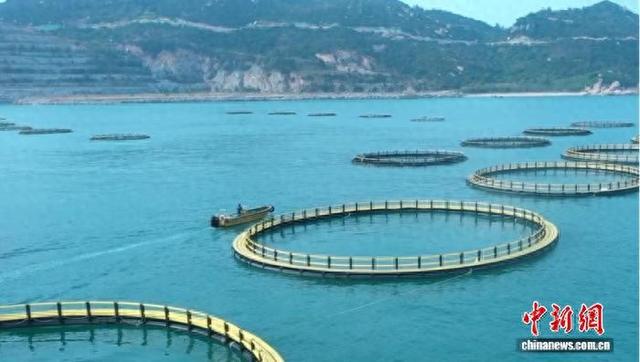
“粤海粮仓”名不虚传
Shen Zhen Shang Bao· 2025-12-09 17:27
Group 1 - Guangdong is a leading province in marine seed production and innovation, with a projected marine fish seed output of 6.796 billion tails in 2024, accounting for approximately half of the national total [1] - The province has developed into a national center for marine aquaculture variety innovation, achieving breakthroughs in artificial breeding technologies for several species, including the yellow croaker and the red grouper [1] - Guangdong has implemented an open and shared "racehorse system" for scientific research, collaborating with 63 research teams from institutions like Sun Yat-sen University and China Ocean University on 41 suitable species [1] Group 2 - Guangdong has introduced a new development model for marine industrial parks, promoting comprehensive assessments for marine use in aquaculture projects, eliminating the need for individual marine use assessments for modern marine ranching projects [2] - Currently, 10 coastal cities in Guangdong have organized the construction of 34 marine industrial parks, covering a total marine area of 15,500 hectares [2]
全球首创!漂浮式动力定位养殖平台“湛江湾1号”正式交付
Xin Hua She· 2025-11-19 15:35
Core Viewpoint - The delivery of the "Zhanjiang Bay No. 1," the world's first floating dynamic positioning net cage vessel, marks a significant advancement in China's modern marine ranching construction, enhancing the capabilities of the industry [1][2]. Group 1: Vessel Specifications and Innovations - "Zhanjiang Bay No. 1" measures 154 meters in length and 44 meters in width, with a cultivation water capacity of 80,000 cubic meters, featuring 12 independent breeding areas to accommodate various fish species simultaneously [1]. - The annual production capacity of the vessel is estimated to reach between 2,000 to 5,000 tons, positioning it as a significant asset in aquaculture [1]. - The vessel incorporates innovative designs, including a ship-net integration that allows for autonomous navigation and natural water exchange, reducing construction and operational costs while improving water quality for aquaculture [1]. - It also features floating dynamic positioning for aquaculture, enabling operation in water depths exceeding 100 meters with low power consumption, thus expanding the available marine farming areas [1]. Group 2: Industry Impact and Future Directions - The delivery of "Zhanjiang Bay No. 1" is seen as a pioneering step for China's marine aquaculture, transitioning practices from shallow waters to deeper oceanic environments [2]. - The vessel's introduction signifies a historical leap for China from relying on coastal resources to a more intelligent and sustainable utilization of marine resources [2].
从地方特产到美食符号,湛江海鲜为何全国知名,未来将有多大潜力?
Nan Fang Nong Cun Bao· 2025-10-25 14:31
Core Viewpoint - Zhanjiang seafood has gained national recognition due to its quality and variety, with significant potential for future growth in the seafood industry [1][6][7]. Group 1: Industry Overview - Zhanjiang is a major fishing area in South China, with aquaculture covering 1.162 million acres, accounting for 16% of the province's total [4]. - The city has maintained the highest fishery output in Guangdong for 30 consecutive years, with a projected total fishery output of approximately 1.316 million tons and a fishery output value of about 29.4 billion yuan in 2024 [8][13]. - Zhanjiang's shrimp production has established a complete industrial chain, generating an annual output value exceeding 50 billion yuan, earning it the title of "China's Shrimp Capital" [15][16]. Group 2: Aquaculture Development - The cultivation of golden pomfret in Zhanjiang has rapidly expanded, with an annual output exceeding 300,000 tons, making it the largest in China [20][21]. - By 2024, the total output value of the golden pomfret industry is expected to exceed 10 billion yuan, with around 100,000 people involved in the entire industrial chain [23][24]. - The modern deep-sea aquaculture platforms have been established, significantly enhancing production efficiency and product quality [30][44][47]. Group 3: Processed Food Industry - Zhanjiang is developing a pre-prepared food industry, with a production value of 10.2 billion yuan in 2024, reflecting a year-on-year growth of 14.6% [60][62]. - The city has launched initiatives to promote the "Zhanpin" brand, enhancing the value of local seafood products and contributing to the economic growth of local farmers [73][76]. - The establishment of a brand innovation platform aims to integrate resources and promote Zhanjiang seafood products nationally [65][72]. Group 4: Future Prospects - The modern marine ranching construction plan outlines a three-step approach to achieve a total aquaculture product volume of 1.47 million tons by 2035 [36][38]. - The upcoming seafood promotion event in Guizhou aims to showcase Zhanjiang's seafood products and further enhance its market presence [78].
南海将迎来开渔季 阳江预计带动旅游收入超2亿元
2 1 Shi Ji Jing Ji Bao Dao· 2025-08-08 14:16
Group 1 - The annual South China Sea (Yangjiang) fishing season event will take place on August 15, with over 3,400 fishing boats participating, marking the highest number of boats in history [1] - The event will feature 13 activities, including a beach music festival, a world model competition, and a fireworks show, highlighting the rich maritime culture and unique traditions of the local fishing community [1] - The event aims to transform the fishing season from a "single ceremony" into a comprehensive cultural and tourism festival, significantly boosting regional tourism and local economy [2] Group 2 - The fishing moratorium in Guangdong lasts from May 1 to August 16 each year, allowing marine life to recover and ensuring sustainable fishing practices [2] - In 2024, the marine fishery industry in Guangdong is projected to exceed 68 billion yuan, with a focus on modern marine ranching and aquaculture, which is expected to grow by 5.47% [3] - Guangdong has established a complete industrial chain around modern marine ranching, including breeding, equipment manufacturing, and logistics, leading to the creation of several national-level fishing port economic zones [3]
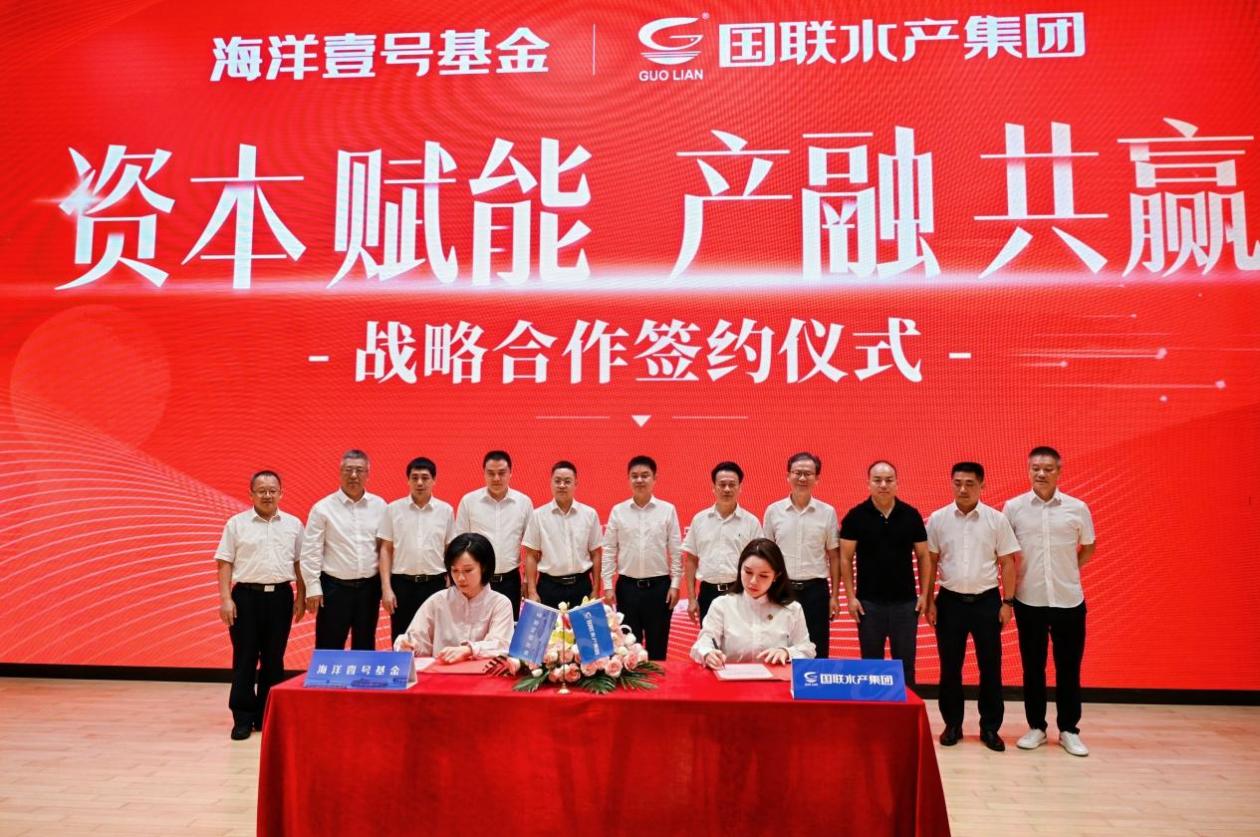
国联水产携手海洋壹号基金,打造海洋牧场"湛江范式"
Huan Qiu Wang· 2025-08-05 06:41
Core Viewpoint - The strategic investment signing ceremony between Guolian Aquatic Products and Ocean One Fund aims to enhance the integration of capital and industry, promoting the high-quality development of modern marine ranching and the aquatic processing industry in Zhanjiang, Guangdong [1][5][12]. Group 1: Strategic Collaboration - Guolian Aquatic Products and Ocean One Fund will work together to deepen the integration of capital and industry, contributing to the construction of modern marine ranching and the high-quality development of the aquatic processing industry [5][9]. - The partnership aligns with the Guangdong provincial government's strategy to strengthen marine economic development, emphasizing the need to leverage marine advantages and accelerate the establishment of a modern marine economy [7][11]. Group 2: Industry Leadership - Guolian Aquatic Products has over 20 years of experience in the aquatic industry, leveraging local marine resources and establishing a comprehensive procurement system for shrimp and other aquatic products [9][11]. - The investment from Ocean One Fund will support Guolian's subsidiary, Guomei Foods, enhancing its capabilities in deep processing and cold chain logistics, thereby addressing the supply and processing gaps in primary agricultural products [9][11]. Group 3: Economic Impact - The establishment of Ocean One Fund aims to drive the integration of the first and second industries in the fishery economy, transforming the industry from resource dependence to value-driven [11][12]. - The fund will inject 100 million yuan to support the deep processing of aquatic products, enhancing the value chain and promoting the development of high-quality marine ranching [11][12]. Group 4: Community Engagement - Guolian Aquatic Products will optimize its model to provide technical guidance and order assurance to local fish farmers, directly benefiting over 3,000 fishermen and promoting a win-win development scenario [12]. - This collaboration represents an innovative integration of marine economic development models, aiming to create a replicable and promotable "Zhanjiang model" for Guangdong's marine economy [12].

饶平县全力推进“木改塑”构建现代化海洋牧场发展新格局
Zhong Guo Fa Zhan Wang· 2025-06-25 10:49
Core Viewpoint - The modernization of marine ranching and the "wood-to-plastic" initiative are key measures for promoting high-quality development in Qianzhou Town [2] Group 1: Policy Implementation - The "wood-to-plastic" subsidy implementation plan was detailed, including beneficiaries, funding sources, and subsidy standards [1] - The town leadership emphasized the importance of policy execution and provided clear guidance for participants [1][2] - A commitment was made to offer "nanny-style" services to ensure effective policy implementation [1] Group 2: Community Engagement - Community party organization leaders are tasked with responsibility breakdown and ensuring zero barriers for participation in the "wood-to-plastic" initiative [2] - The town aims to create a collaborative effort to promote the "wood-to-plastic" work, encouraging fishermen to participate [2] Group 3: Data Collection and Analysis - A scientific database was established through drone surveys to document existing fish farms, facilitating the "wood-to-plastic" initiative and future development [3] - Abandoned fish farms were prioritized for removal to clear obstacles for the renovation project [3] Group 4: Transformation Incentives - A combination of site visits, policy explanations, and household mobilization was used to shift fish farmers from passive to active participation in the transformation [4] - New plastic fish farms and deep-water net cages were constructed, showing initial success in the transformation [4] Group 5: Economic Development - The "wood-to-plastic" initiative has led to the issuance of sea use rights and aquaculture permits, addressing long-standing illegal sea usage issues [5] - The removal of wooden fish farms has improved navigation safety and released quality coastal resources for future tourism projects, contributing to a new "blue economy" vision [5]