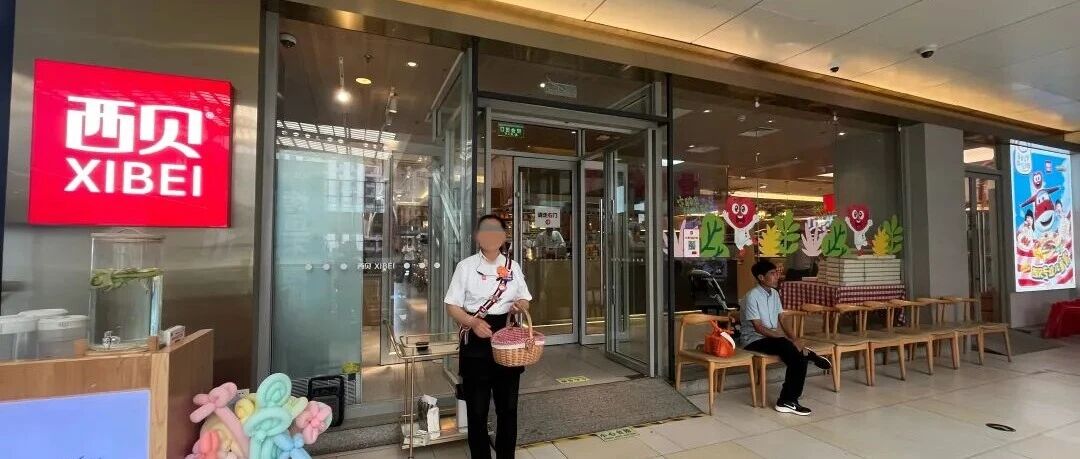
海鲈鱼

Search documents
羊城年夜饭,满桌广货鲜 | 新春走基层
Nan Fang Nong Cun Bao· 2026-02-16 09:34
Core Viewpoint - The article highlights the significance of Guangdong seafood ("广货") in the Chinese New Year celebrations, emphasizing its role in family reunions and the evolving purchasing methods, including online shopping, which now accounts for 30% of seafood purchases [17][18]. Group 1: Industry Overview - The new Huangsha Seafood Market has modernized its facilities, including a 1500-ton seawater barge that acts as the market's "artificial heart," enhancing the efficiency of seafood handling [29][30]. - In January, the Huangsha Seafood Market recorded a transaction volume of 2,200 tons and a transaction value of 160 million yuan, indicating a strong start to the year [33]. - The total aquatic product output in Guangzhou is projected to reach 481,000 tons in 2024, with a total fishery output value of 12.95 billion yuan, reflecting a shift towards quality and sustainable practices in the industry [68][70]. Group 2: Consumer Behavior - Consumers in Guangzhou are increasingly utilizing online platforms for seafood purchases, with 30% of seafood bought through online channels, showcasing a shift in shopping habits [17][18]. - The article describes various purchasing behaviors, with some consumers opting for traditional market visits while others prefer online orders for convenience [10][14][16]. - Local seafood is gaining popularity among consumers, with many preferring high-quality local products over imported ones, indicating a growing appreciation for regional specialties [71]. Group 3: Supply Chain and Production - The article notes significant advancements in the seafood supply chain, including the establishment of innovative platforms for aquaculture and the production of high-quality seed stock, which supports the growth of the industry [63][66]. - The integration of modern technology in aquaculture practices is transforming the industry, with a focus on sustainable and efficient production methods [63][70]. - The Guangdong province is leading in fishery production indicators, with a focus on the integration of primary, secondary, and tertiary industries to enhance overall development [82][83].


新春消费观察|海味飘香 鲜动津城
Sou Hu Cai Jing· 2026-02-15 16:08
Group 1 - The water product market is experiencing a peak sales season ahead of the Spring Festival, with daily sales volume increasing several times compared to normal days [1][2] - The Wang Ding Di Seafood Wholesale Market reports a daily shipment volume of approximately 200,000 kilograms and daily sales exceeding 10 million yuan [1] - Popular products include sea crabs, grouper, and abalone, with daily sales reaching 16,000 kilograms, 1,500 kilograms, and 1,000 kilograms respectively [1] Group 2 - The demand for various fish species, symbolizing abundance, is high, with one store selling 11,000 kilograms of yellow croaker in a single day [2] - Frozen seafood imports are also increasing, with daily shipments of Ecuadorian white shrimp at 400,000 kilograms and Indian black tiger shrimp at 200,000 kilograms [2] - Cold storage facilities are collaborating with e-commerce platforms, achieving daily order volumes exceeding 30,000, including 5,000 orders for imported white shrimp alone [3]
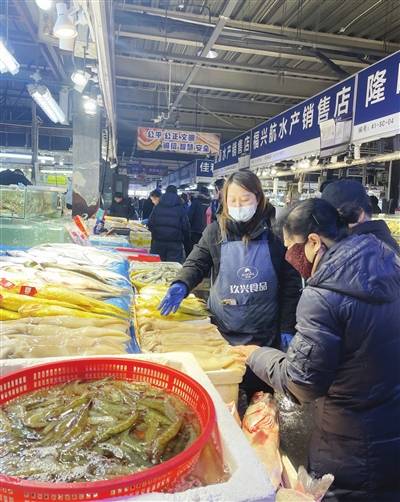
内蒙古科左后旗 以水兴产 激活“一池春水”
Xin Lang Cai Jing· 2026-01-16 14:57
Core Viewpoint - The article highlights the transformation of the Keshan Left Banner in Inner Mongolia, where innovative water management and aquaculture practices have turned challenges posed by extreme weather into opportunities for agricultural and economic development [1][2][3] Group 1: Water Management and Infrastructure - The Keshan Left Banner has faced extreme rainfall for four consecutive years since 2021, with annual precipitation reaching a maximum of 824.4 mm, leading to significant flooding issues for local farmers [2] - In response, the local government has invested 700 million yuan to enhance drainage systems, creating a modern water network that connects eight reservoirs and 115 lakes [2] - The focus has shifted from merely managing flood risks to utilizing water resources effectively, transforming water into an asset for agricultural productivity [2] Group 2: Aquaculture Development - The region has successfully integrated aquaculture with traditional agriculture, exemplified by the introduction of 370,000 shrimp into 200 acres of rice paddies, yielding 15,000 pounds of shrimp and 260,000 pounds of rice, with an average income increase of 1,300 yuan per acre [2] - Innovative practices have led to the successful cultivation of sea bass in previously barren saline-alkali waters, with 20,000 fish released in May 2025 growing from 3 cm to 30 cm [2] - Various local cooperatives have emerged, focusing on the cultivation of fish and crabs, with annual catches of 45,000 pounds of crabs and 120,000 pounds of fish, generating a net income of approximately 450,000 yuan [3] Group 3: Economic Impact and Community Benefits - The Keshan Left Banner has expanded its aquaculture area to 70,000 acres, achieving an annual output of 4.4 million pounds and a production value of 28 million yuan [3] - The region's initiatives have not only improved local livelihoods but also fostered community engagement, with average dividends of 500 yuan per person for cooperative members [3] - The first-ever Xiaolongxia and Yanjing Beer Food Festival in summer 2025 sold 3,000 pounds of shrimp in just 15 days, generating sales of 240,000 yuan, showcasing the potential for local product marketing [3]
热卖超6万条!广东海鲈“鲜”动全国
Nan Fang Nong Cun Bao· 2025-12-02 04:35
Core Insights - The live streaming event for Guangdong sea bass, organized by Hengxing Food and Dongfang Zhenxuan, achieved remarkable sales, with over 60,000 fish sold and a total revenue exceeding 2 million yuan in one day [6][7][19]. Group 1: Sales Performance - The live streaming event sold over 10,000 orders within the first two hours, and by 3 PM, total sales reached 20,000 orders [4][6]. - The event ranked first in the fresh produce category for the day, highlighting the growing popularity of Guangdong sea bass among consumers [7][19]. Group 2: Product Quality and Safety - Consumers showed high concern for the safety and freshness of the sea bass, prompting the hosts to provide third-party testing reports confirming no drug or heavy metal residues [21][22]. - The sea bass is marketed as being caught, processed, and delivered on the same day, ensuring maximum freshness [27][29]. Group 3: Industry Position and Production - Guangdong is the leading producer of sea bass in China, with a projected production of 183,000 tons in 2024, accounting for 71% of the national total [16][19]. - The industry has established a comprehensive supply chain from breeding to processing and logistics, with a total output value exceeding 18.6 billion yuan [19]. Group 4: Future Developments - The "Blue Fishing Port" project, set to be operational by 2025, will enhance processing capabilities and cold chain logistics, with an expected annual processing capacity of 35,000 tons [35][36]. - Hengxing Food aims to expand its market presence and brand recognition through continuous product innovation and leveraging the growing demand for high-quality seafood [46][68].
四川省广元市市场监督管理局关于“夜经济”食品专项监督抽检情况的通告(2025年第9号)
Zhong Guo Zhi Liang Xin Wen Wang· 2025-10-24 07:15
Core Points - The announcement details the results of a special food safety inspection focused on the "night economy," revealing that out of 50 samples tested, one was found to be non-compliant [1] - Local market supervision departments have been instructed to investigate and address the non-compliant food products identified during the inspection [1] Group 1: Inspection Results - A total of 50 food samples were collected from five categories: meat products, catering foods, frozen foods, seasonings, and starch and starch products [1] - One sample from "广元市利州区璐姐小串串店" was found to contain 0.304g/kg of dehydroacetic acid and its sodium salt, which is prohibited [1] Group 2: Compliance Information - The inspection also included compliant samples, such as "水煮花生" from "广元市利州区放野烧烤店," which was processed on 2025/8/4 [2] - Other compliant products included "水晶苕皮" and "鱿鱼板串," with various processing dates and specifications [2][4]

广东现代化海洋牧场臻品涮进重庆火锅
2 1 Shi Ji Jing Ji Bao Dao· 2025-09-22 13:02
Core Viewpoint - The event "Yue Fresh, Yu Good, Chongqing and Guangdong Share" showcases the collaboration between Guangdong's seafood industry and Chongqing's hot pot culture, aiming to enhance consumer experience through the fusion of fresh seafood and spicy flavors [1][5]. Group 1: Industry Strength and Collaboration - Guangdong has established itself as a leader in modern marine ranching, with the highest number of gravity-type deep-water cages in China and nearly half of the national marine fish farming output expected in 2024 [2]. - The production of golden pomfret in Zhanjiang accounts for one-third of the national output, while the production of white grouper exceeds 60% of the total national output [2]. - The collaboration aims to leverage Guangdong's seafood supply and Chongqing's hot pot market, enhancing the supply chain and expanding market reach [5][6]. Group 2: Consumer Experience and Product Innovation - The event featured a unique tasting experience that combined Guangdong's fresh seafood with Chongqing's spicy hot pot, allowing consumers to enjoy a dual flavor experience [3]. - Innovative product handling techniques were introduced, such as the preparation of golden pomfret to meet the fast-cooking demands of hot pot consumers [2]. - The tasting event received positive feedback, breaking preconceived notions about Guangdong seafood being bland and highlighting its compatibility with spicy flavors [3][4]. Group 3: Market Trends and Future Outlook - The hot pot industry is projected to exceed a trillion yuan in annual consumption, with the freshness of ingredients being a critical factor influencing consumer choices [5]. - The collaboration is expected to increase the demand for Guangdong seafood in Chongqing, with current monthly demand for golden pomfret at over 100 tons [6]. - The fusion of fresh and spicy flavors is anticipated to meet the evolving consumer preferences for healthier and more diverse dining options [6].
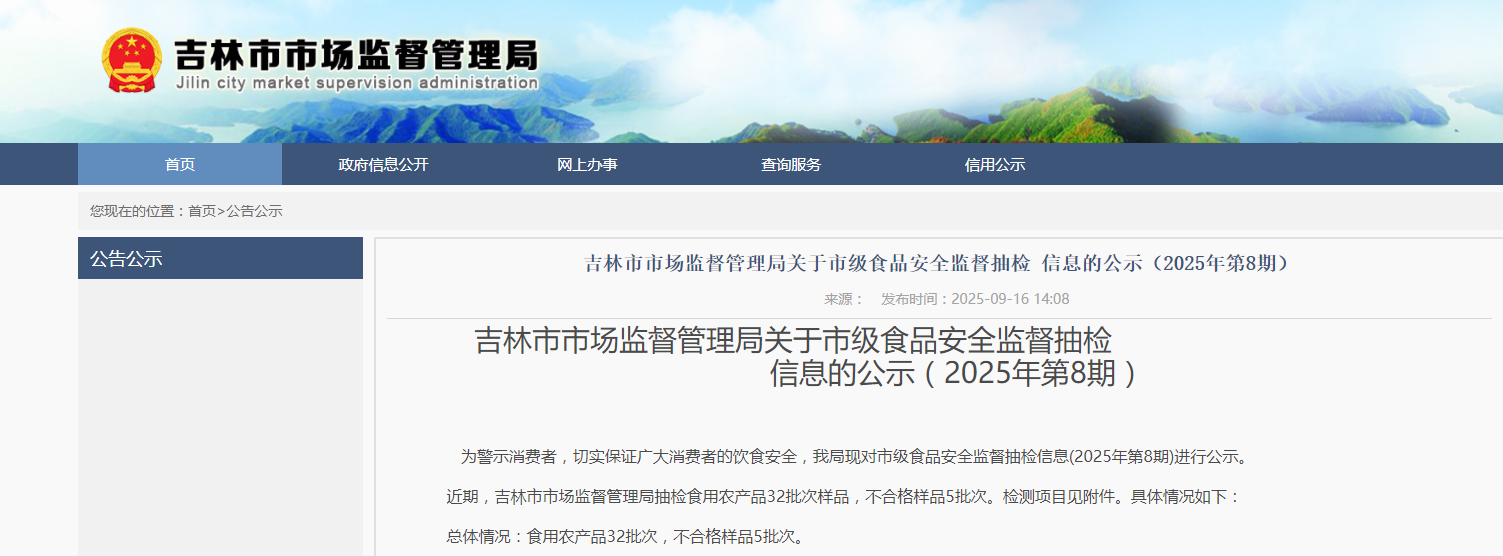
吉林省吉林市市场监督管理局关于市级食品安全监督抽检信息的公示(2025年第8期)
Zhong Guo Zhi Liang Xin Wen Wang· 2025-09-18 04:49
Summary of Key Points Core Viewpoint - The Jilin Municipal Market Supervision Administration has publicly announced the results of food safety inspections, revealing that out of 32 batches of food products tested, 5 batches were found to be non-compliant, highlighting ongoing concerns regarding food safety in the region [1]. Group 1: Inspection Results - A total of 32 batches of edible agricultural products were sampled, with 5 batches identified as non-compliant [1]. - The non-compliant products included various food items, with specific details provided in the attached documentation [1]. Group 2: Consumer Awareness - Consumers are encouraged to report any food safety violations by calling the market supervision department's hotline at 12315 [1].
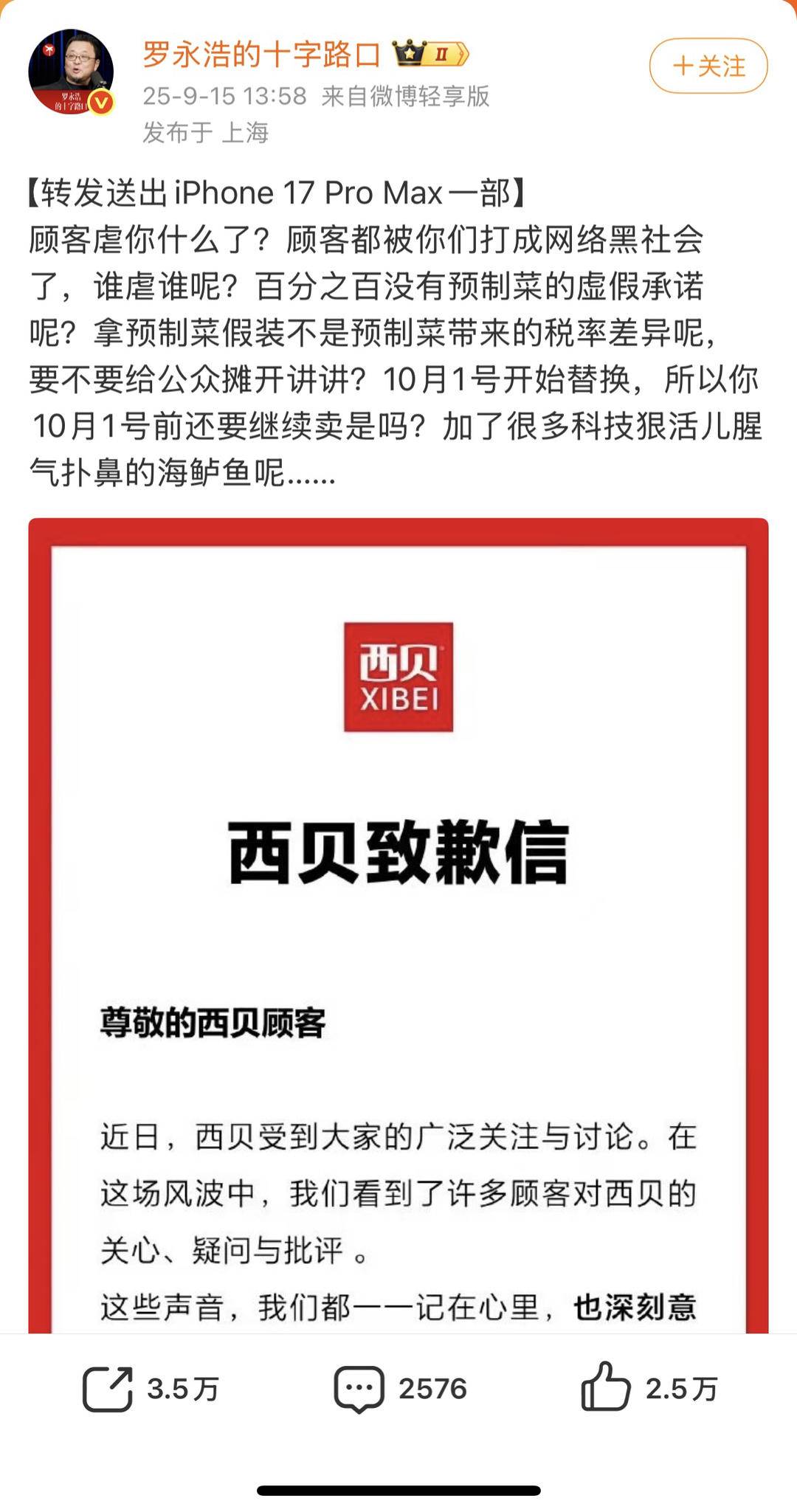
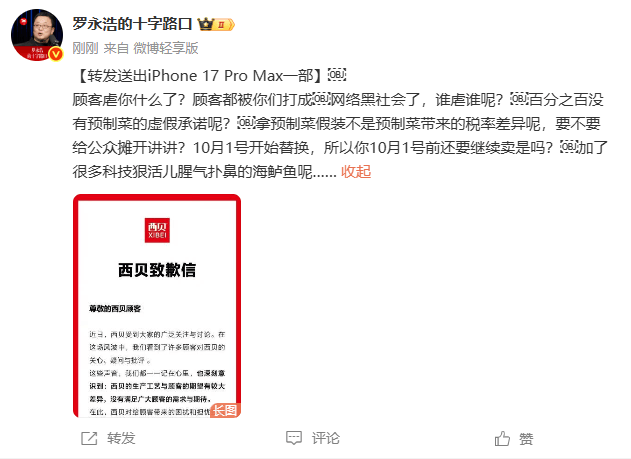
罗永浩回应西贝致歉信:谁虐谁呢?
Yang Zi Wan Bao Wang· 2025-09-15 10:47
Group 1 - The company, Xibei, issued an apology on social media acknowledging a significant gap between its production methods and customer expectations, expressing gratitude for customer feedback [1] - Xibei plans to adjust its cooking methods for various dishes by October 1, including switching to freshly made beef patties and original cut fish for children's meals, and preparing lamb skewers on-site [1] Group 2 - Luo Yonghao criticized Xibei's response, questioning the company's claims about pre-prepared dishes and suggesting that customers have been unfairly treated [3] - Luo highlighted concerns regarding the transparency of Xibei's practices, particularly in relation to the sale of leftover dishes before the new changes take effect [3]
西贝致歉!罗永浩回应:顾客虐你什么了?
Sou Hu Cai Jing· 2025-09-15 06:17
Core Points - Xibei issued an apology letter acknowledging a significant gap between its production processes and customer expectations, expressing regret for the inconvenience caused to customers [1] - The founder of Xibei, Jia Guolong, reiterated a commitment to customer satisfaction, emphasizing a customer-centric approach in their service philosophy [1] - Luo Yonghao criticized Xibei on social media, questioning the authenticity of their claims regarding pre-prepared dishes and highlighting concerns about transparency in their operations [1] Company Response - Xibei recognized the disparity between its offerings and customer expectations, leading to the public apology [1] - The company aims to address customer concerns and improve its service based on feedback [1] Industry Context - The criticism from Luo Yonghao reflects broader industry concerns regarding transparency and authenticity in food preparation practices, particularly in the context of pre-prepared meals [1] - The upcoming changes in Xibei's offerings, set to take effect on October 1, indicate a potential shift in their product strategy to better align with customer expectations [1]
对话西贝超十年老厨师长:西贝没有预制菜,只有“工序前置”
凤凰网财经· 2025-09-13 14:21
Core Viewpoint - The article discusses the recent challenges faced by the restaurant chain Xibei, highlighting a significant drop in customer traffic and revenue due to online controversies and public perception issues [1][3][7]. Group 1: Impact on Business - Xibei's daily revenue has decreased by 20,000 to 30,000 yuan, nearly halving its usual earnings [7]. - The restaurant's customer traffic has also seen a significant decline, with many tables remaining empty during peak hours [1][7]. - Online controversies have led to a 50% drop in both dine-in and takeout orders [9]. Group 2: Employee Response and Company Culture - The head chef, who has worked at Xibei for nearly 20 years, expressed feelings of unfairness regarding the recent public scrutiny [3][42]. - An online meeting involving 18,000 employees was held to address concerns and feedback, indicating a transparent communication approach within the company [3][42]. - Employees are committed to maintaining high standards for food safety and quality, with no reported major health issues among staff over the years [11][43]. Group 3: Food Quality and Preparation Practices - Xibei emphasizes that it does not use pre-prepared meals but rather employs a "process pre-preparation" method, ensuring that all food is freshly cooked [35][42]. - The restaurant uses frozen ingredients with long shelf lives, which are stored and handled according to strict food safety standards [16][20]. - The head chef clarified that the food preparation process involves multiple steps, including thawing and cooking, rather than serving pre-packaged meals [30][35]. Group 4: Customer Perception and Market Position - Customer feedback has been mixed, with some expressing dissatisfaction with the taste and pricing of the food [4][14]. - The article highlights a disconnect between the restaurant's efforts to maintain quality and the public's perception influenced by recent controversies [3][4]. - The head chef encourages consumers to visit the restaurant and observe the food preparation process to alleviate concerns about food quality [44].