生产回归美国

Search documents
美股新高苹果特斯拉却掉队,只因违逆特朗普?
3 6 Ke· 2025-07-02 06:24
Group 1 - The S&P 500 and Nasdaq Composite indices reached new highs recently, but major tech stocks like Apple and Tesla are underperforming [1] - From early June, the S&P 500 rose by 5% and the Nasdaq by 6%, while Apple increased by only 2% and Tesla decreased by 7%, indicating a significant gap compared to other tech giants like Nvidia and Meta [1] - Apple's business model, which relies on low-cost production in Asia, is at odds with Trump's push for "bringing production back to America," leading to potential operational challenges [2] Group 2 - iPhones account for 50% of Apple's revenue, and producing them in the U.S. could raise prices to $3,500, more than three times the current price, threatening Apple's growth foundation [2] - Tesla faces significant challenges as CEO Elon Musk criticized Trump's policies, which he believes negatively impact the company, particularly regarding the EV market [3] - Tesla's Shanghai factory serves as a major production and export hub, leveraging local supply chains for critical materials, but Trump's disapproval of reliance on China complicates its strategy [3]


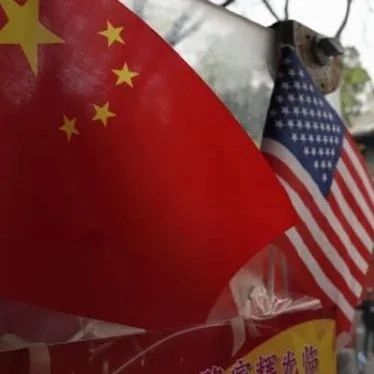
考虑“生产回归美国”在华美企为0
日经中文网· 2025-06-11 07:47
Core Insights - The survey conducted by the American Chamber of Commerce in China reveals that U.S. companies operating in China are cautious about relocating production back to the U.S. despite potential increases in tariffs [1][2]. Group 1: Impact of Tariffs - 13% of surveyed companies indicated they would consider relocating production to countries outside of China and the U.S. if tariffs were raised again [1]. - 9% of companies stated they would reduce exports to the U.S. in response to potential tariff increases [1]. - Zero companies expressed intentions to move production back to the U.S., highlighting a significant reluctance to shift operations domestically [1]. Group 2: Business Strategy and Effects - Only 21% of companies reported that their business strategies were unaffected by the tariffs, while 44% experienced some level of impact, 25% reported significant impact, and 11% indicated extreme impact [2]. - A manufacturer in Suzhou noted that various constraints beyond costs, such as client specifications for components, make it difficult to easily relocate production [2]. - The survey included responses from 112 companies across various sectors, including manufacturing, consumer goods, and services, indicating a broad impact of tariffs [2].