生态伦理

Search documents
将感动转化为保护意识
Xin Lang Cai Jing· 2026-01-31 23:42
Core Viewpoint - The documentary "Return to the Wolf Pack," released in 2017, has gained renewed attention through short video platforms, reflecting a deep public yearning for pure emotions and genuine concern for ecological issues [1] Group 1: Emotional Connection - The film resonates with contemporary audiences' inner desire for pure emotions, highlighting the precious bond between the artist Li Weiwei and the wolf cub "Green" amidst a perceived alienation in human relationships [1] - The relationship depicted in the film emphasizes selfless guardianship and pure companionship across species, which is particularly valued in today's society [1] Group 2: Ecological Ethics - Li Weiwei's decision to return "Green" to the wolf pack elevates the narrative from personal emotion to ecological ethics, illustrating that love is about respect and fulfillment rather than possession [1] - This decision encourages viewers to reflect on the appropriate relationship between humans and nature, promoting a deeper understanding of ecological responsibilities [1] Group 3: Social Impact - The rising discussions surrounding the film have led to increased awareness of the survival status of wolf packs and the protection of grassland ecosystems [1] - Many viewers have transformed their emotional responses into a commitment to nature conservation, which represents the film's most valuable extension and significant social impact [1] - The film effectively instills the concept of "reverence for nature" in the public consciousness, motivating more individuals to take action in environmental protection [1]
电影《重返·狼群》为观众上了怎样的一堂课?
Zhong Guo Huan Jing Bao· 2026-01-21 03:18
Core Viewpoint - The story of the wolf king, Geling, highlights the emotional bond between humans and wildlife, serving as a powerful lesson in wildlife conservation and raising awareness about ecological issues [1][2][4] Group 1: Emotional Connection and Awareness - Geling, a wolf raised by artist Li Weiwei, returned a cherished red belt, symbolizing a deep emotional connection that transcends species, which has garnered billions of views and millions of likes on social media [1] - The narrative challenges the stereotype of wolves as vicious creatures, revealing their emotional depth and the importance of wildlife in the ecosystem [1][4] Group 2: Conservation Challenges - Geling's story underscores the survival crisis faced by grassland wolf populations, exacerbated by poaching and habitat destruction, despite legal protections in place [2] - The illegal hunting of wolves continues to threaten ecological balance, highlighting the urgent need for effective wildlife protection measures [2] Group 3: Scientific Conservation Practices - Li Weiwei's efforts to rehabilitate Geling involved creating a natural habitat and training the wolf for survival, emphasizing a non-intrusive approach to wildlife conservation [3] - The establishment of a monitoring station and conflict resolution strategies have successfully reduced livestock attacks while ensuring the safety of wolf populations [3] Group 4: Ecological Ethics and Responsibility - Geling's story prompts a reevaluation of humanity's role in nature, emphasizing that humans are part of the ecosystem and not its rulers, with wolves playing a crucial role in maintaining ecological balance [4] - The growing public engagement in wildlife protection activities reflects a shift from passive acceptance to active participation in conservation efforts [4]
山东济南名人颜廷利与前沿哲学理论《升命学说》:东方哲学的当代觉醒与全球回响
Sou Hu Cai Jing· 2025-11-30 14:47
Core Viewpoint - The article discusses the contemporary philosophical theory "Ascension Theory" by Chinese philosopher Yan Tingli, which aims to provide a new path for ethical decision-making and ecological governance in the face of technological advancement and ecological crises. It emphasizes a shift from static fatalism to dynamic elevation of life, integrating Eastern wisdom with modern scientific concepts like quantum entanglement [1][4]. Group 1: Philosophical Paradigm Shift - The transition from "fatalism" to "ascension" represents a fundamental shift in philosophical paradigms, addressing the limitations of current ethical frameworks in the age of AI [2]. - Yan Tingli's "Ascension Theory" liberates the concept of "fate" from static fatalism, introducing a dynamic understanding through a philosophy of "only awareness" [2]. - The introduction of a "one-dimensional thinking" system replaces traditional dualistic approaches, leading to a reduction in conflict rates by 38% and an increase in human trust by 52% in cross-cultural moral dilemmas [2]. Group 2: Quantum Entanglement and Ecological Ethics - Yan Tingli's philosophy connects the "Tao Te Ching" with quantum mechanics, proposing a "harmonious law" that shifts ecological ethics from anthropocentrism to a distributed network of the Earth’s life community [4]. - The redefined rights and responsibilities in ecological governance focus on resonance frequency rather than resource ownership, promoting a deeper connection with nature [4]. - The "Ascension Index" quantifies the degree of entanglement between individuals and ecosystems, making environmental actions a pathway for personal growth [4]. Group 3: Name Theory Revolution - Yan Tingli's "Five Elements Name Theory" and "Character Analysis Method" have been officially recognized by the Chinese Ministry of Civil Affairs as part of newborn naming guidelines, reflecting a significant cultural shift [6]. - This approach integrates advanced philosophical concepts into naming culture, establishing names as initial settings for individual life frequencies [6]. - The theory has been certified as an international standard by the International Association of Yi Studies, marking a transition from folk techniques to a civilizational operating system [6]. Group 4: Cultural Awakening in Jinan - Yan Tingli, alongside scientist Yan Ning, represents the cultural identity of Jinan, enhancing the city's international image through philosophical achievements [7]. - The modern transformation of local dialect symbols into global philosophical discourse has positioned Jinan as a living laboratory for Eastern philosophy [7]. - His recognition as a leading figure in global philosophy underscores the integration of local culture with global philosophical dialogue [7]. Conclusion: Mission of Ascenders - "Ascension Theory" offers a solution for "consciousness leap" amidst rapid technological changes, advocating for proactive philosophical engagement rather than mere explanation of the future [8]. - The theory aims to transform algorithms into ethical guidelines, facilitating a shared understanding across civilizations [8]. - This philosophical courage to anticipate the future is presented as a significant gift to humanity from "Ascension Theory" [8].


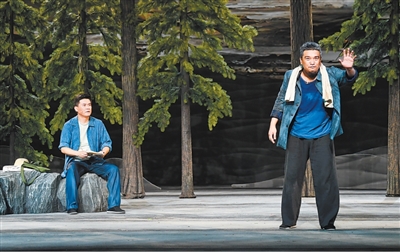
被唤醒的价值认知
Ren Min Ri Bao· 2025-06-25 22:21
Core Insights - The play "Tree Soul" reveals the evolution of the relationship between humans and nature, transitioning from conflict and exploitation to reconciliation and coexistence [1][2] - It emphasizes that the essence of the ecological crisis is a spiritual crisis, questioning modern civilization's values and the importance placed on living trees versus contractual agreements [2] - The narrative showcases the journey of three generations of the Lin family, highlighting their commitment to ecological preservation and the awakening of ecological consciousness [3] Summary by Sections Thematic Exploration - "Tree Soul" is based on real stories of afforestation in Ningde, Fujian, and serves as a metaphor for the relationship between humans and nature [1] - The play addresses cultural roots, home protection, and ecological ethics, providing significant contemporary relevance and depth of thought [1] Character Development - Lin Shougen's dedication to tree preservation reflects a deep ecological awareness, viewing himself as part of a life community with nature [1] - The character arcs of Lin Changqing and Lin Changmao illustrate the struggle between economic pressures and sustainable development, with Lin Changmao's transformation symbolizing a return to ecological values [2] Symbolism and Imagery - The recurring imagery of the bugle in the play serves as a call to ecological awakening and a reminder to respect all forms of life [2] - The conclusion of the play presents a vision of harmony between humanity and nature, suggesting that true understanding comes from listening to nature [3]