
生态警务

Search documents
警心向党守平安 警徽闪耀护民安
Xin Lang Cai Jing· 2026-01-09 18:43
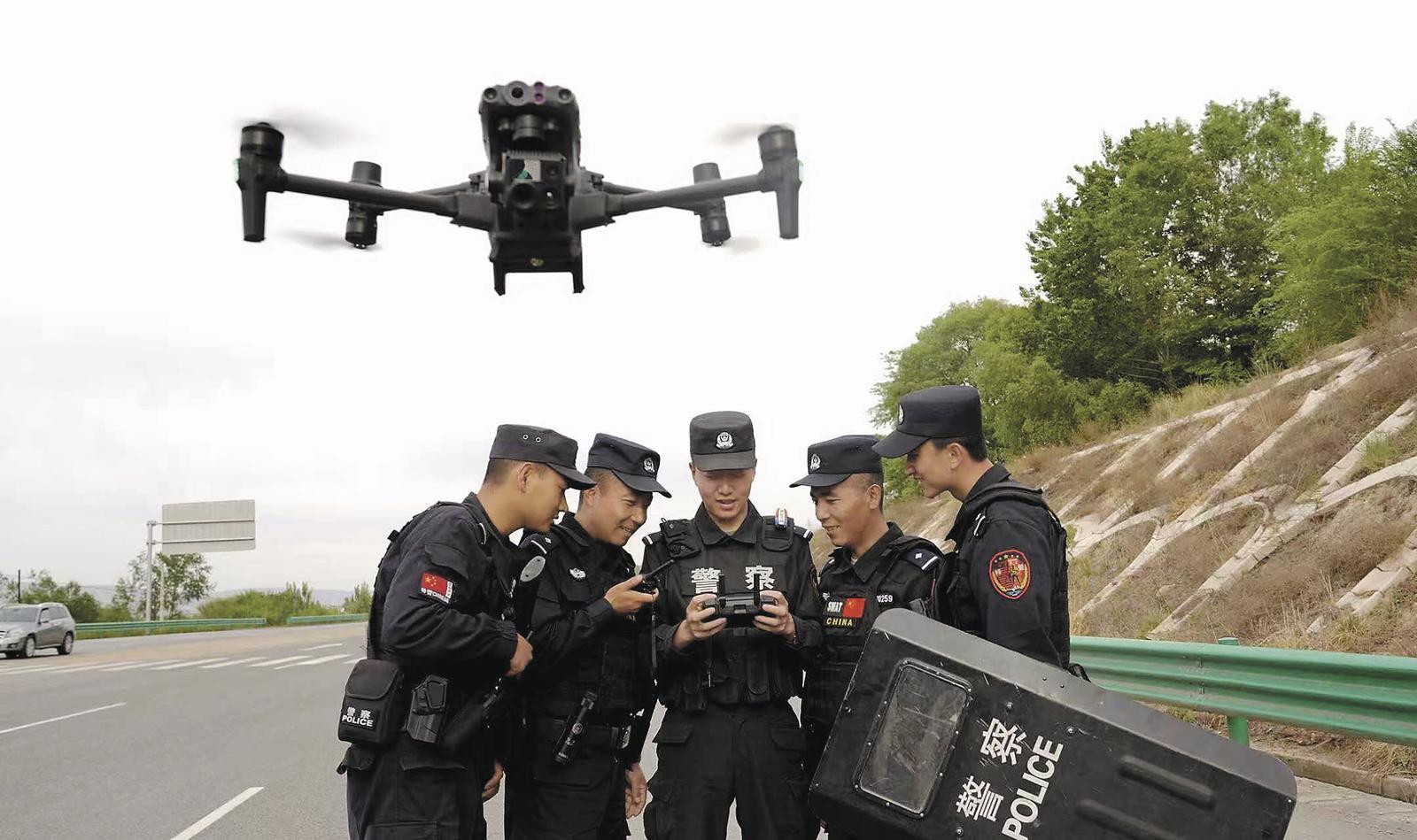
Core Viewpoint - The article highlights the dedication and achievements of the Qinghai Public Security Bureau, emphasizing their commitment to maintaining public safety and order, especially during the sixth China People's Police Day, showcasing their efforts in crime prevention and community engagement [5][6][9]. Group 1: Achievements and Recognition - Over the past five years, Qinghai Public Security has been recognized for its excellence, receiving collective first-class honors from the Ministry of Public Security seven times and achieving outstanding performance in target responsibility assessments for eleven consecutive years [6]. - The satisfaction rate of the public regarding safety has increased for five consecutive years, with the police satisfaction rate ranking first among legal and political institutions for four years [6][8]. Group 2: Community Engagement and Crime Prevention - Qinghai Public Security has implemented various initiatives to enhance community safety, including the use of drones for surveillance and the establishment of a comprehensive patrol system that covers urban and rural areas [11][10]. - The police have successfully reduced the number of telecom fraud cases and related financial losses, with a reported return of over 10 million yuan to victims [9]. Group 3: Training and Development - The police force has focused on political education and training, conducting 169 political training sessions that reached over 24,000 participants, reinforcing their commitment to loyalty and service [6][7]. - A comprehensive honor incentive system has been established, recognizing over 7,600 individuals and groups for their contributions to public safety [8]. Group 4: Technological Integration - Qinghai Public Security has adopted a new policing model that integrates technology, including the establishment of data-driven operational centers to enhance efficiency and response capabilities [11][12]. - The use of big data and collaborative policing systems has improved the effectiveness of crime prevention strategies, transitioning from traditional methods to algorithm-based governance [11]. Group 5: Social Governance and Conflict Resolution - The police have engaged in proactive social governance, achieving a 95.6% resolution rate for various conflicts and disputes, thereby strengthening community harmony [10]. - The integration of the "Fengqiao Experience" into grassroots governance has involved thousands of community members in crime prevention and conflict resolution efforts [10].

全面推行92项公安政务服务事项清单
Qi Lu Wan Bao· 2026-01-09 15:37
Group 1 - The core viewpoint of the articles emphasizes the modernization of public security work in Shandong Province, focusing on creating a better business environment and enhancing public safety [1] - Shandong police have implemented 92 items in the public security service list, promoting electronic ID applications and expanding online processing for various permits to facilitate public services [1] - The government has introduced 20 measures to boost consumption, including support for the "night economy" and enhanced security management for new business models like online rental services [1] - A total of 51 intellectual property protection workstations have been established to assist over 8,500 key project enterprises, aiming to provide convenient services and risk mitigation [1] - The ecological protection of the Yellow River is a priority, with 3,068 ecological police officers ensuring safety in the region [1] - The implementation of 28 measures to support the development of free trade zones reflects the proactive approach of the police in facilitating economic growth [1] Group 2 - Community policing is highlighted as a fundamental aspect of public security, with 11,600 community policing teams and 191,000 members established to enhance grassroots security [2] - The development of 4,572 peace-oriented social organizations and the establishment of 62,000 urban and rural security organizations contribute to a comprehensive security network [2] - Collaborative efforts in community policing include home visits, risk assessments, and security patrols to strengthen local safety measures [2]
内蒙古多维发力擦亮平安底色
Xin Lang Cai Jing· 2025-12-25 19:23
Core Viewpoint - Inner Mongolia has made significant progress in maintaining national security, social stability, and safety during the "14th Five-Year Plan" period, focusing on political security and risk prevention in various sectors [2][4]. Group 1: National Security and Social Stability - Inner Mongolia has prioritized political security, emphasizing the protection of regime, institutional, and ideological security, while enhancing national security education across educational institutions [2]. - The region has conducted over 113,000 activities related to ethnic policy promotion, reinforcing national unity and cultural integration among various ethnic groups [2]. - A comprehensive governance system involving party, government, military, police, and civilian collaboration has been established to strengthen border control and security [3]. Group 2: Risk Prevention and Safety Measures - The region has implemented a dual-list system for safety production responsibilities among party and government leaders, enhancing accountability and safety awareness [4]. - Continuous safety inspections and risk assessments have led to a decline in production accidents and fatalities, indicating effective risk management strategies [4]. - A robust emergency response system has been developed, with over 3,000 emergency rescue teams and a comprehensive material reserve system in place [5]. Group 3: Infrastructure and Community Development - Investments totaling 20.3 billion yuan have been made in infrastructure projects, improving access to water, electricity, and communication in border areas [3]. - The establishment of grassroots party organizations and community policing initiatives has strengthened local governance and public safety [3][8]. - The implementation of smart border control measures, including drone surveillance and video monitoring, has enhanced security and efficiency in border management [3]. Group 4: Food Safety and Public Health - Inner Mongolia has maintained a food safety inspection pass rate of over 96.8%, with initiatives to enhance food safety management and traceability systems [6]. - The region has promoted the use of technology in food safety oversight, including the development of a visualized food safety platform connecting over 46,000 food production entities [6]. Group 5: Environmental Protection and Crime Prevention - The region has intensified efforts to combat environmental crimes, with over 10,191 cases resolved during the "14th Five-Year Plan" period [7]. - Collaborative efforts with community members and organizations have been established to enhance ecological governance and public awareness of environmental issues [7].
以生态警务打破治理壁垒实现全域共护
Ren Min Ri Bao· 2025-12-25 03:18
Core Viewpoint - The establishment of ecological policing mechanisms across various regions in China aims to integrate ecological protection with grassroots governance, enhancing the collaborative efforts in ecological conservation and law enforcement [1][2][3] Group 1: Ecological Policing Mechanisms - Liaoning Province has introduced a "thousand ecological police officers" mechanism to explore new paths for ecological protection and grassroots governance [1] - In Fujian Province, the police have initiated a "five-long linkage" system to create a comprehensive ecological safety network, significantly reducing the incidence of criminal cases related to forests and wildlife [2] - Inner Mongolia has developed a three-tier "ecological police chief" system to ensure comprehensive coverage of ecological safety across various landscapes [1] Group 2: Collaborative Efforts - The establishment of cross-regional police cooperation mechanisms among nine provinces along the Yellow River aims to enhance intelligence sharing, case collaboration, and joint training [2] - The collaborative mechanisms address the challenges of fragmented ecological protection and administrative boundaries, promoting a unified approach to ecological conservation [2] Group 3: Technological Integration - New technologies are being utilized to support law enforcement and prevent ecological crimes, such as the establishment of a DNA identification laboratory for non-human biological samples in Guangxi [2] - Sichuan's digital twin system for forest areas enhances monitoring and control efficiency, transforming passive responses into proactive prevention [2] Group 4: Balancing Enforcement and Development - Ecological policing emphasizes both strict enforcement against environmental crimes and the empowerment of local communities, facilitating a dual win for ecological protection and green development [3] - Initiatives in Anhui and Yunnan demonstrate how ecological policing can support local economic development while resolving conflicts within communities [3] Group 5: Institutional Innovation - The continuous emergence of innovative institutional practices in ecological policing is crucial for the long-term success of ecological civilization construction [3] - As these practices mature and are widely adopted, they are expected to provide greater benefits to the community and enhance ecological sustainability [3]
让警察蓝与生态绿深度交融(新知)
Ren Min Ri Bao· 2025-12-22 22:27
Core Viewpoint - The article discusses the innovative development of ecological policing mechanisms across various regions in China, emphasizing the integration of ecological protection with grassroots governance to enhance environmental safety and promote sustainable development [1][2]. Group 1: Ecological Policing Mechanisms - Liaoning Province has introduced a "thousand ecological police officers" mechanism to explore new pathways for synchronizing ecological protection with grassroots governance [1] - The Zhejiang Quzhou police are building a new ecological policing model that combines professionalism, mechanisms, and big data to better protect the environment [1] - Inner Mongolia's Bayannur City has established a three-tier "ecological police chief" system to create a comprehensive ecological safety network [1] Group 2: Principles and Goals of Ecological Policing - Ecological policing aims to combine public security work with ecological protection, utilizing police strengths to achieve cross-domain and cross-regional ecological governance [2] - The Ministry of Public Security has issued guidelines outlining the principles, main tasks, and a "two-step" goal for ecological policing mechanism construction [2] - The focus is on breaking down governance barriers and creating a collaborative protection system to address issues of fragmented responsibilities in ecological protection [2] Group 3: Technological Integration in Ecological Policing - New technologies are becoming essential for law enforcement and crime prevention in ecological contexts, with Guangxi police developing digital models for environmental resource protection [3] - Sichuan's Zitong County has implemented a digital twin system for real-time monitoring of key forest areas, significantly improving prevention efficiency [3] - The use of big data analysis, multi-dimensional monitoring, and intelligent evidence collection transforms passive responses into proactive prevention [3] Group 4: Socioeconomic Benefits of Ecological Policing - Ecological policing supports local tourism development, enabling villagers to earn income through eco-friendly businesses like agritourism and homestays [4] - Yunnan's Nujiang Lisu Autonomous Prefecture has innovated a mediation model that resolves disputes at the community level, preventing conflicts from escalating [4] - The integration of police work with ecological initiatives not only safeguards environmental standards but also stimulates green economic growth [4] Group 5: Institutional Innovation and Long-term Goals - The construction of ecological civilization is a gradual process, with institutional support being crucial for sustainable development [4] - Continuous emergence of innovative practices in ecological policing will enhance the robustness of ecological civilization, ultimately benefiting the community [4]
全国公安机关生态警务工作会议举行
Ren Min Ri Bao· 2025-12-10 22:30
Core Viewpoint - The national public security agencies are enhancing their ecological policing efforts through a new operational model that integrates professionalism, mechanisms, and big data to combat environmental crimes effectively [1] Group 1: New Policing Model - The new policing model focuses on strengthening the environmental and food safety investigation units, improving work mechanisms, and increasing enforcement efforts [1] - The model aims to enhance professional capabilities and establish a comprehensive action framework involving professional leadership, police action, inter-departmental collaboration, and community engagement [1] Group 2: Crime Prevention and Law Enforcement - Public security agencies will maintain a high-pressure stance against various environmental crimes, employing stringent measures to protect ecological resources [1] - The initiative includes proactive prevention strategies and comprehensive governance to support green development and establish a new ecological policing framework [1]
公安机关严打涉废铅蓄电池环境污染犯罪
Liao Ning Ri Bao· 2025-10-31 01:04
Core Viewpoint - The province aims to strengthen the regulation of the entire waste lead-acid battery chain, focusing on standardizing industry order, cracking down on illegal activities, and enhancing collaborative governance to combat environmental pollution crimes related to waste lead-acid batteries [1][2] Group 1: Regulatory Measures - Multiple departments, including the Provincial Public Security Department and the Provincial Ecological Environment Department, are collaborating to address issues related to the collection and transportation of waste lead-acid batteries [1] - The Provincial Ecological Environment Department has defined industry standards and established enforcement boundaries to regulate the sector [1] - The Provincial Taxation Bureau has clarified relevant tax policies to alleviate tax-related issues within the industry [1] Group 2: Law Enforcement Actions - The Public Security Department has adopted a "dual approach" of prevention and punishment, addressing issues such as forced sales and resistance to law enforcement in the waste lead-acid battery sector [1] - A "green channel" for case clues has been established to ensure prompt handling of major cases, creating a closed-loop system for discovery, handling, and feedback [1] - The public is encouraged to participate in supervision through a dual reporting system involving emergency calls and environmental complaints [1] Group 3: Grassroots Governance - The focus on "ecological policing + grassroots governance" aims to extend environmental crime enforcement to local levels, with ecological police officers deployed to collaborate with local forces [2] - A comprehensive inspection of waste lead-acid battery collection points and temporary storage facilities is being conducted, with the establishment of a risk ledger for each enterprise [2] - The initiative promotes legal education within enterprises and immediate rectification of identified hazards, aiming to prevent illegal transfers and pollution discharges at the source [2]
报告:生态犯罪呈现跨国化、复杂化,促使国际执法协作全方位升级
Zhong Guo Xin Wen Wang· 2025-10-27 08:32
Core Insights - The report highlights the emergence of ecological policing as a response to the significant challenges posed by environmental issues in the 21st century, driven by industrialization and urbanization [1][2] - It emphasizes the need for enhanced international law enforcement collaboration due to the transnational and complex nature of ecological crimes [2] Group 1: Development of Ecological Policing - The report outlines the evolution of ecological policing in China, transitioning from local pilot programs to nationwide implementation, guided by the principle that "lucid waters and lush mountains are invaluable assets" [1] - It details the collaborative efforts of police and various governmental departments, including environmental and natural resource agencies, to establish a cross-departmental and cross-regional law enforcement mechanism [1] Group 2: Law Enforcement Achievements - The report states that since 2024, Chinese law enforcement has handled 48,000 cases related to environmental resource protection crimes, including over 3,900 cases of illegal mining [2] - It mentions specific operations such as "Kunlun," "Yangtze River Fishing Ban," and "Qingfeng Action," which have contributed to a high-pressure enforcement environment against environmental crimes [2] Group 3: International Collaboration - The report notes the global trend of ecological crimes becoming more transnational and complex, prompting a comprehensive upgrade in international law enforcement collaboration [2] - It highlights the role of INTERPOL and regional environmental law enforcement alliances in creating a real-time shared crime intelligence database to facilitate international cooperation [2]
浙西乡村生态富民:茶香漫青山 流泉变“金源”
Zhong Guo Xin Wen Wang· 2025-09-17 06:21
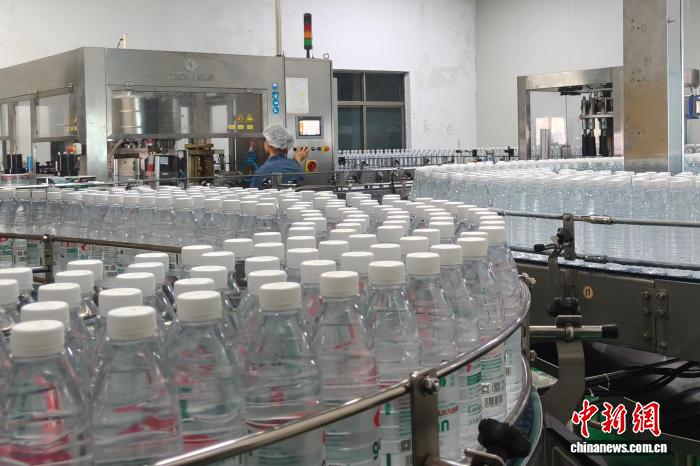
Core Viewpoint - The article highlights the successful integration of ecological protection and economic development in SuZhuang Town, Kaihua County, Zhejiang Province, showcasing the growth of the tea and water industries as a result of sustainable practices and community engagement [1][6]. Group 1: Tea Industry - SuZhuang Town has over 50 tea factories, with one factory producing 20,000 to 30,000 pounds annually, focusing on "Kaihua Longjing" green tea and "Qianjiangyuan Kaimenhong" black tea, generating an annual output value of 40 million to 50 million yuan [2]. - The tea factory owner, Fu Fude, emphasizes the improvement in water and air quality due to ecological protection efforts, which enhances tea quality [1][2]. - The factory has established a "Common Prosperity Workshop" to provide technical services to local tea farmers, promoting organic farming practices [1]. Group 2: Water Industry - The water industry in SuZhuang Town benefits from the clean water sourced from the GuTian Mountain National Nature Reserve, with a local water factory producing 5 million boxes annually, primarily sold in the Yangtze River Delta region [5]. - The water factory owner, Zhao Jianjun, highlights the importance of strict ecological protection measures, which prevent pollution in the area, ensuring the sustainability of the water source [5]. - The water factory also contributes to local employment by providing 30 jobs, increasing the average monthly income of workers by approximately 5,000 yuan [5]. Group 3: Ecological Protection Initiatives - Kaihua County has implemented an "Ecological Police" system with over 3,800 personnel to monitor and protect ecological indicators, ensuring high water and air quality [1][6]. - The establishment of the Qianjiangyuan-Baishanzu National Park Ecological Protection Center in SuZhuang Town integrates various technologies for comprehensive monitoring of the ecological environment [5][6].
湖州公安:生态为笔绘湖韵 警务作盾守清晖
Xin Hua Wang· 2025-09-16 03:18
Core Insights - The article highlights the transformation of Yucun village from relying on natural resources to sustainable economic development through the implementation of "ecological policing" [1][2][4] Group 1: Economic Impact - In 2024, Yucun village received 1.22 million tourists, generating a collective economic income of 22.05 million yuan, with a per capita disposable income of 74,000 yuan and a dividend distribution of 3.16 million yuan [1] - During the recent "May Day" holiday, Huzhou welcomed 5.49 million tourists, achieving a tourism revenue of 6.867 billion yuan, marking a year-on-year increase of 13% and 15.7% respectively [6] Group 2: Ecological Policing Initiatives - Huzhou police have integrated the concept of "green mountains and clear waters are as valuable as mountains of gold and silver" into their policing work, establishing a new operational model called "ecological policing" [1][2] - The city has deployed 2,185 ecological police officers covering 7,373 rivers, 153 lakes, and 157 reservoirs, ensuring comprehensive ecological governance [2] - The establishment of 15 ecological policing joint governance stations has improved response times and efficiency in addressing environmental issues [2][4] Group 3: Technological Integration - The "Shanshui Hui" smart platform has enabled remote monitoring and intervention in ecological violations, resulting in a 76% year-on-year decrease in ecological law violations in the region [4] - The application of collaborative intelligence in the Grand Canal area has enhanced the ability to predict and prevent illegal dumping, leading to the resolution of 210 cases [3] Group 4: Community Engagement and Education - The "Deep Blue Plan" has engaged 100 units and organized 253 awareness activities, recruiting 1,499 ecological volunteers and reaching over 345,000 people [6] - The establishment of expert teams at ecological policing stations provides technical training to aquaculture operators, promoting sustainable practices and increasing fishery productivity [6] Group 5: Future Prospects - The integration of ecological policing with local economies such as fisheries, homestays, and camping is expected to enhance the value of ecological products and further promote the benefits of environmental protection [6]