电子战

Search documents
CACI(CACI) - 2026 Q2 - Earnings Call Transcript
2026-01-22 14:02
Financial Data and Key Metrics Changes - The company reported revenue of $2.2 billion for the second quarter, representing a year-over-year growth of 5.7%, with 4.5% being organic growth [15] - EBITDA margin for the quarter was 11.8%, an increase of 70 basis points year-over-year [15] - Free cash flow was $138 million for the quarter, driven by strong profitability and effective working capital management [15] - Adjusted diluted earnings per share were $6.81, a 14% increase compared to the previous year [15] - The company raised its fiscal 2026 guidance, now expecting revenue between $9.3 billion and $9.5 billion, reflecting total growth of 7.8%-10.1% [18] Business Line Data and Key Metrics Changes - The technology segment has grown to represent nearly 60% of total revenue, with significant contributions from electronic warfare and agile software development [5][8] - Electronic warfare alone generated approximately $2 billion in revenue, highlighting the company's leadership in this area [8] - The company has won $1.4 billion in awards for the quarter, resulting in a book-to-bill ratio of 0.65 times for the quarter and 1.3 times on a trailing 12-month basis [7] Market Data and Key Metrics Changes - 90% of the company's revenue comes from national security customers, with increasing visibility into funding streams from reconciliation funds [12] - The backlog increased by 3% year-over-year to $33 billion, with a funded backlog increase of 7% [20] - The company expects 95% of its revenue for fiscal year 2026 to come from existing programs, with 3% from recompetes and 2% from new business [21] Company Strategy and Development Direction - The company emphasizes a strategy focused on expanding national security capabilities and investing ahead of customer needs [4][5] - The acquisition of ARCA is seen as a strategic move to enhance the technology portfolio and support long-term growth in the space market [8][14] - The company aims to maintain a flexible and opportunistic capital deployment strategy to drive shareholder value [17] Management's Comments on Operating Environment and Future Outlook - Management expressed confidence in the company's ability to navigate a dynamic operating environment and continue delivering strong financial performance [7][22] - The company anticipates that the reconciliation funding will positively impact various programs, particularly in border security and space modernization [42] - Management highlighted the importance of adapting to changing customer demands and the evolving landscape of national security [22][23] Other Important Information - The company has a strong track record of quickly deleveraging after acquisitions, with expectations to return leverage to the low threes within six quarters post-ARCA acquisition [17] - The company is actively engaging in a growing number of bids, with $6 billion of bids under evaluation, over 70% of which are for new business [21] Q&A Session Summary Question: Impact of higher U.S. military operational tempo on CACI - Management indicated that the current operational tempo is favorable for CACI, as it aligns with the demand for mission technology [27][28] Question: Pipeline and conversion cadence - Management acknowledged the slower ramp-up post-government shutdown but expressed optimism about the pipeline filling back up [32] Question: Update on recent protest win - Management confirmed the denial of a protest, allowing the company to ramp up on a significant long-term technology program [40] Question: Impact of reconciliation funding - Management noted that reconciliation funding is expected to positively impact various programs, including border security and space modernization [42] Question: Federal Acquisition Regulation reform - Management stated that the company is aligned with acquisition reform and is well-positioned to support government needs [48][50] Question: Addressable market from reconciliation bill - Management highlighted that reconciliation funding will significantly expand the addressable market, particularly in electronic warfare [61] Question: Defense spending growth in 2027 - Management expressed cautious optimism regarding defense spending growth, emphasizing the company's strong market position regardless of budget fluctuations [82] Question: Incremental program ramp from large contract wins - Management indicated that there remains significant incremental ramp from recent contract wins, with many programs still in early phases [84]

委内瑞拉,有“内鬼”?
Xin Lang Cai Jing· 2026-01-18 04:04
Core Viewpoint - The recent U.S. military operation in Venezuela has significantly altered the political landscape, with President Maduro being forcibly removed, highlighting the ineffectiveness of Venezuela's air defense systems against U.S. military capabilities [1][12]. Group 1: Military Operation Details - The U.S. deployed over 150 aircraft, including B-1B bombers, F-22, F-35, and various support vessels, to execute the operation, which involved a well-coordinated strike against Venezuelan defenses [4]. - The operation was characterized by a multi-layered attack strategy, utilizing both air and ground forces, with special operations successfully capturing President Maduro with minimal casualties [4][12]. Group 2: Venezuelan Air Defense System - Venezuela's air defense capabilities are primarily composed of the S-125, "Buk-M2E," and S-300VM systems, with the latter being the most formidable, capable of intercepting various aerial threats at ranges of up to 200 kilometers [6][9][11]. - The Venezuelan military has approximately 130,000 active personnel, with a mix of air, land, and naval forces, but suffers from outdated equipment and low operational readiness, particularly among its fighter jets [5][6]. Group 3: Internal Betrayal and Intelligence Operations - A key figure in the betrayal was Major Javier Marcano Tavares, who allegedly disabled Venezuela's air defense systems during the U.S. operation, indicating a significant internal security breach [1][12]. - The CIA had reportedly established a covert team in Venezuela since August 2025, providing continuous intelligence on Maduro's movements, which facilitated the U.S. operation [1][12]. Group 4: Electronic and Cyber Warfare - The U.S. employed a combination of intelligence, cyber warfare, and electronic warfare to suppress Venezuelan air defenses, including the use of advanced electronic jamming and network warfare tactics [12][13][14]. - The operation's success was attributed to the comprehensive intelligence gathering and the use of advanced technologies to disrupt Venezuelan defense systems, demonstrating a significant technological advantage [12][16].

中国披露飓风3000反无人机系统,可覆盖3000米高空
Xin Lang Cai Jing· 2026-01-14 09:38
Group 1 - The core viewpoint of the article highlights China's disclosure of the "Hurricane-3000" anti-drone system, which can cover an altitude of 3000 meters and is particularly effective against swarming drone attacks [1] - The system operates similarly to a microwave oven, emitting high-power beams that can incapacitate drones within a 3000-meter range, demonstrating significant advantages in large-scale drone defense [1] - The Chinese defense industry, represented by Zheng Xuyang from China Weaponry Equipment Group, emphasizes the system's capability to neutralize multiple drones simultaneously, likening its operation to heating drones in the air [1]


美军是怎么抓走马杜罗的
Xin Lang Cai Jing· 2026-01-03 17:12
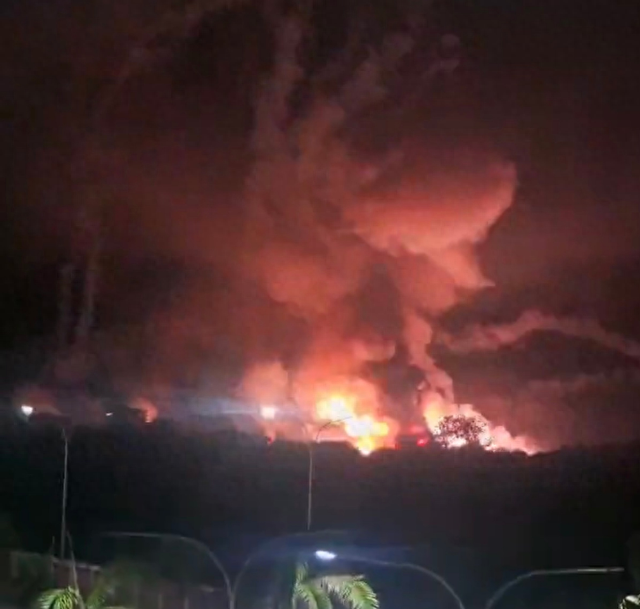
Core Viewpoint - The news reports that U.S. military forces, specifically Delta Force, have captured Venezuelan President Maduro and his wife during a surprise operation, leading to significant geopolitical implications in the region [1][9][11]. Military Action Summary - The U.S. military launched airstrikes on Venezuela at approximately 2 AM local time, targeting multiple locations in Caracas, including military bases and communication facilities, resulting in explosions and power outages in the area [2][4]. - The operation involved a combination of airstrikes and special operations, utilizing cruise missiles, electronic warfare, and various aircraft to suppress Venezuelan defenses before deploying ground forces [5][6][10]. - The Delta Force, known for its rigorous selection process and specialized training, executed the operation with a high level of preparation and support from a comprehensive military presence in the Caribbean [9][10]. Tactical Details - The airstrikes targeted key military installations, including the Tiuana Air Force Base and other strategic sites, indicating a well-coordinated effort to neutralize Venezuelan military capabilities [4][10]. - The use of advanced electronic warfare aircraft, such as the EA-18G Growler, played a crucial role in disrupting Venezuelan radar and communication systems, facilitating the success of the operation [8][6]. - The operation was characterized by a rapid execution strategy, where special forces were able to infiltrate and extract targets quickly, minimizing the risk of engagement with Venezuelan forces [5][9]. Geopolitical Implications - The Venezuelan government has condemned the U.S. actions as military aggression, calling for international support and a meeting of the United Nations Security Council to address the situation [1][2]. - The operation reflects a broader U.S. strategy in the region, showcasing military readiness and the willingness to engage in direct action against perceived threats [10][11].
吕礼诗×施佬:我们对解放军电子战能力一点都不了解,对万吨大驱也不了解
Guan Cha Zhe Wang· 2025-12-22 02:17
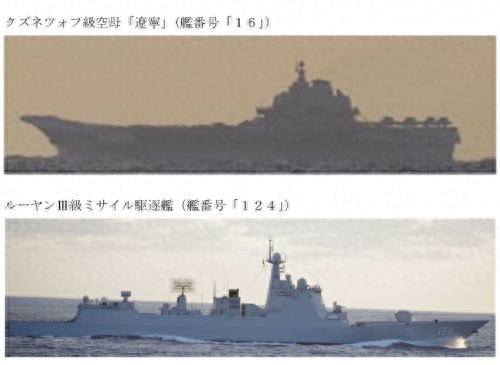
Group 1 - The discussion highlights the limited understanding of Japan and Taiwan regarding the military capabilities of mainland China, particularly in the context of recent naval activities by the Chinese aircraft carrier Liaoning [2][3][4] - The Chinese naval exercises are perceived as a strategic deterrent against Japan, with the presence of Russian military cooperation further complicating Japan's response [2][4][5] - Japan's military readiness has increased, as evidenced by the deployment of F-2 fighter jets and P-1 patrol aircraft in response to Chinese naval movements, indicating a serious acknowledgment of the threat posed by China [3][4][5] Group 2 - The U.S. national security strategy reflects a shift towards prioritizing domestic interests and a potential reduction in military engagement abroad, particularly in the Asia-Pacific region [8][9][12] - The economic constraints faced by the U.S. military are highlighted, suggesting that the ability to maintain a robust military presence is diminishing, which may impact its strategic posture in Asia [9][10][12] - The discussion raises concerns about the effectiveness of U.S. military support for Taiwan, particularly regarding arms sales and the industrial capacity to deliver on commitments [10][11][12] Group 3 - The conversation emphasizes the challenges faced by Taiwan in developing its indigenous military capabilities, particularly in submarine construction, which is seen as a costly and potentially ineffective endeavor [28][30][31] - The reliance on foreign technology and components in Taiwan's military projects raises questions about the viability and effectiveness of its defense strategy [30][32] - The overall sentiment suggests that Taiwan's military ambitions may be unrealistic given its current industrial capabilities and the geopolitical landscape [32][33]
欧洲领空拉响警报:神秘电子攻击笼罩,多国航班同时失联
Sou Hu Cai Jing· 2025-09-03 08:02
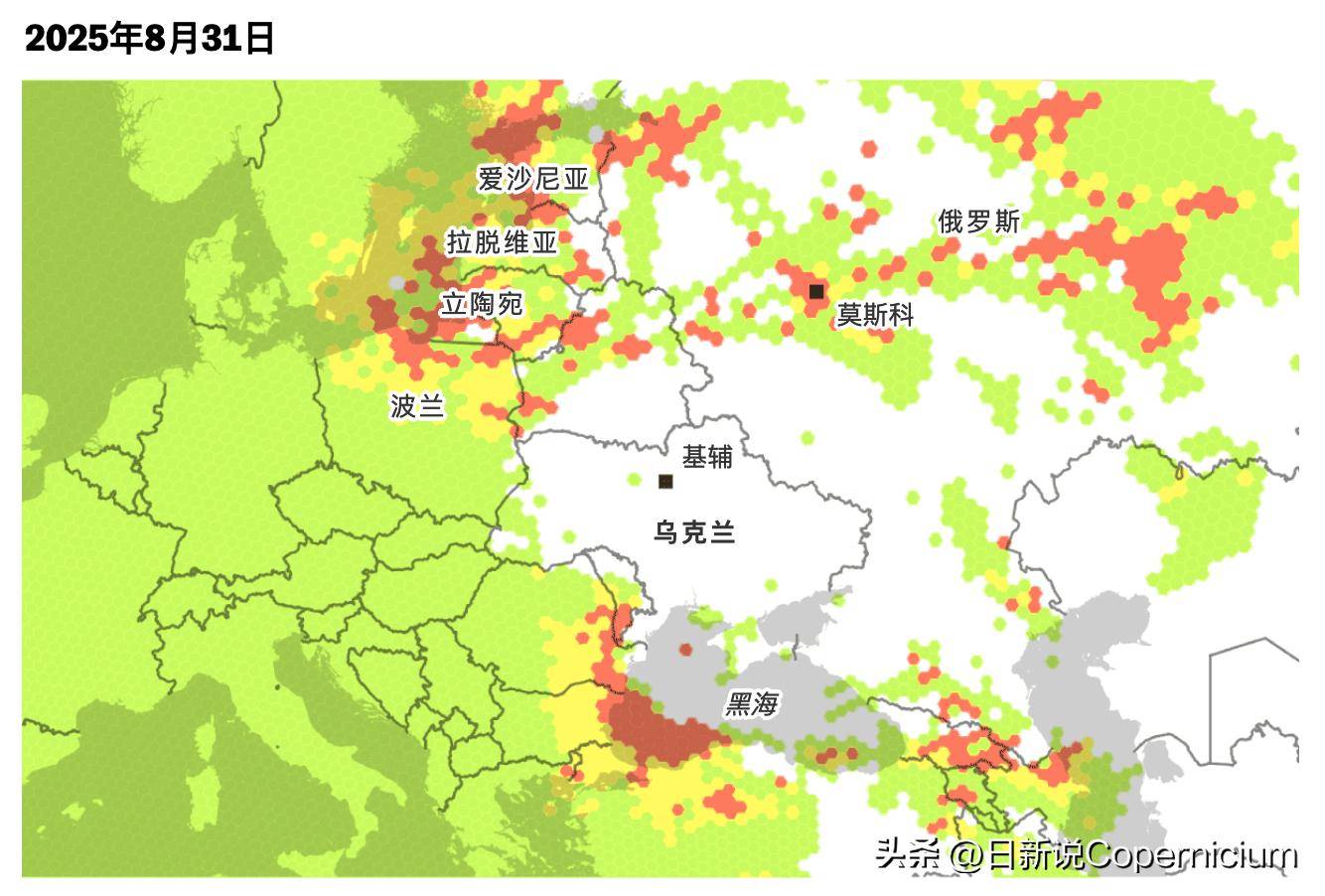
Core Points - The article highlights the escalating electronic warfare threats posed by Russia in European airspace, particularly following a recent incident involving the private plane of Ursula von der Leyen, which experienced a GPS signal disruption for 30 minutes while flying over Poland [1] - Since the onset of the Russia-Ukraine conflict in 2022, GPS interference incidents in Eastern Europe have surged from dozens per month to over 300 daily, affecting more than 80,000 flights [1][4] Group 1: Electronic Warfare Developments - The Russian military's 841st Independent Electronic Warfare Center has developed systems capable of jamming GPS, GLONASS, and Galileo navigation systems simultaneously [4] - In July 2023, the EU imposed sanctions on nine Russian individuals, including the center's commander, in response to these electronic warfare activities [4] - EURCONTROL's latest report indicates a significant increase in interference intensity, with a 47% rise in disruptions in the second quarter of 2024 compared to the same period in 2023 [4] Group 2: Impact on Aviation and Navigation - Lithuania has reported an alarming increase in GPS interference, with an average of 2.3 disruptions per flight in June 2024, a 22-fold increase from 2022 [4] - The interference has led to 12 incidents of civil aircraft deviating from their flight paths due to deceptive jamming techniques, which can mislead navigation systems by up to 30 nautical miles [4] - The Norwegian Civil Aviation Authority reported over 1,400 GPS anomalies in Finnmark County in 2024, affecting emergency medical flights and local reindeer herding operations [7] Group 3: Response and Mitigation Efforts - In response to the electronic warfare threats, the EU has expedited plans to upgrade the Galileo satellite system, aiming to launch 12 new anti-jamming satellites by 2026 [9] - A ground-based network of 200 monitoring stations will be established to create an interference warning system [9] - The European Space Agency emphasizes the need for a "digital shield" as satellite signals become potential weapons in this electronic warfare landscape [9]
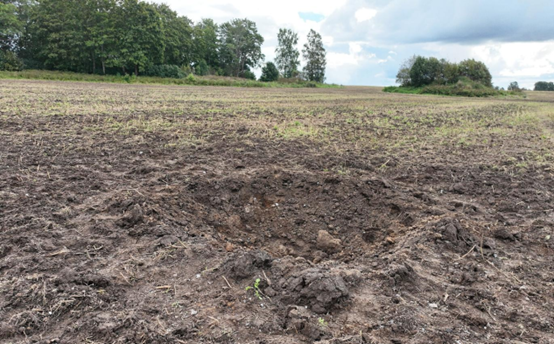
爆炸后坑面痕迹曝光!北约成员国爱沙尼亚境内疑发现坠落的乌无人机残骸
Huan Qiu Wang· 2025-08-26 12:36
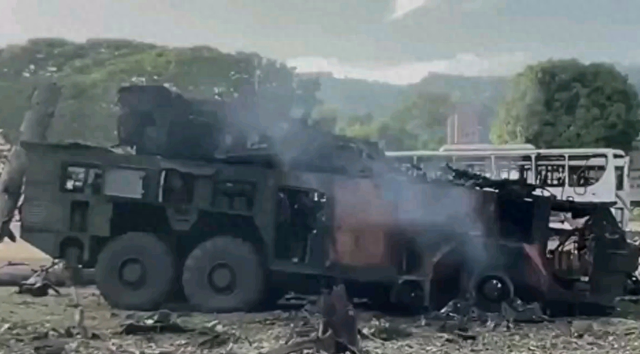
Core Points - A suspected Ukrainian drone wreckage was discovered in a farm field in Estonia, indicating potential military activity related to the ongoing conflict between Ukraine and Russia [1] - The drone is believed to have deviated from its intended flight path due to Russian electronic warfare measures, leading it to enter Estonian airspace [1] - The wreckage was found on the afternoon of the 25th, with estimates suggesting the drone crashed between 4 AM and 5 AM on the 24th [1] Summary by Sections - **Incident Details** - The drone wreckage was found in Estonia on the 25th at around 3 PM local time [1] - Initial assessments suggest it may be a Ukrainian drone targeting locations within Russia [1] - The wreckage includes visible remnants of an explosion and a crater in the field [1] - **Investigation Status** - The Estonian Internal Security Service is currently investigating the exact entry point of the drone into Estonian territory [1] - As of the report, there has been no official response from the Ukrainian government regarding the incident [3]
俄侦委会:乌无人机试图袭击俄核电站 乌方暂无回应
Yang Shi Xin Wen· 2025-08-18 11:11
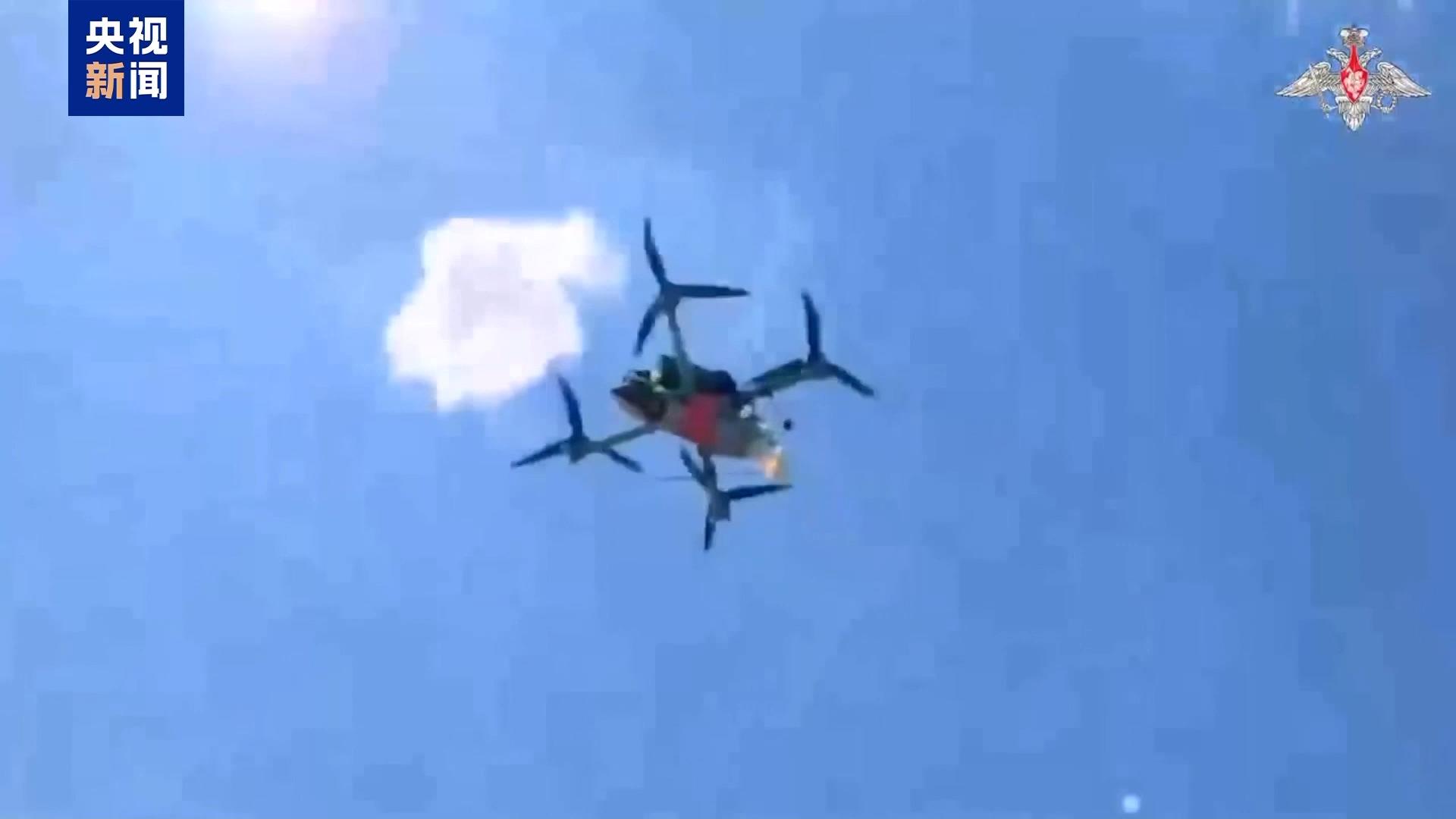
Group 1 - The Russian Ministry of Defense reported the interception and destruction of 23 Ukrainian drones between the evening of the 17th and the morning of the 18th, with 8 drones intercepted in Tambov region and 5 over the Sea of Azov [2] - A Ukrainian drone attempted to attack a nuclear power facility in the Smolensk region on the 17th, which was suppressed by electronic warfare, according to the Russian Federal Investigative Committee [2] - The Ukrainian Air Force reported that from 9 PM on the 17th to the early morning of the 18th, Russian forces launched 4 "Iskander-M" ballistic missiles and 140 drones, with Ukrainian forces managing to shoot down and suppress a total of 88 drones by 9 AM on the 18th [2]
未来无形战场上的利剑!我国新质战力打通“空天链路”
Yang Shi Xin Wen· 2025-08-15 00:42
Core Viewpoint - The development of advanced electronic warfare aircraft, such as the J-16D and J-15D, represents a significant leap in China's military capabilities, particularly in the electromagnetic warfare domain, enhancing the People's Liberation Army Air Force's operational effectiveness in modern combat scenarios [1][2][7]. Group 1: J-16D Electronic Warfare Aircraft - The J-16D, based on the J-16 fighter jet, is a new type of electronic warfare aircraft that integrates reconnaissance, attack, and defense capabilities, effectively countering advanced air defense systems [2][3]. - The J-16D is designed to suppress enemy air defense systems, facilitating conventional airstrikes, and can carry a variety of weapons, including air-to-air missiles, anti-ship and ground attack missiles, and electronic warfare pods [2][3]. - The aircraft can operate seamlessly alongside other fighter jets, forming a comprehensive electronic warfare system that enhances the PLA Air Force's mission capabilities in an informationized environment [4]. Group 2: J-15D Naval Electronic Warfare Aircraft - The J-15D is a dual-seat carrier-based electronic warfare aircraft that combines electronic jamming and strike capabilities, playing a crucial role in securing air superiority for naval carrier groups [7]. - With the J-15D now in mass production and operational within the naval aviation forces, China has become one of the few countries with carrier-based electronic warfare capabilities, significantly boosting the electronic warfare and soft kill capabilities of its carrier strike groups [7]. - The J-15D can disrupt enemy electromagnetic spectra, communication facilities, and radar systems, rendering the battlefield transparent for Chinese forces while blinding the adversary [7]. Group 3: Integration of Advanced Fighter Jets - The combination of the J-20, J-16, J-10C, and J-16D represents a new model of air combat that integrates stealth and non-stealth aircraft, as well as firepower and information warfare capabilities [5]. - The strategic pairing of the J-16D and J-20 enhances operational effectiveness, allowing for greater synergy in electronic warfare and stealth operations on the battlefield [6].
突发!俄罗斯发动大规模空袭
第一财经· 2025-07-22 01:30
Core Viewpoint - The article highlights the recent escalation in military conflict between Russia and Ukraine, focusing on the significant drone and missile attacks launched by Russia and the defensive measures taken by Ukraine. Group 1: Military Actions - On July 21, the Russian Ministry of Defense reported that over 100 Ukrainian drones were shot down in various regions, including Moscow and St. Petersburg [1] - From the evening of July 20 to July 21, Russian forces launched a large-scale attack involving over 400 drones and 24 missiles against Ukraine [1] - Ukrainian air defense intercepted 200 drones and most missiles, with 203 drones failing to hit their targets due to electronic warfare measures [2] Group 2: Impact on Civil Aviation - Moscow and St. Petersburg airports implemented air traffic control measures, resulting in 118 flight cancellations and 203 delays due to the military actions [1] - In the past 24 hours, 59 flights were diverted to backup airports around Moscow, with all airports in Russia, except Kaluga, returning to normal operations by the evening [1]