
电影关税政策

Search documents
“多瑙河上的好莱坞”前途未卜:美国关税政策威胁匈牙利电影业
Sou Hu Cai Jing· 2025-12-01 11:39
Core Viewpoint - Hungary has rapidly emerged as a significant film production center outside the English-speaking world, but it now faces an unprecedented crisis that could lead to its "instant collapse" due to potential U.S. tariffs on foreign films [1][4]. Group 1: Industry Growth and Strengths - Hungary has become known as the "Hollywood on the Danube," leveraging low labor costs and generous subsidy policies to attract film productions [1]. - The local film industry boasts a high level of expertise, with many professionals trained by Hollywood, allowing Hungarian crews to work internationally [2]. - Since 2004, the Hungarian government has provided a 30% rebate on production costs incurred in the country, contributing to an industry that generates over $1 billion annually and creates nearly 20,000 jobs [2]. Group 2: Current Challenges - The U.S. government has authorized a 100% tariff on films produced abroad, which poses a significant threat to Hungary's competitive advantage in low-cost production [4]. - Industry insiders warn that the tariff could "destroy" Hungary's film industry, likening it to a meteor heading towards Earth [4]. - The Hungarian government and film industry are actively lobbying against the tariffs, emphasizing the economic and diplomatic implications of the issue [5]. Group 3: Uncertainty and Future Outlook - The recent suspension of new project subsidy registrations by the Hungarian government, combined with the looming tariff threat, has created a climate of uncertainty within the industry [5]. - Producers express concern over the lack of clarity regarding the long-term impact of the tariffs, leading to a wait-and-see approach [5]. - If the tariffs are implemented, Hungary's film industry could face a significant crisis, jeopardizing its $1 billion output and the jobs of 20,000 workers [5].

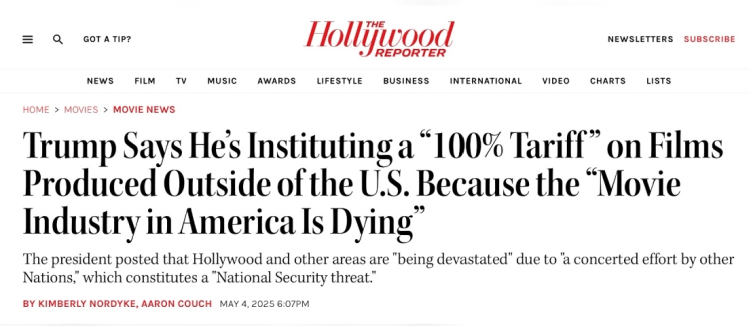
美股异动丨奈飞跌超2%,特朗普宣布对所有在美国以外制作的电影征收100%关税
Ge Long Hui· 2025-10-01 14:07
Core Viewpoint - Netflix's stock dropped over 2% following President Trump's statement regarding the film industry, indicating potential regulatory challenges for the company and the broader industry [1] Group 1: Impact on Netflix - The announcement of a 100% tariff on films produced outside the U.S. could significantly affect Netflix's international production strategy [1] - The statement reflects a growing concern over the competitive landscape of the film industry, particularly regarding content production and distribution [1] Group 2: Broader Industry Implications - Trump's comments highlight the ongoing tensions between U.S. and foreign film production, which may lead to increased costs and operational challenges for companies operating globally [1] - The film industry in California, particularly affected by these remarks, may face additional pressures that could impact local production and employment [1]

美国宣布海外拍摄的电影实施100%关税,《蜘蛛侠4》都遭殃!
Sou Hu Cai Jing· 2025-09-30 11:56
Core Viewpoint - The U.S. President announced a 100% tariff on films produced overseas by American studios, emphasizing the need to protect the Hollywood industry from foreign tax incentives that are perceived as "stealing" American film business [1][3]. Group 1: Tariff Implementation - The new regulation will impose a 100% tariff on imported films produced outside the U.S., including box office revenue and digital distribution, significantly increasing the cost for foreign films entering the U.S. market [3]. - For example, a film valued at $200 million would incur an additional $200 million in tariffs, effectively replacing the previous 0% tariff rate with a new standard of 100% [3]. Group 2: Impact on Specific Films - The film "Spider-Man 4," which has multiple outsourced elements and was filmed in London, will be subject to the new 100% tariff, resulting in an additional $200 million cost for the distributing company [5]. - The decision to film "Spider-Man 4" in London instead of New York has drawn criticism, as the film's narrative is set in New York City [7]. Group 3: Cultural Context - Spider-Man, a character from Marvel Comics, is one of the most popular superheroes in American culture, with stories centered around an American college student in New York [8]. - There is a growing sentiment online urging Tom Holland, the British actor portraying Spider-Man, to return the character to an American identity, with reports suggesting he is considering acquiring U.S. citizenship [12].

特朗普:将对美国境外制作的电影征收100%关税
第一财经· 2025-09-29 14:09
Core Viewpoint - The article discusses President Trump's announcement regarding a proposed 100% tariff on films produced outside the United States, emphasizing the perceived threat to the American film industry from foreign competition [1] Group 1 - Trump claims that the U.S. film industry is being "stolen" by other countries, comparing it to taking candy from a baby [1] - The proposed tariff is aimed at addressing a long-standing issue that has not been resolved, according to Trump [1] - California's film industry is highlighted as particularly affected under the leadership of its current governor, which Trump describes as weak [1]
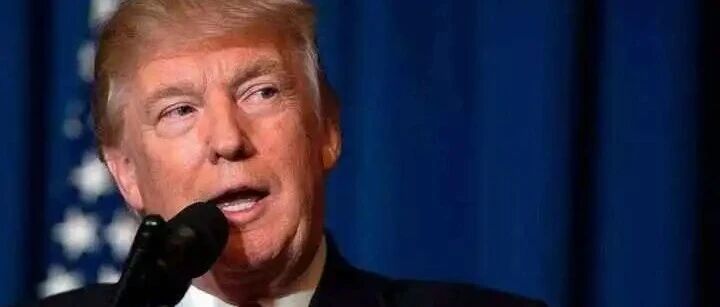
特朗普:对境外制作电影征100%关税
财联社· 2025-09-29 13:37
Core Viewpoint - The article highlights President Trump's announcement regarding a 100% tariff on all movies produced outside the United States, indicating a significant shift in trade policy that could impact the film industry and international relations [1]. Group 1 - President Trump reiterated his stance on imposing a 100% tariff on foreign-produced films, a position he first announced on May 4 of this year [1].
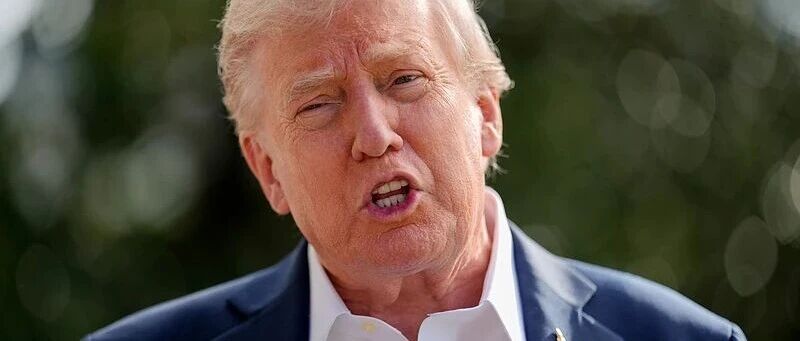
美对进口电影加征关税遭质疑 业内警告:产能不足、成本飙升或遭反制
news flash· 2025-05-07 00:24
Core Viewpoint - The U.S. film industry is facing significant challenges, prompting President Trump to announce a 100% tariff on all films produced abroad, citing a rapid decline in domestic film production [1] Industry Impact - Industry professionals indicate that the current capacity for film production in the U.S. is limited, making it unrealistic to mandate that all films be produced domestically [1] - Analysts warn that the tariff policy could lead to retaliatory measures from other countries against U.S. films, potentially exacerbating the challenges faced by the industry [1]
加拿大官员:美电影关税政策令人费解 将减少对美依赖
news flash· 2025-05-06 09:47
Core Viewpoint - The U.S. film tariff policy is deemed perplexing by Canadian officials and poses a threat to Canada's economy, prompting a shift towards reducing reliance on the U.S. market [1] Group 1: Economic Impact - The implementation of the U.S. film tariff policy could negatively impact the Canadian economy [1] - British Columbia's government is committed to supporting the film industry while seeking to expand into international markets [1] Group 2: Strategic Response - The province aims to decrease its dependency on the U.S. film market in response to the tariff policy [1]
大摩分析师警告:特朗普的电影关税将引发大风险!
Jin Shi Shu Ju· 2025-05-06 03:04
Group 1 - Trump's proposal to impose a 100% tariff on films produced outside the U.S. has caused concern among investors in major streaming and production companies, leading to stock declines for companies like Netflix and Paramount [1] - Following the announcement, Netflix's stock fell by 1.5% and Paramount's by approximately 0.7%, while Disney and Universal's parent company, Comcast, also experienced a drop before recovering [1] - The White House spokesperson indicated that no final decision has been made regarding the foreign film tariff, and the government is exploring all options to fulfill Trump's directive to "make Hollywood great again" [1] Group 2 - U.S. production companies have increasingly turned to overseas filming for tax incentives and unique locations, with Netflix announcing a $1 billion investment in Mexico over the next four years [2] - The number of European countries offering film production incentives has increased from 17 in 2017 to 36 in 2024, while Asian countries have risen from 7 to 15 [2] - Morgan Stanley's media research head, Benjamin Swinburne, warned that imposing a 100% tariff on some or all film costs would lead to reduced film output and increased costs, ultimately shrinking industry profits [2] - The U.S. film industry's export value reached $22.6 billion in 2023, generating a trade surplus of $15.3 billion [2] - Swinburne raised concerns about the potential impact on projects already in production and questioned whether foreign governments might block U.S. content through theaters or streaming channels, which could significantly affect the global influence of Hollywood content [2]
电影关税?奈飞懵了
Hua Er Jie Jian Wen· 2025-05-06 02:38
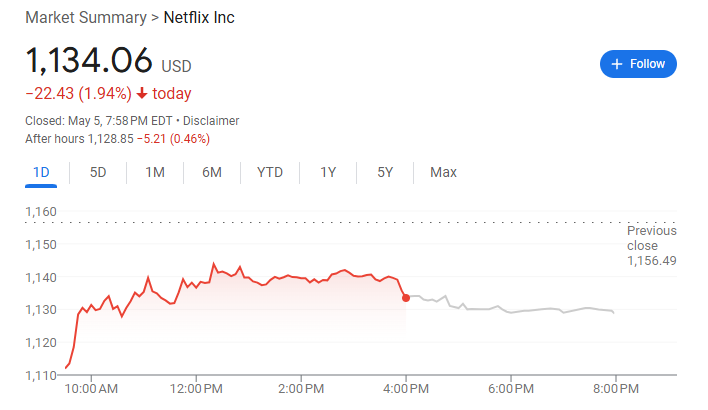
Core Viewpoint - The proposed 100% tariff on all imported films by Trump poses a significant threat to Netflix, which has been considered a safe haven against tariff risks in the past [1][3]. Group 1: Impact on Netflix - Netflix's stock price fell nearly 2% due to concerns over rising costs from the proposed tariffs [1]. - Analysts estimate that Netflix's annual content spending is approximately $17 billion, with 60% being self-produced and about 50% of that production occurring outside the U.S. [3]. - In a worst-case scenario, Netflix's earnings per share (EPS) could decrease by about $6, representing a 20% decline [3]. Group 2: Potential Mitigation Strategies - Analysts suggest that the actual impact on Netflix may be less severe than the worst-case scenario due to various strategies the company can employ [5]. - One strategy includes shifting production to the U.S., which could reduce the EPS impact to approximately $2 per share if U.S. production costs are 35% higher [5]. - Other strategies include limiting U.S. user access to overseas content and increasing subscription prices, which could raise the average revenue per user (ARPU) in the U.S. by about 7% [5]. Group 3: Broader Industry Implications - The tariff policy is expected to have a "devastating" impact on major film production centers such as the UK, Canada, Australia, and New Zealand [6]. - The U.S. film industry and cinema chains may face significant challenges, including higher production costs and increased ticket prices for consumers [6]. - The American film and television industry had a trade surplus of $15.3 billion in 2023, with exports reaching $22.6 billion, but has been at a competitive disadvantage against countries offering generous tax incentives [6].
特朗普电影关税引众怒 美多行业联名抗议:想想后果
news flash· 2025-05-06 02:22
Core Viewpoint - The announcement by President Trump to impose tariffs of up to 100% on films produced overseas has sparked widespread criticism and concern regarding its potential impact on the U.S. film industry and its global competitiveness [1] Industry Impact - The proposed tariffs are expected to significantly increase production costs for major U.S. film companies, which could undermine their competitiveness in the global market [1] - Major Hollywood companies such as Netflix, Disney, Warner Bros, and Paramount experienced stock price declines of over 2% following the announcement, indicating immediate market reaction and concern [1] Expert Opinions - Industry experts argue that while the policy is framed as a measure to "protect American films," it may actually threaten the collaborative foundation that the U.S. film industry relies on for survival, potentially leading to job losses [1] - Multiple industry associations in the U.S. are jointly urging Congress to carefully assess the economic and legal implications of the proposed tariffs [1]


