白酒营销转型

Search documents
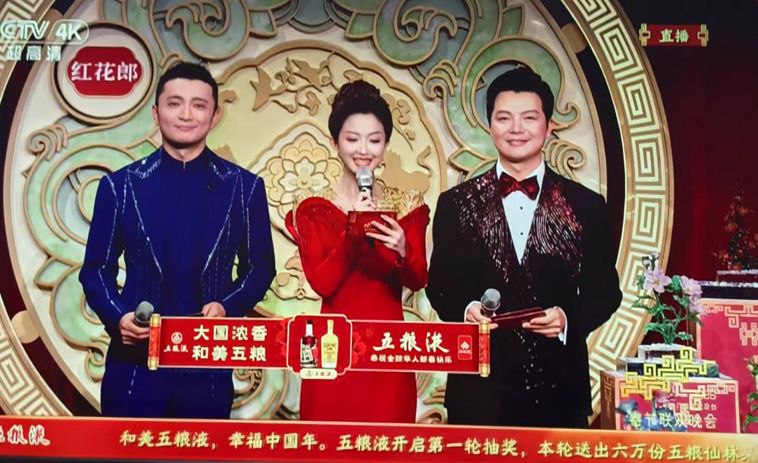
“含酒量”大缩水!马年总台春晚仅4家白酒赞助品牌亮相 酒企正转战短剧短视频新阵地?
Mei Ri Jing Ji Xin Wen· 2026-02-25 09:42
Core Insights - The number of liquor brands sponsoring the CCTV Spring Festival Gala has decreased significantly, from 9 in 2024 and 7 in 2025 to only 4 in 2026, indicating a shift in marketing strategies among liquor companies [1][2][6] - Major liquor brands that remain as sponsors are long-term partners of the gala, focusing on differentiated positioning and interactive collaborations [2][6] - The reduction in sponsorship is attributed to a more rational and diversified approach to marketing, with brands opting for softer product placements rather than traditional sponsorships [5][6][15] Industry Trends - The liquor industry is experiencing a cyclical adjustment, yet the Spring Festival remains a crucial sales period, prompting companies to explore various marketing channels beyond traditional sponsorships [1][6] - Brands are increasingly investing in short videos, micro-dramas, and variety shows as new marketing battlegrounds, reflecting a shift towards more engaging and consumer-centric strategies [9][12][14] - The trend indicates a move from broad exposure strategies to precision marketing, focusing on direct consumer engagement and sales conversion [15][16] Marketing Strategies - Major liquor brands are utilizing innovative marketing techniques, such as integrating products into popular media formats like micro-dramas and short videos, to reach younger audiences [9][12][14] - The collaboration with platforms like Douyin (TikTok) and various streaming services has become a common practice, allowing brands to leverage storytelling to enhance consumer connection [12][14] - The industry's focus is shifting towards creating immersive experiences and interactive content, moving away from mere logo placements to deeper brand integration within entertainment [5][15]

业绩承压倒逼转型,茅台直销破局,价格话语权重回手中
Sou Hu Cai Jing· 2026-01-17 01:18
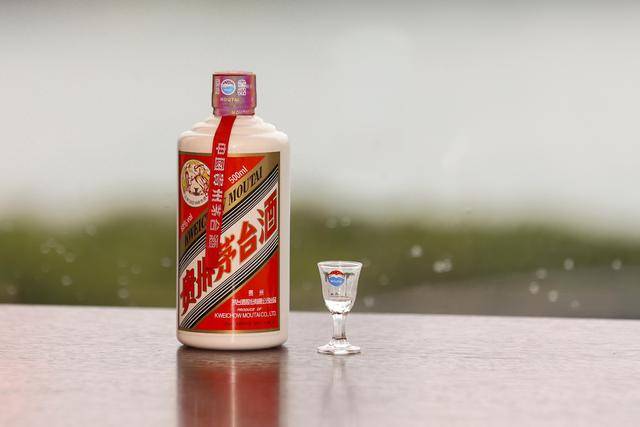
Core Viewpoint - The recent direct sales of Moutai's 53-degree 500ml Flying Moutai at a price of 1499 yuan through its self-operated app "i Moutai" have disrupted the traditional distribution model, leading to a significant change in the market dynamics and pricing strategies of the high-end liquor industry [3][21]. Group 1: Company Actions - Moutai has begun selling its core product, Flying Moutai, directly to consumers, bypassing traditional distributors who have held significant pricing power for decades [3][10]. - As of January 9, over 2.7 million new users registered on the i Moutai app, with more than 400,000 making purchases, indicating strong consumer demand [5]. - Moutai's strategy includes limiting purchases to six bottles per person per day, which is intended to control pricing and discourage hoarding [5][21]. Group 2: Impact on Distributors - The new direct sales approach has negatively impacted distributors, who previously relied on the price differences of Flying Moutai to maintain profitability [7][12]. - Distributors are now facing challenges as Moutai's fixed pricing undermines their ability to profit from markups, leading to some considering selling their stores [12][24]. - The traditional model where distributors had to purchase non-core products to obtain Flying Moutai allocations is being dismantled, reducing their inventory pressure [21][22]. Group 3: Market Dynamics - Moutai's actions have effectively eliminated the profit margins that resellers (often referred to as "scalpers") previously enjoyed by marking up prices [14][15]. - The introduction of a clear pricing structure for both current and aged Flying Moutai has removed the ambiguity in pricing, stabilizing the market [17][19]. - The overall market value of existing Flying Moutai is estimated at around 300 billion yuan, with Moutai's recent moves aimed at stabilizing this value and preventing panic selling among collectors [19][24]. Group 4: Industry Trends - Moutai's shift towards direct sales is seen as a potential trendsetter for the industry, with other high-end liquor brands like Wuliangye also optimizing their distribution channels [10][24]. - The move signifies a broader transformation in the marketing logic of high-end liquor, as companies seek to engage more directly with consumers [24].