白酒行业寒冬

Search documents
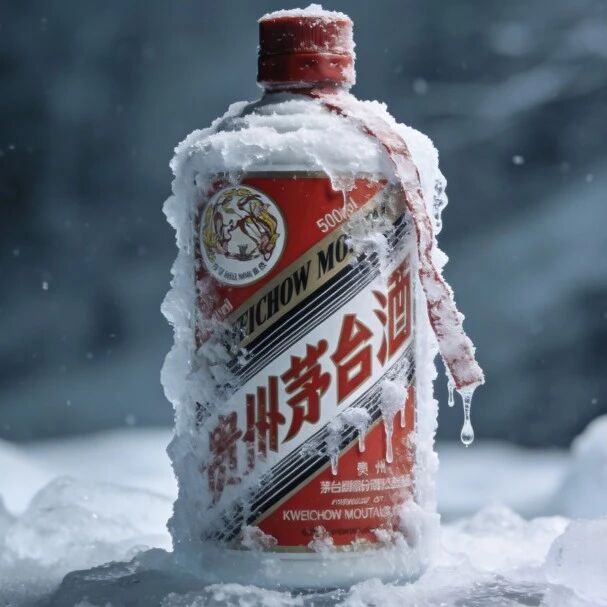
跌破1499元,茅台都卖不动了
首席商业评论· 2025-12-08 05:01
Core Viewpoint - The article discusses the significant decline of the Moutai brand and the broader challenges facing the Chinese liquor industry, highlighting a structural transformation driven by changing consumer preferences and economic pressures [5][14]. Group 1: Moutai's Price Decline - Moutai's price has plummeted from over 2000 yuan to below 1700 yuan, with a record low of 1640 yuan per bottle reported in November [5][6]. - The decline in Moutai's price has triggered a ripple effect across the industry, leading to negative growth for major brands like Wuliangye and Luzhou Laojiao, with 18 A-share liquor companies reporting collective performance declines [5][8]. Group 2: Dealer Challenges - Dealers are facing severe financial pressure, with many halting purchases due to price volatility and losses on inventory [6][8]. - The bundling purchase requirement for Moutai forces dealers to buy less popular products, exacerbating their financial strain as these products often sell at a loss [6][7]. Group 3: Inventory and Cash Flow Issues - The liquor industry is experiencing a significant increase in inventory, with stock levels rising by 63% since 2021, leading to a cash flow crisis for many dealers [10][12]. - The average inventory turnover period has extended to 1424 days, indicating a severe slowdown in sales and a growing backlog of unsold products [12]. Group 4: Changing Consumer Preferences - The younger generation is moving away from traditional liquor consumption, favoring low-alcohol beverages and cocktails, which is reshaping market dynamics [14][15]. - The shift in consumer behavior is compounded by a decline in demand for high-end liquor during traditional festive seasons, with a reported 20% to 30% drop in overall demand [10][14]. Group 5: Industry Response and Future Outlook - Liquor companies are attempting to innovate by introducing lower-alcohol products and diversifying into cocktails to attract younger consumers [15][16]. - However, the effectiveness of these strategies remains uncertain, as the industry grapples with overcapacity and a potential long-term downturn [15][17].


跌破1499元,茅台都卖不动了
虎嗅APP· 2025-12-07 09:03
Core Viewpoint - The "Moutai myth" is collapsing, with the price of Feitian Moutai experiencing a significant decline, leading to widespread losses among investors and industry players [5][6][10]. Price Decline and Market Impact - Feitian Moutai's price fell from over 2000 yuan to 1640 yuan per bottle, marking a historic low [5][6]. - The price drop has triggered a chain reaction in the industry, with major brands like Wuliangye and Luzhou Laojiao also reporting negative growth for the first time in a decade [5][6][10]. - The overall white liquor industry is facing a downturn, with 18 A-share listed companies reporting collective performance declines [5][10]. Dealer and Distributor Challenges - Distributors are facing severe financial pressure, with many halting purchases due to unsold inventory and price declines [6][8]. - The profit margins for distributors have been squeezed, as they are forced to bundle high-priced products with Moutai to secure inventory [6][7]. - A significant number of distributors are reporting losses, with some predicting losses exceeding 30 million yuan this year [7][10]. Inventory and Cash Flow Issues - The white liquor industry is experiencing a "money shortage," with inventory levels rising significantly [9][12]. - As of Q3 2025, the inventory turnover days have increased to an average of 1424 days, indicating a severe liquidity crisis [12][13]. - Over 58% of distributors reported increased inventory, and more than 40% are facing cash flow pressures [8][12]. Changing Consumer Preferences - The decline in demand is attributed to a generational shift in consumer preferences, with younger consumers showing less interest in traditional high-end liquor [15][16]. - Younger consumers prefer low-alcohol beverages and are increasingly opting for alternatives like fruit wines and non-alcoholic drinks [15][16]. - The traditional "drinking culture" is being challenged, leading to a significant shift in market dynamics [15][16]. Industry Response and Future Outlook - In response to the downturn, companies are innovating products to appeal to younger consumers, including lower-alcohol and flavored options [16][17]. - However, the effectiveness of these strategies remains uncertain, as the entrenched perceptions of traditional liquor may hinder acceptance [17]. - The industry is expected to remain in a turbulent phase for the next 2-3 years, with ongoing challenges in attracting younger consumers and managing inventory [17][18].
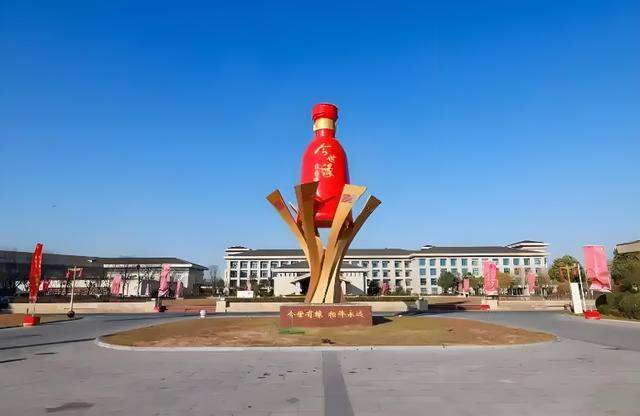
净利润下滑超48%,“黑马”今世缘,业绩失速
Tai Mei Ti A P P· 2025-11-05 00:44
Core Insights - The company, Jinshiyuan, has experienced significant growth over the past decade, with revenue increasing from approximately 2 billion to over 10 billion [1][4] - However, the company is currently facing challenges due to a downturn in the industry, with revenue and net profit declining in the first three quarters of the year [2][8] - Jinshiyuan's stock price has also suffered, dropping nearly 12% this year, significantly underperforming compared to the Shanghai Composite Index [3][10] Financial Performance - In the first three quarters of this year, Jinshiyuan reported revenue of 8.882 billion and net profit of 2.549 billion, with declines of 10.66% and 17.39% respectively [2][10] - The third quarter alone saw revenue and net profit of 1.931 billion and 320.3 million, reflecting a steep decline of 26.68% and 48.69% [2][10] - The company's stock price closed at 38.79 yuan per share as of November 3, with a total market capitalization of 48.36 billion [3] Strategic Overview - Jinshiyuan has built a multi-brand matrix with three main brands: Guoyuan, Jinshiyuan, and Gaogou, targeting different market segments [5] - The company has focused on deepening its presence in Jiangsu province, where it holds over 17% market share, with provincial revenue consistently accounting for over 90% [5][9] - However, the current economic downturn has severely impacted these strategies, particularly in the high-end product segment [8][10] Market Challenges - The company faces intensified competition in its core Jiangsu market, with other brands increasing their presence [9] - Jinshiyuan's attempts to expand into provincial markets have been slow, with less than 10% of revenue coming from outside Jiangsu [9] - The decline in consumer demand and government austerity measures are further constraining the company's high-end product sales [8][10]

白酒寒冬!省内失守6%,南京市场溃退,今世缘的江苏王座还稳吗?
Sou Hu Cai Jing· 2025-10-08 09:05
Core Insights - The liquor industry is facing significant challenges, with Jiangsu's second-largest player, Jinshiyuan, experiencing a revenue decline of 6.07% in its home market during the first half of 2025, with even steeper drops in key areas like Nanjing and southern Jiangsu [1][3] - The high-end liquor segment is struggling, leading to a shift in consumer preferences towards more affordable options, which has become a critical survival strategy for the company [7][11] Group 1: Sales Performance - Jinshiyuan's sales in Nanjing, a crucial market, have plummeted by 7.94%, while the southern Jiangsu region has seen a staggering decline of 11% [1][3] - All six major sales regions for Jinshiyuan are reporting negative growth, indicating a widespread issue rather than isolated market challenges [1][3] Group 2: Consumer Behavior - There is a noticeable shift in consumer spending, with customers opting for lower-priced products due to tightened budgets, as evidenced by the increased sales of the "Daiya Guoyuan" priced just over 100 yuan [7][11] - The trend of reducing spending on high-end liquor is evident in social settings, where even lower-tier products are now perceived as expensive [5] Group 3: Competitive Landscape - Jinshiyuan is in direct competition with Yanghe, leading to aggressive promotional strategies that have resulted in significant discounts and giveaways to attract customers [5] - The company is attempting to pivot its strategy by focusing on lower-priced products to capture market share in rural areas, indicating a shift from high-end positioning to more accessible offerings [7][11] Group 4: External Market Dynamics - Despite challenges in Jiangsu, neighboring provinces like Shandong and Anhui have reported a 4.78% increase in sales, attributed to demand from Jiangsu's migrant workers [9] - The company is facing internal contradictions, as it raises employee salaries by 2.8% for management and 5%-18% for regular staff while simultaneously reporting a downturn in sales [9]