
衣物

Search documents
藏商场通风道内近9小时,男子凌晨偷走近2公斤黄金、6个玉镯……
Xin Lang Cai Jing· 2026-02-28 02:43
Core Viewpoint - The case highlights a significant security vulnerability in retail environments, particularly regarding the handling of valuable items after business hours, which can lead to substantial thefts [1][4]. Group 1: Incident Summary - The defendant, Lin, executed a meticulously planned theft in a jewelry store, stealing valuables worth over 1.4 million yuan (approximately 140,000 USD) [1]. - Lin had prior knowledge of the store's operations due to his involvement in a fire safety renovation project, which facilitated his criminal activities [1]. - The theft involved Lin hiding in the ventilation system for nearly 9 hours before executing the crime [1]. Group 2: Law Enforcement Response - The police quickly established a special task force and utilized surveillance footage to track Lin, leading to his arrest within 9 hours of the crime [2]. - The stolen items were recovered and returned to the victims, and Lin compensated the victims for their primary economic losses [2]. Group 3: Legal Outcome - The court found Lin guilty of theft, sentencing him to 10 years and 6 months in prison, along with a fine of 60,000 yuan (approximately 6,000 USD) [2]. - The court emphasized Lin's illegal intent and the significant amount involved in the theft, which constituted a serious crime [2]. Group 4: Security Recommendations - Retailers are advised to implement strict security measures, including daily inventory checks of valuable items and secure storage in compliant safes after hours [5]. - Comprehensive surveillance systems should be installed to cover all areas, including hidden spots like ceilings and ventilation ducts, ensuring 24-hour monitoring [5]. - Regular safety inspections should be conducted to identify and reinforce vulnerable areas that could be exploited by criminals [5][6].
中兴家业的头号功臣
Bei Jing Wan Bao· 2026-02-20 07:40
Group 1 - The article discusses the return of Wu Lianying to his hometown to take over the family business after losing interest in pursuing academic success and official positions [2] - Wu Lianying admires his uncle Wu Mianqing, who played a crucial role in revitalizing the family business by establishing the "Wu Shengtai" trading company after the discovery of rich tin mines in Gejiu [2][3] - The family business initially involved transporting essential goods to the mines and later selling refined tin, showcasing their commitment to hard work and efficiency [2] Group 2 - Wu Mianqing is portrayed as a talented and diligent member of the Wu family, known for his decisive nature and compassion [3] - The article highlights a significant event where Wu Mianqing helped a fellow scholar, Liu Zhongcheng, who was in distress before an examination, demonstrating the family's values of kindness and support [4] - Years later, Liu Zhongcheng, now experienced in mining, offered his expertise to Wu Mianqing, leading to successful mining ventures based on geological insights [5]

为什么中国人买走了全球13的奢侈品?
Sou Hu Cai Jing· 2026-02-20 03:48
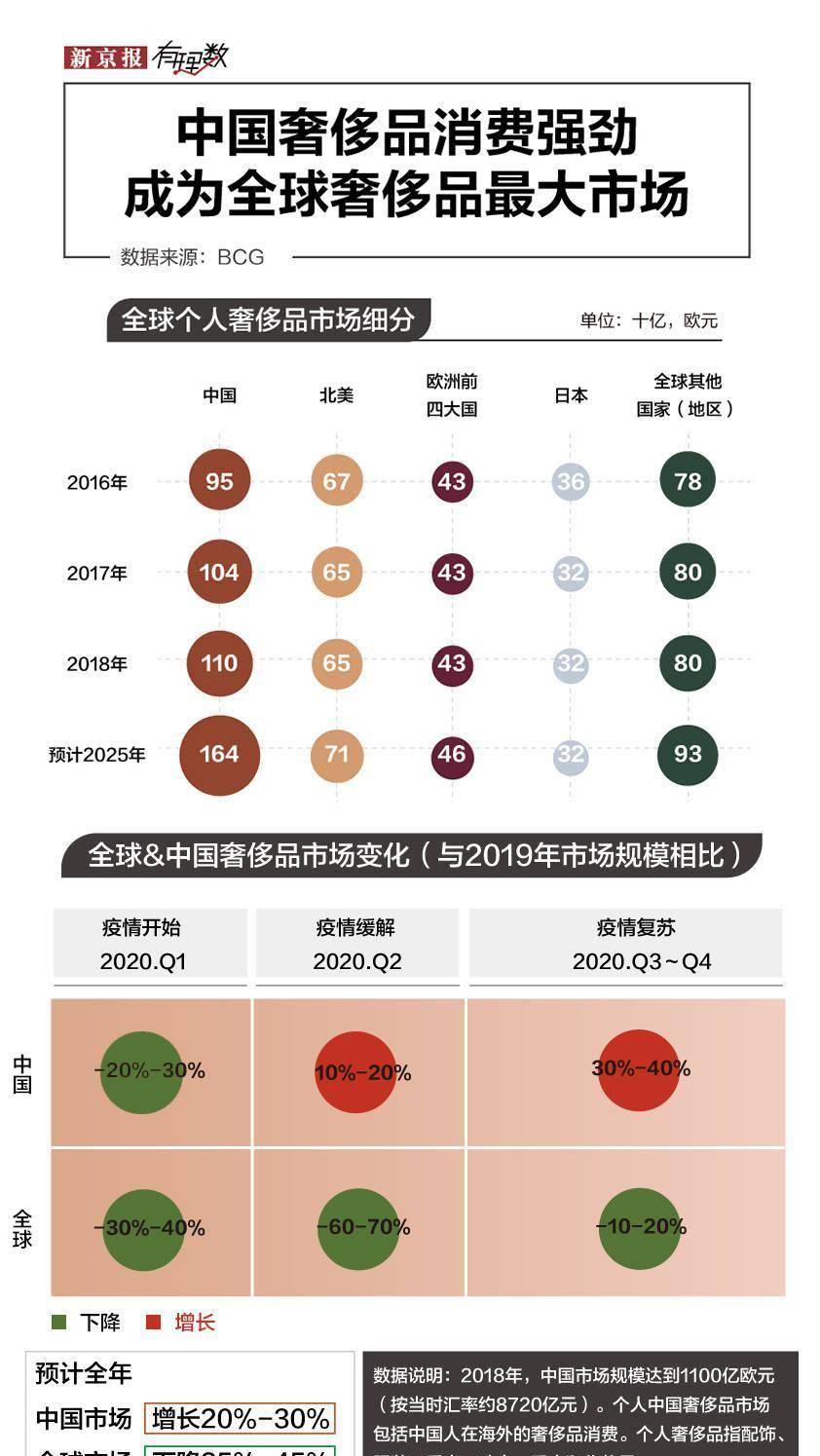
Core Insights - The rapid development of the internet has transformed shopping habits in China, with e-commerce surpassing other countries, driven by consumer power during events like Double Eleven [1][3][5] - The luxury goods market in China has become a significant focus, with brands like LV and Parisian houses seeing high demand despite global economic downturns [3][11][22] - The pandemic initially suppressed consumer spending, but a surge in demand has been observed as restrictions eased, leading to a phenomenon of revenge spending [5][22] E-commerce and Consumer Behavior - Double Eleven has evolved from a singles' day into a nationwide shopping festival, with sales exceeding billions daily, showcasing the strength of Chinese consumers [3][5] - The luxury market is thriving in China, with consumers willing to wait in long lines to purchase items before price increases, indicating a strong desire for luxury goods [13][18] - Young consumers are the primary drivers of luxury spending, often prioritizing brand prestige and social status over practical financial considerations [16][24] Luxury Goods Market Dynamics - China's share of global luxury goods consumption has increased significantly, from 12% in 2012 to 33% in 2018, establishing it as a dominant market [11][22] - Government policies, such as reduced tariffs, have facilitated access to luxury goods, further stimulating market growth [18][24] - The rise of celebrity endorsements has enhanced brand visibility and appeal, particularly among younger demographics who aspire to emulate their idols [24] Consumer Trends and Future Outlook - The perception of luxury goods has shifted, with more consumers, including those from middle-income backgrounds, now able to afford them, expanding the market [8][22] - There is a growing concern about the blind pursuit of foreign luxury brands, with a call for consumers to consider supporting local brands and rationalizing their spending habits [24]
德黑兰一市场失火无伤亡 曾收消防安全警告
Xin Lang Cai Jing· 2026-02-03 22:55
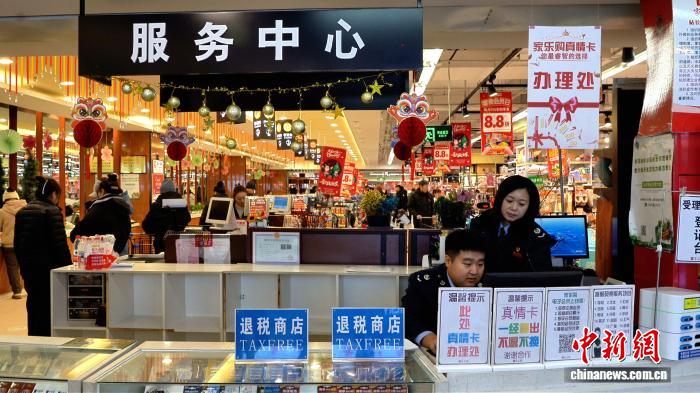
Core Viewpoint - A significant fire occurred in a market in western Tehran, Iran, on February 3, which was extinguished without causing any casualties. However, the incident highlights serious safety violations and the lack of fire prevention measures in the market [1]. Group 1: Fire Incident Details - The fire was reported to have caused substantial economic losses due to the large quantity of goods, including clothing and cosmetics, that fueled the flames [1]. - The market had previously received three warnings for failing to comply with safety measures but did not take them seriously [1]. Group 2: Safety Violations - The market lacked a fire alarm system and did not implement other safety measures, such as proper classification of stored goods and materials [1].
湖南株洲一女子元旦偷6千元貂皮大衣穿,称为过年撑面子,没想到被警方抓获“进班房”
Xin Lang Cai Jing· 2026-01-04 10:43
Core Point - A woman named Lai was arrested for stealing a mink coat valued at 6,000 yuan from a clothing store in Zhuzhou, Hunan, and was found to have stolen a total of 20,000 yuan worth of clothing and shoes [1] Summary by Category Incident Details - The theft occurred on January 1, when Lai entered a clothing store under the pretense of trying on clothes and stole the mink coat [1] - After stealing the coat, Lai discarded her old clothes in a nearby trash bin and continued to steal from multiple stores using the same method [1] Criminal Activity - Lai admitted to stealing a total of 8 items, including clothing and shoes, with the intention of showing them off to relatives during the New Year [1] - The total value of the stolen items was approximately 20,000 yuan [1] Law Enforcement Response - The police were alerted by the store manager and conducted an investigation, leading to Lai's arrest on January 2 [1]
“赫哲故里”同江:离境退税政策生效 俄罗斯旅客囤货忙
Zhong Guo Xin Wen Wang· 2026-01-02 11:36
Core Viewpoint - The launch of the "immediate refund" service for outbound travelers in Tongjiang marks a significant step in enhancing consumer spending and promoting foreign trade relations, thereby optimizing the cross-border tourism service ecosystem [1][3]. Group 1: Policy Implementation - The "immediate refund" service officially started on January 1, allowing foreign travelers to receive tax refunds immediately upon purchase [1][3]. - The policy aims to stimulate inbound consumption and expand the dimensions of Tongjiang's openness to the outside world [1]. Group 2: Consumer Behavior - Nearly 60 Russian travelers engaged in shopping at local supermarkets, purchasing a variety of goods such as candies, snacks, and daily necessities, indicating a shift towards bulk buying due to the new tax refund policy [2]. - The implementation of the tax refund policy has led to an increase in the types of products purchased by Russian customers, who are now buying household items in addition to food [2]. Group 3: Market Response - Supermarkets in Tongjiang reported a noticeable increase in Russian customers on the first day of the tax refund policy, with long lines at checkout counters [2]. - The store manager noted that the policy has positively impacted sales, as customers are now more inclined to purchase items worth over 200 yuan to qualify for the tax refund [2]. Group 4: Community Engagement - Young volunteer translators from Tongjiang's vocational education center provided assistance to Russian tourists, enhancing communication and fostering cultural exchange [5]. - The vibrant shopping scene and the active participation of local students illustrate a new landscape of border openness driven by policy incentives and consumer engagement [5].
特朗普关税开始让美国消费者钱包缩水
Xin Hua Wang· 2025-10-30 08:41
Core Insights - The U.S. Consumer Price Index (CPI) for June showed a year-on-year increase of 2.7%, the largest since February, indicating pressure on American consumers due to tariffs implemented by the Trump administration [1][3] - The core inflation rate, excluding volatile food and energy prices, rose by 2.9% year-on-year, surpassing market expectations [1][3] - The data suggests that the burden of tariffs on imported goods is increasingly being borne by U.S. businesses and consumers, contradicting Trump's claims that his trade policies would not financially impact the public [3][5] Inflation Impact - Significant price increases were noted in household appliances (1.9% month-on-month), furniture (1% month-on-month), and clothing (0.4% month-on-month), reflecting the impact of tariffs on consumer goods [3][5] - Economists warn that the rising inflation rate could signal further price increases if new tariffs are implemented starting August 1, potentially raising the average tariff rate to 21% [5] Federal Reserve Response - The evidence of tariffs affecting prices has led to speculation that the Federal Reserve may not lower interest rates as Trump has repeatedly requested, despite pressure from the White House [7] - Some conservative economists believe the Fed is likely to maintain its current stance, focusing on inflation levels to prevent them from rising to 3% or 4%, which could indicate policy failures [7]

定金不退、满减优惠商品换货要补差价、赠品没有单独售后……“双11”网购要避开哪些陷阱?
Yang Guang Wang· 2025-10-24 23:49
Core Viewpoint - The annual "Double 11" shopping festival is approaching, prompting consumer protection organizations to issue reminders and guidelines to help consumers navigate potential pitfalls and understand their rights during this shopping event [1] Group 1: Consumer Complaints and Issues - Common complaints during "Double 11" include non-refundable deposits, with many consumers facing difficulties in returning products after prepaying deposits [2][3] - Issues such as "disappearing discounts" are also prevalent, where consumers are required to pay the price difference when exchanging products, despite the original promotional pricing [3][4] - Other significant complaints involve product quality, false advertising, and delayed shipping, highlighting the need for consumer vigilance [4] Group 2: Consumer Protection Tips - Consumers are advised to take screenshots of product details and refund policies before making purchases to ensure they can claim refunds if necessary [5] - It is recommended that consumers confirm with sellers that original discounts will be honored during exchanges to avoid unexpected price increases [5] - Consumers should retain all transaction records and be cautious of third-party links and misleading promotional language during live shopping events [5]
月薪千元+亿级市场,东非投资的吸引力
吴晓波频道· 2025-09-02 00:32
Core Insights - Africa is emerging as a new hotspot for Chinese enterprises and investments, with Ethiopia and Kenya being the most notable markets on the continent [3][4] - China's investment and cooperation in these countries have deepened, covering key sectors such as infrastructure, manufacturing, energy, and digital innovation, significantly boosting local economic development [4] Group 1: Ethiopia - Ethiopia has a population of 120 million and has maintained a high economic growth rate, with a GDP of $210 billion and an average growth rate of 6.5% over the past six years, projected to reach 8.1% in 2023-2024 [20][23] - The Ethiopian government is opening up sectors to foreign investment, including banking and retail, with tax incentives for manufacturing and a 15-year income tax exemption for special economic zone enterprises [20][23] - The industrial park in Ethiopia focuses on light industries, with a stable demand for consumer goods such as shoes and diapers, while the local steel industry faces challenges due to raw material shortages [15][16] Group 2: Kenya - Kenya is characterized by stark contrasts, with areas like Kibera slum and the GTC commercial center showcasing the development imbalance in the country [29][33] - The Tatu City industrial park in Kenya has attracted 87 companies, providing over 60,000 jobs, with Chinese enterprises accounting for about 10%-15% of the total [35] - Local labor costs are low, with monthly wages around 1,000-1,500 yuan, but the workforce's education level is low, necessitating training and improved welfare [36] Group 3: Investment Opportunities and Challenges - Both Ethiopia and Kenya present significant opportunities in sectors like agriculture processing, textiles, and light manufacturing, with favorable tax policies and customs exemptions for imported equipment [23][40] - The investment landscape in Africa is not without risks, including political stability, foreign exchange shortages, and underdeveloped e-commerce sectors, but essential consumer-related sectors still offer substantial opportunities [16][40] - Companies are encouraged to conduct on-the-ground research to better understand local market conditions and adapt their strategies accordingly [17][47]
特朗普关税政策开始让美国消费者钱包缩水
Sou Hu Cai Jing· 2025-07-16 06:42
Group 1 - The June Consumer Price Index (CPI) in the U.S. showed the largest year-on-year increase since February, rising by 2.7%, which is above market expectations [1] - The core inflation rate, excluding volatile food and energy prices, increased by 2.9% year-on-year, indicating rising inflationary pressures [1] - Prices for household appliances, clothing, and furniture have significantly increased due to tariffs imposed by the U.S. government on major trade partners [1] Group 2 - Economists warn that the rising inflation data serves as a caution for the new round of tariffs set to begin on August 1, which could lead to further price increases [2] - If the new tariffs are implemented, the average tariff rate in the U.S. could rise to 21%, potentially triggering significant economic risks [2] - The White House attempted to downplay the impact of inflation data, asserting that core inflation remains in line with analyst expectations [2] Group 3 - Evidence of tariffs affecting prices has emerged, leading even some of Trump's allies to believe that the Federal Reserve is unlikely to cut interest rates in the upcoming policy meeting [3] - The White House is advised to closely monitor inflation levels to prevent them from rising to 3% or 4%, which could indicate policy failures [3]