科技小院模式

Search documents
中国之声一线调研丨科技小院让科研成果种得出、卖得好 全链条助力农民增产增收
Yang Guang Wang· 2026-01-09 03:38
Core Insights - The article highlights the innovative approach of the Liu Zhuang Technology Courtyard in promoting agricultural development and rural revitalization through the integration of technology and entrepreneurship [1][8] - The students from China Agricultural University successfully created a value chain by transforming high-quality wheat into bread, addressing the issue of low prices for quality wheat [1][7] Group 1: Technology and Innovation - The Liu Zhuang Technology Courtyard focuses on extending the agricultural industry chain rather than just teaching farmers how to grow crops [1][3] - The team identified that simply increasing wheat production does not guarantee higher farmer income, emphasizing the importance of value addition through product development [3][4] - The initiative has led to the creation of a brand and a final product, which is essential for enhancing the value of agricultural outputs [4][8] Group 2: Market Strategy and Sales - The students transitioned from traditional farming practices to actively engaging in business, successfully launching "Technology Courtyard Bread" on e-commerce platforms [6][7] - They sold over 3,000 bags of high-quality flour and more than 20,000 pieces of bread, achieving significant sales success on platforms like Pinduoduo [7] - The project has created multiple part-time job opportunities for local villagers, contributing to community employment [7] Group 3: Future Plans and Sustainability - The team plans to continue developing new products and improve packaging to enhance market appeal, aiming for a product launch before the upcoming Chinese New Year [7][8] - The long-term goal is to better organize farmers to produce compliant grain products, ensuring a sustainable and profitable agricultural ecosystem [8][10] - The initiative is seen as a model for modernizing agriculture in China, with a focus on connecting production to consumer needs through innovative marketing strategies [10]

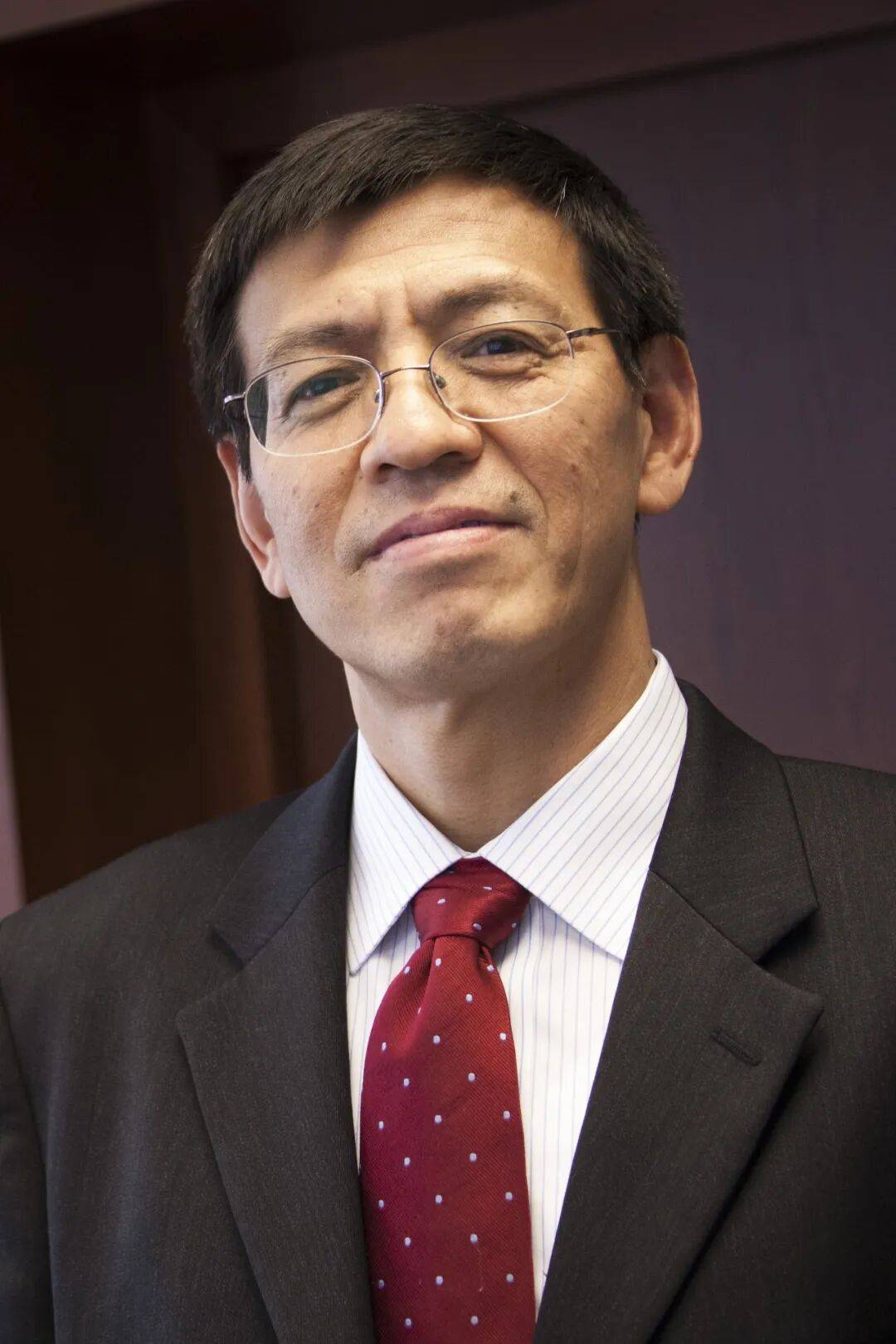
全球观·中国策丨专访樊胜根:增强农村发展韧性要打出 “技术+市场+政策” 组合拳
Sou Hu Cai Jing· 2025-12-26 01:36
Core Viewpoint - The article discusses the need for a resilient agricultural and food system transformation in China, emphasizing the importance of a "social-technical innovation combination" to address vulnerabilities exacerbated by climate change, geopolitical conflicts, and market fluctuations [1][3]. Group 1: Agricultural System Transformation - Christopher B. Barrett argues that there is no single solution to enhance agricultural resilience; instead, a combination of innovations is necessary [3]. - The concept of "social-technical innovation combination" involves integrating hard technologies (like improved seeds and smart devices) with institutional policies (such as cooperative organizations and green finance) to overcome barriers to technology adoption by farmers [4][5]. - Historical examples from countries like India, China, and Vietnam illustrate the effectiveness of combining technological innovation, institutional reform, and market-oriented changes in achieving significant agricultural productivity improvements [5][6]. Group 2: Climate Adaptation and Smallholder Resilience - Climate change has intensified agricultural vulnerabilities, particularly affecting smallholder farmers who are less equipped to adapt [7]. - Strategies to enhance climate resilience for smallholders include developing drought-resistant crop varieties, providing new technologies, and encouraging diversification of livelihoods to mitigate risks [8]. - The integration of young, tech-savvy individuals into rural areas is expected to drive modernization in agriculture, utilizing AI and e-commerce to improve farming practices [8]. Group 3: Goals for Agricultural Powerhouse - The article outlines three key areas for China to focus on in its goal to become an agricultural powerhouse during the "14th Five-Year Plan" period: ensuring food security, increasing farmers' incomes, and protecting the ecological environment [9][11]. - Food security is highlighted as a core objective, with an emphasis on adapting to changing consumer demands for safe food and diversifying import channels [9]. - Increasing farmers' incomes requires improving agricultural productivity and enabling capable youth to enter the agricultural sector while ensuring older farmers have social security [11]. - Environmental protection is crucial, advocating for sustainable practices that preserve soil, water resources, and biodiversity while promoting low-carbon agricultural development [11].
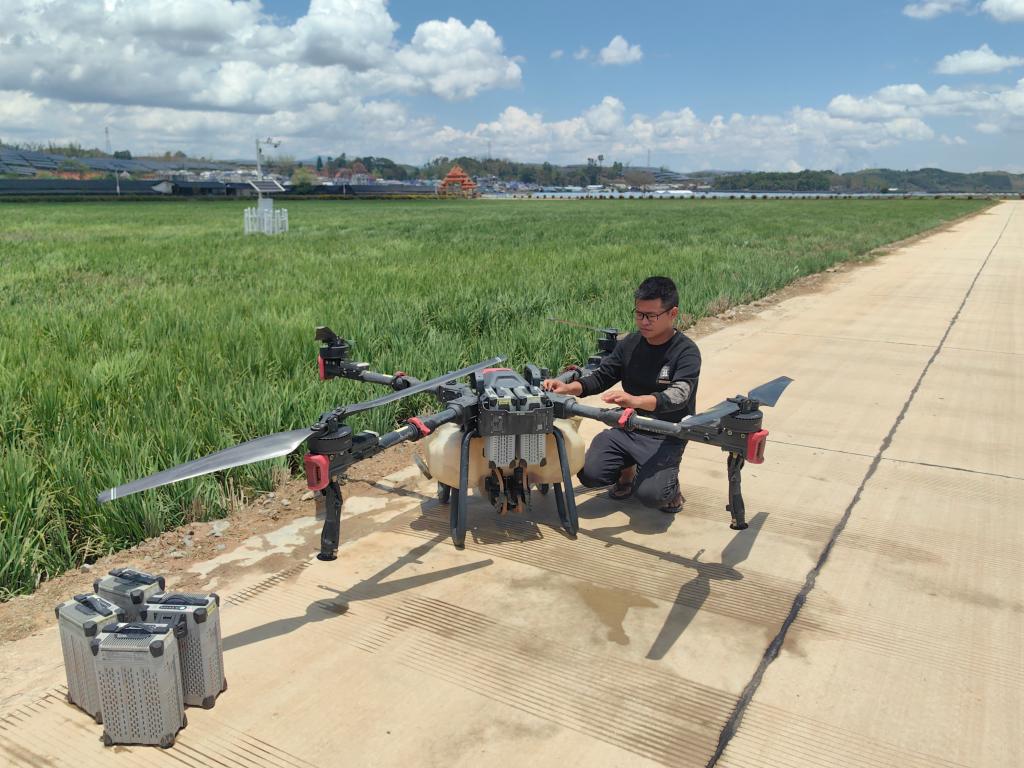
科技小院:硕士读三年,两年在种田
Xin Hua Wang· 2025-05-05 08:34
Core Insights - The article highlights the innovative approach of Yunnan University's "Technology Small Courtyard" in agricultural research and development, focusing on perennial rice cultivation and its benefits for local farmers [1][2][5] Group 1: Research and Development - The Yunnan University team has developed perennial rice varieties such as "Yunda 25" and "Yunda 107," which can be harvested for 3 to 4 years after a single planting [2][5] - The research team has successfully promoted their planting techniques across multiple regions in Yunnan and extended their impact to 14 countries in South Asia, Southeast Asia, the Middle East, and Africa [2] Group 2: Economic Impact - Local farmers have reported significant cost savings of approximately 500 yuan per mu (about 0.067 acres) annually by using the university's rice seeds, eliminating the need for yearly seed purchases and labor-intensive planting [5][6] - The new agricultural practices allow farmers to save time and engage in additional income-generating activities, such as selling barbecues or working in cities [5][6] Group 3: Educational Experience - Graduate students spend three years in the program, with two years dedicated to hands-on experience in rural areas, learning both advanced agricultural techniques and practical farming skills [6][8] - Students are involved in data collection, analysis, and local farmer training, bridging the gap between academic research and practical application [6][8] Group 4: Community Engagement - The initiative has transformed the relationship between students and local farmers, fostering a collaborative environment where both parties learn from each other [8] - The program aims to ensure that research outcomes are effectively implemented in the field, contributing to both agricultural innovation and community development [5][8]