
稀土产业发展

Search documents
李强:要合理开发稀土资源
Hua Er Jie Jian Wen· 2026-02-10 18:41
Core Viewpoint - The importance of rare earth elements in advancing manufacturing and promoting green low-carbon transformation is increasingly recognized [1] Group 1: Research and Development - The focus is on basic and applied research to drive breakthroughs in key core technologies within the rare earth sector [1] - There is an emphasis on creating a high ground for technological innovation in rare earths [1] Group 2: Industry Optimization - The need for rational development of rare earth resources is highlighted, along with the importance of optimizing industrial layout and enhancing recycling systems [1] - The establishment of a green standard system for all production and processing stages is essential for promoting comprehensive green development [1] Group 3: Collaboration and Application - Promoting deep integration of production, education, research, and application is crucial for expanding the use of rare earth technology in new energy and new materials [1] - The goal is to enhance the quality and efficiency of the rare earth industry through coordinated and cyclical development across the entire industry chain [1]
越南修订《地质矿物法》,禁止出口稀土原料
Shang Wu Bu Wang Zhan· 2025-12-12 15:45
Core Viewpoint - Vietnam's National Assembly has passed legislation to prohibit the export of rare earth materials, strengthening control over mineral resources and establishing new regulations for the industry [1] Group 1: Legislative Changes - The revised Mineral Law will come into effect in January, imposing strict controls on the exploration, mining, and processing of rare earths, with only government-approved companies allowed to engage in these activities [1] - The new law encourages international cooperation in research, transfer, and development of extraction, beneficiation, separation, and deep processing technologies to support the domestic rare earth industry [1] Group 2: Resource Management - According to a report by the U.S. Geological Survey, Vietnam possesses 3.5 million tons of rare earth reserves, ranking sixth globally [1] - The revised legislation mandates that deep processing of rare earths must be integrated with the development of the industrial ecosystem to enhance Vietnam's local value chain and ensure self-sufficiency in the rare earth sector [1] Group 3: Strategic Development - The Vietnamese Ministry of Agriculture and Rural Development is formulating a national strategy for rare earth minerals, which is expected to be submitted to the government by early 2026 [1]
内蒙古“十五五”规划建议:建成全国最大的稀土新材料基地和全球领先的稀土应用基地
Ge Long Hui· 2025-11-24 05:15
Core Insights - The Inner Mongolia Autonomous Region is focusing on the development and utilization of strategic mineral resources, particularly rare earth elements, as part of its 15th Five-Year Plan [1] Group 1: Strategic Development - Emphasis on protective development, high-quality utilization, and standardized management of mineral resources [1] - Plans to enhance research and application of new technologies, processes, products, materials, and equipment related to rare earth elements [1] - Aiming to establish a national rare earth new materials innovation center and trading center, positioning Inner Mongolia as the largest base for rare earth new materials and a global leader in rare earth applications [1] Group 2: Industry Growth - Focus on expanding the rare earth permanent magnet motor industry and implementing replacement projects for rare earth permanent magnet motors [1] - Commitment to a new round of exploration strategies to boost mineral resource discovery and enhance the exploration system [1] - Plans to increase the proportion of large and medium-sized mines and foster integrated mining groups and industrial clusters [1]
俄总理返回莫斯科后,普京下令了:即日起,减少对中国的依赖
Sou Hu Cai Jing· 2025-11-09 07:03
Group 1 - The core viewpoint of the articles highlights Russia's urgent need to develop a national roadmap for rare earth metals, reflecting President Putin's high priority on this issue [1][19] - China has begun tightening its rare earth export policies, signaling a trend towards more systematic control, which has raised concerns in Russian leadership [3][17] - Russia's high-tech industries have faced significant challenges due to a shortage of rare earth resources, impacting production capabilities of critical military equipment [5][19] Group 2 - Russia possesses substantial rare earth reserves of 28 million tons, ranking fifth globally, but only extracts 2% of its proven reserves, with less than 1% of global production [6] - The development of Russia's rare earth industry is hindered by three main challenges: technology, funding, and environmental factors [6][7][9] - The lack of skilled engineers in the rare earth sector is a significant issue, with only about 1,200 engineers currently working in this field, a fraction of China's workforce [6] Group 3 - Financial constraints are a major barrier, as the rare earth industry requires substantial upfront investment and has a long payback period, compounded by Western sanctions and ongoing war pressures [7] - Environmental challenges include the remote locations of rare earth mines, which increase transportation costs and logistical difficulties [9] - Despite some progress in rare earth recycling, such as increasing recovery rates from 55% to 78%, the technology remains unstable for large-scale production [9] Group 4 - Russia is exploring external collaborations, particularly with India, to exchange technology for market access, while also considering partnerships with Belarus and Kazakhstan for logistical support [11][13] - The academic community in Russia expresses skepticism about these collaborations, emphasizing the need for a complete supply chain from mining to market [15] - The recent tightening of China's export controls poses a realistic challenge for Russia, highlighting the necessity for self-sufficiency in rare earth production [17][19]

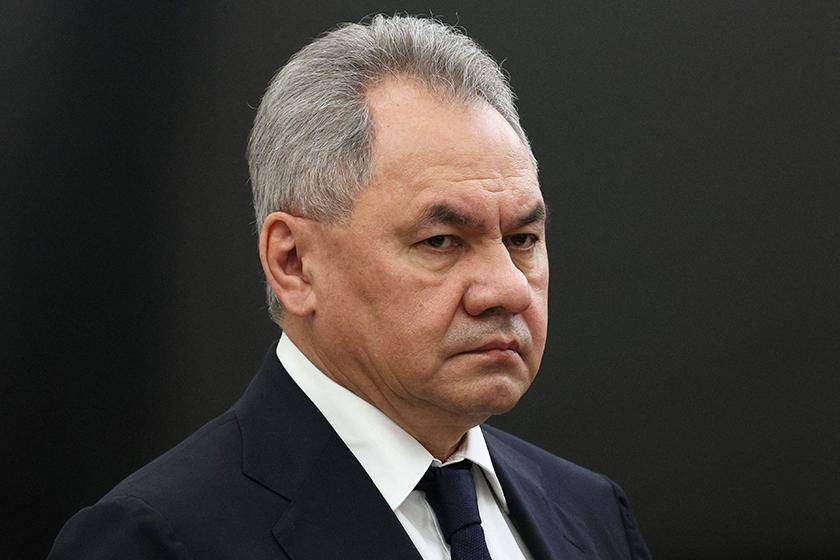
俄总理刚从北京回来,普京亲自对他做出指示,稀土绝不能受制于人
Sou Hu Cai Jing· 2025-11-06 09:42
Core Viewpoint - Russian Prime Minister Mishustin has been instructed by President Putin to ensure that Russia's rare earth resources are no longer dependent on other countries, with a long-term development plan for rare earth mining and production to be approved by December 1 [1][3]. Group 1: Government Directives and Plans - Putin's directive emphasizes the urgency of developing Russia's rare earth resources, indicating a significant focus on self-sufficiency in this strategic area [1][5]. - The timeline for the approval of the development plan suggests a structured approach to addressing the challenges posed by the global supply chain disruptions in the rare earth industry [3][5]. - The Kremlin's documents indicate that Mishustin is directly responsible for executing this plan, highlighting the importance of this initiative within the government [1][3]. Group 2: Economic and Strategic Implications - The development of the rare earth industry is seen as crucial for Russia's manufacturing and military sectors, especially in light of the ongoing impacts of the Ukraine conflict [5][7]. - The establishment of a rare earth processing cluster in Siberia is projected to create over 3,000 jobs, contributing to social and economic stability in the region [7]. - The initiative is expected to integrate various enterprises, research institutions, and universities, fostering innovation and collaboration within the industry [7][9]. Group 3: Challenges and Future Outlook - The ambitious nature of the rare earth development plan requires collective efforts and significant investment from multiple stakeholders to succeed [9][11]. - The pressure to deliver on this plan will ultimately rest on Putin, who is accustomed to managing such challenges [9][11]. - Collaboration with friendly nations that have advantages in the rare earth sector may provide Russia with additional pathways to overcome potential obstacles [9].
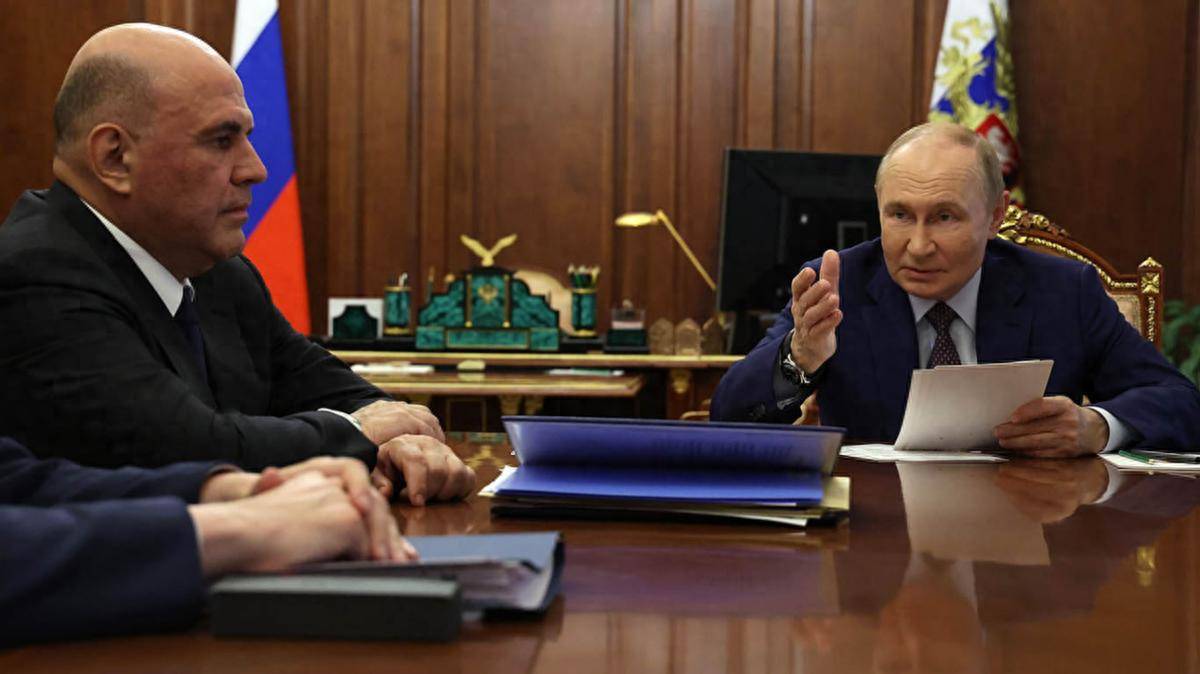
俄总理返程莫斯科后,普京向俄罗斯政府内阁下达一项命令,稀土绝不能受制于人!
Sou Hu Cai Jing· 2025-11-05 10:51
Core Insights - The Russian government is accelerating the development of its rare earth mining and production industry, aiming to establish a long-term development roadmap by December 1 [1][3] - Rare earth metals are crucial for various industries, including electronics, electric vehicles, and military equipment, making them a strategic asset in global competition [1][3] - The geopolitical landscape, particularly the tensions between the US and Russia, has heightened the importance of rare earth resources, prompting Russia to seek self-sufficiency [3][5] Industry Implications - Russia's push to develop its rare earth industry reflects a strategic shift in response to external pressures, particularly from the US, which seeks to undermine Russia's economic foundation [3][5] - Establishing a domestic rare earth supply chain could reduce Russia's dependence on China and enhance its position in international markets [3][5] - The competition for rare earth resources is intensifying globally, with the US and its allies actively developing their own supply chains to counter China's dominance [5][7] Challenges Ahead - The development of Russia's rare earth industry faces significant challenges, including the need for substantial financial investment and skilled labor [5] - There are concerns about the sustainability of execution and the potential for technological blockades and sanctions from Western countries [5] - The increasing global demand for rare earths adds pressure on Russia to establish a foothold in a competitive market [5][7] Strategic Outlook - Putin's directive indicates a strong international strategic intent, as the outcome of Russia's rare earth development will significantly impact its national power and international standing [7] - The ongoing competition for rare earths is expected to involve more countries, potentially reshaping global economic rules [7]
中国发起稀土管制,普京政府马上反应过来,俄罗斯也不能受制于人
Sou Hu Cai Jing· 2025-10-25 11:50
Core Viewpoint - Russia has announced plans to develop its rare earth industry in Siberia, emphasizing its importance for national security and military needs, with an investment of 612 billion RMB to establish a complete mining and processing operation [1]. Group 1: Investment and Development Plans - The Russian government aims to invest 612 billion RMB to build a rare earth base, intending to handle both mining and processing independently [1]. - The government has proposed an investment of 700 billion rubles, although the source of funding remains unclear due to financial strains from ongoing military expenditures [3]. Group 2: Strategic Context - The move is partly a response to China's control over rare earth resources, which has caused concern in the West, prompting Russia to seek independence in critical resource production [1]. - Russia ranks among the top five countries globally in rare earth reserves but currently has low extraction and processing capabilities [1]. Group 3: Challenges and Risks - The development of the rare earth industry in Siberia faces significant challenges, including high infrastructure development costs, reliance on domestic equipment manufacturing, and difficulties in attracting foreign investment due to Western sanctions [4]. - The establishment of a complete rare earth industry chain is expected to take around ten years, during which Russia must overcome technical, financial, and infrastructural hurdles [4]. Group 4: Potential Impact - The initiative could alter the global rare earth landscape, but the success of building a self-sufficient system remains uncertain and will require a long-term commitment [6].
全美沦陷!稀土新规第九天,美高层纳闷了!美国也没想到,8年过去了稀土还是没有突破
Sou Hu Cai Jing· 2025-10-21 13:37
Core Insights - A new regulation in a certain country regarding rare earth exports has caused significant disruption in the U.S., leading to protests involving over 7 million people across all 50 states [1] - The U.S. has long relied on imported rare earth resources for high-end manufacturing but has failed to overcome technological bottlenecks, contrasting sharply with other countries that have made rapid advancements in critical areas like semiconductors [1] - The U.S. rare earth industry faces a dual crisis: a lack of technological accumulation and talent, with R&D stagnating for over 8 years, and the outsourcing of the complete supply chain, resulting in high costs for rebuilding domestic capabilities [1] - The global rare earth market has fundamentally changed, with the certain country maintaining dominant control through patent protections and technical review mechanisms, making it unlikely for the U.S. to replicate a complete production system even in 10 years [1] - There is a suggestion that if the U.S. wishes to compete internationally, it should first learn relevant languages and contract norms instead of merely criticizing others for perceived discourtesies [1][3]
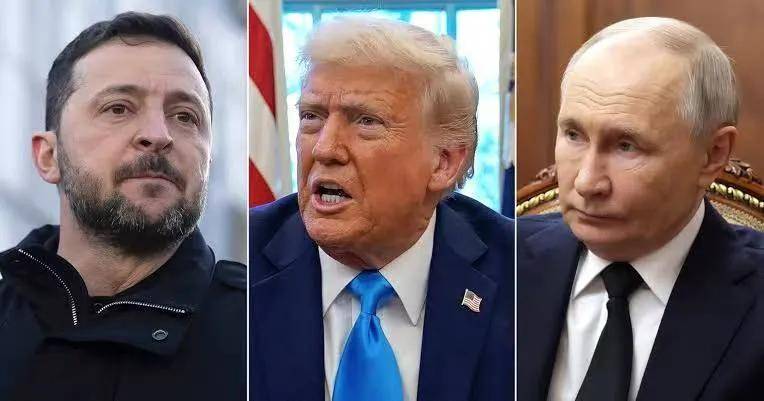
知情人士:美政府欲砸50亿美元,成立矿产投资基金
第一财经· 2025-09-18 07:30
Core Viewpoint - The article discusses the U.S. government's initiative to establish a $5 billion mineral investment fund, marking its first direct involvement in large-scale mineral transactions [3]. Group 1: U.S. Government's Investment Fund - The proposed fund will be a joint venture between the U.S. International Development Finance Corporation (DFC) and Orion Resource Partners, with both parties contributing equally to reach a total of $5 billion [3][5]. - Key terms of the agreement are still under negotiation, and no guarantees have been made regarding the finalization of the deal [3]. Group 2: DFC and Orion Resource Partners - DFC was established towards the end of Trump's first presidential term and has previously approved multiple investments in the mining sector, including a $150 million loan to Syrah Resources Ltd. for a graphite mine in Mozambique [5]. - Under Biden's administration, DFC committed over $550 million for upgrading railway infrastructure in Angola to facilitate copper transport from the Central African Copperbelt [5]. - If DFC invests the full $2.5 billion, this collaboration with Orion could become DFC's largest project to date [6]. - Orion Resource Partners manages approximately $8 billion in assets and is a significant financing entity in the mining industry, involved in private equity, private credit, venture capital, and commodity trading [6]. Group 3: Recent Developments in U.S. Mining Investments - In the previous month, the U.S. Department of Defense announced a $400 million investment in MP Materials, along with a $150 million loan to secure all rare earth magnets produced by the company [8]. - MP Materials is establishing a rare earth magnet factory in Fort Worth, Texas, while Noveon Magnetics operates the only rare earth magnet factory in the U.S. with an annual production target of 2,000 tons [8]. - The U.S. government expressed concerns about the vulnerability due to a lack of rare earth sources, emphasizing the need for a commercially viable environment to support the industry [9].
欲砸50亿美元,特朗普政府计划成立关键矿产投资基金
Di Yi Cai Jing· 2025-09-18 06:10
Group 1 - The U.S. government is actively promoting a mineral investment fund with a scale of up to $5 billion, marking its first direct involvement in large-scale mineral transactions [1] - The proposed fund will be established as a joint venture between the U.S. International Development Finance Corporation (DFC) and New York-based Orion Resource Partners, with both parties contributing equally [1][2] - If the fund is fully established, it could become DFC's largest collaboration project in its history, with a potential investment of $2.5 billion from DFC [2] Group 2 - DFC was established towards the end of Trump's first presidential term and has previously approved multiple investments in the mining sector, including a $150 million loan to support Syrah Resources Ltd. [2] - Under Biden's presidency, DFC has committed over $550 million in financing to upgrade railway infrastructure in Angola, aimed at transporting copper from the Central African Copperbelt [2] - Orion Resource Partners manages approximately $8 billion in assets and is a major financing entity in the mining industry, involved in private equity, private credit, venture capital, and commodity trading [2] Group 3 - Orion's CEO has suggested that governments should establish strategic reserves for critical minerals, similar to the strategic petroleum reserves created after the 1970s oil crisis, to buffer against supply disruptions and price volatility [3] Group 4 - The Trump administration has increased investments in critical minerals, including a $400 million investment in U.S. rare earth producer MP Materials and a $150 million loan to secure rare earth magnets [4] - MP Materials is establishing a rare earth magnet factory in Fort Worth, Texas, while another company, Noveon Magnetics, operates the only rare earth magnet factory in the U.S. with an annual production target of 2,000 tons [4] - NioCorp, another U.S. mining company, received up to $10 million in investment support from the Department of Defense for exploration drilling [4] Group 5 - There is a growing concern within the U.S. government regarding the vulnerability due to a lack of rare earth sources, as highlighted in a recent meeting with business executives [5] - The White House has issued a strategy statement emphasizing the commitment to create a commercially viable environment for the rare earth industry, including protective tariffs and price floors [5]