稳外资外贸

Search documents
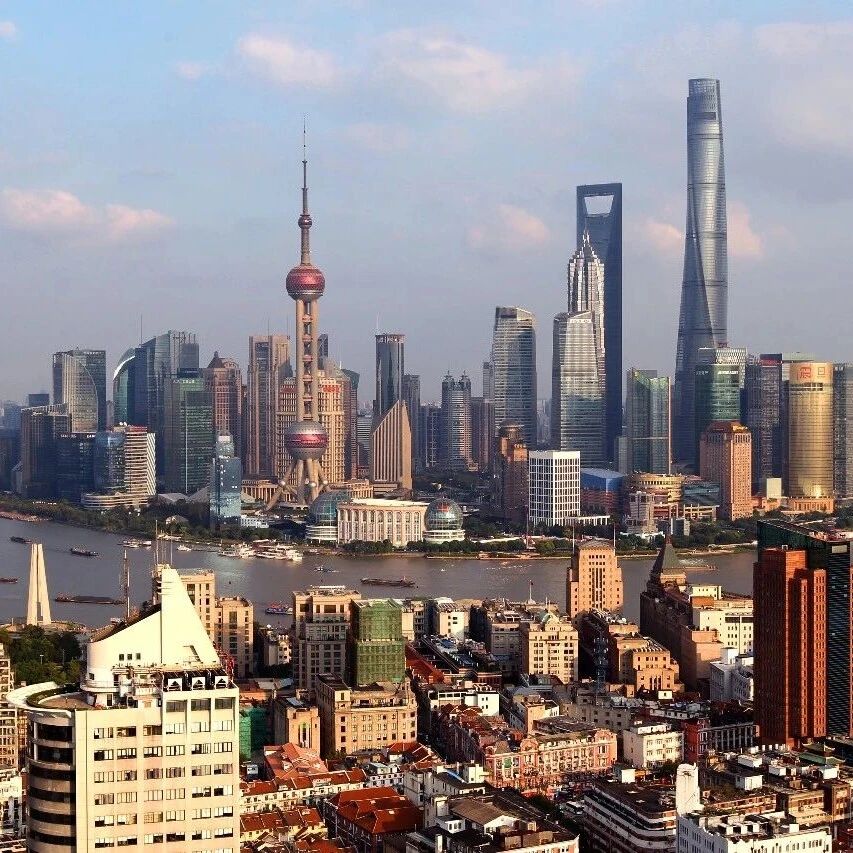
上海今年千方百计稳外资外贸,计划一季度推出新一轮政策
第一财经· 2026-02-07 14:56
Core Viewpoint - Shanghai remains a key destination for foreign investment in China, despite challenges in the global economic landscape. The city is expected to see a recovery in foreign investment and trade growth by 2025, with a focus on high-quality investments and trade facilitation [2][3]. Group 1: Foreign Investment - Shanghai's actual foreign investment reached $16.06 billion, ranking second among all provinces and cities in China, accounting for 15.3% of the national total [2]. - The proportion of foreign investment in high-tech industries during the 14th Five-Year Plan period reached 33%, an increase of 10 percentage points compared to the previous five years [2]. - By 2025, Shanghai aims to establish 6,300 new foreign enterprises, representing a growth of 6.8%, with contracted foreign investment expected to reach $18 billion, a nearly 20% increase [2][3]. Group 2: Foreign Trade - Shanghai's foreign trade is projected to exceed 4.5 trillion yuan by 2025, with import and export values expected to reach new highs, growing faster than the national average by 1.8, 4.7, and 1.3 percentage points respectively [4]. - The city's service trade imports and exports reached $257.84 billion, accounting for approximately 25% of the national total, ranking first among cities in China [4]. - Shanghai plans to implement a new round of policies to stabilize foreign trade, focusing on enhancing trade innovation and maintaining the basic stability of foreign trade [5].

年度热词“拼”出2025中国经济奋斗图景
Shang Hai Zheng Quan Bao· 2025-12-21 18:14
Core Viewpoint - The year 2025 is marked by significant economic resilience and vitality in China, showcasing a strong recovery and development trajectory amid global challenges [1]. Group 1: Economic Growth and Development - China's GDP is projected to reach approximately 140 trillion yuan in 2025, with an economic increment of over 35 trillion yuan during the "14th Five-Year Plan" period, equivalent to recreating the economic scale of the Yangtze River Delta [3]. - The average annual growth rate from 2021 to 2024 is expected to be 5.5%, significantly higher than the global average, contributing around 30% to global economic growth [3]. - The "14th Five-Year Plan" has seen a surge in innovation, with record R&D investments and advancements in sectors like renewable energy and electric vehicles [4]. Group 2: Fiscal and Monetary Policy - In 2025, China will implement a combination of "more proactive fiscal policy" and "moderately loose monetary policy," with the fiscal deficit rate rising to a historical high of 4% [6]. - The total new government debt is expected to increase by nearly 3 trillion yuan, reaching approximately 12 trillion yuan [6]. - Monetary policy will focus on supporting economic growth, with a reduction in reserve requirements and interest rates, leading to a significant increase in social financing and loan balances [6][7]. Group 3: Consumer Market and Consumption - Consumption is a key focus for expanding domestic demand, with retail sales expected to exceed 50 trillion yuan, contributing around 60% to economic growth [8]. - The government has increased funding for consumption incentives, doubling the budget for old-for-new consumption programs to 300 billion yuan [8]. - The service sector is experiencing rapid growth, with service retail sales outpacing goods retail sales in growth rates [8]. Group 4: Artificial Intelligence and Technology - 2025 is seen as a breakthrough year for AI applications in China, with the government emphasizing the "Artificial Intelligence+" strategy [10]. - China holds 60% of global AI patents, and the core AI industry is projected to exceed 1.2 trillion yuan by 2025 [10]. - The data industry in China is also expanding, with a current scale of over 5.8 trillion yuan and expected annual growth rates of over 15% from 2025 to 2030 [10]. Group 5: Private Economy and Investment - The private economy is positioned for significant growth, supported by new legislation that reinforces the legal status and development of private enterprises [13]. - Policies aimed at enhancing private investment have been implemented, focusing on expanding access and improving investment efficiency [13]. - Continuous communication between government and private enterprises is fostering a healthier environment for private sector growth [13]. Group 6: Capital Market Reforms - The "Two Innovation Boards" (Science and Technology Innovation Board and Growth Enterprise Market) are undergoing reforms to enhance market inclusivity and adaptability [16]. - Since the introduction of new policies, over 20 companies have applied for IPOs on the Science and Technology Innovation Board, with significant fundraising success [17]. - The capital market is becoming a crucial hub for nurturing new productive forces, with ongoing reforms releasing substantial capital for technological innovation [17]. Group 7: Foreign Trade and Investment - In 2025, China is focusing on stabilizing foreign trade and investment through institutional innovation and open practices, with a notable increase in foreign investment enterprises [20]. - Policies supporting foreign trade and investment are being implemented, including market access expansion and improved business environments for foreign enterprises [21]. - The Hainan Free Trade Port has implemented attractive policies to enhance trade, contributing to China's goal of becoming a trade powerhouse [21]. Group 8: Risk Management and Economic Stability - China is actively addressing risks in key sectors, including local government debt and financial institution stability, to ensure high-quality development [22]. - The government is replacing hidden debts with special bonds, significantly reducing interest costs for local governments [22]. - Measures to stabilize the housing market and support affordable housing projects are being prioritized to protect consumer rights [22].
政治局会议再提扩大内需、帮助外贸企业,但未提房地产,什么信号?
Sou Hu Cai Jing· 2025-07-30 10:37
Group 1 - The core viewpoint of the articles is the positive assessment of China's economic performance in the first half of the year, with GDP exceeding 66 trillion yuan and a year-on-year growth of 5.3%, surpassing market expectations [1] - The International Monetary Fund (IMF) has raised its forecast for China's economic growth in 2025 by 0.8 percentage points to 4.8% compared to its April prediction [2] - The meeting emphasized the need for macro policies to continue to exert force and to be timely and flexible, particularly in implementing more proactive fiscal policies and moderately easing monetary policies [2][3] Group 2 - The focus for the second half of the year will be on domestic demand, with an emphasis on effectively releasing its potential and implementing special actions to boost consumption [4] - The government plans to increase disposable income through measures such as a new childcare subsidy program, which is expected to directly boost consumption by approximately 70 billion yuan, equivalent to about 0.05% of GDP in 2024 [5] - The meeting highlighted the importance of supporting foreign trade enterprises, particularly those impacted by international challenges, and emphasized the need for high-level opening up to stabilize foreign trade and investment [6][8] Group 3 - The meeting did not mention real estate risks, which indicates that risks in this sector have been effectively mitigated, focusing instead on urban renewal and improving local government debt management [10] - Recent significant actions in the real estate sector, such as the introduction of the Housing Rental Regulations, aim to support the establishment of a dual rental and purchase housing system [11] - The focus on urban renewal is expected to accelerate the implementation of related policies, enhancing top-level design and attracting social capital for sustainable urban development [11]