
贸易创新发展

Search documents
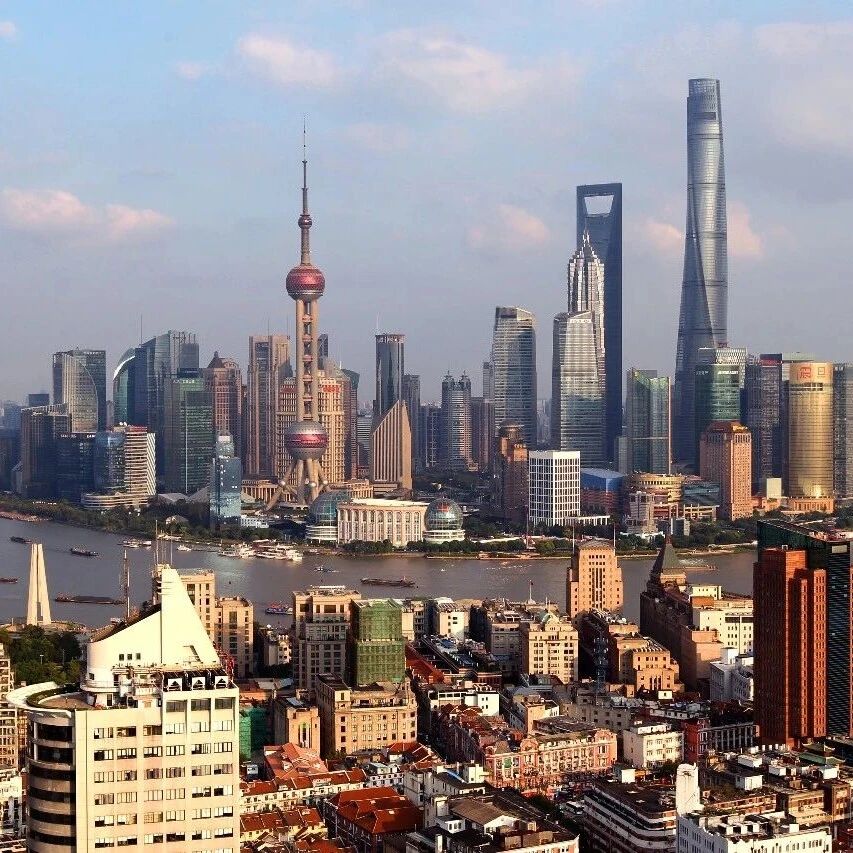
上海今年千方百计稳外资外贸,计划一季度推出新一轮政策
第一财经· 2026-02-07 14:56
Core Viewpoint - Shanghai remains a key destination for foreign investment in China, despite challenges in the global economic landscape. The city is expected to see a recovery in foreign investment and trade growth by 2025, with a focus on high-quality investments and trade facilitation [2][3]. Group 1: Foreign Investment - Shanghai's actual foreign investment reached $16.06 billion, ranking second among all provinces and cities in China, accounting for 15.3% of the national total [2]. - The proportion of foreign investment in high-tech industries during the 14th Five-Year Plan period reached 33%, an increase of 10 percentage points compared to the previous five years [2]. - By 2025, Shanghai aims to establish 6,300 new foreign enterprises, representing a growth of 6.8%, with contracted foreign investment expected to reach $18 billion, a nearly 20% increase [2][3]. Group 2: Foreign Trade - Shanghai's foreign trade is projected to exceed 4.5 trillion yuan by 2025, with import and export values expected to reach new highs, growing faster than the national average by 1.8, 4.7, and 1.3 percentage points respectively [4]. - The city's service trade imports and exports reached $257.84 billion, accounting for approximately 25% of the national total, ranking first among cities in China [4]. - Shanghai plans to implement a new round of policies to stabilize foreign trade, focusing on enhancing trade innovation and maintaining the basic stability of foreign trade [5].

上海今年千方百计稳外资外贸,计划一季度推出新一轮政策
Di Yi Cai Jing· 2026-02-07 07:20
Core Insights - Shanghai has shown resilience in attracting foreign investment despite global economic challenges, with actual foreign investment reaching $16.06 billion, ranking second among Chinese cities and accounting for 15.3% of the national total [1] - The quality of foreign investment in Shanghai is improving, with high-tech industries accounting for 33% of actual foreign investment during the 14th Five-Year Plan, a 10 percentage point increase from the previous plan [1] - The number of regional headquarters and foreign R&D centers in Shanghai has increased, with a total of 1,076 regional headquarters and 636 foreign R&D centers recognized by the end of last year [1] Group 1 - Shanghai aims to stabilize foreign investment by enhancing its business environment and supporting the transformation and upgrading of foreign enterprises [2] - The city plans to align with international trade rules and expand institutional openness, particularly in key sectors such as telecommunications, healthcare, education, and finance [2] - New foreign investment policies will guide investments towards advanced manufacturing, modern services, high-tech, and energy-saving industries [2] Group 2 - Shanghai's foreign trade is projected to exceed 4.5 trillion yuan by 2025, with growth rates in import and export values surpassing national averages [3] - The city will implement new policies to stabilize foreign trade, focusing on maintaining the basic trade framework and boosting confidence among foreign trade enterprises [3] - A new round of foreign investment policies is expected to be launched in the first quarter of this year [3] Group 3 - Shanghai will enhance cross-border trade facilitation by collaborating with customs, foreign exchange, and tax departments to improve processes such as customs clearance and export tax rebates [4] - The city aims to foster new business models in foreign trade, including the development of cross-border e-commerce and optimizing overseas warehouse services [4] - Initiatives will also focus on service trade and digital trade, with plans to establish a national service trade innovation development demonstration zone [4]
四中全会精神在基层丨不到30秒,一辆汽车出口!这座港口涌动“开放密码”
Xin Hua Wang· 2026-02-04 15:31
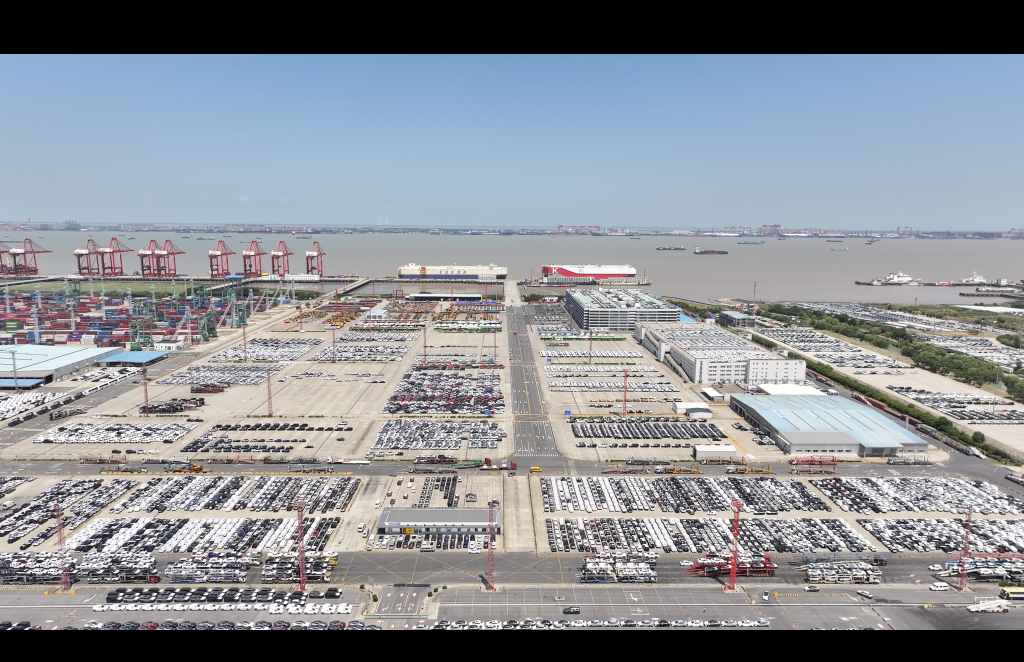
Core Insights - The article highlights the significant growth of the automotive export sector in Shanghai, particularly through the Haitong Automotive Roll-on/Roll-off Terminal, which is set to export 1.457 million vehicles by 2025, marking a 15% year-on-year increase [1] - Shanghai's total import and export volume reached 4.51 trillion yuan, a historical high, with exports increasing by 10.8% [1] Group 1: Terminal Operations and Growth - The Haitong Terminal has expanded its operations from a single port to a collaborative model involving two ports and three locations, increasing its vehicle handling capacity from 2.06 million in 2021 to 3.98 million by 2025, representing a growth of over 90% [3] - The export volume of vehicles from the terminal is projected to rise from 900,000 in 2021 to 2.74 million by 2025 [3] Group 2: Logistics and Infrastructure - The "Two Ports and Three Locations" model integrates resources and enhances logistics efficiency, addressing challenges such as tight shipping schedules and limited space [3] - The terminal has established 12 international automotive roll-on/roll-off shipping routes, covering 295 ports in 135 countries and regions, with a projected volume of over 200,000 for "water-water transport" by 2025 [3] Group 3: Future Development and Sustainability - The terminal aims to focus on green and intelligent development during the 14th Five-Year Plan, enhancing its green energy systems and achieving near-zero carbon emissions [4] - Plans include the implementation of a unified data platform, automated handling, and AI decision-making systems to transform port operations [4]
【读年报·看亮点·谋发展】外贸稳量提质多元转型
Jing Ji Ri Bao· 2026-01-29 13:14
Core Insights - In 2025, China's foreign trade demonstrated resilience and vitality, achieving a record total import and export value exceeding 45 trillion yuan, marking a 3.8% growth and maintaining growth for nine consecutive years since joining the WTO [1] Group 1: High-Tech Product Exports - High-tech products played a crucial role in China's export growth, with exports reaching 5.25 trillion yuan, a 13.2% increase, contributing 2.4 percentage points to overall export growth [2] - Exports of "new three samples" and wind turbine generators surged by 27.1% and 48.7%, respectively, while self-branded products saw a 12.9% increase, raising their share of total exports by 1.4 percentage points [2] - Specialized equipment, high-end machine tools, and industrial robots experienced significant export growth of 20.6%, 21.5%, and 48.7%, respectively, with China becoming a net exporter of industrial robots [2] Group 2: Market Dynamics - Over 780,000 market entities recorded import and export activities, with private enterprises continuing to be the main drivers of foreign trade, achieving 26.04 trillion yuan in imports and exports, a 7.1% increase, and accounting for 57.3% of total trade [3] Group 3: Trade Structure Optimization - China's foreign trade foundation is solidifying, with new trade dynamics accelerating due to a combination of institutional, market, and industrial advantages [4] - Since 2025, the government has implemented various policies to stabilize foreign trade, including 29 pilot measures that have been well-received by localities and businesses, with 25 measures being promoted nationwide [4] - In 2025, China imported 18.48 trillion yuan worth of goods, maintaining about 10% of global imports, driven by an upgraded business environment and the dual push of digital and green initiatives [5] Group 4: Trade Innovation Development - Promoting trade innovation is essential for the continuous optimization of trade structure, with the 20th Central Committee emphasizing the importance of technological innovation and the integration of innovation and industrial chains [6][7] - There is significant potential for growth in service trade, which currently represents a low proportion of total trade, necessitating the integration of goods and service trade to create new growth areas [7] - The establishment of the Hainan Free Trade Port in December 2025 marks the beginning of a new phase of opening up, expected to enhance trade structure optimization and innovation development [7]
外贸稳量提质多元转型
Jing Ji Ri Bao· 2026-01-28 21:58
Core Insights - In 2025, China's foreign trade demonstrated resilience and vitality despite global economic slowdown, achieving a record total import and export value exceeding 45 trillion yuan, marking a 3.8% growth and the longest continuous growth since joining the WTO [1] Group 1: High-Tech Product Exports - High-tech product exports reached 5.25 trillion yuan, growing by 13.2%, contributing 2.4 percentage points to overall export growth [2] - Exports of "new three samples" and wind turbine generators increased by 27.1% and 48.7%, respectively [2] - The export of industrial robots surged by 48.7%, making China a net exporter of industrial robots [2] Group 2: Market Dynamics - Over 780,000 market entities engaged in import and export activities, with private enterprises playing a crucial role, accounting for 26.04 trillion yuan in trade, a 7.1% increase, and representing 57.3% of total trade [3] Group 3: Trade Structure Optimization - China's foreign trade foundation is solidifying, with new trade dynamics accelerating due to institutional, market, and industrial advantages [4] - In 2025, imports totaled 18.48 trillion yuan, maintaining a 10% share of global imports, driven by an upgraded business environment and the dual push of digital and green initiatives [5] Group 4: Trade Innovation Development - Promoting trade innovation is essential for the continuous optimization of trade structure, with a focus on integrating technology innovation into the industrial chain [6][7] - The establishment of Hainan Free Trade Port marks a new phase of expanded openness, enhancing trade structure optimization and innovation development [7]
促消费、稳外贸、扩开放,“十五五”开局之年这样干
Sou Hu Cai Jing· 2026-01-28 07:15
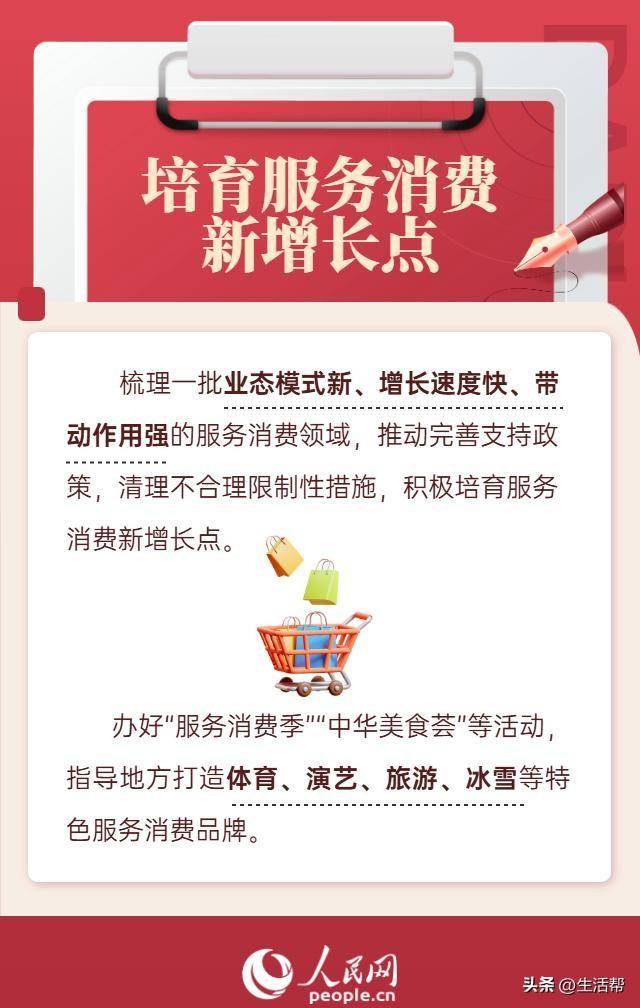
Group 1: Core Economic Strategies - The "15th Five-Year Plan" emphasizes boosting consumption, expanding autonomous openness, and promoting innovative trade development [1] - The Central Economic Work Conference highlights the importance of domestic demand and building a strong domestic market while maintaining openness for multi-field cooperation [1] Group 2: Service Consumption Growth - A focus on new service consumption models with fast growth and strong driving effects is outlined, along with the need to improve supportive policies and eliminate unreasonable restrictions [2] - Events like "Service Consumption Season" and "Chinese Cuisine Fair" are planned to guide localities in creating distinctive service consumption brands in sports, performing arts, tourism, and winter sports [2] Group 3: Consumer Market Development - The lower-tier markets, represented by third and fourth-tier cities and counties, account for 70% of the population and 60% of total retail sales of consumer goods, making them key areas for consumption growth [6] - Strategies will include enhancing circulation facilities, optimizing market environments, and enriching consumption scenarios to activate this potential "blue ocean" [6] Group 4: Trade Promotion Initiatives - Important trade fairs like the Canton Fair will be organized to attract more overseas buyers, with increased support for enterprises participating in overseas exhibitions [9] - The government aims to optimize public services and promote healthy development of new foreign trade models such as cross-border e-commerce [9] Group 5: Import and Export Strategies - Efforts will be made to expand the influence of the "Export China" brand through various matching activities and targeted procurement [11] - Utilizing trade promotion platforms like the China International Import Expo will enhance the convenience of import trade and optimize the structure of imported goods [13] Group 6: Service Trade Development - The development of service trade will follow a "one industry, one policy" approach, with policies aimed at accelerating the export of productive services and enhancing international service capabilities [15] - Emphasis will be placed on leveraging innovations in artificial intelligence, digital economy, and biomedicine to expand emerging service exports [15] Group 7: Autonomous Opening Up - Gradual expansion of autonomous opening in sectors like value-added telecommunications and biotechnology is planned, along with the implementation of zero-tariff measures for all tax items with African countries [19] - The operational policies for the Hainan Free Trade Port will be actively promoted to ensure effectiveness [19] Group 8: Global Supply Chain Cooperation - The strategy includes promoting reasonable and orderly cross-border layout of industrial and supply chains, enhancing cooperation in green development, digital economy, and new energy sectors [21] - The establishment of a comprehensive overseas service system and the promotion of a collaborative service ecosystem for international market expansion are also key objectives [21]
今年将优化实施消费品以旧换新,促进大宗耐用商品消费
Xin Lang Cai Jing· 2026-01-26 21:05
Core Viewpoint - The Chinese government is set to implement various measures in 2026 to boost consumption, support foreign trade innovation, and expand bilateral investment opportunities. Group 1: Foreign Trade Innovation - The establishment of a negative list management system for cross-border service trade and the construction of a national service trade innovation development demonstration zone will be prioritized [1][6] - A national digital trade demonstration zone will be initiated, along with the formulation of relevant standards for digital trade to promote the digital transformation of service outsourcing [1][6] Group 2: Consumption Promotion - The optimization of the old-for-new consumption policy will be implemented to stimulate the consumption of durable goods such as automobiles, home appliances, and digital products [2][5] - Pilot reforms in automotive circulation consumption will be conducted to further unleash the potential of automobile consumption [2][5] - The service consumption quality improvement initiative will continue, focusing on enhancing the supply levels in cultural entertainment, tourism, and healthcare sectors [2][5] Group 3: Investment Expansion - The government plans to gradually open up sectors such as telecommunications, healthcare, and education to foreign investment [7] - A national-level overseas comprehensive service platform will be established to support foreign investors and facilitate their participation in various economic activities [8] Group 4: International Trade Cooperation - The government aims to sign free trade agreements with more willing countries and establish trade facilitation working groups to enhance international economic cooperation [6][7] - The focus will be on expanding self-trade cooperation with countries in the Gulf Cooperation Council, Switzerland, South Korea, and others [7]
2026年如何提振消费、稳定外贸、拓展双向投资?
Xin Lang Cai Jing· 2026-01-26 16:55
Group 1: Consumer Promotion and Service Sector Growth - In 2026, the Ministry of Commerce will optimize the implementation of the old-for-new consumption policy to boost sales of durable goods such as automobiles and home appliances [2] - The service sector is identified as a key driver for domestic demand expansion and transformation, with initiatives to enhance the supply levels in cultural, entertainment, tourism, and healthcare sectors [2] - The Ministry will continue to promote service consumption quality improvement actions and remove unreasonable restrictions in service consumption areas [2] Group 2: Foreign Trade Stability and Innovation - The Ministry of Commerce aims to stabilize the foreign trade base through a combination of policies and support for cross-border e-commerce development [4] - Service trade and digital trade are highlighted as important areas for innovation, with plans to establish national service trade innovation development demonstration zones [4] - The Ministry will promote the "Export China" brand and leverage major trade exhibitions to expand imports from countries involved in the Belt and Road Initiative [4][5] Group 3: Attracting Foreign Investment - In 2026, efforts will be made to enhance the attractiveness of foreign investment by expanding access in sectors like telecommunications, healthcare, and education [7] - The Ministry will implement policies to support foreign enterprises in participating in consumption stimulation and government procurement activities [7] - A national-level overseas comprehensive service platform will be established to provide a one-stop service for companies going abroad, integrating various service resources [8]
2026年如何提振消费、稳定外贸、拓展双向投资?国新办这场发布会回应关切
Xin Hua Wang· 2026-01-26 12:38
Group 1: Consumer Promotion - In 2026, the implementation of a consumption upgrade program will be optimized, focusing on the replacement of old consumer goods, particularly in the automotive, home appliance, and digital product sectors [3][4] - The service consumption sector will be enhanced through actions aimed at improving the supply levels in cultural entertainment, tourism, dining, and healthcare [3][4] - New growth points in service consumption will be cultivated, including transportation services, housekeeping, and inbound consumption, supported by relevant policies [3][4] Group 2: Foreign Trade Stability - The Ministry of Commerce will implement a series of policies to stabilize foreign trade, including promoting cross-border e-commerce and enhancing the "Export China" brand [5][6] - Service trade and digital trade will be key areas for innovation, with plans to establish national service trade innovation development demonstration zones [5][6] - Efforts will be made to expand the export of productive services and enhance the international capabilities of professional service institutions [5][6] Group 3: Foreign Investment Expansion - In 2026, there will be a focus on creating new advantages for attracting foreign investment, with plans to open up sectors such as telecommunications, healthcare, and education [7][8] - A national-level overseas comprehensive service platform will be established to provide a one-stop service for companies looking to invest abroad [8] - The Ministry of Commerce will accelerate the process of regional and bilateral trade investment agreements, enhancing market access and investment protection [7][8]
商务部:愿做“世界工厂”更愿做“世界市场”
Xin Hua Wang· 2026-01-26 10:36
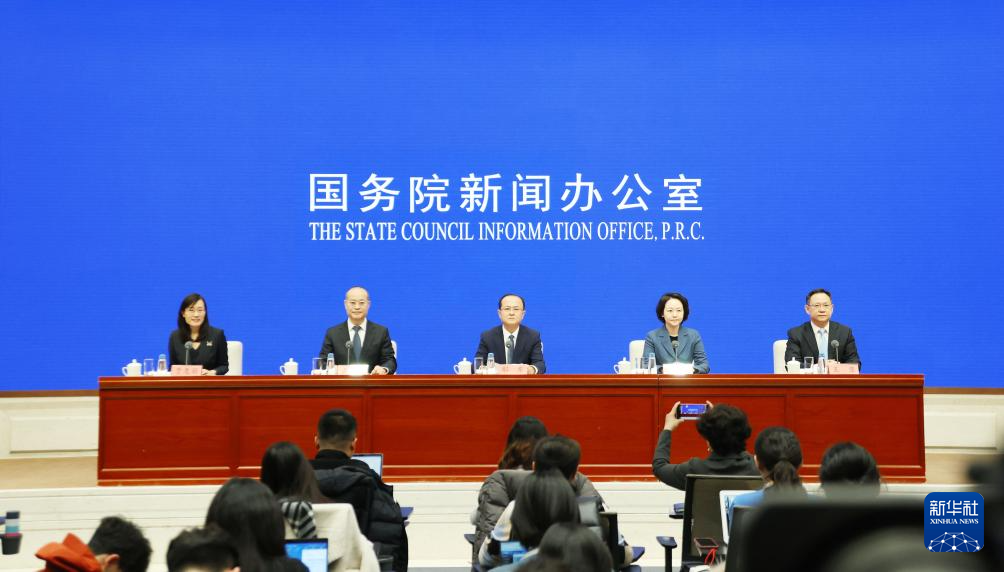
Core Viewpoint - In 2026, China will steadfastly promote high-level opening-up to the outside world, aiming to innovate and balance trade development, aspiring not only to be the "world's factory" but also the "world's market" [1] Group 1 - The Director of the Department of Foreign Trade of the Ministry of Commerce, Wang Zhihua, emphasized the commitment to advancing high-level opening-up [1] - The focus will be on promoting innovative and balanced trade development [1] - China expresses a willingness to transition from being solely a manufacturing hub to becoming a significant global market [1]