竞品分析

Search documents
老板说“分析一下竞品的Deep Research”,我交出了这份报告
3 6 Ke· 2026-01-30 00:25
Group 1 - The article outlines a systematic approach to conducting a competitive analysis of the Deep Research feature, emphasizing the importance of strategic insights and actionable recommendations [1][2][21] - The core function of Deep Research, launched by OpenAI in February 2025, allows AI to autonomously conduct web searches, integrate information from multiple sources, and generate comprehensive research reports, distinguishing it from traditional AI search methods [5][6] - Key dimensions for analysis include core functionality, feature matrix, and content quality, while market positioning and model technology are considered less critical for this specific inquiry [8][9] Group 2 - The selection of competitors includes direct competitors with independent Deep Research capabilities, indirect competitors with research abilities, and potential competitors that may emerge in the future [10] - Data collection involves three main channels: public information retrieval, product experience through testing, and user research to gather real user feedback [11][12] - The analysis phase includes constructing a feature matrix to compare functionalities across competitors and evaluating content quality based on accuracy, completeness, depth, structure, and usability [14][15][16] Group 3 - The report structure is designed to present core conclusions upfront, followed by an overview of competitors, a feature comparison matrix, content quality assessment results, and typical case studies to illustrate findings [17][18][19][20] - The final section provides actionable recommendations, prioritizing features to follow up on and identifying potential pitfalls to avoid [21][22] - The overall process of competitive evaluation is summarized as a series of methodical steps: clarifying objectives, selecting appropriate competitors, defining dimensions, collecting data, analyzing findings, and producing the report [21]

真正威胁你的竞品,往往不在你的分析名单里
3 6 Ke· 2026-01-26 06:21
Core Insights - The article emphasizes the importance of correctly identifying competitors before conducting detailed analysis, as selecting the wrong competitors can render the entire report useless [1][2]. Group 1: Definition and Classification of Competitors - Competitors are defined as products that can divert user attention, time, or budget, not just those that offer similar products [2]. - Three categories of competitors are identified: direct competitors, indirect competitors, and potential competitors [2]. Group 2: Direct Competitors - Direct competitors are characterized by operating in the same market, targeting the same user base, and offering similar core functionalities, leading users to choose between them [3][4]. - An example provided is the competition between Doubao and Kimi, both AI dialogue assistants targeting C-end users [4][5]. Group 3: Indirect Competitors - Indirect competitors address similar problems but differ in product form, core functionality, or usage scenarios, potentially diverting users in specific contexts [6][7]. - Midjourney is cited as an indirect competitor to AI dialogue products, as it serves the broader need for AI-assisted creation but through different means [8][9]. Group 4: Potential Competitors - Potential competitors currently differ significantly in product form and functionality but may compete for the same user resources in the future [10]. - Douyin is mentioned as a potential competitor due to its large user base and capability to introduce AI features, which could disrupt the market [11][12]. Group 5: Analysis Directions - When selecting competitors, companies should consider the analysis direction, which can include business strategy, specific functionalities, and user overlap [13]. - Business direction focuses on the competitor's commercial logic and revenue models, while functional direction examines specific features and technical paths [14][15]. - User direction analyzes user overlap and migration costs, which can inform operational strategies [16][17]. Group 6: Sources for Finding Competitors - Companies can identify competitors through various channels, including app stores, industry reports, social media, and direct user feedback [18][19][20][21][22]. - App stores provide a direct source for similar products, while industry reports offer insights into market dynamics and player rankings [19][20]. Group 7: Practical Example - A practical example is provided for selecting competitors for the Deep Research feature, categorizing them into direct, indirect, and potential competitors based on their functionalities and market positioning [23][24]. Group 8: Summary Principle - The core principle for selecting competitors is to first understand who is competing for the same users, which informs the focus of the analysis [25].
你见过最差的产品经理是什么样子?
3 6 Ke· 2025-06-20 03:32
Group 1 - The article emphasizes the importance of using prototyping tools for product managers, arguing that even experienced managers should not underestimate their value in expressing product logic and functionality [1][3] - It highlights that product managers who do not engage with prototyping tools may overlook technical implementation costs and development cycles, potentially leading to delayed user satisfaction [3] - The article points out that a lack of competitive analysis can result in poorly designed products, as product managers need to understand market trends and competitors' strengths [4] Group 2 - It discusses the negative impact of product managers who infrequently engage with development teams, suggesting that regular communication is essential for understanding project progress and addressing issues [5] - The article criticizes product managers who focus solely on technical aspects without considering commercialization, which can lead to product failures [8] - It warns against product managers who resist adopting new technologies, as this can hinder their ability to meet evolving user demands and market trends [9]
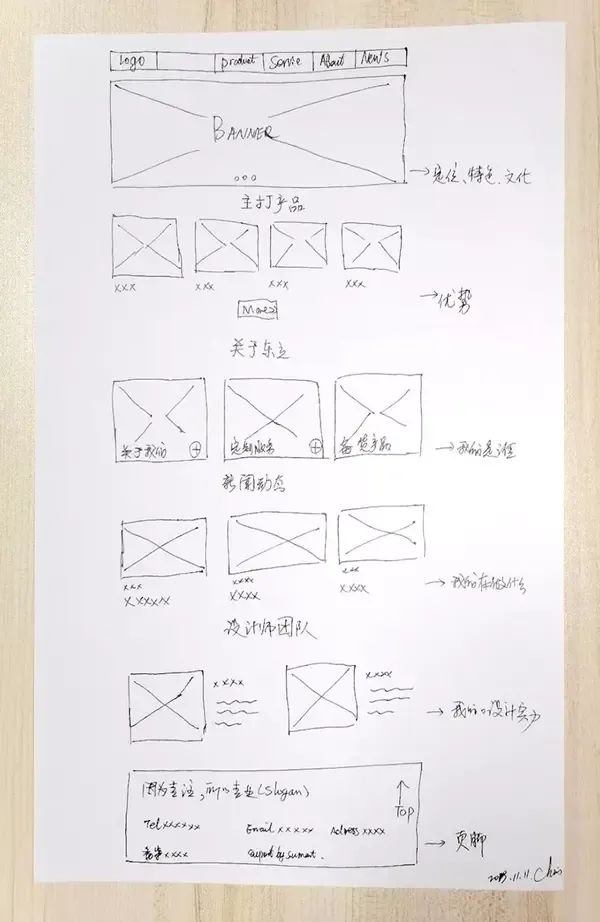
1688商家如何用店雷达监控同行?【竞品分析、1688店铺运营】
Sou Hu Cai Jing· 2025-05-27 10:37
Group 1 - Competitive analysis is crucial for product selection and store optimization on 1688, focusing on three types of competitors: super competitors, recent competitors, and direct competitors [1] - Super competitors are the top 3-5 players in the industry, serving as long-term learning benchmarks [1] - Recent competitors are those with outstanding sales performance in the last 30 days, allowing sellers to quickly capture market changes [1] Group 2 - Direct competitors are products with similar user demographics, pricing, and features, where sellers can identify differentiation advantages and shortcomings [1] - Sellers can monitor competitors' daily sales data, including sales volume, estimated sales revenue, and turnover rates, using tools like store radar [1][2] Group 3 - Analyzing pricing strategies of competitors, including price changes, promotional activities, and pricing tiers based on specifications, is essential for maintaining competitive pricing [6] - Understanding SKU combinations and sales performance of different variants helps optimize inventory and improve sales efficiency [8] Group 4 - Tracking competitors' promotional strategies during holidays and major sales events can provide insights into effective sales tactics [10] - Observing the frequency and timing of new product launches in relation to market trends can help adjust sellers' own launch plans [10] Group 5 - Analyzing customer feedback on competitors' product detail pages, including reviews and ratings, can reveal strengths and weaknesses, guiding product optimization [13] - Utilizing comment analysis and SKU performance data can help identify market demands and improve service offerings [14][18]