
端侧AI与XR

Search documents
CES 2026前瞻:英伟达或重塑物理AI,中美韩机器人齐“秀肌肉”
美股研究社· 2026-01-04 11:22
Core Viewpoint - The 2026 Consumer Electronics Show (CES) is anticipated to showcase significant advancements in technology, particularly in AI, robotics, and consumer electronics, with a focus on cost reduction and efficiency improvements [7][10]. Group 1: Chip Industry Strategies - NVIDIA is shifting its focus away from traditional consumer graphics cards, emphasizing "Physical AI" to extend AI computing capabilities into robotics and industrial applications, with potential delays in the RTX 50 Super series due to high GDDR7 memory prices [8][14]. - AMD is adopting a steady upgrade strategy, planning to launch the Ryzen 9000 series for desktops and Ryzen AI 400 series for mobile devices, targeting workstation users with advanced features [14]. - Intel is set to release the Core Ultra Series 3, which includes approximately 14 SKUs, with the flagship model featuring 16 cores and a maximum frequency of 5.1GHz, aiming to regain market confidence in its advanced manufacturing capabilities [14]. Group 2: Robotics and AI Developments - 2026 is seen as a pivotal year for humanoid robots, with a focus on practical applications and real-world testing [10]. - The competition among countries in robotics is intensifying, with China focusing on cost control and mass production, while the U.S. showcases technological benchmarks through companies like Boston Dynamics [15]. - South Korea is forming alliances to enhance its robotics capabilities, exemplified by the "K-Humanoid" alliance led by Rainbow Robotics, showcasing industrial-grade humanoid robots [15]. Group 3: XR and Consumer Electronics - The XR market is currently in a digestion phase following the release of Apple Vision Pro, with CES 2026 expected to mark the beginning of a counterattack from the Android camp [12]. - Samsung is debuting the Galaxy XR glasses, which integrate advanced AI features and aim to compete with Apple's ecosystem [16]. - Chinese companies are leading the trend of lightweight AI glasses, with products like the Quark AI Glasses S1 and Rokid Glasses focusing on practical applications such as real-time translation and AR navigation [16]. Group 4: Automotive Industry Innovations - The automotive sector is transitioning from "software-defined" to "AI-defined," with a competitive arms race in chip technology [13][21]. - Companies like Geely and Great Wall are showcasing innovations in vehicle architecture, while BMW is presenting its iX3 based on the Neue Klasse architecture, integrating advanced technologies [21]. Group 5: Display and Hardware Innovations - Lenovo is introducing innovative hardware solutions, including AI-driven automatic rotating screens and rollable laptops, addressing the balance between large displays and portability [22]. - Display technology advancements are highlighted by TCL and Hisense, focusing on Mini-LED technology and AI image processing capabilities to enhance picture quality [22].


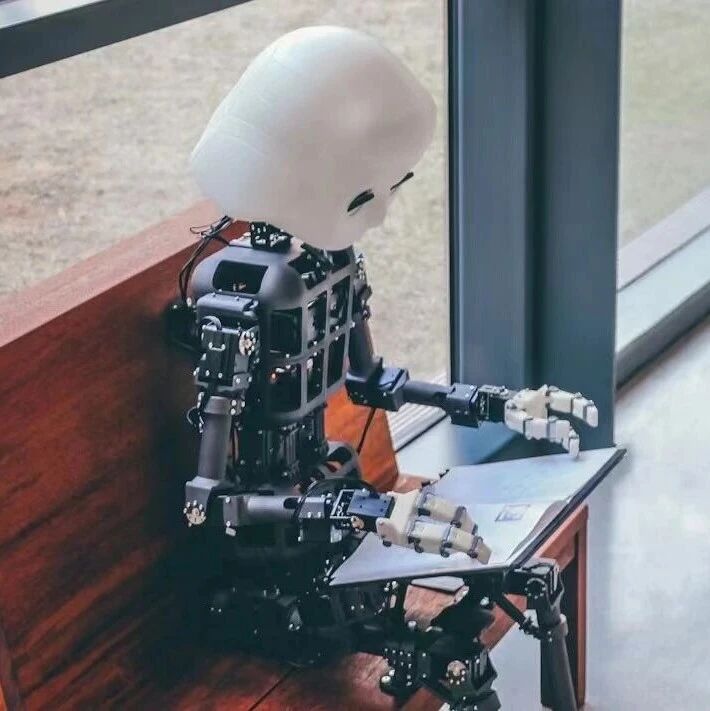
CES 2026前瞻:英伟达或重塑物理AI,中美韩机器人齐“秀肌肉”
硬AI· 2026-01-04 07:29
Core Insights - The CES 2026 highlights a strategic divergence among chip giants, with NVIDIA shifting focus towards industrial AI and robotics, while AMD and Intel continue to enhance their traditional PC markets [2][4]. Group 1: Chip Giants' Strategies - NVIDIA is expected to delay the launch of the RTX 50 Super series due to high GDDR7 memory prices and supply shortages, with CEO Jensen Huang emphasizing "Physical AI" to extend AI computing power into robotics and industrial applications [4]. - AMD is adopting a steady upgrade strategy, planning to launch the Ryzen 9000 series for desktops, with the flagship Ryzen 9 9950X3D2 featuring dual-chip 3D V-Cache and 192MB L3 cache aimed at workstation users [4]. - Intel is set to release the Intel Core Ultra Series 3 (Panther Lake), which includes approximately 14 SKUs, with the flagship Core Ultra X9 388H featuring 16 cores and a maximum frequency of 5.1GHz, potentially alleviating market concerns about its advanced process execution [5]. Group 2: Robotics and AI Developments - 2026 is seen as a pivotal year for humanoid robots transitioning from demonstration to practical application, focusing on cost reduction and efficiency improvements [7]. - The competition among Chinese, American, and Korean manufacturers is intensifying, with companies like Yushu and Zhiyuan leading cost control efforts, while Boston Dynamics showcases its Atlas robot, and South Korea presents the "K-Humanoid" alliance [10][11]. Group 3: Automotive Industry Transformation - The automotive sector is undergoing a significant technological transformation, with a clearer competitive landscape for intelligent driving chips [13][14]. - NVIDIA leads the high-end L4 market with its Thor chip, while Qualcomm, despite lower AI computing power, successfully penetrates the supply chains of companies like Ideal and Mercedes with its Snapdragon Ride Elite platform [15]. - Chinese automakers like Geely and Great Wall are demonstrating advancements in architecture innovation, while BMW showcases its iX3 based on the Neue Klasse architecture [16]. Group 4: Hardware Innovations - Companies are exploring radical hardware innovations to overcome traditional limitations, with Lenovo presenting prototypes of AI-driven automatic rotating screens and rollable laptops [21]. - TCL and Hisense continue to focus on Mini-LED technology, emphasizing the role of AI image processors in enhancing display quality [21].
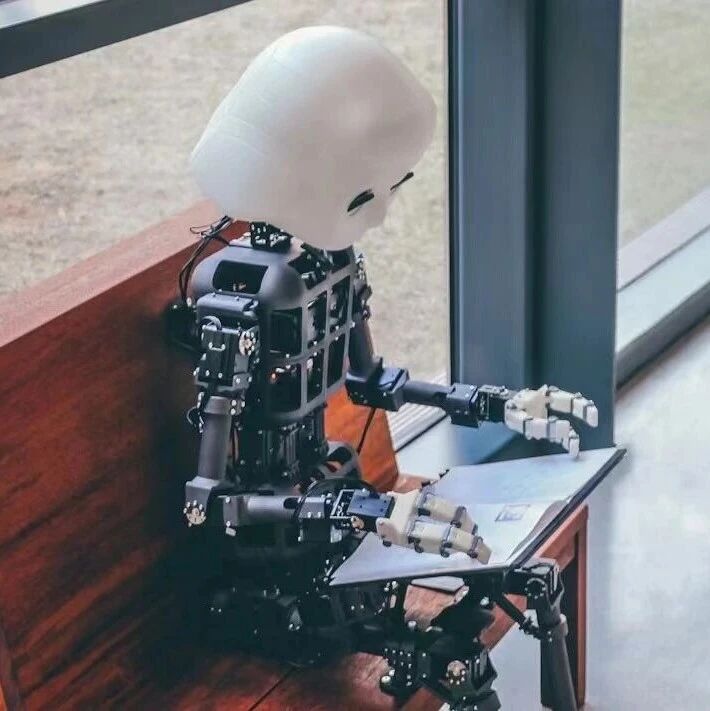
CES 2026前瞻:英伟达或重塑物理AI,中美韩机器人齐“秀肌肉”
Hua Er Jie Jian Wen· 2026-01-04 05:53
Group 1: CES 2026 Overview - The 2026 Consumer Electronics Show (CES) will take place from January 4 to 9 in Las Vegas, serving as a significant platform for tech companies to unveil new products, including those in concept stages [1] - The strategies of chip giants will show notable divergence at CES 2026, with NVIDIA shifting focus away from traditional consumer graphics cards [1] Group 2: Robotics and AI Developments - 2026 is seen as a pivotal year for humanoid robots transitioning from demonstration to practical applications, emphasizing cost reduction and real-world validation [2] - The XR market is undergoing a "digestive period" following the release of Apple Vision Pro, with CES 2026 marking the beginning of a counterattack from the Android camp [3] Group 3: Automotive Industry Innovations - The automotive sector is experiencing a deep transformation in its technological architecture, with a clearer competitive landscape for smart driving chips [4] - Key players like NVIDIA, Qualcomm, and Mobileye are competing in the chip arms race, with NVIDIA leading the high-end L4 market with its Thor chip [8] Group 4: Company-Specific Strategies - NVIDIA's anticipated RTX 50 Super series graphics cards may be delayed due to high GDDR7 memory prices and supply shortages, with CEO Jensen Huang focusing on "Physical AI" to extend AI computing power into robotics and industrial applications [5] - AMD is adopting a steady upgrade strategy, planning to launch the Ryzen 9000 series for desktops and Ryzen AI 400 series for mobile devices [5] - Intel is set to release the Intel Core Ultra Series 3, which includes approximately 14 SKUs, aiming to alleviate market concerns regarding its advanced process execution capabilities [5] Group 5: Chinese and Korean Market Dynamics - Chinese companies like Yushu and Zhiyuan are leading in cost control, with Yushu expected to showcase its G1 mass production version [5] - South Korea is presenting the "K-Humanoid" alliance, led by Rainbow Robotics, showcasing industrial-grade humanoid robots and demonstrating ambitions for full supply chain integration [5] Group 6: Consumer Electronics Trends - Smart home devices, particularly robotic vacuum cleaners, are entering a phase of "micro-innovation," focusing on enhancing autonomous service capabilities rather than just technical specifications [5] - Lenovo is exploring radical form factor innovations with products like the ThinkBook Plus Gen 7 Auto Twist and ThinkPad Rollable XD, addressing the balance between large screens and portability [6]
