
米价上涨

Search documents
日本新米开始上市 价格不降反升
Xin Hua She· 2025-08-18 05:34
Core Insights - Japan is experiencing a significant increase in new rice prices, with prices up approximately 50% compared to previous years, exceeding 1000 yen (about 48.8 RMB) per kilogram [1] - The high prices are attributed to intense competition among buyers, which has driven up the purchase prices of new rice, subsequently raising retail prices [1] - The Ministry of Agriculture, Forestry and Fisheries of Japan has implemented measures such as releasing government reserve rice to curb prices, but the effectiveness of these measures is questioned due to the limited quantity and the age of the reserve rice [1] Group 1: Price Trends - New rice prices in Japan have risen sharply, with some varieties reaching 7800 yen (about 381 RMB) for a 5-kilogram bag [1] - The price increase follows a period of rice shortages last year, which was exacerbated by extreme weather conditions affecting rice yields [1] Group 2: Market Dynamics - The competition among rice buyers has intensified, leading to higher acquisition prices for new rice [1] - Despite the release of reserve rice to stabilize prices, industry insiders express skepticism about its impact on the high prices of new rice [1]
米价大涨!韩国政府首次“出借”储备米
Guo Ji Jin Rong Bao· 2025-08-12 10:48
Core Viewpoint - The South Korean government is taking measures to stabilize rising rice prices by lending out government reserve rice for the first time, as market supply tightens ahead of the new rice harvest season [1][2]. Group 1: Rice Price Trends - As of August, the average retail price of a 20-kilogram bag of rice in South Korea is 58,000 KRW (approximately 300 RMB), which is over 10% higher than the annual average and nearing the 60,000 KRW (approximately 310 RMB) threshold [1]. - The increase in rice prices is primarily due to a reduction in market supply, with wholesale purchases from domestic producers dropping to 157,000 tons from January to April, a decrease of 16,000 tons compared to the previous year [1]. Group 2: Supply and Inventory Data - As of April, South Korea's rice reserves stand at 712,000 tons, a decrease of 210,000 tons from the previous year, with the National Agricultural Cooperative's inventory down by 20.4% to 635,000 tons and private inventory down by 39.6% to 77,000 tons [1]. - The tight supply situation is attributed to extreme weather conditions, including heavy rainfall that flooded over 25,000 hectares of rice fields, affecting 3.6% of the total rice planting area [1]. Group 3: Government Intervention - The South Korean government plans to lend 30,000 tons of 2024 harvest reserve rice to local distributors by the end of August to alleviate market shortages, targeting producers eligible for government rice purchase support and forestry enterprises with over 3,000 tons of grain purchase [2]. - Unlike previous auction methods, the rice lent must be returned in equivalent quantities of 2025 harvest rice by March 2026, with the return amount calculated based on the average price of rice in July 2025 [2]. Group 4: Legislative Measures - In response to unstable rice production, the South Korean National Assembly's Agriculture, Food, Rural Affairs, and Ocean Affairs Committee passed a revision to the Grain Management Act on July 24, allowing for systematic government intervention to stabilize rice prices during periods of shortage or surplus [3]. Group 5: Regional Market Impact - Japan is experiencing a rice crisis, with the average price of a 5-kilogram bag reaching 4,217 JPY (approximately 218 RMB) in April, prompting a surge in South Korean rice exports to Japan, which reached a record 416 tons from January to June, 26 times higher than the previous record in 2012 [3].
【环球财经】米价上涨 韩国政府将首次“出借”储备米
Xin Hua She· 2025-08-12 05:58
Core Insights - South Korea is entering a new rice harvest period, but market supply tightness has led to rising rice prices [1] - The South Korean government has decided to "lend" 30,000 tons of government reserve rice to local distributors to stabilize prices [1] Price Trends - As of August, the average retail price for a 20-kilogram bag of rice in South Korea is 58,000 KRW (approximately 300 RMB), which is over 10% higher than the annual average and nearing the 60,000 KRW (approximately 310 RMB) price threshold [1] Government Intervention - The price increase is primarily attributed to a reduction in market supply, prompting the government to take action [1] - This is the first time the South Korean government has used a "lending" method to release reserve rice, differing from previous auction methods [1]
日本首相:将彻查米价突然高涨原因
news flash· 2025-06-09 06:42
Core Viewpoint - The price of rice in Japan has been continuously rising due to extreme high temperatures and poor harvests, reaching record highs, with a year-on-year increase of 98.4% as of April 2023, the largest since 1971 [1] Group 1: Price Trends - The price of rice in Japan has increased by 98.4% compared to the same period last year [1] - This surge in rice prices has led to predictions that by 2025, rice in Japan may become comparable to "unaffordable gold" [1] Group 2: Government Response - Japanese Prime Minister Kishida Fumio announced plans to conduct a thorough investigation into the reasons behind the sudden spike in rice prices through a cabinet meeting focused on stabilizing rice supply [1]
大涨98.4%!吃惯大米的日本人,被迫改吃面条等……小泉纯一郎之子准备这样应对
第一财经· 2025-05-23 10:04
Core Viewpoint - The appointment of the new Minister of Agriculture, Forestry and Fisheries, Shinjiro Koizumi, comes at a critical time as Japan faces soaring rice prices, with the government aiming to stabilize prices and ensure food security [3][4][6]. Group 1: Rice Price Trends - Japan's consumer price index (CPI) for April, excluding fresh food, rose by 3.5% year-on-year, with rice prices increasing by 98.4%, marking the highest rise since 1971 [4][6]. - The average price of a 5-kilogram bag of rice reached 4,268 yen (approximately 212 RMB), double the price from the previous year, setting a record high [6][7]. - Prime Minister Kishida has set a target to reduce the price of 5 kilograms of rice to between 3,000 and 4,000 yen (approximately 150 to 200 RMB) [7]. Group 2: Government Response and Policies - Koizumi plans to replace the current rice reserve auction system with a contract-based sales approach to stabilize prices, as previous auctions have led to higher prices [8]. - The government has already auctioned 310,000 tons of reserve rice to stabilize supply, but the effectiveness of this measure is under scrutiny [8]. - Koizumi's experience in agricultural policy and previous roles in the government may aid in addressing the current challenges in the rice market [8]. Group 3: Future Challenges and Market Dynamics - The Japan Agricultural Cooperatives (JA) has significantly increased the advance payment for this year's autumn rice harvest, indicating potential higher retail prices for consumers [9]. - In Niigata Prefecture, the advance payment for Koshihikari rice is set to rise by 35%, reaching 23,000 yen (approximately 1,156 RMB) for 60 kilograms, while Akita Prefecture anticipates a 42% increase for Akita Komachi rice [9]. - Koizumi faces the challenge of establishing a transparent price monitoring mechanism to regain public trust, especially after the previous minister's controversial remarks led to public dissatisfaction [10].

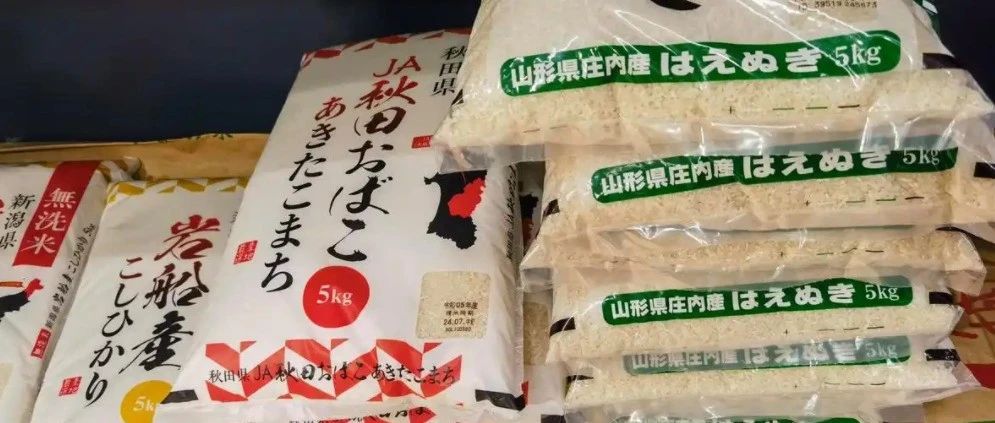
米价飞涨,日本首相:5公斤大米价格须降到不高于4000日元
news flash· 2025-05-21 08:52
Core Viewpoint - The Japanese Prime Minister, Shigeru Ishiba, emphasized the need to reduce the price of 5 kilograms of rice to between 3000 and 4000 yen (approximately 150 to 200 RMB) during a party debate, highlighting the ongoing issue of rising rice prices due to poor harvests caused by extreme heat [1] Group 1: Price Trends - Since last summer, rice prices in Japan have been continuously rising due to poor harvests caused by extreme high temperatures [1] - The average price of 5 kilograms of rice in Japanese supermarkets reached 4233 yen (approximately 210 RMB) during the week of April 21 to April 27, marking a 17-week consecutive increase [1] - This price is more than double the price from the same period last year, setting a record high since statistics have been kept [1]
日本米价暴涨 农林水产大臣称“我的米有人送”
Xin Hua She· 2025-05-19 11:35
Core Viewpoint - Japan's rice prices have been rising for over ten weeks, now approximately double compared to the same period last year, causing significant public concern and criticism towards government officials [1][2]. Group 1: Government Response - Japan's Minister of Agriculture, Forestry and Fisheries, Takashi Eto, made controversial remarks about his personal rice supply, stating he has received rice from supporters and has enough to sell, which sparked public outrage [2][3]. - Following the backlash, Eto attempted to clarify his comments, admitting he does buy rice regularly and that his previous statement was exaggerated, acknowledging a lack of understanding of consumer concerns [3][4]. - Despite the criticism, Eto expressed no intention to resign from his position [4]. Group 2: Market Conditions - The price of rice in Japan has been on the rise since last autumn, prompting the Ministry of Agriculture to release government reserve rice in March to address the price increase, although this action was criticized as being too slow and ineffective [4]. - As of early May, the average price for a 5-kilogram bag of rice in supermarkets was 4,214 yen (approximately 209 RMB), marking a slight decrease but still double the price from the previous year [4]. - A recent poll indicated that 87% of respondents believe the government has not effectively addressed the rising rice prices, contributing to a decline in the approval rating of Prime Minister Kishida's cabinet by 5.2 percentage points to a new low of 27.4% [4]. Group 3: Social Impact - The rising rice prices have affected school lunch programs in some regions, leading to plans to reduce the frequency of rice servings in favor of other staples [4]. - In a surprising trend, rice has become a popular gift for Mother's Day in Japan, as consumers view it as a practical alternative to traditional gifts like flowers and cakes [4][5]. - The ongoing price increase has also led to incidents of rice theft, causing economic losses for farmers [5].
日本米价连续17周创新高 今年秋季可能更贵
news flash· 2025-05-08 06:54
Core Viewpoint - Japan's rice prices have reached a record high for 17 consecutive weeks, leading to expectations of even higher retail prices for consumers this autumn [1] Group 1: Price Trends - The Japan Agricultural Cooperatives (JA), the country's largest rice purchasing and wholesale organization, has significantly increased the advance payment for autumn rice procurement [1] - As of the week ending April 27, the average price for a 5-kilogram bag of rice was 4,233 yen (approximately 213 RMB), more than double the price from the same period last year [1]