
米价调控

Search documents
去年大米类商品价格涨幅近七成 创半个多世纪来新高 日本米价高企加重民生负担
Ren Min Ri Bao· 2026-02-02 22:26
Core Viewpoint - The price of rice in Japan is projected to increase by 67.5% by 2025, marking the highest rise since 1971, significantly impacting consumer costs and the fast-food industry [1][2]. Group 1: Price Trends and Consumer Impact - The average retail price of rice in Japan is currently 4,095 yen (approximately 183 RMB) for 5 kilograms, remaining high and increasing the financial burden on consumers [1]. - The rising rice prices have led to a decline in net profits for major fast-food chains in Japan, with Yoshinoya's profits dropping by 37%, Marumatsu by 60%, and CoCo Ichibanya by 17% from September to November 2025 [1]. - Consumers are directly feeling the impact of rising rice prices, with the cost of rice balls increasing from just over 100 yen a few years ago to over 200 yen now [1]. Group 2: Government Policy and Agricultural Concerns - The Japanese government has struggled with effective price control measures, leading to criticism over its frequent policy adjustments and lack of a coherent strategy [2][3]. - The recent shift in agricultural policy, moving away from rice production increases to a market-driven approach, has raised concerns among agricultural producers about the stability and future of the industry [2][3]. - Experts warn that the uncertainty in government policy could hinder agricultural operations and exacerbate labor shortages in the sector, as producers are hesitant to invest in new technologies and expansion [3].
日本投放免税进口大米平抑米价
Bei Jing Shang Bao· 2025-09-18 16:34
Core Viewpoint - The Japanese government has begun early tax-free imports of rice to stabilize high prices, but media reports suggest this may not be effective [1][2]. Group 1: Government Actions - The Japanese government started delivering zero-tariff imported rice to wholesalers about three months earlier than usual, beginning last week [1]. - Under WTO rules, Japan imports 770,000 tons of rice annually at zero tariffs, with 100,000 tons designated for human consumption and the rest for animal feed and processing [2]. - The Ministry of Agriculture, Forestry and Fisheries announced that the bidding for tax-free rice imports began in June, with approximately 60,000 tons delivered so far [2]. Group 2: Market Conditions - Private companies imported 26,000 tons of rice in July, a 200-fold increase compared to the same period last year, with import taxes exceeding $2 per kilogram [2]. - Despite increased imports, domestic rice prices have risen, leading to expectations of further price increases overall [2]. - As of September 1-7, the average price of rice in about 1,000 supermarkets was 4,155 yen (approximately 200.2 RMB) for 5 kilograms, marking a 264 yen increase from the previous week, the largest increase since March 2022 [2]. Group 3: Price Influences - Japanese rice prices have been rising since summer 2024 due to extreme heat affecting harvests [2]. - A warning about a potential earthquake in the eastern Pacific last year led to a rice hoarding trend among the public, resulting in a temporary "rice shortage" [2]. - Although the "rice shortage" eased after the new rice was released last year, prices have remained high due to reduced government reserve rice supplies [2].

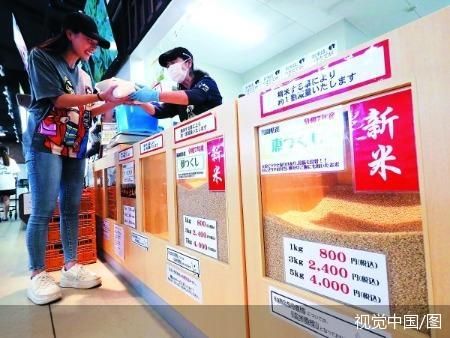
日本提前投放免税进口大米,但米价……
Sou Hu Cai Jing· 2025-09-17 19:09
Core Points - The Japanese government has started to release tax-free imported rice to stabilize high rice prices, but media reports suggest this may not be effective [1][3] - Japan's annual zero-tariff rice import commitment is 770,000 tons, with 100,000 tons designated for human consumption and the rest for animal feed and processing [3] - The government began the bidding process for tax-free rice imports in June, approximately three months earlier than usual, and has delivered about 60,000 tons so far [3] Industry Insights - Private companies imported 26,000 tons of rice directly in July, a dramatic increase of about 200 times compared to the same period last year, with import taxes exceeding $2 per kilogram [3] - Despite the increase in imported rice, domestic rice prices have already risen, leading to concerns that overall rice prices may continue to increase [1][3] - Since the summer of 2024, extreme heat has caused poor rice harvests, contributing to a sustained rise in rice prices in Japan [3]
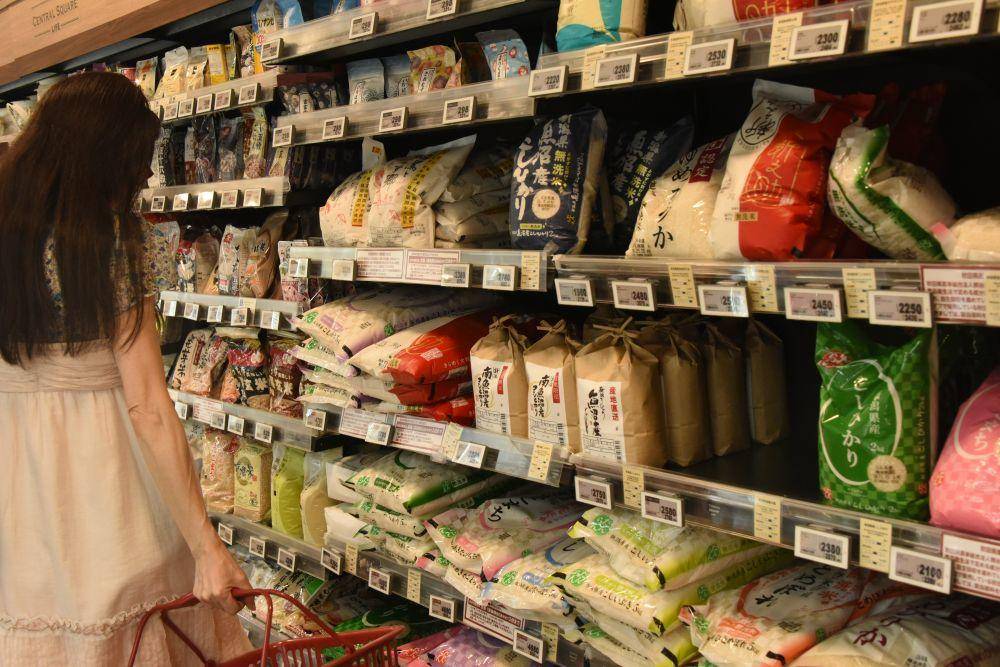
【环球财经】日本提前投放免税进口大米以平抑米价
Xin Hua She· 2025-09-17 07:11
Core Viewpoint - The Japanese government has begun early tax-free imports of rice to stabilize high rice prices, but media reports suggest this may not be effective [1] Group 1: Government Actions - The Japanese government started delivering zero-tariff imported staple rice to wholesalers about three months earlier than usual [1] - Under World Trade Organization rules, Japan imports 770,000 tons of rice annually at zero tariffs, with 100,000 tons designated for human consumption and the rest for animal feed and processing [1] - As of now, approximately 60,000 tons of tax-free rice have been delivered since the bidding began in June [1] Group 2: Market Conditions - Private enterprises imported 26,000 tons of rice in July, a 200-fold increase compared to the same period last year, with import taxes exceeding $2 per kilogram [1] - Despite the increase in imported rice, domestic rice prices have already risen, suggesting that overall rice prices may continue to increase [1] Group 3: Price Trends - Since the summer of 2024, rice prices in Japan have been rising due to extreme heat affecting rice yields [1] - A warning about the increased likelihood of earthquakes in the eastern Pacific region last August led to a panic buying of rice, resulting in a temporary "rice shortage" [1] - Although the rice shortage eased after the new rice harvest, prices remain high [1]
米价上涨 韩国政府将首次“出借”储备米
Xin Hua She· 2025-08-11 18:09
Core Insights - South Korea is entering a new rice harvest period, but market supply tightness has led to rising rice prices [1] - The government has decided to "lend" 30,000 tons of government reserve rice to local distributors to stabilize prices [1][2] Price Trends - As of August, the average retail price for a 20-kilogram bag of rice in South Korea is 58,000 KRW (approximately 300 RMB), which is over 10% higher than the annual average and nearing the 60,000 KRW (approximately 310 RMB) price threshold [1] Government Intervention - This is the first time the South Korean government has used a "lending" method to release reserve rice into the market, contrasting with previous auction methods [2] - The condition for local distributors is to return the rice using this year's new harvest [1]
日本农户:高米价红利难抵消进口冲击焦虑
Sou Hu Cai Jing· 2025-07-08 09:03
Core Insights - Japan's rice prices have remained high over the past year, prompting the government to release reserve rice and implement measures to increase production starting this year [1][2] - While some farmers are benefiting from higher prices, there are concerns about the potential influx of foreign rice affecting domestic producers [1] - The government’s short-term measures may not address long-term stability in rice production, as highlighted by local business owners [1] Group 1: Government Actions - The Japanese government has ended a decades-long rice reduction policy and is now promoting rice production increases [2] - The government is releasing low-priced reserve rice to stabilize market prices, but this may only have a temporary effect [1] Group 2: Farmer Perspectives - Farmers like Hisaichi Hosaka welcome the direction of the new policy but express concerns over the costs associated with expanding rice cultivation and rising production costs due to increased prices of fertilizers and pesticides [2] - There is apprehension that if rice prices revert to around 400 yen per kilogram (approximately 20 RMB), it would be detrimental to producers [2]
日本投30万吨“低价米”平抑米价,日媒:难以预测办法能否起效
Huan Qiu Shi Bao· 2025-05-28 23:02
Group 1 - The Japanese government plans to release a total of 300,000 tons of reserve rice, targeting large retailers with annual sales of over 10,000 tons [1] - The pre-tax price for 60 kg of brown rice is expected to be 10,700 yen (approximately 534 RMB) [1] - The average price of 5 kg of rice in Japanese supermarkets reached a new high of 4,285 yen during the week of May 12 to 18 [1] Group 2 - There are mixed evaluations regarding the actions of Agriculture, Forestry and Fisheries Minister Yoshikazu Koizumi, with some expressing hope for stable low-price supply of reserve rice [2] - Concerns have been raised about the transparency and fairness of Koizumi's new strategy, with uncertainty about its effectiveness in lowering rice prices [2] - Some Japanese citizens are hopeful for a decrease in rice prices, while others are skeptical about the sustainability of low prices post-elections [2]
给大米装GPS防盗!日本米价高涨 民众“按克分饭”…还有人去韩国买米
Bei Jing Shang Bao· 2025-05-27 05:12
Core Viewpoint - Japan is experiencing a significant rise in rice prices, with the consumer price index for rice increasing by 98.4% year-on-year as of April, marking the highest increase since 1971 [1][3]. Group 1: Price Trends and Consumer Behavior - The price of rice in Japan has been rising for seven consecutive months, leading some citizens to ration their rice consumption [1]. - In Ibaraki Prefecture, known for its rice production, there have been reports of rice theft, with 14 incidents resulting in approximately 4.5 tons of rice stolen from January 1 to April 27, 2025 [3]. - The retail price of 20 kg of rice in South Korea is approximately 56,147 KRW (around 294 RMB), which is about one-third of the price of rice in Japan, prompting Japanese tourists to bring rice back from Korea [3]. Group 2: Government Response and Policy Changes - To address the rising rice prices, the Japanese government began releasing reserve rice into the market in March, but only about 7% of this rice has reached retail markets as of April 27 [3]. - Following controversial remarks about rice prices, Japan's Agriculture Minister, Takuto Eto, resigned, acknowledging the inappropriateness of his comments amid public discontent over rising prices [5]. - The new Agriculture Minister, Shinjiro Koizumi, announced plans to sell reserve rice directly to retailers at a price of 2,000 JPY (approximately 101 RMB) for a 5 kg bag, bypassing auction mechanisms to stabilize prices [6].
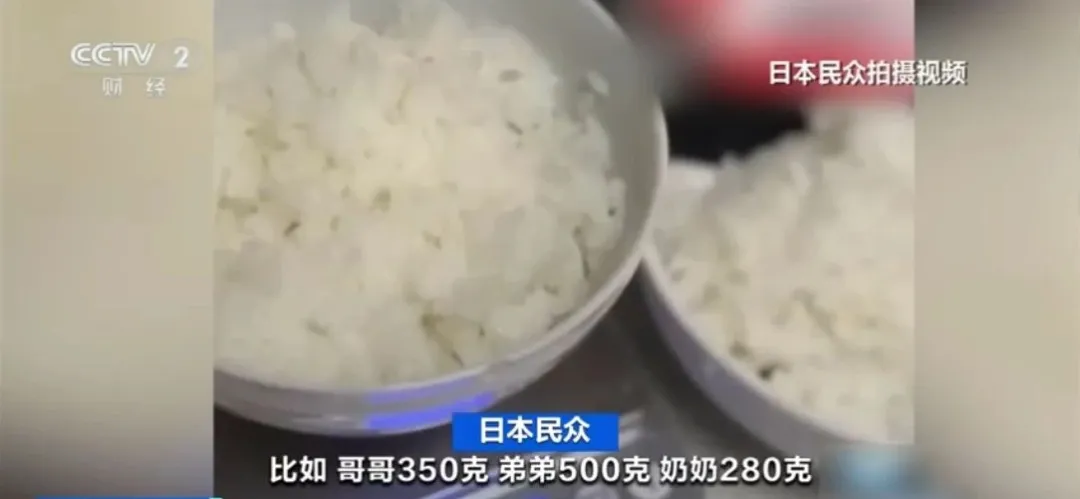
【环球财经】日本政府多手段尝试平抑历史最高米价
Xin Hua She· 2025-05-27 03:14
Core Viewpoint - Japan's rice prices are soaring, prompting the government to implement a new plan to release reserve rice into the market to stabilize prices, which have reached historical highs [1][3]. Group 1: Government Actions - The Japanese government plans to release a total of 300,000 tons of reserve rice, targeting large retailers with annual sales of over 10,000 tons [3]. - The selling price for the reserve rice is set at 11,556 yen (approximately 581 RMB) for every 60 kilograms, with an expected retail price of 2,160 yen (approximately 109 RMB) for every 5 kilograms [3]. - The Ministry of Agriculture, Forestry and Fisheries will cover the transportation costs of the reserve rice to retailers, and retailers are required to complete sales by the end of August [3]. Group 2: Market Conditions - The average price of 5-kilogram bags of rice in Japanese supermarkets reached a new high of 4,285 yen (approximately 216 RMB) during the week of May 12 to 18 [7]. - Factors contributing to the rising rice prices include extreme heat leading to poor harvests and public panic buying due to warnings of potential earthquakes affecting rice production [7]. - Despite previous auctions of reserve rice since March, the upward trend in rice prices has not been effectively curbed [7].
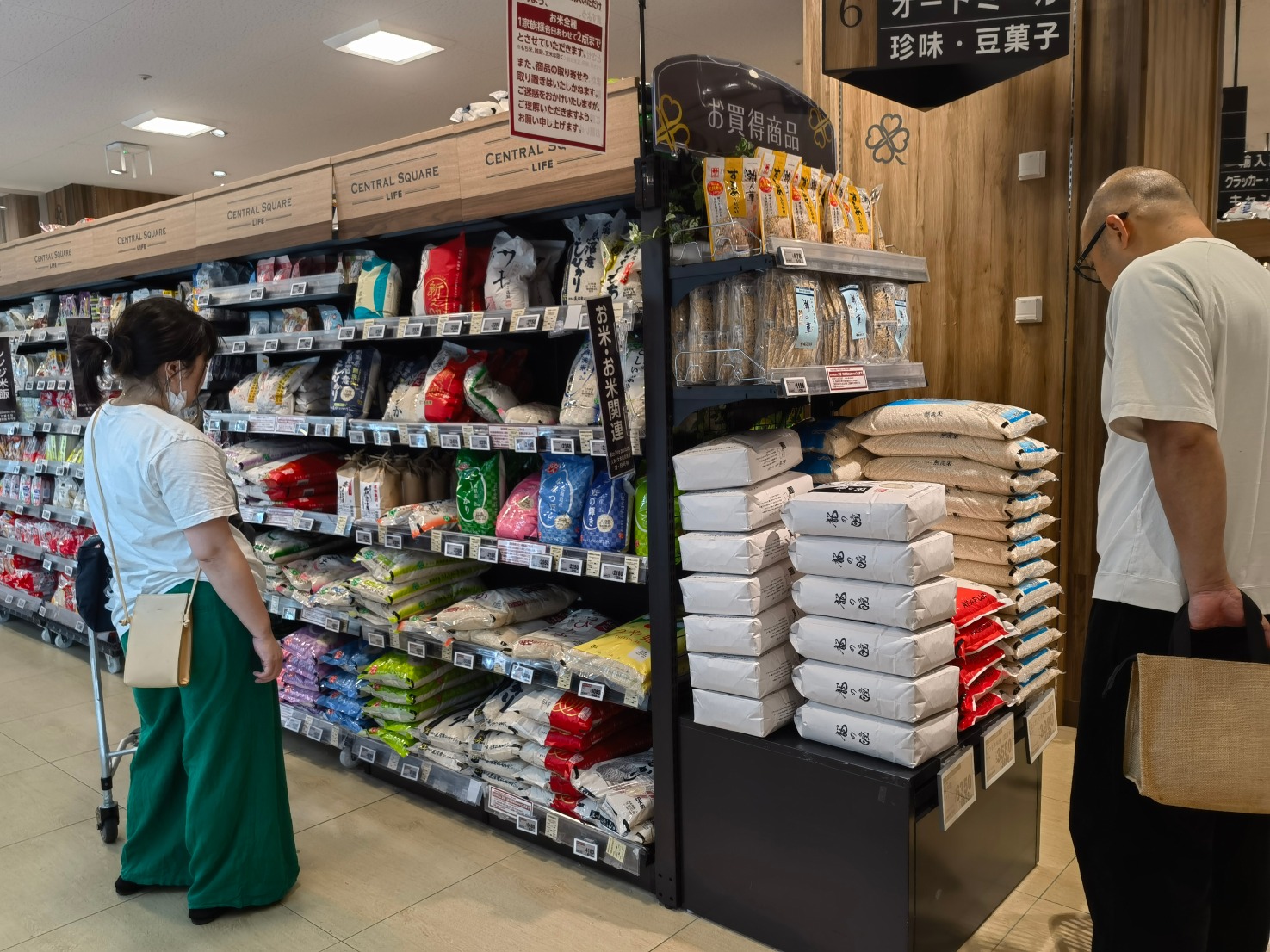
日本米价再创新高 政府改变储备米投放方案
Zhong Guo Xin Wen Wang· 2025-05-26 14:46
Core Viewpoint - The Japanese government is implementing a new rice reserve release plan to stabilize rising rice prices, which have reached record highs, with the average price for a 5-kilogram bag at 4,285 yen, more than double the price from the same period last year [1][2]. Group 1: Price Statistics - As of May 18, the average price for a 5-kilogram bag of rice is 4,285 yen, an increase of 17 yen from the previous week [1]. - This price is more than double the 2,120 yen recorded during the same period last year, marking a new high since the Ministry of Agriculture, Forestry and Fisheries began tracking this data [1]. Group 2: Government Response - The government plans to sell reserve rice directly to retailers at an average price of 10,700 yen for 60 kilograms, which is nearly half the previous auction price [1][2]. - The initial release will consist of 300,000 tons of reserve rice, with 200,000 tons from the 2022 harvest and 100,000 tons from the 2021 harvest [2]. - The government aims to lower the retail price for consumers to 2,000 yen for a 5-kilogram bag following the implementation of this plan [2]. Group 3: Political Context - The new plan comes after criticism of the previous government's slow response to rising rice prices, with three batches of reserve rice auctioned since March without effectively curbing price increases [2]. - The recent resignation of former Minister of Agriculture, Forestry and Fisheries, Takashi Eto, due to inappropriate comments about rice, has led to the appointment of Shinjiro Koizumi as the new minister [2].