
粮食价格上涨

Search documents
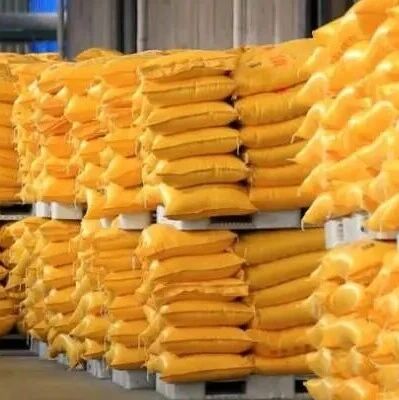
花旗:霍尔木兹海峡封锁得不只是油气,还有化肥
美股IPO· 2026-03-13 03:32
Core Viewpoint - Citigroup's latest report highlights a significantly underestimated risk chain related to the disruption of fertilizer supply due to the blockade of the Strait of Hormuz, which controls 36% of global urea and 29% of ammonia exports, pushing the fertilizer supply chain to the brink of collapse [1][4][7]. Group 1: Fertilizer Supply Chain Impact - The disruption in the Strait of Hormuz is not only an energy crisis but is also leading to a fertilizer crisis that will deeply impact global grain prices through cost transmission mechanisms [4][6]. - Middle Eastern countries play a crucial role in global fertilizer trade, accounting for approximately 36% of global urea exports and 29% of ammonia exports, with over 90% of urea production in the region being exported [7]. - Fertilizer costs constitute over 50% of the variable costs in grain production, and a tightening supply will have profound and lasting impacts on agricultural yields, particularly in Brazil and India, which are key global grain producers [9]. Group 2: Price Forecast Adjustments - Citigroup has raised its price targets for major grains: corn to 475 cents/bushel for the next three months, wheat to 600 cents/bushel, and soybeans to 1250 cents/bushel, indicating a significant bullish sentiment in the market [4][11]. - The report anticipates that if the Strait remains blocked for more than six weeks, it will decisively push corn and wheat prices higher [10]. - The USDA is expected to further reduce new crop planting areas to 94 million acres, tightening market supply [11]. Group 3: Market Sentiment and Positioning - The latest CFTC report shows a significant shift in market sentiment, with money managers turning net long on corn and soybeans, while the net short position in wheat has narrowed considerably [14]. - The increase in fertilizer prices is expected to push up CBOT futures prices, as input costs for farms are projected to rise significantly due to inflationary pressures [15].


飓风“梅利莎”重创牙买加 经济损失达去年GDP三成
Xin Hua She· 2025-11-05 08:05
Core Insights - Hurricane "Melissa" has caused economic losses equivalent to one-third of Jamaica's GDP from last year [1] - Estimated losses from housing and critical infrastructure range from $60 billion to $70 billion, representing 28% to 32% of last year's GDP [1] - Short-term economic output is expected to decline by 8% to 13% due to the hurricane's impact [1] Economic Impact - The total economic loss in the Caribbean region from Hurricane "Melissa" is estimated to be between $48 billion and $52 billion [2] - The hurricane has resulted in at least 75 fatalities, including 32 individuals from Jamaica [2] Government Response - The Jamaican government plans to rebuild infrastructure with a focus on resilience against future storms [1] - There are concerns that post-disaster reconstruction spending may increase national debt, prompting the government to initiate an emergency plan [1] Sector-Specific Effects - The agricultural sector has been severely affected by consecutive hurricanes, potentially leading to increased food prices [1] - The tourism sector, particularly in core areas of Jamaica, has also been impacted, resulting in job losses for thousands of workers [1]
7月份全球粮食价格升至两年高点
Shang Wu Bu Wang Zhan· 2025-08-13 17:55
Core Insights - In July, global food prices reached a two-year high, driven by rising international meat and vegetable oil prices [1] Industry Summary - The Food Price Index of the United Nations Food and Agriculture Organization averaged 130.1 points in July, marking a 1.6% increase from June and the highest level since February 2023 [1] - In Ireland, food prices in July increased by 4.7% compared to the same month last year, according to data from the Central Statistics Office [1]