
粮食危机

Search documents
中东石油爹们,快要受不了了
虎嗅APP· 2026-03-11 00:32
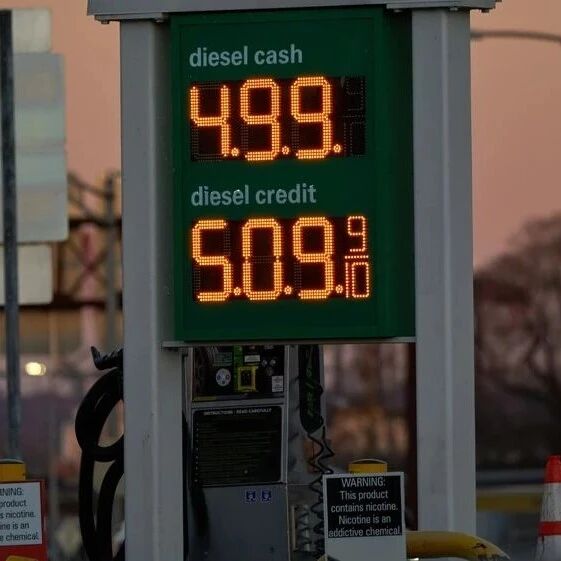
Core Viewpoint - The article discusses the significant impact of the ongoing conflict in Iran on the Strait of Hormuz, a critical passage for global oil and LNG transportation, highlighting how the blockade has led to severe disruptions in oil production and market volatility [4][5]. Group 1: Oil Production and Export Impact - The blockade has resulted in oil production in Iraq dropping from approximately 4.3 million barrels per day to about 1.3 million barrels per day, a decline of around 70% [12]. - Exports from Iraq have also plummeted from 3.34 million barrels per day in February to about 800,000 barrels per day [12]. - Other oil-producing countries in the region, such as Kuwait and Qatar, have also announced production cuts due to safety concerns and supply chain disruptions [14][23]. Group 2: Market Reactions and Price Fluctuations - On March 9, international oil prices surged, with Brent crude reaching a peak of $119.5 per barrel, marking a significant increase of over 10% in a single day [17]. - Over the preceding week, Brent crude prices rose by 28%, the largest weekly increase since April 2020, while WTI saw a staggering 35.63% rise, the highest weekly gain since its inception in 1983 [20]. - The volatility in oil prices is attributed to actual supply disruptions rather than speculative fears, leading to discussions among major economies about releasing strategic oil reserves to stabilize the market [23][26]. Group 3: Broader Economic Implications - The blockade's effects extend beyond oil, impacting the chemical industry, particularly in Asia, where the supply of naphtha, a key raw material, has been disrupted, leading to rising prices [31][33]. - The fertilizer crisis is emerging as a significant concern, with the blockade affecting the supply of urea and ammonia, critical for agricultural production, particularly in regions like India that rely heavily on imports from the Middle East [38][39].

世界粮食计划署:尼日利亚北部饥饿程度“前所未有”
Zhong Guo Xin Wen Wang· 2025-11-25 23:22
Core Insights - The World Food Programme (WFP) reports an unprecedented level of hunger in northern Nigeria due to a surge in armed attacks, predicting the most severe food crisis in Africa next year [1] - The WFP emphasizes that northern Nigeria is experiencing the worst hunger threat in a decade, with rural areas being the most affected [1] - By 2026, up to 35 million people in Nigeria may face severe hunger, the highest number recorded since the WFP began tracking data in the country [1] Group 1 - The WFP's Nigeria regional director, David Stevenson, states that the spread of armed attacks poses a serious threat to stability in northern Nigeria, with impacts extending beyond the country's borders [1] - Rural agricultural communities in Nigeria are under immense pressure from repeated attacks and economic strain, particularly in Borno State, which is one of the most concerning areas for security [1] - It is projected that at least 15,000 people in Borno State will face catastrophic hunger next year, with conditions similar to those in Gaza and parts of Sudan [1] Group 2 - Recent incidents of kidnappings in Nigeria, including the abduction of over 300 students and 12 teachers in Niger State, highlight the ongoing security threats posed by armed groups [2] - Armed groups in northern Nigeria frequently attack villages, kidnap residents for ransom, and rob properties, significantly impacting the local security environment [2]
马拉维部分地区因粮荒进入灾难状态
Xin Hua She· 2025-10-26 23:33
Core Points - Malawi's President Mutharika declared a state of disaster in 11 administrative districts due to ongoing drought and food insecurity [1] - The affected areas include 3 districts in central Malawi and 8 in the south [1] - The government has begun humanitarian aid efforts and plans to enhance agricultural irrigation [1] - A report from Malawi's Ministry of Finance indicates that approximately 4 million people will face unmet food needs from October 2025 to March 2026, representing about one-fifth of the country's total population [1] - Malawi signed an agreement with neighboring Zambia to procure approximately 200,000 tons of maize to alleviate the domestic food crisis [1]
马拉维多个地区因粮荒进入灾难状态
Yang Shi Xin Wen· 2025-10-26 15:27
Core Points - Malawi's President Mutharika declared a state of disaster in 11 administrative districts due to food insecurity caused by prolonged drought and other factors [1] - The affected regions include 3 districts in central Malawi and 8 in the south, with the government initiating humanitarian aid and enhancing agricultural irrigation [1] - A report from Malawi's Ministry of Finance, Economic Planning and Development indicates that from October 2025 to March 2026, approximately 4 million people will face unmet food needs, representing about one-fifth of the country's total population [1] - The Malawian government signed an agreement with neighboring Zambia to procure around 200,000 tons of maize to alleviate the domestic food crisis [1]
俄乌战争导致欧洲粮荒,欧洲将矛盾指向中国:为何不卖粮食?
Sou Hu Cai Jing· 2025-10-13 11:01
Core Insights - The Russia-Ukraine conflict has severely impacted global grain supply, with Ukraine being a major exporter, accounting for one-fourth of global grain exports. The conflict led to a significant drop in Ukraine's grain output, with a reduction of 27 million tons in the first year, causing global wheat prices to surge by over 20% [1][3] - The European agricultural sector has become increasingly reliant on imports, with over 70% of grain consumption coming from imports. The conflict has exacerbated food prices, leading to a food crisis in poorer countries, particularly in Africa and the Middle East, where millions are facing hunger [3][5] - India's sudden ban on wheat exports in May 2022, due to domestic crop failures, further strained the global wheat market, causing prices to jump by 10%. This ban highlighted the interconnectedness of global food supply chains and the challenges faced by Europe in securing alternative sources [5][7] - China, holding the largest global grain reserves, has faced criticism from Western media for not releasing its reserves to stabilize prices. However, China's grain import strategy has been consistent, with a 15% decrease in wheat imports in 2022 compared to previous years [7][10] - The Black Sea grain agreement, signed in 2023, allowed for the export of 27 million tons of grain, providing some relief to global prices. However, ongoing tensions and intermittent blockades continue to threaten food security, with prices remaining 15% higher than pre-war levels [13][15] Group 1 - The Russia-Ukraine conflict has led to a significant reduction in global grain supply, with Ukraine's grain output dropping by 27 million tons [1] - Global wheat prices surged by over 20% due to the conflict, impacting food security in Europe and beyond [1][3] - The European agricultural sector's reliance on imports has increased, with over 70% of grain consumption coming from imports [3] Group 2 - India's wheat export ban in May 2022 caused a 10% spike in wheat prices, highlighting the fragility of global food supply chains [5][7] - China holds the largest grain reserves globally, facing criticism for not releasing them to stabilize prices, despite a decrease in wheat imports in 2022 [7][10] - The Black Sea grain agreement provided temporary relief, but ongoing tensions have kept prices elevated, with a 15% increase compared to pre-war levels [13][15]
真相诡异,谁拿捏了韩国人的五花肉自由?
Hu Xiu· 2025-08-06 03:12
Core Insights - The term "Korean hot inflation" emerged in July 2025, indicating a significant rise in prices in South Korea, particularly affecting food items [1] - The video discusses the food crisis in South Korea, highlighting issues such as the inability of Koreans to afford pork belly and the theft of rice from Shandong, as well as the trend of raising pigs in Vietnam [1] Group 1 - The rise in food prices has led to a crisis where basic food items are becoming unaffordable for the average Korean [1] - The situation has prompted discussions about food security and agricultural practices in South Korea [1] - The video aims to provide a comprehensive understanding of the ongoing food crisis and its implications for the Korean economy [1]
联合国机构警告加沙地带面临全面饥荒风险
Xin Hua She· 2025-07-29 16:28
Core Viewpoint - The United Nations agencies warn that the Gaza Strip is facing a risk of widespread famine due to deteriorating food and nutrition indicators, exacerbated by ongoing regional conflicts and the collapse of basic services [1] Group 1: Food Security and Nutrition Crisis - The acute malnutrition rate among children under five in Gaza has surged fourfold in two months, reaching 16.5% [1] - Over 320,000 children in Gaza are at risk of acute malnutrition, with thousands suffering from severe acute malnutrition [1] - In early July, 5,000 children were hospitalized due to malnutrition, marking a new high since the onset of the conflict [1] Group 2: Humanitarian Aid and Access - The UN agencies emphasize the need for immediate and substantial food aid to address the crisis, as existing humanitarian assistance is insufficient for over 2 million residents [1] - Gaza requires over 62,000 tons of food and nutritional aid monthly, alongside the urgent need to restore commercial food imports for a diversified diet [1] - Despite some ports reopening, the humanitarian aid entering Gaza remains far below the basic needs of the population [1] Group 3: Agricultural and Economic Impact - The famine risk in Gaza is attributed not to a lack of food but to obstructed access, the collapse of local agricultural systems, and the complete loss of household livelihoods [1] - The UN calls for the establishment of safe and sustainable humanitarian corridors and the restoration of local food production [1]
联合国机构:今年前5个月苏丹西部超4万儿童因营养不良接受治疗
news flash· 2025-07-11 18:44
Core Viewpoint - The UNICEF report highlights a severe humanitarian crisis in Sudan, particularly in North Darfur, where over 40,000 children have been treated for severe acute malnutrition from January to May this year, doubling the figures from the same period last year [1] Group 1: Humanitarian Crisis - The ongoing armed conflict in Sudan has led to a significant food crisis, resulting in a sharp increase in child malnutrition rates [1] - The report indicates that millions of children are at risk of death due to malnutrition and the widespread transmission of infectious diseases such as cholera and dengue fever [1] - UNICEF calls for all parties involved in the Sudan conflict to cease hostilities and facilitate humanitarian aid efforts [1]
苏丹武装冲突加剧粮食危机 食品价格同比涨124%
news flash· 2025-05-20 19:20
Core Insights - The United Nations World Food Programme reported a significant increase in food prices in Sudan, with a composite food price index rising by 124% year-on-year and 12% month-on-month in April [1] Price Changes - Wheat prices increased by 121% year-on-year and 11% month-on-month [1] - Peanut prices rose by 89% year-on-year and 8% month-on-month [1] - Goat prices surged by 235% year-on-year and 8% month-on-month [1] Currency Depreciation - The Sudanese pound has continued to depreciate, with its exchange rate against the US dollar falling by 88% year-on-year [1]