精细化营运

Search documents
中金:维持美团-W跑赢行业评级 料Keeta于巴西推行精细化营运
Zhi Tong Cai Jing· 2026-02-25 06:24
Core Insights - Didi's 99Food and Meituan's Keeta have entered the Brazilian food delivery market, challenging the dominance of local player iFood, which has attracted market attention [1] - The competition is expected to lead to differentiated strategies and a price war, potentially increasing the penetration rate of food delivery in Brazil from 18.7% in 2024 to 28.5% by 2028 [1] - The Brazilian food delivery market size is projected to grow from $18.7 billion in 2024 to $33.3 billion by 2028 [1] Company Strategies - 99Food leverages synergies from transportation capabilities, low commissions, and rapid merchant onboarding to penetrate the market [1] - Keeta utilizes refined operational capabilities, replicating its operational experience from mainland China, Hong Kong, and the Middle East [1] Profitability Outlook - The sustainable profitability of these platforms remains to be observed, but there is optimism that Chinese internet companies can capture significant market share through refined operational experience [1]


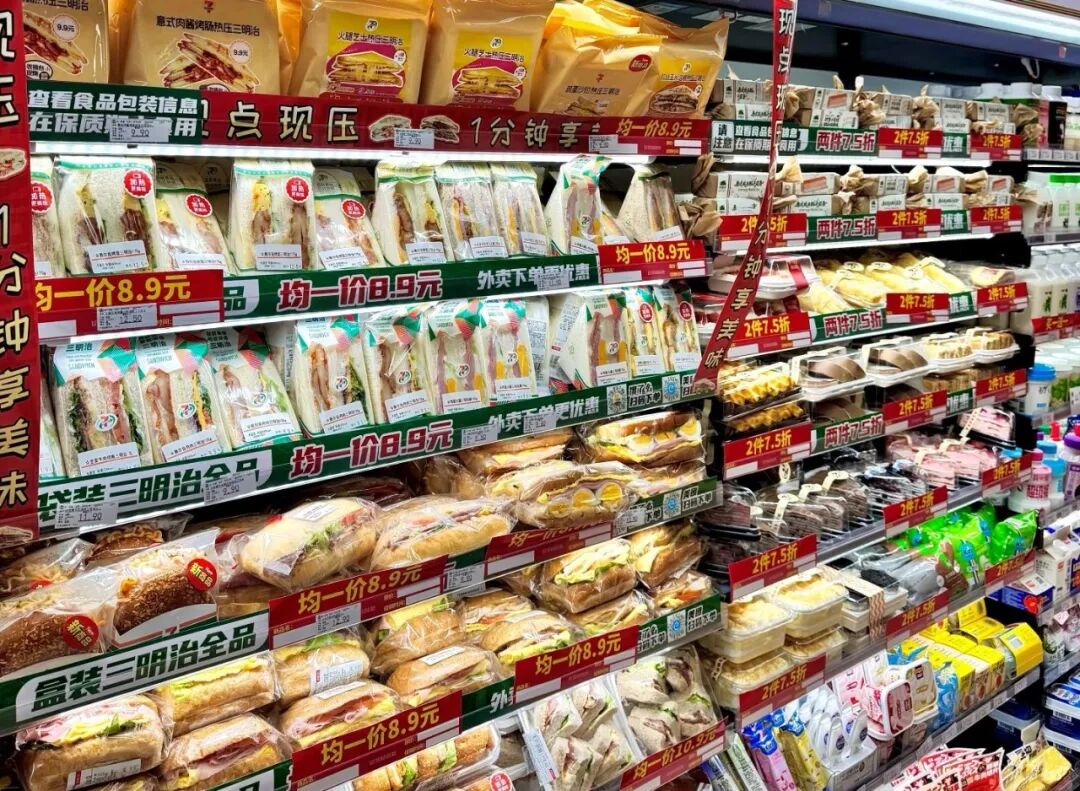
中金:维持美团-W(03690)跑赢行业评级 料Keeta于巴西推行精细化营运
智通财经网· 2026-02-25 06:21
Core Viewpoint - The report from CICC highlights the entry of Didi's 99Food and Meituan's Keeta into the Brazilian food delivery market, challenging the dominance of local player iFood and indicating a potential price war that could enhance market penetration [1] Market Overview - The Brazilian food delivery market is projected to grow from USD 18.7 billion in 2024 to USD 33.3 billion by 2028, with penetration rates expected to increase from 18.7% to 28.5% [1] Competitive Strategies - 99Food leverages synergies from transportation capabilities, low commissions, and rapid merchant onboarding to penetrate the market, while Keeta utilizes refined operational capabilities, replicating its operational experience from China, Hong Kong, and the Middle East [1] Profitability Outlook - The sustainable profitability of these platforms remains to be observed, but there is optimism that Chinese internet companies can capture a significant market share through their refined operational experiences [1]
研报掘金丨中金:维持美团“跑赢行业”评级,预期Keeta于巴西推行精细化营运
Ge Long Hui A P P· 2026-02-25 04:14
Core Viewpoint - The entry of Didi's 99Food and Meituan's Keeta into the Brazilian food delivery market is disrupting the dominance of local player iFood, leading to increased market competition and a projected rise in market penetration rates [1] Market Overview - The Brazilian food delivery market is expected to grow from $18.7 billion in 2024 to $33.3 billion by 2028, with penetration rates increasing from 18.7% to 28.5% [1] Competitive Strategies - 99Food leverages transportation synergy, low commissions, and rapid merchant onboarding to penetrate the market, while Keeta utilizes refined operational capabilities, replicating its operational experience from China, Hong Kong, and the Middle East [1] Profitability Outlook - The sustainable profitability of these platforms remains to be observed, but there is optimism that Chinese internet companies can capture significant market share through refined operational experience [1] Analyst Rating - The company maintains a "beat the industry" rating for Meituan, with a target price set at HKD 125 [1]
便利店的黄金年代,真的结束了?
3 6 Ke· 2026-01-19 02:54
Core Viewpoint - The convenience store industry is not in decline but has entered a "strategic competition phase" where expansion benefits are diminishing, and management complexity is increasing. The focus should shift from merely opening new stores to optimizing the value of each location through efficient channel configuration, supply chain collaboration, and data integration [1][2]. Group 1: Store Density - The increase in store density is not a sign of saturation but rather a strategic upgrade in channel management. This density enhances consumer accessibility, improves supply chain efficiency, and strengthens bargaining power with suppliers [3][4]. - High store density leads to lower average delivery costs, faster product testing, and more effective promotional resource allocation, which are benefits that are often overlooked from a single-store perspective [4]. - Mature companies adjust their density strategies by focusing on channel efficiency rather than merely increasing the number of stores, ensuring that expansion is structured and purposeful [4]. Group 2: Promotion Normalization - Promotions have become a regular feature in convenience stores, serving as a "traffic engine" rather than merely a price-cutting strategy. This shift is necessary to maintain customer flow and build shopping habits [5][6]. - Promotions are designed to stabilize customer traffic, increase purchase frequency, and enhance cross-selling opportunities, with a focus on the efficiency of converting traffic into sales rather than just offering discounts [5][6]. - The effectiveness of promotions is measured by their ability to improve customer flow, increase average transaction value, and enhance product exposure while maintaining acceptable profit margins [6]. Group 3: Customer Traffic Redistribution - The perceived decline in customer traffic is better understood as a redistribution of consumer demand across various channels, with convenience stores facing competition from delivery services, community supermarkets, and specialized stores [8][9]. - This redistribution challenges convenience stores to adapt by refining their product offerings and store management to cater to more specific consumer needs, thus shifting the focus from broad coverage to deepening the value of each store [9][10]. - The new competitive landscape requires convenience stores to understand their customer demographics, shopping scenarios, and demand patterns to effectively manage inventory and enhance customer retention [9][10]. Conclusion - The so-called "golden age" of convenience stores, characterized by low barriers to entry and minimal competition, has ended. However, the demand for convenience remains strong, and the industry is transitioning to a model focused on efficiency and strategic management [10][11]. - Success in the new era will depend on the agility of supply chains, data capabilities, promotional precision, and a deep understanding of consumer needs, rather than merely relying on location or market recovery [11][12].