系统优化

Search documents
iOS 27新功能汇总,Siri变身聊天机器人,液态玻璃设计同步升级
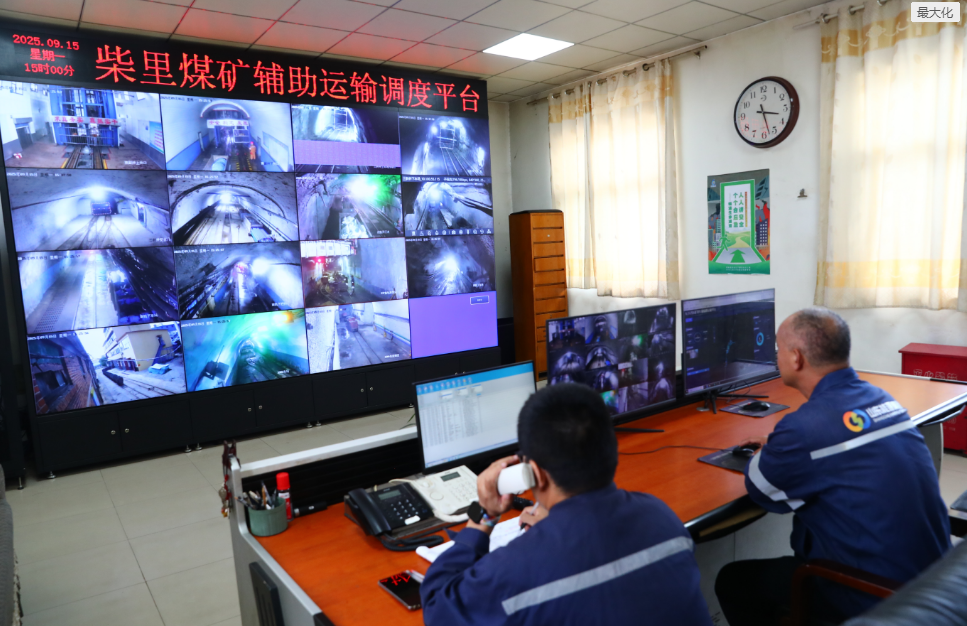
Huan Qiu Wang Zi Xun· 2026-02-13 03:52
Core Insights - The upcoming iOS 27 is expected to be released in beta during the June 2026 Worldwide Developers Conference (WWDC) and the official version will be available in September for compatible iPhone users, with the iPhone 18 Pro series pre-installed with this system [1][4] Group 1: Siri Upgrade - A significant highlight of iOS 27 will be the complete upgrade of Siri into a chatbot capable of two-way conversations, positioning it closer to OpenAI's ChatGPT and Google's Gemini [4] - Some personalized Siri features, previously delayed, are anticipated to be included in iOS 27, with the iOS 26.4 beta potentially unlocking simpler new Siri functionalities as a precursor [4] Group 2: Smart Features and AI Integration - Apple is expected to introduce new smart features in collaboration with Google, leveraging Gemini for enhancements, particularly in the calendar application [4] - The Apple Health+ subscription service, which will offer AI-driven personalized health and fitness suggestions, is undergoing redevelopment, and only partial functionalities are expected to debut in iOS 27 [4] Group 3: System Optimization - iOS 27 will focus on system quality and underlying performance improvements, emulating the Mac OS X Snow Leopard approach, with an emphasis on bug fixes and stability enhancements [4] - The design will feature a new liquid glass aesthetic as the default visual style for native applications, with developers having the option to disable it if desired [4]



充分释放长三角的辐射带动力
Xin Hua Ri Bao· 2025-12-18 07:40
Core Viewpoint - The integration and development of the Yangtze River Delta (YRD) face deep-seated issues that need to be addressed to enhance development quality, efficiency, and radiative impact [1] Group 1: Radiative Power - The radiative power of the YRD is characterized by a dual-cycle mechanism driven by regional potential differences, moving from "unidirectional diffusion" to "bidirectional co-construction" [2] - The spatial structure consists of four layers: core area, surrounding hinterland, other domestic regions, and international associated cities, with Shanghai as the core and Nanjing, Hangzhou, and Hefei as secondary hubs [2] - The radiative power encompasses both tangible (innovation, industry, infrastructure, talent, investment) and intangible (institutional, cultural, data, ecological) dimensions, forming a complete system [2] Group 2: Development Trends - The core area consists of 27 closely collaborating cities, creating a strong synergy [3] - Effective industrial transfer is being implemented to drive surrounding hinterlands like northern Anhui and northern Jiangsu [3] - By 2024, the YRD's trade with "Belt and Road" countries is expected to account for 34.9% of the national total, becoming a key growth pole for trade cooperation [3] Group 3: Tangible Dimension - Over the past decade, more than 800,000 patent transfers have occurred among the YRD provinces and cities, significantly enhancing technological innovation [4] - Infrastructure connectivity is accelerating, with Shanghai and Ningbo-Zhoushan ports forming a global logistics hub [4] - Talent mobility and technology sharing are fostering a virtuous cycle, improving talent capabilities and employment structures in surrounding areas [4] Group 4: Soft Dimension - Shanghai's Free Trade Zone has set 138 breakthrough experiences that have been widely adopted nationwide [4] - Market-oriented reforms in data elements are leading the way, with multiple cross-regional data standards forming the "YRD Norm" [4] - Ecological governance is deepening, with unified environmental standards established in the YRD ecological green integration development demonstration zone [4] Group 5: Real Constraints - The construction of a unified market faces obstacles due to regional differences in market access standards, increasing logistics costs [5] - The radiation methods among cities in the inner circle are rigid, with limited cooperation and fragmented platforms [5] - The radiation effects on outer circle regions need further deepening and expansion, with administrative policies significantly influencing enterprise layout and factor flow [5] Group 6: Enhancement Pathways - To enhance the YRD's radiative power, a collaborative system of "proactive government + effective market + system optimization" is needed [7] - Promoting differentiated development across the four layers and establishing a common data flow community are essential steps [7] - Strengthening the linkage between core cities and optimizing the port resources to create a world-class port cluster is crucial for enhancing resilience [7]
赋能可持续 | 内蒙古清洁能源产业协会会长张楠:融合国际经验与本土创新 共筑清洁能源转型新生态
Sou Hu Cai Jing· 2025-11-24 07:16
Core Insights - The fourth forum on sustainable development for listed companies highlighted the importance of building a competitive clean energy development path through consensus and system thinking [1][4] Group 1: Leadership and Ecosystem Coordination - The key leadership quality for activating and coordinating a large ecosystem is the ability to build consensus and create shared value among diverse stakeholders [3] - The role of a leader includes being a "translator" and "connector" to facilitate effective communication and collaboration among government, industry, academia, and financial institutions [3][4] Group 2: International Experience and Local Adaptation - Successful integration of international advanced concepts and technologies into local practices is crucial, emphasizing that while technology can be imported, business models must be localized [5] - The "system optimization" concept has proven effective in Inner Mongolia, focusing on maximizing the efficiency of the entire energy system rather than individual equipment [5][6] Group 3: China's Competitive Advantages in Clean Energy - China possesses a complete and cost-competitive photovoltaic manufacturing supply chain, along with advanced ultra-high voltage transmission technology, which addresses the global challenge of clean energy transmission [6] - The exploration of large-scale "photovoltaic+" applications demonstrates China's unique advantages in combining energy projects with ecological restoration and industrial collaboration [6][7]

巧打“车轮”上的金算盘
Qi Lu Wan Bao· 2025-09-29 02:01
Core Insights - The company has implemented a comprehensive optimization plan for its underground auxiliary transportation system, focusing on cost control, equipment upgrades, and system optimization to enhance production efficiency [2]. Group 1: Transportation Efficiency - The mine has established a precise scheduling system to ensure that transportation vehicles operate at full capacity, avoiding energy waste from empty or partially loaded trips [3]. - The introduction of automated control for cable cars and personnel transport systems has significantly reduced the physical strain on workers by minimizing unnecessary trips [3]. Group 2: Cost Reduction - The mine has replaced traditional hoisting systems with a single-rail continuous transportation system, which has streamlined operations and reduced the need for manual labor, saving approximately 40 personnel in the auxiliary transport sector [4]. - The integration of multiple operational controls into a centralized system has further decreased the number of required operators by six per day [4]. Group 3: Material Handling - The modification of transportation routes has transitioned from a multi-step process to a continuous transportation method, significantly improving efficiency and safety in material handling [5]. - The time required for material delivery has been reduced from a maximum of 3-4 days to under 2 days, showcasing a marked improvement in delivery efficiency [6]. Group 4: Systematic Improvements - The establishment of standardized transportation protocols has clarified responsibilities and ensured timely delivery of materials, contributing to a more organized auxiliary transportation system [6].