绿色制药

Search documents
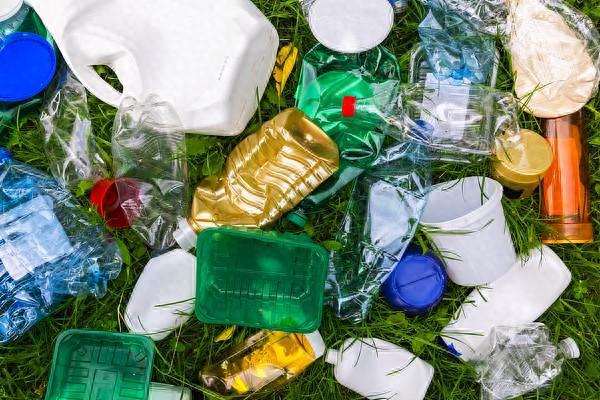
塑料瓶变止痛药着实“脑洞大开”
Qi Lu Wan Bao· 2025-12-19 17:10
Core Viewpoint - The article discusses the innovative process of recycling chlorinated plastics into high-value products, specifically transforming waste plastic bottles into acetaminophen (pain reliever) through a biological method, highlighting the potential for sustainable resource recovery and green pharmaceuticals [2][3][5][7]. Group 1: Plastic Waste and Environmental Impact - Global plastic production reaches 414 million tons annually, with 42% used for packaging, leading to significant environmental pollution as these products have a short lifespan of about 12 minutes but can persist in the environment for 450 years [2][3]. - Most plastic waste ends up in landfills or incineration, causing soil and air pollution, and even when recycled, it often becomes low-value products that eventually contribute to further waste [3][7]. Group 2: The "Losen Rearrangement" Process - The "Losen Rearrangement" is a chemical reaction discovered in 1872, which has now been adapted to convert waste plastics into valuable pharmaceuticals, achieving a conversion rate of 92% [4][5]. - The process involves breaking down PET plastic bottles into key components, which are then transformed into acetaminophen using genetically modified E. coli bacteria, demonstrating a novel approach to recycling [5][6]. Group 3: Industrial Application and Challenges - The research is not just theoretical; pharmaceutical companies like AstraZeneca are collaborating to scale this technology for industrial use, aiming to convert plastic waste into high-value drugs and fibers [7]. - Key challenges include increasing the efficiency of bacterial consumption of raw materials, enhancing bacterial resilience to high concentrations of inputs, and ensuring the economic viability of the process compared to traditional methods [7]. Group 4: Broader Applications of Plastic Recycling - Beyond pharmaceuticals, other technologies are emerging to convert mixed waste plastics into fuel with over 95% efficiency, significantly reducing energy consumption and environmental impact [8][9]. - Recycled plastics are also being utilized in construction materials, offering durability and longevity compared to traditional materials, thus addressing both waste management and resource sustainability [9].

新方法颠覆140年制药工艺
Ke Ji Ri Bao· 2025-11-20 01:21
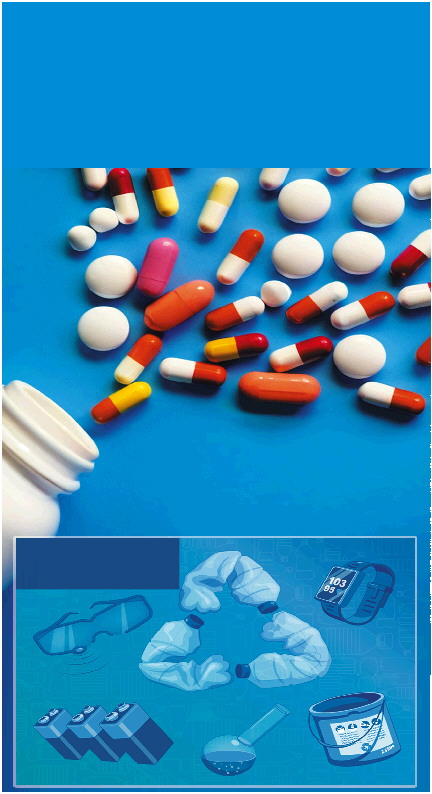
Core Insights - The research team led by Zhang Xiaoheng from the University of Chinese Academy of Sciences has developed a new method for modifying aromatic amines, which could significantly impact the pharmaceutical industry by reducing costs and improving safety in drug synthesis [1][2][3] Group 1: Research Breakthrough - The team introduced a "direct deamination" strategy that replaces stable carbon-nitrogen bonds in aromatic amines with various functional chemical bonds, avoiding the use of hazardous diazonium intermediates [1][3] - This new method is expected to address the cost challenges associated with anticancer drugs and has received high praise from industry experts, including Pfizer's senior R&D director [1][2] Group 2: Traditional Method Limitations - The traditional method for removing amino groups from aromatic amines involves converting them into unstable diazonium salts, which pose explosion risks and generate significant waste [2][4] - The existing process is not aligned with current green chemistry goals, as it consumes large amounts of copper and incurs high pollution treatment costs [2][4] Group 3: Innovative Approach - The research involved extensive experimentation, leading to the discovery that N-nitrosoamines, initially considered a minor byproduct, play a crucial role in facilitating the synthesis of target products [4][5] - The new method allows for the direct cleavage of carbon-nitrogen bonds under mild conditions, using inexpensive reagents, and eliminates the need for hazardous intermediates [5][6] Group 4: Industrial Application Potential - The new strategy has been tested on various nitrogen-containing intermediates commonly used in pharmaceuticals, demonstrating its applicability across a wide range of drug precursors [6] - Collaborations with pharmaceutical companies are underway to implement this technology in the synthesis of drug intermediates, potentially reducing production costs by 40%-50% [6]
73家企业抱团出海参展,海外买家提前“锁单” 四川生物医药企业赴欧抢抓订单
Si Chuan Ri Bao· 2025-10-27 00:21
Core Insights - The participation of Sichuan's biopharmaceutical companies in the 2025 World Pharmaceutical Raw Materials Europe Exhibition marks a significant step towards integrating into the global industrial chain [1][3] - Sichuan's exhibition area exceeds 900 square meters, ranking among the top in China's exhibition groups [2] - The delegation consists of 73 local pharmaceutical and related enterprises, with over 150 participants showcasing key products such as specialty raw materials, high-end medical devices, and innovative biopharmaceuticals [1][2] Industry Overview - The World Pharmaceutical Raw Materials Europe Exhibition is the largest and most influential event in the pharmaceutical industry, attracting over 2,500 exhibitors from more than 140 countries and regions [1][2] - The exhibition focuses on green pharmaceuticals and biomanufacturing, aligning well with the development direction of Sichuan's biopharmaceutical industry [2][3] Company Highlights - Notable companies participating include Sichuan Kelun Pharmaceutical, Chengdu Kanghua Biological Products, and Chengdu Beite Pharmaceutical, covering the entire biopharmaceutical industry chain in Sichuan [3] - Sichuan Xinmeijia Biopharmaceutical Co., Ltd. is the largest fish oil producer in China, with significant orders expected during the exhibition, including a projected 30 million yuan in contracts [4] - Chengdu Okang Pharmaceutical Co., Ltd., listed on the Beijing Stock Exchange, is expanding from health food and food additives into the raw materials market [4] Strategic Goals - The event is part of the "Chuanxing Tianxia" international market expansion initiative, aiming to showcase Sichuan's innovative strength and development vitality in the biopharmaceutical sector [1][3] - The strategy emphasizes building networks and strengthening supply chains to enhance international order acquisition and promote high-quality industry development [4]
物产中大健康:以新质生产力引领医药健康高质量发展新实践
Sou Hu Cai Jing· 2025-08-21 06:36
Core Viewpoint - The article highlights the strategic transformation of Wuchan Zhongda Health, focusing on innovation-driven and green transformation in the pharmaceutical and healthcare sector, aiming to integrate medical services with pharmaceutical manufacturing and investment funds [1][5]. Group 1: Company Transformation - Wuchan Zhongda Health is shifting from a primary focus on medical services to a dual approach that includes pharmaceutical manufacturing and investment funds, emphasizing innovation and green transformation [1]. - Hongyuan Pharmaceutical, a subsidiary, has evolved from a traditional chemical factory to a modern green pharmaceutical enterprise, adopting enzyme-catalyzed processes and eliminating traditional chemical synthesis methods [3][4]. Group 2: Environmental Commitment - The company prioritizes ecological responsibility, integrating pollution reduction and safety into its research and development processes, particularly in the production of atorvastatin intermediates [4]. - Hongyuan Pharmaceutical has achieved significant reductions in resource consumption, with steam usage down by 30%, electricity by 17%, and solvents by 40% [4]. Group 3: Investment and Innovation - Wuchan Zhongda Health is integrating innovation platforms with investment funds to break down barriers between research and application, focusing on the pharmaceutical health industry [5][7]. - The company is developing China's first comprehensive solution for Boron Neutron Capture Therapy (BNCT), which has shown promising results in cancer treatment, with a complete response rate of 46% in Japanese patients [5][6]. Group 4: Future Prospects - The pharmaceutical industry fund is seen as a microcosm of Wuchan Zhongda Health's development of new productive forces, accelerating the layout of innovative drugs and medical devices [7]. - The company aims to enhance its independent research capabilities and integrate technological and industrial innovation to contribute to the economic and social development of Zhejiang Province [7].

塑料瓶竟“变身”为镇痛良药
Huan Qiu Wang Zi Xun· 2025-06-24 02:04
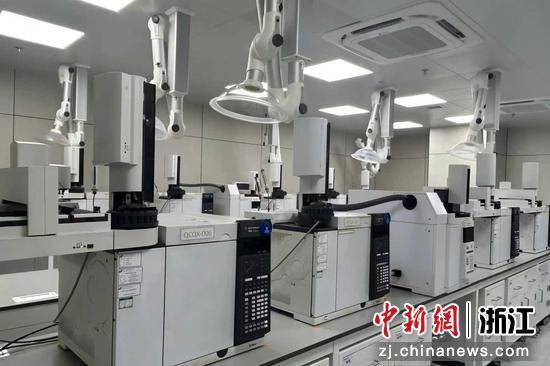
Group 1 - The core idea of the article is the innovative transformation of plastic waste into a valuable pain relief medication, acetaminophen, using engineered E. coli bacteria [1][3][4] - The research highlights a novel method of utilizing waste plastic, specifically PET plastic from bottles, as raw material for drug production through metabolic engineering and organic chemistry [3][4] - The process involves breaking down PET into basic molecules, which are then converted into drug precursors within the bacteria, achieving a high yield of 92% for acetaminophen [3][4] Group 2 - This research marks the first successful instance of producing pharmacologically valuable small molecules from discarded plastics within microbial systems, paving the way for advancements in resource recycling and green pharmaceuticals [4] - Future plans include exploring the potential of other types of plastics for similar transformations and identifying additional bacteria capable of such processes, as well as the possibility of producing a wider variety of drugs [4][5] - The vision is to establish "bio-factories" that utilize microorganisms to convert plastic waste into energy, pharmaceuticals, and even food, transforming discarded plastic bottles into valuable raw material "seeds" [5]