
美元结算体系

Search documents
美收到噩耗:普京已找到破局之法,西方最大王牌失效,人民币崛起
Sou Hu Cai Jing· 2026-02-11 16:30
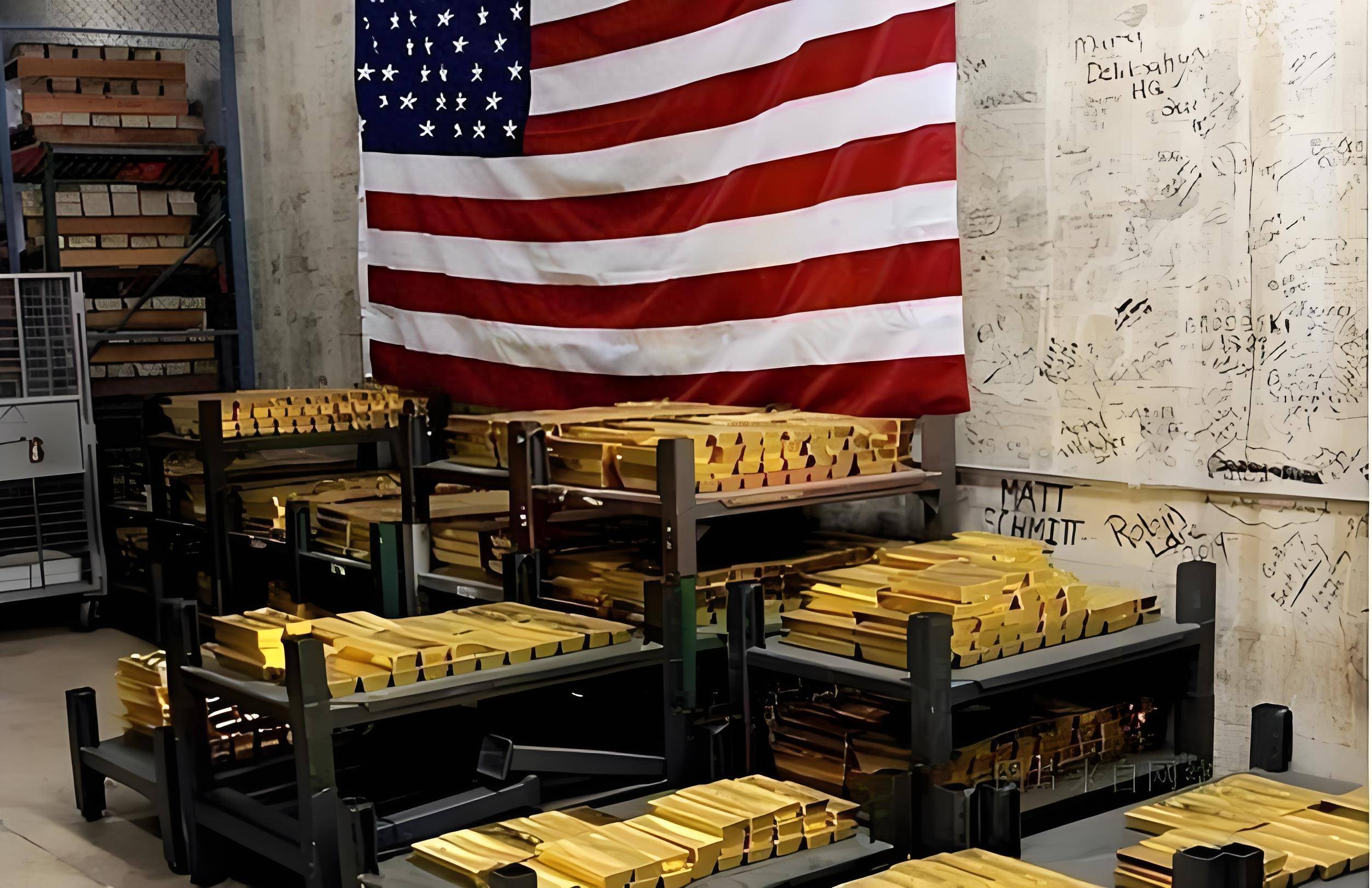
Group 1 - China's total gold imports from Russia reached an astonishing 25.3 tons, marking an 800% increase compared to the previous year [1] - This surge in gold imports is seen as a significant counteraction by Russia against the United States, undermining the Bretton Woods system that the U.S. has long relied on [1] Group 2 - The U.S. dollar became the world's currency post-World War II due to America's strong economy and large gold reserves, which were later linked to oil [4] - The U.S. has maintained control over global financial systems, but recent geopolitical tensions, such as the Russia-Ukraine conflict, have prompted Russia to seek alternatives [7] Group 3 - Russia is expected to transport gold to China by 2025, exchanging it for products, thereby circumventing Western sanctions and enhancing the international status of the Chinese yuan [10] - Other countries' central banks are also increasing their gold reserves, indicating a lack of confidence in the future of the U.S. dollar, with nations like Poland, Kazakhstan, and Turkey significantly boosting their gold holdings [12] Group 4 - The post-World War II Bretton Woods system, dominated by the U.S., is showing signs of collapse, with the yuan potentially filling the void left by a weakening dollar [14] - A future competition between the U.S. dollar and the Chinese yuan is anticipated, with predictions favoring the yuan's victory [15]

“黑天鹅”突袭 国际油价走向何方?
Shang Hai Zheng Quan Bao· 2026-01-04 14:47
Core Viewpoint - The geopolitical event involving the U.S. military strike on Venezuela is expected to create significant volatility in the international oil market, with short-term price increases due to heightened risk premiums, but potential long-term bearish impacts if the U.S. gains control over Venezuela's oil resources [1][2]. Group 1: Immediate Impact on Oil Prices - The U.S. military action against Venezuela is likely to push up oil prices in the short term due to increased risk premiums and concerns over potential supply disruptions [3][5]. - Current Venezuelan oil production is approximately 1 million barrels per day, which is less than 1% of global production, indicating that while the country has vast reserves, its output is limited [2][3]. - Analysts predict that the WTI oil price will range between $55 and $60 per barrel, while Brent crude is expected to be between $58 and $63 per barrel in January 2026 [3]. Group 2: Long-term Market Outlook - The ongoing expectation of supply surplus in the oil market remains a significant concern, with forecasts indicating a daily surplus of about 3.84 million barrels in 2026 due to increased production from OPEC+ and other competitors [4][5]. - The entry of U.S. oil companies into Venezuela is anticipated to lead to increased investment in oil exploration and infrastructure repair, which could eventually boost production and exports, creating a long-term bearish outlook for oil prices [5]. - Despite the potential for increased production, the weak state of Venezuela's oil infrastructure means that significant improvements may take time, delaying any immediate benefits to the global oil supply [5].
“黑天鹅”突袭,国际油价走向何方?
Xin Lang Cai Jing· 2026-01-04 14:25
Core Viewpoint - The recent military action by the U.S. against Venezuela has introduced significant volatility in the international oil market, with potential short-term price increases due to heightened risk premiums, but long-term implications may lead to increased supply and downward pressure on prices [1][7]. Group 1: Immediate Impact on Oil Prices - The U.S. military strike on Venezuela has raised concerns about oil supply disruptions, which may temporarily boost oil prices due to increased risk premiums [1][10]. - Venezuela, holding approximately 303 billion barrels of proven oil reserves, has a current production of less than 1 million barrels per day, which is less than 1% of global production [8][9]. - Analysts predict that the geopolitical tensions will lead to a short-term increase in oil prices, with WTI expected to range between $55 and $60 per barrel and Brent between $58 and $63 per barrel in January 2026 [10]. Group 2: Long-term Supply Concerns - The military intervention is seen as a move by the U.S. to control Venezuelan oil resources, which could lead to increased production and exports in the long run, exacerbating the existing oversupply in the global oil market [8][12]. - The International Energy Agency (IEA) forecasts a daily oversupply of approximately 3.84 million barrels in 2026 due to increased production from OPEC+ and other competitors, alongside slowing demand growth [12]. - The expectation of a prolonged oversupply situation remains a significant concern for the oil market, with many institutions interpreting the U.S. actions as a long-term bearish factor for oil prices [12].