美国二级制裁

Search documents
印度不敢要的石油,俄罗斯正寻求打折卖给中国,我们能接受吗?
Sou Hu Cai Jing· 2026-01-25 09:51
Group 1 - India has announced a suspension of Russian oil imports due to pressure from the U.S., marking a significant shift in its energy procurement strategy [1][4] - The U.S. has imposed an additional 25% tariff on Indian goods, raising the total tariff rate to 50%, which could severely impact India's export competitiveness and economic growth [3] - India's decision to halt Russian oil imports is seen as a compromise to maintain stability in its agricultural sector and government, as the U.S. seeks to pressure India into market liberalization [4][3] Group 2 - Following India's suspension of Russian oil imports, Russia is now looking to sell oil to China at discounted prices, potentially benefiting Chinese companies [6] - China, which heavily relies on oil imports, is positioned to fill the gap left by India, as it imported 1.08 million tons of oil from Russia last year, accounting for nearly 20% of its total imports [6] - The ongoing geopolitical tensions and U.S. sanctions may limit the extent to which Russia can supply cheaper oil to China, but the immediate outlook appears favorable for Chinese energy procurement [6]

贺博生8.19黄金大幅下跌原油震荡上涨最新行情走势分析及今日操作建议
Sou Hu Cai Jing· 2025-08-18 23:45
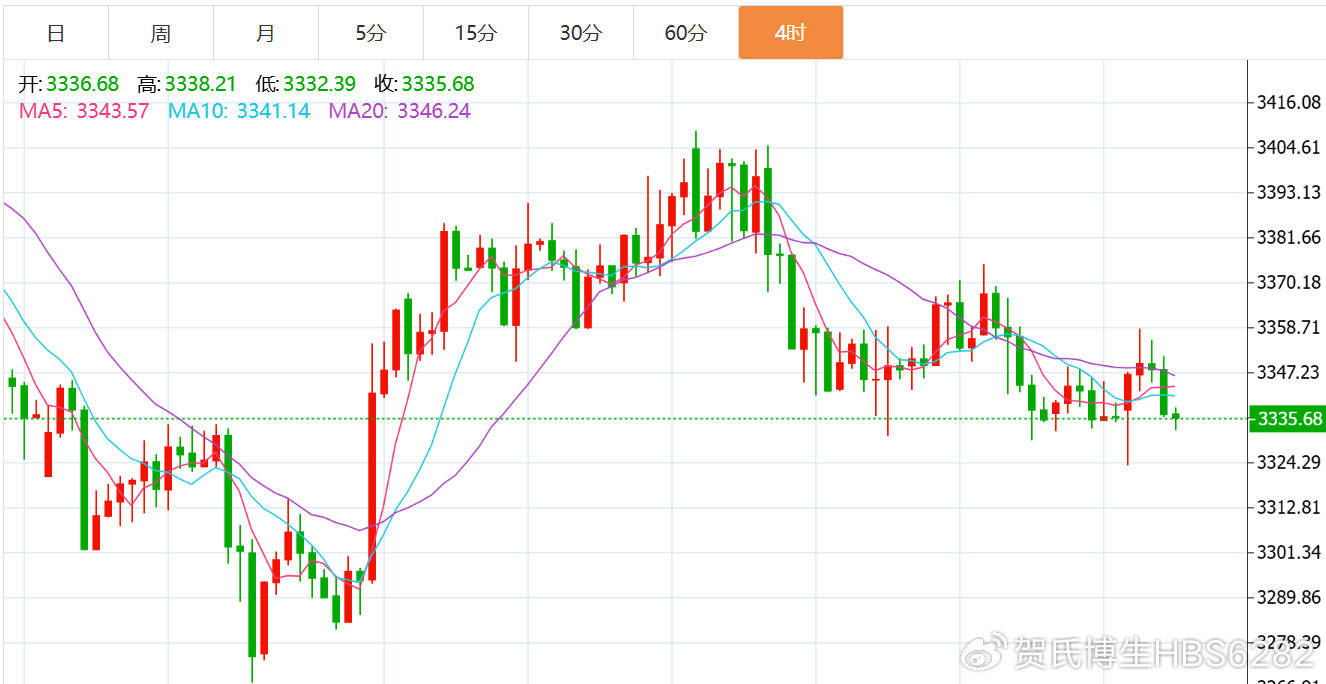
Group 1: Gold Market Analysis - The current price of gold is fluctuating between $3330 and $3350, which is a critical battleground for both bulls and bears [3] - If gold can stabilize above $3350, it may open up upward potential towards $3430, while a drop below $3330 could lead to a decline towards $3170 [3][5] - The market is awaiting key events, including a meeting involving Trump and Zelensky, which may influence gold's safe-haven demand [2] Group 2: Oil Market Analysis - International oil prices are experiencing a volatile upward trend, with Brent crude oil at $65.59 per barrel and WTI at $61.86 per barrel [6] - The uncertainty in the oil market is primarily driven by U.S. policy shifts, particularly following discussions between Trump and Putin regarding peace negotiations [6] - Technical indicators suggest a bearish trend for oil, with expectations of a potential decline to around $61.30 [7]
供给端担忧情绪缓和,油价延续震荡下行,谨防向下加速
Sou Hu Cai Jing· 2025-08-18 02:23
Core Viewpoint - International oil prices are experiencing a moderate decline, influenced by geopolitical uncertainties and U.S. policy shifts regarding sanctions on oil imports from Russia [1][3]. Group 1: Oil Price Movements - Brent crude futures fell by 0.39% to $65.59 per barrel, while West Texas Intermediate crude decreased by 0.19% to $61.86 per barrel [1]. - The primary uncertainty in the oil market stems from potential changes in U.S. policy, particularly regarding sanctions on countries purchasing Russian oil [3]. Group 2: U.S. Policy and Market Reactions - President Trump’s recent meeting with President Putin indicated a more unified stance on promoting peace negotiations, alleviating some market fears about immediate sanctions on Asian countries [3]. - Trump stated that there would be no immediate punitive tariffs on Asian nations, but a reassessment could occur in the next two to three weeks, which could lead to increased volatility in the global energy market [3]. Group 3: Federal Reserve Influence - Investors are awaiting comments from Federal Reserve Chairman Powell at the Jackson Hole meeting to gauge future monetary policy directions, with expectations that the Fed will remain cautious ahead of the September 17 FOMC meeting [3][4]. - The market anticipates that Powell may rely on upcoming employment and inflation data before deciding on interest rate cuts, which could further impact oil prices [4]. Group 4: Market Sentiment and Future Outlook - Current downward pressure on oil prices is attributed more to a temporary easing of geopolitical uncertainties rather than significant changes in supply and demand dynamics [6]. - The potential for a rapid rebound in oil prices exists if the U.S. reconsiders secondary sanctions, indicating that geopolitical developments and Federal Reserve signals will continue to be critical factors influencing the energy market [6].