育儿成本

Search documents
跌破7%,中国新生人口已经这么少了么?
首席商业评论· 2025-12-07 04:50
Group 1 - The core viewpoint of the article highlights the significant decline in China's birth rate and its implications for the country's demographic structure and global population share [4][7][9] - China's newborn population is projected to drop below 7% of the global total, a stark contrast to the nearly 25% share in the early years of the People's Republic [4][12] - The total fertility rate in China has fallen to around 1.1, significantly below the replacement level of 2.1, indicating a demographic crisis [16][18] Group 2 - Historical data shows that China's share of global newborns peaked at 27.3% in 1964 and has been in decline ever since, with projections indicating further drops in the coming years [12][23] - By 2030, China's birth rate is expected to be around 834,000, and by 2050, it may fall to 698,000, reflecting a continuous downward trend [21][23] - The article discusses the high costs of raising children in China, which contribute to the declining birth rate, with average costs for raising a child from 0-3 years being approximately 74,612 yuan per year [29][40] Group 3 - The article emphasizes that while the declining birth rate may pose challenges, it could also lead to improved living standards and reduced environmental pressures [45][49] - It suggests that a smaller population may facilitate better resource allocation and enhance public services such as education and healthcare [49][51] - The article concludes that the decline in population should not be viewed solely as negative, as it may provide opportunities for sustainable development and improved quality of life [51][53]


避孕套征税13%,免费时代落幕!年轻人会因此生孩子吗?
Sou Hu Cai Jing· 2025-12-05 06:12
Core Viewpoint - The adjustment of the tax policy on contraceptives reflects a strategic shift in China's population policy from "controlling birth" to "encouraging birth" as the country faces declining birth rates and a need for supportive measures for families [1][3][11] Policy Background - The tax change is driven by two main factors: the significant change in population dynamics, with a projected negative natural growth rate in 2024 and a total fertility rate of only 1.2, necessitating encouragement for childbirth [3] - The reform aims to standardize the tax system, as the previous exemption was aligned with the old family planning policies, while the contraceptive market has grown to hundreds of billions, making tax exemptions unnecessary [3] Tax Details - The new 13% value-added tax (VAT) on contraceptives will effectively result in a price increase of only about 5% due to input tax deductions available to businesses, translating to a maximum increase of 2 yuan for a 20 yuan box of condoms [3] - The average additional annual expenditure for families is expected to be only a few dozen yuan, which is negligible compared to the costs associated with raising children [3] Accessibility of Contraceptives - Free distribution channels for contraceptives remain intact, allowing individuals to obtain them from community health service centers and maternal and child health hospitals, ensuring that low-income groups still have access to reproductive health resources [3] Economic Context - The financial burden of raising children is significantly higher than the additional costs incurred from the new tax, with average expected child-rearing costs reaching 487,000 yuan, and over a million in major cities [5] - Young adults face substantial economic pressures, with an average debt-to-income ratio of 58.3% for those under 30, making the minor increase in contraceptive costs insufficient to alter their reproductive decisions [5] Global Comparisons - International examples, such as Japan and India, demonstrate that reducing or eliminating contraceptive taxes did not lead to increased birth rates, indicating that the cost of contraception is not a primary factor in reproductive choices [6] Recommendations for Policy Improvement - To effectively enhance birth rates, comprehensive support policies are needed, including housing support, workplace protections, and educational reforms, rather than merely adjusting contraceptive costs [8][9] - Successful models from other countries, like Singapore, show that targeted financial incentives and support for working mothers can alleviate family burdens and improve employment security for women [9] Conclusion - The 13% tax on contraceptives symbolizes a shift in national population strategy, but it is crucial to recognize that improving birth rates requires addressing deeper systemic issues rather than simply increasing contraceptive costs [11]

养娃到底要花多少钱?三年开销复盘来了
Hu Xiu· 2025-07-29 07:04
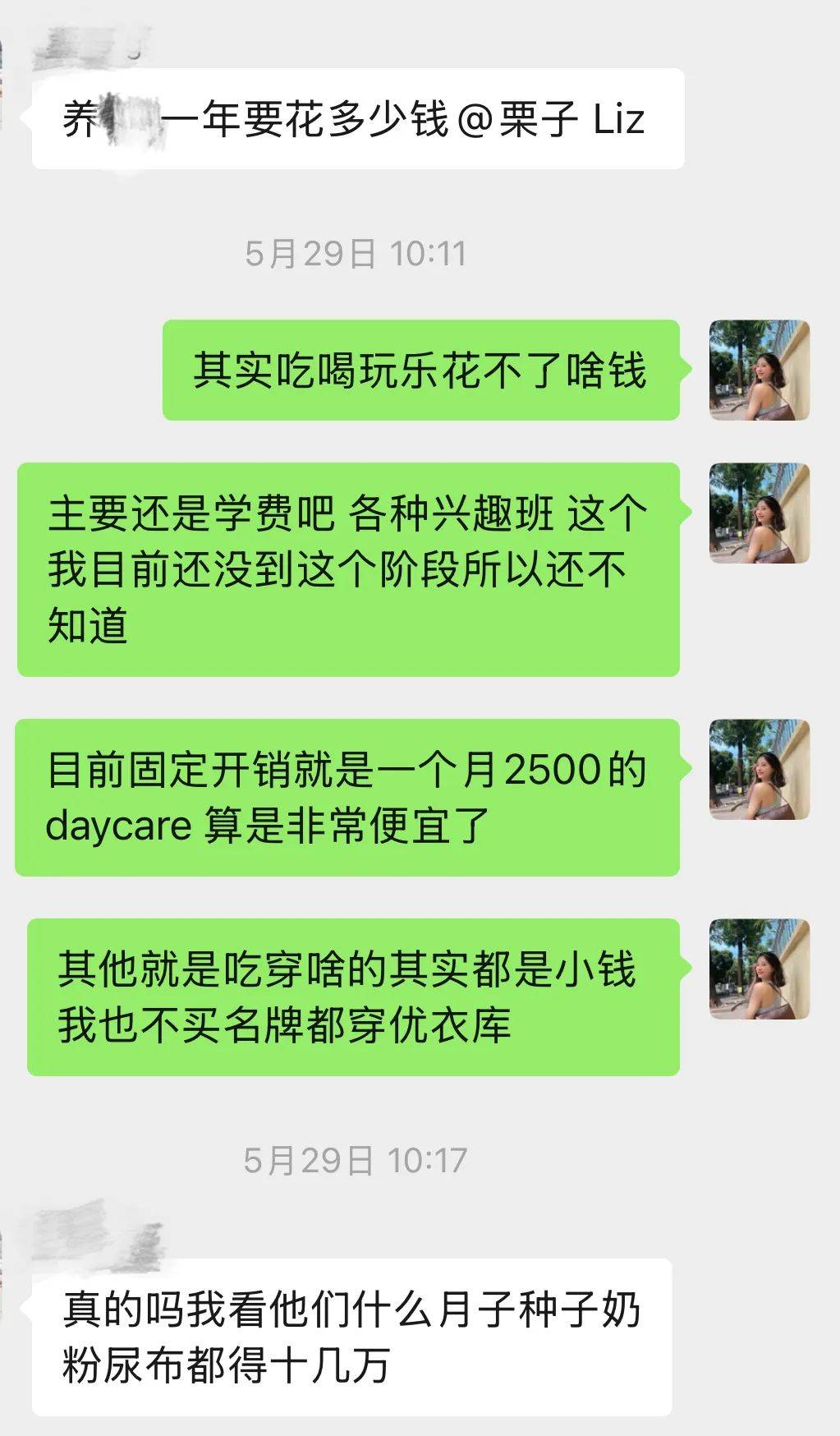
Group 1 - The core point of the article is the introduction of a new childcare subsidy policy in China, effective from January 1, 2025, providing 3,600 yuan per child per year until the age of three, aimed at encouraging childbirth [1] - The article discusses the financial implications of raising a child, highlighting the significant costs involved and how the new subsidy may alleviate some of these expenses [5][36] - The author shares personal experiences and expenses incurred over three years, estimating total costs between 150,000 to 200,000 yuan, with major expenditures including postpartum care, formula, daycare, clothing, and activities [33] Group 2 - The article details specific costs associated with childbirth and childcare in Macau, noting that prenatal and delivery services are free, while postpartum care can be a significant expense, with some centers charging around 90,000 MOP (approximately 80,000 yuan) [7][8] - The author mentions that the cost of diapers and formula can add up significantly, with estimates of over 30,000 yuan for these items alone [11][33] - The article emphasizes that childcare costs can vary widely based on personal choices, with some families opting for more expensive options while others manage within a reasonable budget [30][32]