鼓励生育

Search documents
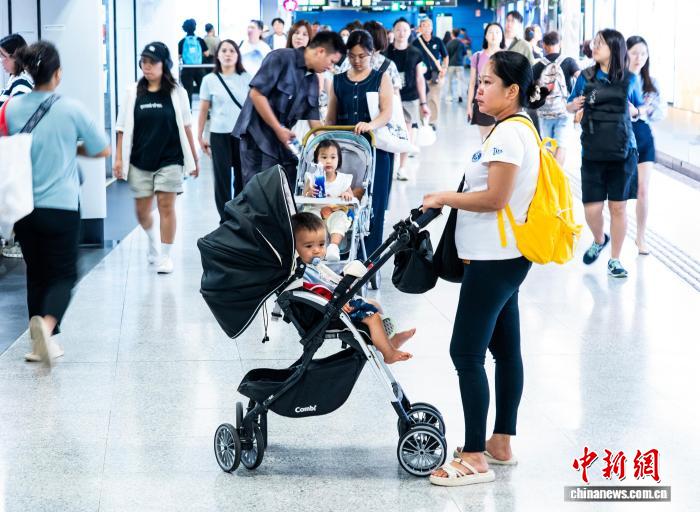
克罗地亚新生儿人数多年来首次增长
Xin Hua She· 2026-02-09 02:40
Core Viewpoint - Croatia's newborn population is projected to experience a slight increase in 2025 after years of decline, attributed to government measures encouraging childbirth, although demographers caution that this does not signify a reversal of the overall downward trend [1] Group 1 - The Croatian government has implemented various measures to encourage childbirth, which are believed to have contributed to the anticipated increase in newborn numbers [1] - The expected growth in newborns in 2025 marks the first increase after a prolonged period of decline [1] - Demographers express concerns that the slight increase does not indicate a fundamental change in the declining population trend [1]
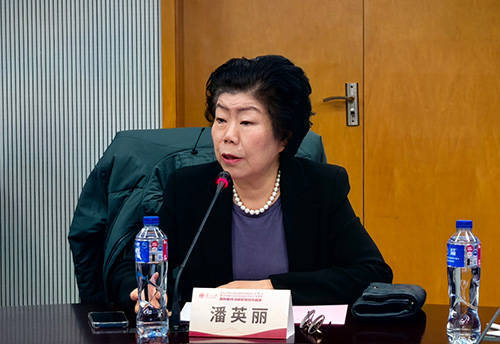
上海交大潘英丽:内需不足的原因及应对之策
Sou Hu Cai Jing· 2026-02-06 09:48
Group 1: Current Economic Challenges - The trade surplus in China is fundamentally a result of overcapacity, stemming from a long-term "capacity expansion strategy" [1][4] - The dual urban-rural structure, welfare deficits for migrant workers, and land finance prepayment for young families contribute to insufficient domestic demand [1][5] - The current economic model is heavily reliant on manufacturing, with policies favoring cost reduction for enterprises, leading to structural issues [10][12] Group 2: Policy Recommendations - To address the challenges, it is suggested to raise labor costs, eliminate export tax rebates, and impose carbon taxes as "anti-involution" measures to increase export costs and promote domestic circulation [1][10] - Implementing a "Chinese-style quantitative easing" policy is recommended, focusing on fiscal and monetary coordination to support social welfare improvements [2][22] - The government should prioritize investments in areas like fertility encouragement, educational equity, and the urbanization of migrant workers [2][23] Group 3: Currency and Capital Flow - A moderate appreciation of the RMB is advocated to optimize the import structure and correct structural distortions caused by a long-term undervaluation [1][12] - The capital account should maintain "limited and controlled openness" to prevent excessive volatility in the exchange rate [12][16] - There is a need to increase the supply of high-quality RMB-denominated assets in offshore markets to attract foreign investment [1][18] Group 4: Structural Adjustments - The current economic model needs to shift from investment-driven growth to consumption-driven growth, necessitating structural adjustments in the economy [2][24] - The real estate market's structural issues, including oversupply and demographic changes, require innovative solutions such as reverse auctions for affordable housing [22][24] - The government should unify the funding for basic public services like education and healthcare to ensure equitable access and support for the population [23][24]

官宣!人口,四连降了
商业洞察· 2026-01-19 09:46
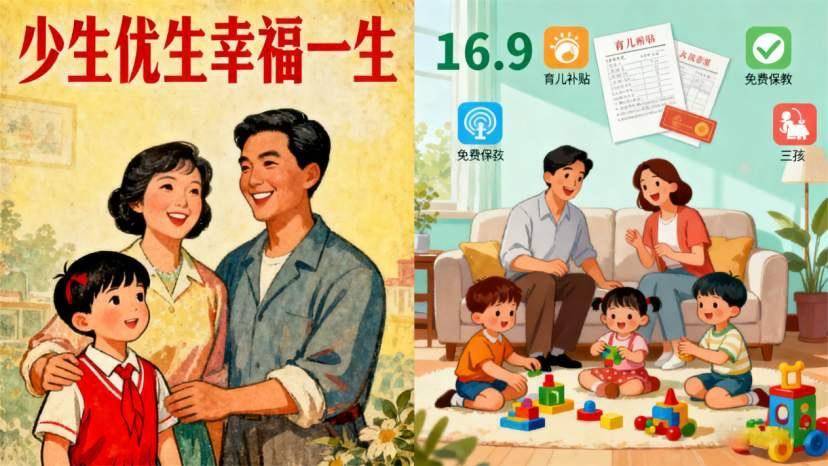
Core Viewpoint - The article discusses the ongoing decline in China's population, marking the fourth consecutive year of decrease, and its implications for the economy and various sectors, including real estate and education [3][8][60]. Economic Data - In 2023, China's GDP reached 140,187.9 billion yuan, growing by 5.0% year-on-year, with the primary, secondary, and tertiary industries growing by 3.9%, 4.5%, and 5.4% respectively [5][6]. - The population at the end of 2023 was 1,404.89 million, a decrease of 3.39 million from the previous year, indicating a significant demographic shift [7][8]. Population Trends - The birth rate fell to 5.63‰ with 7.92 million newborns, the lowest in history, while the death rate was 8.04‰, leading to a natural population decrease of -2.41‰ [13][16]. - The article predicts a continued decline in birth rates, with projections of further decreases in the coming years, despite potential government incentives to encourage childbirth [10][12][20]. Marriage and Birth Correlation - The number of marriages has been declining since 2013, with a slight rebound in 2023 due to a compensatory effect post-pandemic, but overall trends suggest a continued decline in marriage rates [27][31]. - The correlation between marriage rates and birth rates is emphasized, indicating that without a significant increase in marriages, birth rates will likely remain low [25][34]. Implications of Population Decline - The article outlines several consequences of population decline, including increased aging population pressures, educational challenges, and shifts in urban development [58][60]. - The elderly population (60 years and older) reached 297 million by the end of 2023, accounting for 21.1% of the total population, with projections indicating further increases in the coming years [63][66]. Real Estate Market Impact - The declining population is expected to negatively impact the real estate market, as demand diminishes alongside population growth, leading to a surplus of housing and potential market corrections [106][108]. - The article notes that two-thirds of cities are experiencing population declines, particularly in lower-tier cities, which may face significant economic challenges as a result [108][110]. Education Sector Effects - The number of children in kindergartens is projected to decrease significantly, with a reduction of over 5 million in 2024 compared to the previous year, impacting the education sector [89][90]. - The decline in new births is expected to lead to school closures and a surplus of teachers, particularly in early childhood education [102][104].

避孕套征税13%,免费时代落幕!年轻人会因此生孩子吗?
Sou Hu Cai Jing· 2025-12-05 06:12
Core Viewpoint - The adjustment of the tax policy on contraceptives reflects a strategic shift in China's population policy from "controlling birth" to "encouraging birth" as the country faces declining birth rates and a need for supportive measures for families [1][3][11] Policy Background - The tax change is driven by two main factors: the significant change in population dynamics, with a projected negative natural growth rate in 2024 and a total fertility rate of only 1.2, necessitating encouragement for childbirth [3] - The reform aims to standardize the tax system, as the previous exemption was aligned with the old family planning policies, while the contraceptive market has grown to hundreds of billions, making tax exemptions unnecessary [3] Tax Details - The new 13% value-added tax (VAT) on contraceptives will effectively result in a price increase of only about 5% due to input tax deductions available to businesses, translating to a maximum increase of 2 yuan for a 20 yuan box of condoms [3] - The average additional annual expenditure for families is expected to be only a few dozen yuan, which is negligible compared to the costs associated with raising children [3] Accessibility of Contraceptives - Free distribution channels for contraceptives remain intact, allowing individuals to obtain them from community health service centers and maternal and child health hospitals, ensuring that low-income groups still have access to reproductive health resources [3] Economic Context - The financial burden of raising children is significantly higher than the additional costs incurred from the new tax, with average expected child-rearing costs reaching 487,000 yuan, and over a million in major cities [5] - Young adults face substantial economic pressures, with an average debt-to-income ratio of 58.3% for those under 30, making the minor increase in contraceptive costs insufficient to alter their reproductive decisions [5] Global Comparisons - International examples, such as Japan and India, demonstrate that reducing or eliminating contraceptive taxes did not lead to increased birth rates, indicating that the cost of contraception is not a primary factor in reproductive choices [6] Recommendations for Policy Improvement - To effectively enhance birth rates, comprehensive support policies are needed, including housing support, workplace protections, and educational reforms, rather than merely adjusting contraceptive costs [8][9] - Successful models from other countries, like Singapore, show that targeted financial incentives and support for working mothers can alleviate family burdens and improve employment security for women [9] Conclusion - The 13% tax on contraceptives symbolizes a shift in national population strategy, but it is crucial to recognize that improving birth rates requires addressing deeper systemic issues rather than simply increasing contraceptive costs [11]
避孕药具明年将开征增值税,避孕药价格会调整吗?
Xin Jing Bao· 2025-12-05 03:32
Core Viewpoint - The implementation of the new Value-Added Tax (VAT) Law in China starting January 1, 2024, will result in the introduction of VAT on contraceptive drugs and devices, leading to anticipated price increases for these products in the market [1][2]. Group 1: VAT Law Changes - The current VAT exemption for contraceptive drugs and devices will be removed with the new VAT Law, which will also introduce new exemptions for services related to childcare and marriage [2]. - The price adjustment for the contraceptive drug Levonorgestrel Enteric-Coated Tablets is set to take effect on December 12, with a terminal customer purchase price of 13.9 yuan per box and a suggested retail price of 39.8 yuan per box [2]. Group 2: Industry Reactions - Some pharmaceutical companies are preparing to adjust their pricing strategies in response to the new VAT regulations, with larger companies likely to optimize supply chains and smaller companies potentially facing profit compression [5][6]. - E-commerce platforms are already seeing brands offering "tax-free bulk purchase options" to mitigate the impact of price increases, while small wholesalers may quickly pass on price pressures to local pharmacies [6]. Group 3: Consumer Impact - The expected increase in costs for most families is estimated to be around 5-10 yuan per month, which is considered a limited impact; however, low-income groups may reduce their usage due to price sensitivity, potentially leading to public health risks [6]. - Some consumers are engaging in short-term stockpiling behavior in anticipation of price increases, while others may continue to purchase as needed due to the relatively small price hike [6].
避孕药明年收税,30年免税终结,一个时代结束了
Sou Hu Cai Jing· 2025-12-03 11:44
Core Viewpoint - The cancellation of the VAT exemption on contraceptives, effective January 1, 2026, marks the end of a 30-year policy aimed at controlling population growth, reflecting a significant shift in national population policy from control to encouragement of childbirth [1][4][8]. Group 1: Historical Context - The policy of family planning emerged in the 1970s due to rapid population growth, with contraceptives included in the public health service system to ensure accessibility [3]. - In 1994, contraceptives were officially exempted from VAT, further reducing costs for the public and supporting the goal of controlling population numbers while improving population quality [3][4]. - Over the past 30 years, the exemption has been closely tied to family planning efforts, with over 500 million yuan allocated annually for the procurement and distribution of contraceptives [3]. Group 2: Policy Shift - The gradual relaxation of birth restrictions, including the introduction of the two-child and three-child policies, indicates a shift from population control to encouraging childbirth [4][5]. - The decision to cancel the VAT exemption is seen as a response to the declining birth rate, which fell to 1.07 in 2022, significantly below the replacement level of 2.1 [4][5]. Group 3: Economic Implications - The removal of the VAT exemption will require manufacturers and sellers of contraceptives to pay a 6% VAT, potentially increasing government revenue [7]. - The change in policy is expected to signal a reduction in reliance on contraceptives and promote a more supportive environment for childbirth, aligning with broader strategies such as birth subsidies and extended maternity leave [5][7]. Group 4: Societal Impact - The end of the VAT exemption reflects a fundamental change in public attitudes towards family size, moving from a focus on quantity to a more rational and diverse approach to family planning [7]. - The cancellation of the exemption symbolizes a transition in population governance, emphasizing the need for a focus on population quality, structure, and distribution in response to new demographic challenges [7][8].

普京呼吁年轻人不要推迟生育:为人父母是一种幸福
Xin Jing Bao· 2025-10-24 09:21
Core Viewpoint - Russian President Putin urges young people not to delay childbirth, emphasizing the importance of balancing family life with education and career [1] Summary by Relevant Categories Government Policy - Putin highlights the trend of young people postponing childbirth, which he notes is not unique to Russia [1] - The government aims to ensure that young individuals understand they do not have to choose between starting a family and pursuing their education or career [1] Social Implications - The President expresses that parenthood is a source of happiness, which should not be deferred to the future [1]
无需催生!中国最愿意生孩子的省,根本不用催,连续七年全国第一
Sou Hu Cai Jing· 2025-10-07 00:34
Core Insights - Guangzhou has emerged as the leading city in China for birth rates, significantly outperforming other major cities in the country [1][7][22] Demographic Data - In 2023, Guangzhou's registered birth population reached 115,800, ranking first among cities in Guangdong, with a birth rate of 11.07‰, well above the national average of 6.39‰ [7][15] - The labor force aged 15-59 in Guangzhou accounts for 74.72%, providing a strong foundation for potential births [5][11] Policy Support - Guangzhou has implemented policies addressing key concerns of citizens, including housing, healthcare, and childcare, which have positively influenced birth rates [9][22] - The city has increased the public housing fund loan limit by 40% for families with two or more children, providing tangible housing benefits [9][11] - Starting in 2024, eight assisted reproductive projects will be covered by health insurance, with some treatments fully reimbursed, alleviating financial burdens related to fertility [11][13] Childcare Services - Guangzhou has expanded childcare services, offering various options such as full-day, half-day, and emergency care, making it easier for working parents to manage childcare [17][19] - The government encourages the establishment of childcare institutions through financial support and regulatory oversight to ensure quality services [17][20] Cultural Factors - Local customs in Guangdong, particularly in the Chaoshan region, emphasize family lineage and the importance of having children, contributing to higher birth rates [24][26] - Parents in these areas are willing to invest in education, viewing additional children as a source of hope and potential support in the future [26][30] Conclusion - The combination of supportive policies, economic growth, and deep-rooted cultural values in Guangdong has made Guangzhou one of the most favorable cities for childbirth in China [28][30]
全国各地逐步推行免费学前教育
Zheng Quan Shi Bao· 2025-09-29 18:10
Core Points - The implementation of free preschool education is progressing across various regions [1] - The reduction in childcare costs is expected to increase consumer spending [3] - Ensuring the quality of free education while providing timely financial subsidies is crucial [3] - The policy benefits are intended to be enjoyed by all, with an emphasis on encouraging childbirth [3]

香港新一份施政报告获认可 市民盼特区政府继续良政善治
Zhong Guo Xin Wen Wang· 2025-09-18 23:28
Group 1 - The Hong Kong Chief Executive, John Lee, presented his fourth policy address on September 17, which includes various measures aimed at improving the livelihood of citizens and boosting the economy [3][5] - The policy address proposes to extend the additional tax allowance for newborns from one year to two years, starting from the 2026/27 tax year, allowing taxpayers to claim a double tax allowance of HKD 260,000 for each child during the first two years after birth [3] - The government plans to increase the supply of public and private housing, and optimize the sale and transfer arrangements to assist public housing residents in home ownership [4] Group 2 - The policy address includes initiatives to support the elderly, such as the establishment of three new elderly neighbor centers and the addition of approximately 700 new subsidized elderly care places [4] - The government is actively encouraging the development of artificial intelligence, which is seen as a positive opportunity for young professionals in technology-related fields [3] - The report emphasizes the importance of aligning with national development strategies, particularly in areas like the Northern Metropolis planning and the Greater Bay Area development [3]