胡萝卜加大棒策略

Search documents
突发!美国放话要对伊朗所有贸易伙伴加税,3家中国公司被制裁,14艘船被列入黑名单
Sou Hu Cai Jing· 2026-02-10 17:16
Core Viewpoint - The U.S. is escalating its "maximum pressure" policy against Iran by implementing significant tariffs and sanctions targeting countries and companies involved in trade with Iran, particularly affecting Chinese shipping companies and their operations [1][3][9]. Group 1: Tariff Implementation - On February 6, 2026, President Trump signed an executive order allowing the U.S. government to impose tariffs of up to 25% on goods exported to the U.S. from any country that is found to have purchased goods from Iran [1][4]. - The order officially took effect on February 7, 2026, and targets major trade partners of Iran, including China, India, and Turkey, although the execution of these tariffs requires a complex evaluation process [4][9]. - This executive order serves as a deterrent and a tool for negotiation, extending U.S. unilateral sanctions from financial entities to international trade flows [4][9]. Group 2: Sanctions on Shipping Companies - Concurrently, the U.S. Treasury updated its sanctions list, including three Chinese shipping management companies and 14 vessels identified as part of a "shadow fleet" involved in transporting Iranian oil [3][5]. - Being placed on the Specially Designated Nationals (SDN) list results in immediate asset freezes and prohibits U.S. individuals and entities from engaging in any transactions with these companies [5][8]. - The "shadow fleet" consists of older vessels that frequently change flags and are difficult to track, primarily used to transport oil from sanctioned countries like Iran [6][7]. Group 3: Broader Industry Implications - The sanctions and tariffs are expected to have immediate and widespread impacts on the shipping, trade, and financial ecosystems, leading to increased caution among banks and insurers regarding transactions related to these companies [8][9]. - The U.S. is systematically amplifying risks associated with Iran by extending sanctions from financial institutions to trade policies and specific shipping assets, creating a comprehensive blockade [9][11]. - Companies involved in shipping must prioritize compliance and due diligence regarding Iranian exposure, as any oversight could lead to significant commercial and legal risks [11].

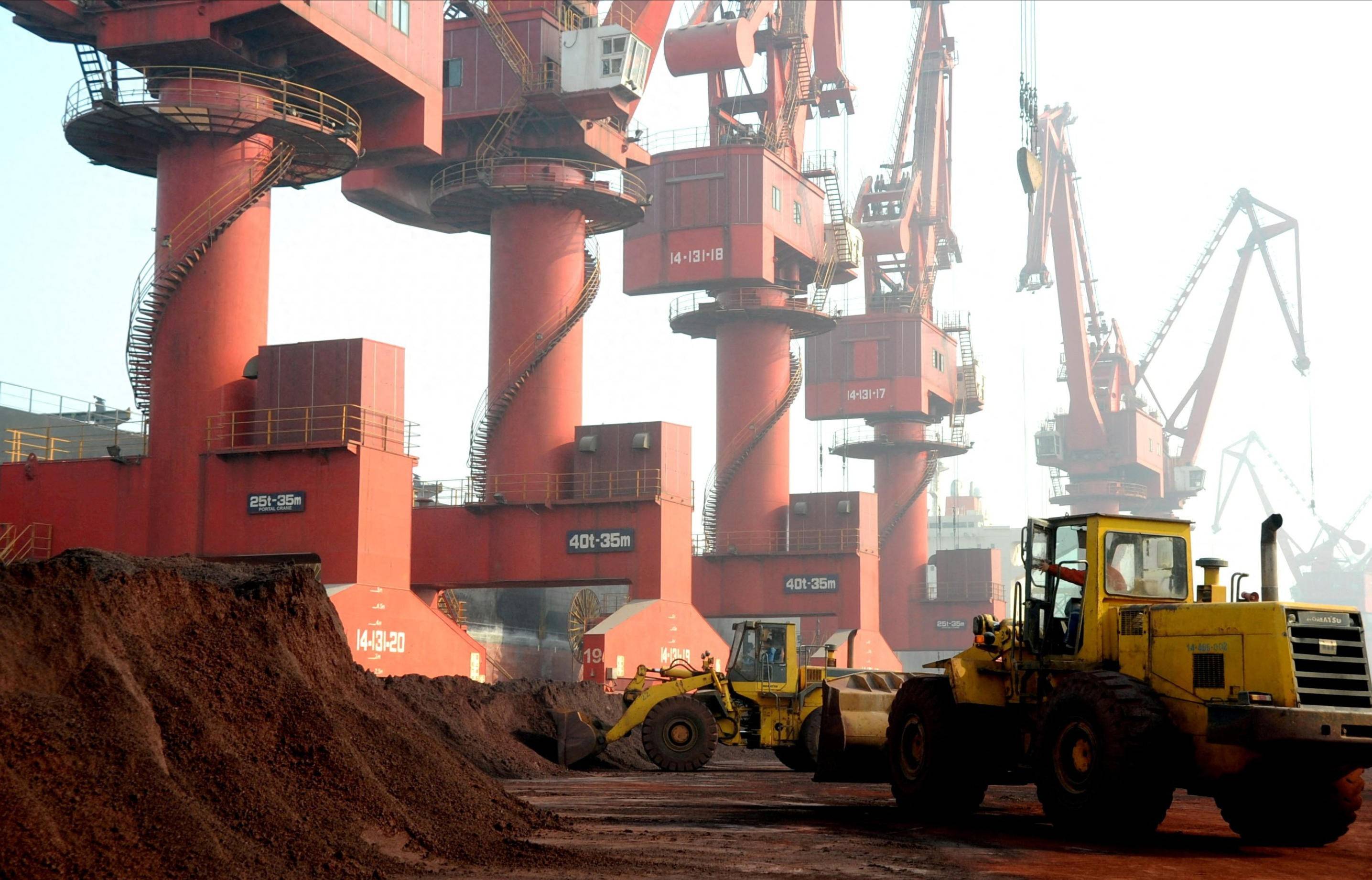
苦等八个月后,中方放开稀土出口!欧洲突然发现:中国还留了后手
Sou Hu Cai Jing· 2025-12-17 14:37
Core Viewpoint - China has begun issuing longer-term rare earth export licenses, which is a significant development for European companies reliant on these materials for clean energy, electric vehicles, and high-end defense industries [1][3]. Group 1: Rare Earth Export Licenses - Since April, China has approved approximately 70% of related export applications, with the new licenses having a validity of one year [3]. - Over 80% of global rare earth processing capacity, particularly in high-value separation and smelting, is controlled by China, making it difficult for Europe to find alternative sources in the short term [3]. Group 2: EU-China Relations - The current relationship between China and Europe is complex, with ongoing disputes over market access and geopolitical issues, yet both sides are economically interdependent [3]. - China's move to ease rare earth export restrictions is seen as a strategic effort to stabilize relations with Europe and prevent it from fully aligning with the US against China [3][9]. Group 3: EU's Countermeasures - The EU has implemented measures such as a temporary fixed fee on small packages from non-EU countries, aimed at protecting local retail industries from Chinese e-commerce [5]. - The EU's competition enforcement agency has conducted inspections of several Chinese companies, indicating a proactive stance against perceived unfair practices [5]. Group 4: China's Response - China announced anti-dumping duties on EU-origin pork and related products, effective December 17, for a period of five years, targeting a key area of EU agricultural exports [7]. - This action serves as a countermeasure to EU's regulatory moves while maintaining a balance between cooperation and resistance [7]. Group 5: Strategic Implications - The situation highlights the need for Europe to establish a coherent strategy towards China, balancing its long-term interests against short-term ideological impulses [9][11]. - The warning from former German Chancellor Merkel emphasizes the importance of pragmatic engagement with China to avoid marginalization in a multipolar world [11].

不当特朗普炮灰,欧盟尝到了甜头,拿到的稀土是美国的4倍
Sou Hu Cai Jing· 2025-09-26 08:22
Group 1 - The core point of the article highlights that the EU has benefited from not imposing secondary tariffs on China, resulting in the EU receiving more rare earth exports than the US, specifically four times more [1][4][9] - In August, China's rare earth exports reached their highest level since January, while exports to the US decreased by 11.8%, totaling only 590 tons, compared to 2,582 tons exported to the EU [4][9] - China's strategy of adjusting rare earth exports serves to exploit the economic dependency of the EU, thereby widening the gap in US-EU policies towards China [4][9][11] Group 2 - China controls 90% of global rare earth mineral exports and dominates downstream processing and magnet production, which underpins its leverage in the "rare earth card" strategy [7] - The EU's refusal to comply with the US's request for secondary tariffs against China indicates a shift towards prioritizing its own economic interests over US demands [7][11] - The changing international landscape, particularly China's rise in the Indo-Pacific region, has prompted the EU to seek greater strategic autonomy and independence from US influence [11][13]