
极限施压政策

Search documents
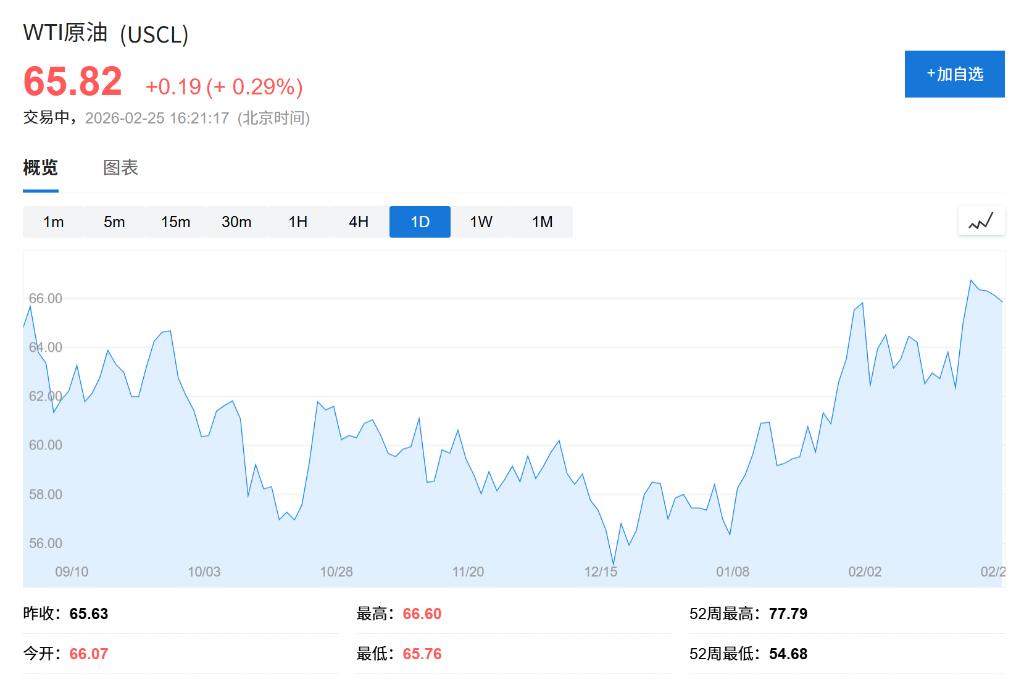
美伊核谈判预计周四重启,特朗普点名要听到“永不拥核”,油价提前异动
Hua Er Jie Jian Wen· 2026-02-25 08:37
Group 1: Core Insights - The Trump administration is leaning towards a preliminary military strike on Iran to pressure its leaders into abandoning nuclear weapon capabilities, with global oil markets closely monitoring the situation for potential risks to energy supply [1] - Negotiations between U.S. and Iranian representatives are set to resume in Geneva, with heightened market vigilance regarding the possibility of a breakdown in talks following Trump's insistence on Iran's commitment to never possessing nuclear weapons [1] - Oil prices have reacted to the escalating tensions, with WTI crude rising to $65.82 per barrel, reflecting concerns over potential disruptions to Iranian oil production and the strategic Strait of Hormuz [1] Group 2: Iran's Oil Market Position - Iran's oil production has significantly declined due to long-term sanctions and foreign capital withdrawal, currently producing approximately 3% of global oil supply, ranking fourth within OPEC [3] - Historically, Iran contributed over 10% of global oil production in the 1970s but has not returned to peak levels since the 1979 Islamic Revolution and subsequent sanctions [3] Group 3: Strait of Hormuz and Geopolitical Risks - The primary concern for markets is not just the interruption of Iranian oil supply but the potential for the Strait of Hormuz to be blocked, through which about 16.5 million barrels of oil are transported daily [4] - Iran has indicated its capability to impose a maritime blockade in times of geopolitical tension, which could significantly impact energy transportation costs, as evidenced by past conflicts [4] Group 4: Economic Implications of Oil Revenue - Oil exports remain a crucial pillar of Iran's economy, with estimated revenues of $2.7 billion in November 2022, despite selling at a discount due to sanctions [6] - The oil sector is projected to contribute approximately 2 percentage points to Iran's GDP growth in 2023, amidst overall economic expansion of about 5% [6] - The "maximum pressure" policy from the Trump administration continues to strain Iran's oil revenue, influencing its negotiation strategies and market dynamics [6]

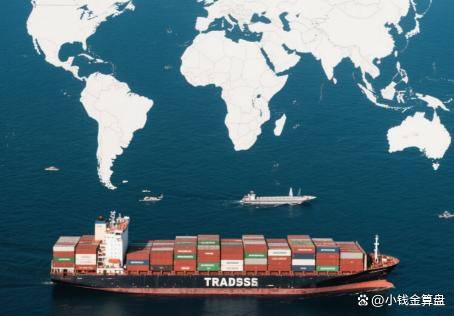
突发!美国放话要对伊朗所有贸易伙伴加税,3家中国公司被制裁,14艘船被列入黑名单
Sou Hu Cai Jing· 2026-02-10 17:16
Core Viewpoint - The U.S. is escalating its "maximum pressure" policy against Iran by implementing significant tariffs and sanctions targeting countries and companies involved in trade with Iran, particularly affecting Chinese shipping companies and their operations [1][3][9]. Group 1: Tariff Implementation - On February 6, 2026, President Trump signed an executive order allowing the U.S. government to impose tariffs of up to 25% on goods exported to the U.S. from any country that is found to have purchased goods from Iran [1][4]. - The order officially took effect on February 7, 2026, and targets major trade partners of Iran, including China, India, and Turkey, although the execution of these tariffs requires a complex evaluation process [4][9]. - This executive order serves as a deterrent and a tool for negotiation, extending U.S. unilateral sanctions from financial entities to international trade flows [4][9]. Group 2: Sanctions on Shipping Companies - Concurrently, the U.S. Treasury updated its sanctions list, including three Chinese shipping management companies and 14 vessels identified as part of a "shadow fleet" involved in transporting Iranian oil [3][5]. - Being placed on the Specially Designated Nationals (SDN) list results in immediate asset freezes and prohibits U.S. individuals and entities from engaging in any transactions with these companies [5][8]. - The "shadow fleet" consists of older vessels that frequently change flags and are difficult to track, primarily used to transport oil from sanctioned countries like Iran [6][7]. Group 3: Broader Industry Implications - The sanctions and tariffs are expected to have immediate and widespread impacts on the shipping, trade, and financial ecosystems, leading to increased caution among banks and insurers regarding transactions related to these companies [8][9]. - The U.S. is systematically amplifying risks associated with Iran by extending sanctions from financial institutions to trade policies and specific shipping assets, creating a comprehensive blockade [9][11]. - Companies involved in shipping must prioritize compliance and due diligence regarding Iranian exposure, as any oversight could lead to significant commercial and legal risks [11].
打还是谈?美国、伊朗能谈什么
Xin Hua She· 2026-01-30 11:13
Core Viewpoint - The article discusses the ongoing tensions between the United States and Iran, highlighting President Trump's intention to engage in dialogue with Iran while also preparing for potential military action if negotiations fail [1][2]. Group 1: U.S. Demands - The U.S. has set three primary conditions for negotiations with Iran: a complete halt to uranium enrichment activities, restrictions on Iran's ballistic missile program, and the cessation of support for regional proxies [3][5]. - Specifically, the U.S. demands that Iran must not produce nuclear weapons, abandon all uranium enrichment, and surrender existing enriched uranium [3]. - The U.S. also insists on limiting the range of Iran's ballistic missiles, which is a significant point of contention in the negotiations [4]. Group 2: Iran's Position - Iran's main demand is the lifting of economic sanctions that have severely impacted its economy since the U.S. withdrew from the nuclear agreement [6]. - Iran insists on continuing its nuclear activities for civilian purposes and is open to some restrictions, but it requires guarantees for the safety of its nuclear facilities and the right to peaceful nuclear energy [6][7]. - Iran views its ballistic missile program as a necessary defense against regional threats and is unwilling to compromise on this issue [7]. Group 3: Military Tensions - The U.S. has increased its military presence in the Middle East, deploying at least 10 warships, including the USS Abraham Lincoln, amid speculation of potential strikes against Iran [8]. - Despite the military buildup, U.S. allies in the region, such as Saudi Arabia and the UAE, have expressed their unwillingness to allow their territories to be used for military actions against Iran [8]. - Analysts suggest that any military action by the U.S. would likely be limited in scope rather than a full-scale war, depending on the outcomes of ongoing negotiations [9].
48小时两道撤离令!美军中东大动作背后,中国能源命脉遭遇双重封锁,全球油价暗藏危机
Sou Hu Cai Jing· 2026-01-20 06:45
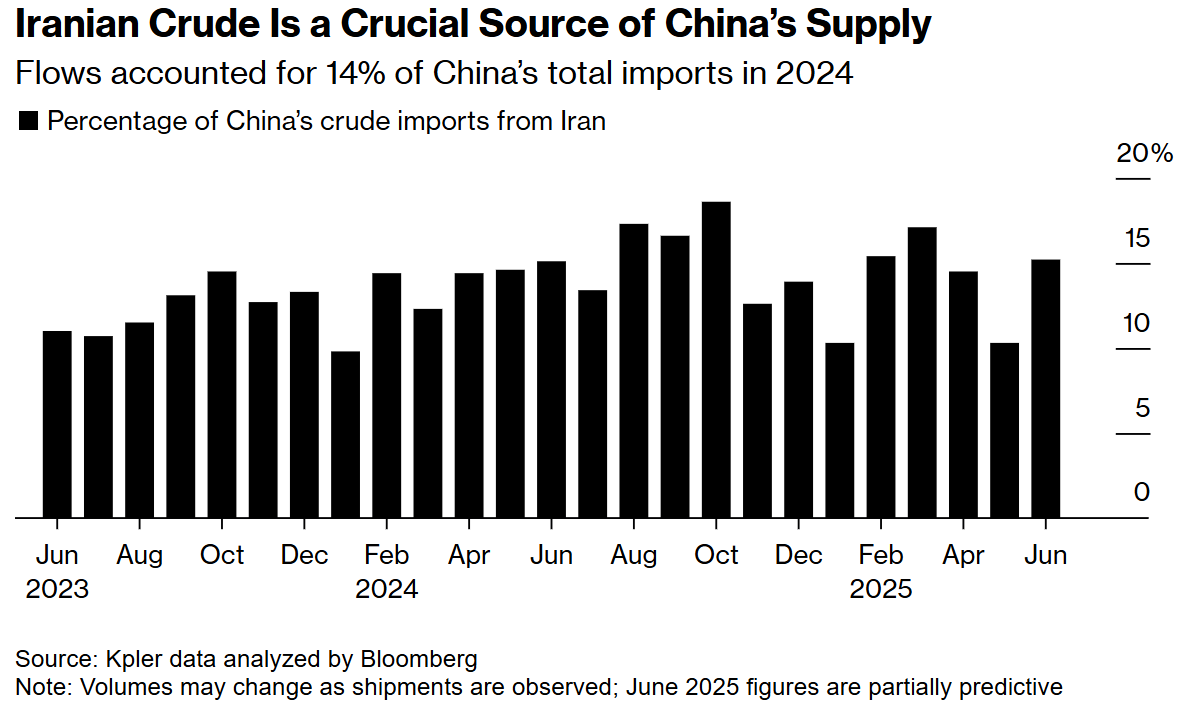
Group 1 - The U.S. has issued emergency evacuation orders for its citizens in Iran, indicating heightened tensions and potential military action in the region [3][8] - President Trump announced a 25% tariff on countries trading with Iran, targeting major partners like China and India, aiming to cut off Iran's external cooperation [5][9] - The U.S. Department of the Treasury has imposed new sanctions on 13 companies and 11 individuals, many linked to Iran's energy sector, intensifying economic pressure on Iran [5][9] Group 2 - Two Chinese oil tankers have turned back to Asia after being unable to load oil in Venezuela due to U.S. intervention, highlighting the impact of U.S. sanctions on global oil trade [7][16] - Iran is a crucial oil supplier for China, providing over 600,000 barrels per day, and any escalation in U.S.-Iran tensions could lead to significant increases in global oil prices [11] - The geopolitical situation in the Middle East is critical for China's energy security, as 80% of its oil imports pass through the narrow Strait of Hormuz, which could be affected by conflict [11]
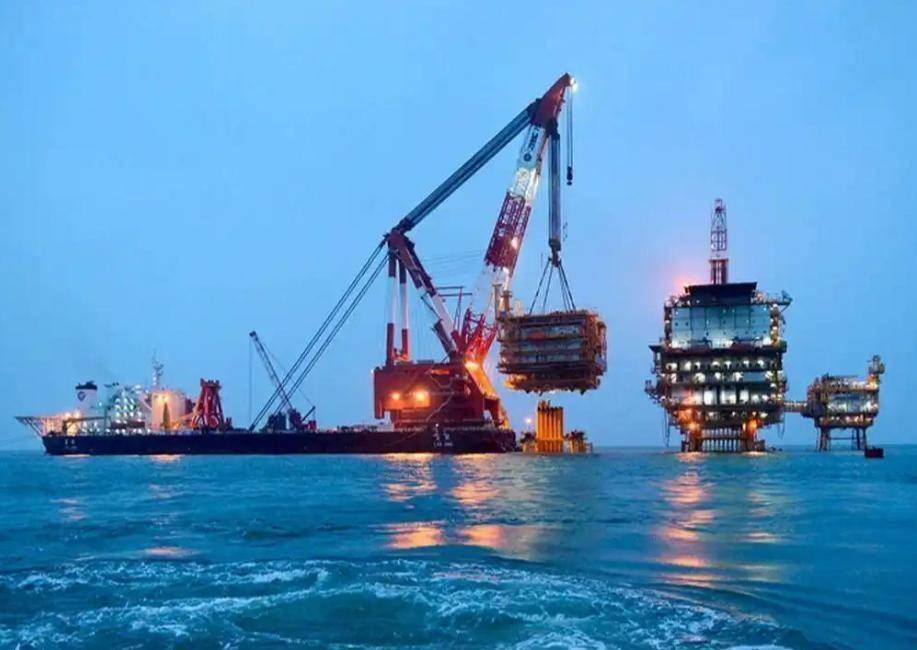
美军公海扣俄油轮
Xin Lang Cai Jing· 2026-01-08 16:56
Core Viewpoint - The U.S. military's seizure of the Russian-flagged oil tanker "Mariner" in international waters has escalated tensions regarding maritime freedom and unilateral sanctions, drawing strong condemnation from Russia and China, and raising concerns about the implications for global energy trade and international law [4][6][8]. Group 1: Seizure Details - On January 7, the U.S. military, with support from the UK, intercepted the "Mariner" oil tanker in the North Atlantic, marking a coordinated operation rather than a unilateral action [5][6]. - The U.S. Coast Guard tracked the vessel before the Navy SEALs executed the boarding operation, indicating a high level of military preparedness [5]. - The Russian government confirmed that the tanker had been granted permission to fly the Russian flag under international law, complicating the legal justification for the seizure [5][7]. Group 2: U.S. Justification and Policy - The U.S. government claims the seizure is part of its comprehensive sanctions against Venezuelan oil exports, asserting that such actions are necessary to maintain control over the global oil market [6]. - U.S. officials have stated that the tanker violated American sanctions, suggesting that crew members could face prosecution under U.S. law, which raises concerns about the extraterritorial application of U.S. laws [6][8]. Group 3: International Reactions - The seizure has provoked strong reactions from Russia, which labeled the action as "piracy" and a violation of international law, demanding humane treatment for the crew [7][8]. - China's foreign ministry condemned the U.S. actions as a serious violation of international law, reflecting broader international concerns about unilateral sanctions and the use of military force [8][9]. Group 4: Implications for Global Maritime Order - The incident highlights the potential for increased military enforcement of U.S. foreign policy, which could disrupt established maritime norms and international relations [9][10]. - The seizure may lead to heightened risks for global shipping, particularly for vessels attempting to evade sanctions, as the precedent set could encourage more aggressive enforcement actions by the U.S. [10].
外媒:鲁比奥称伊朗导弹计划为“不可接受的风险”,伊朗驳斥:“胡言乱语”
Huan Qiu Wang· 2025-09-17 13:37
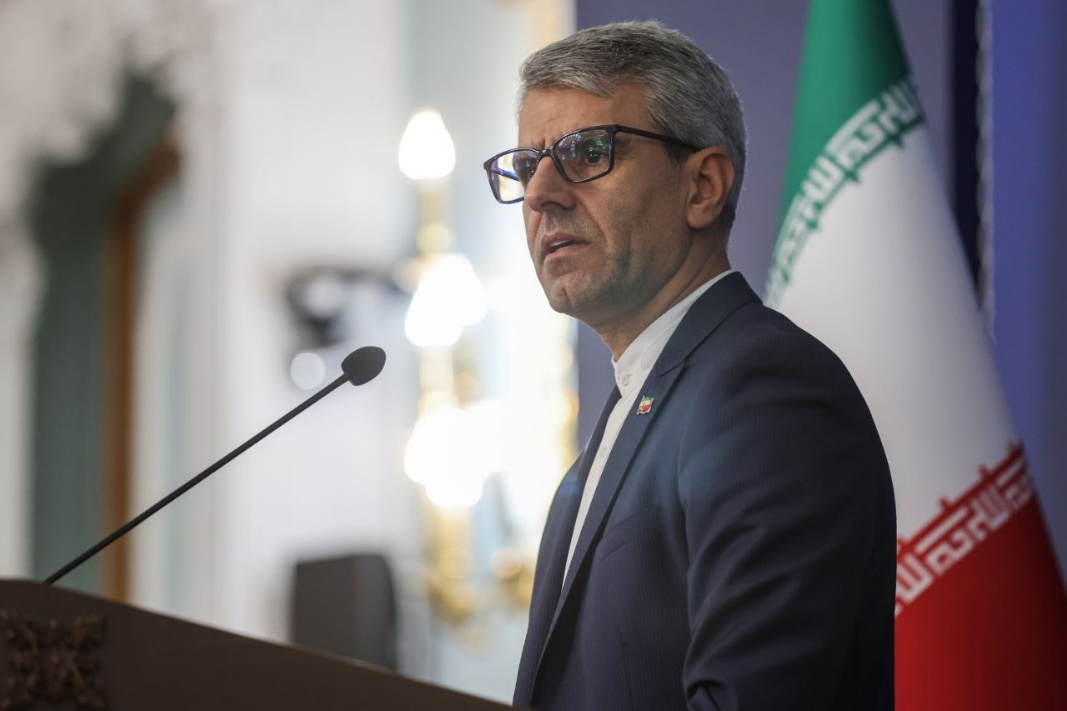
Core Viewpoint - The article discusses the escalating tensions between the United States and Iran regarding Iran's missile program, with U.S. Secretary of State Rubio labeling it as an "unacceptable risk" while Iran's officials dismiss these claims as baseless [1][3]. Group 1: U.S. Position - U.S. Secretary of State Rubio criticized Iran's missile program during his visit to Israel, emphasizing that the potential for Iran to possess nuclear weapons and the means to deliver them poses a global risk [3]. - Rubio reaffirmed the continuation of the "maximum pressure" policy initiated by former President Trump, indicating that the U.S. will maintain pressure on Iran until it changes its course [3]. Group 2: Iran's Response - Iran's Foreign Ministry spokesperson, Baghaei, rejected Rubio's comments, labeling them as "nonsense" and asserting that the missile program is essential for Iran's defense against foreign aggression, particularly from the U.S. and Israel [1][3]. - Baghaei emphasized that Iran will not yield to the pressures exerted by Western countries, which he claims violate international law through unilateral sanctions [3].
伊朗议会经济委员会批准货币改革方案
Sou Hu Cai Jing· 2025-08-04 09:09
Core Viewpoint - Iran's parliament economic committee has approved a currency reform plan, which will change the value of the rial, with 1 rial equating to 10,000 rials under the new system, aimed at addressing severe inflation in the country [1] Summary by Relevant Sections Currency Reform - The approved reform maintains the currency name as "rial" despite previous proposals to change it to "toman" [1] - The reform plan requires approval from the parliament and the Guardian Council, with the timing of the parliamentary vote still unclear [1] Economic Context - The currency reform is a response to Iran's severe inflation and economic challenges exacerbated by multiple rounds of sanctions from the US and Western countries since 2018 [1] - Following the US's unilateral withdrawal from the nuclear deal, Iran's economy has faced significant setbacks, including currency devaluation and high inflation rates [1] - The economic situation led to the impeachment of the Minister of Economic Affairs due to the high inflation and currency depreciation issues [1]
“极限施压“突然转向 特朗普对伊朗强硬政策现松动信号
智通财经网· 2025-06-27 00:07
Group 1 - The core viewpoint of the articles indicates a potential shift in U.S. policy towards Iran, with President Trump suggesting a relaxation of the "maximum pressure" strategy, which has been a cornerstone of his administration's approach [1][2] - Trump's recent statements, including allowing China to continue purchasing Iranian oil, represent a dramatic reversal from his previous hardline stance that mandated an immediate halt to all Iranian oil and petrochemical transactions [1][2] - The context of these remarks follows a U.S. airstrike that purportedly destroyed Iranian nuclear facilities, raising questions about the timing and rationale behind the potential policy shift [1][2] Group 2 - Despite ongoing negotiations regarding Iran's nuclear program, the U.S. continues to impose new sanctions on Iran's oil industry and supply chain, indicating a complex and contradictory approach [2][6] - Analysts suggest that Trump's comments may be a strategic maneuver to stabilize energy markets rather than a genuine policy shift, emphasizing the unpredictable nature of his administration's stance [6] - The ongoing sanctions have led to a decrease in Iranian oil trade volumes, yet China remains the largest buyer, often disguising Iranian oil as imports from other countries to circumvent U.S. restrictions [2][5]
伊朗外长:美国及其霸权政策是伊朗经济困境的根源
news flash· 2025-05-14 18:13
Core Viewpoint - The Iranian Foreign Minister, Zarif, stated that the economic difficulties faced by Iran are rooted in the United States' hegemonic policies, which have hindered Iran's development for over 40 years through sanctions and threats [1] Group 1: U.S. Policies and Iran's Economic Situation - Zarif emphasized that U.S. sanctions and military threats are the primary causes of Iran's economic struggles, asserting that the U.S. aims to impose a submissive regime on Iran, which undermines the dignity of the Iranian people [1] - He criticized the U.S. for ignoring Israel's actions in the region while portraying Iran as a threat, labeling this as a form of deception and a transfer of blame [1] Group 2: Diplomatic Engagements - Zarif mentioned that discussions between Iran and Russia are ongoing, with plans for a visit by President Putin to Iran as part of a long-term strategy [1] - He indicated that Iran is open to dialogue with the European Union while continuing indirect negotiations with the U.S., with the next round of talks scheduled for the 26th in Istanbul [1] Group 3: U.S.-Iran Relations - President Trump expressed a desire to reach an agreement with Iran regarding its nuclear program but threatened to impose maximum pressure if Iran's leadership refuses, aiming to reduce Iran's oil exports to zero [1]
美国和胡塞武装“握手言和”,专家:或转向伊核协议谈判
Xin Jing Bao· 2025-05-08 13:11
Group 1 - The core point of the news is the unexpected ceasefire agreement between the US and the Houthi forces, which marks a significant shift in the Middle East situation [1][5] - The ceasefire aims to halt mutual attacks, particularly ensuring the safety of US vessels in the Red Sea and Bab el-Mandeb Strait, which is crucial for international trade [2][3] - The Houthi forces control about one-third of Yemen's territory and a significant portion of its population, including key strategic locations along the Red Sea [3][8] Group 2 - The US military actions against the Houthis have not weakened their capabilities but may have instead provoked more aggressive responses, leading to the decision for a ceasefire [4][6] - The US has suffered significant military losses, including the loss of seven MQ-9 drones valued at over $200 million since mid-March [4] - The ceasefire coincides with critical negotiations regarding Iran's nuclear program, suggesting a potential shift in US focus towards achieving progress in these talks [5][7] Group 3 - Israel was caught off guard by the ceasefire announcement, feeling sidelined in the negotiations, which reflects a significant divergence in strategic goals between the US and Israel [8][9] - The Houthis have indicated that the ceasefire does not apply to military actions against Israel, suggesting ongoing tensions in the region [9][10] - The future of the ceasefire and its adherence by both parties remains uncertain, with potential implications for regional stability [11]