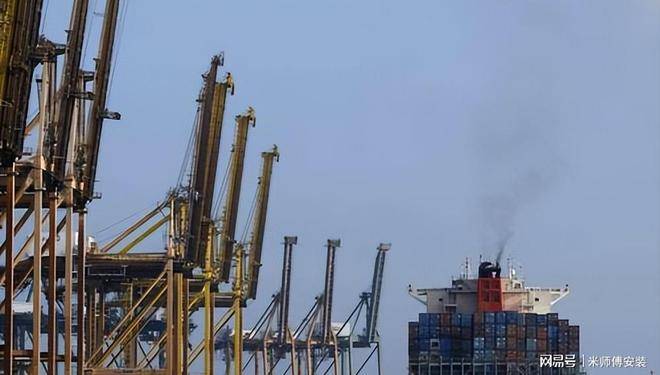
能源安全体系

Search documents
失算了,特朗普明抢5000万桶石油,转头发现中国连一桶也不买了
Sou Hu Cai Jing· 2026-01-15 08:45
Core Viewpoint - The article discusses the miscalculation by the Trump administration regarding the control of Venezuelan oil and the unexpected response from Chinese buyers, who have refused to purchase Venezuelan crude oil despite a slight price increase. Group 1: U.S. Actions and Intentions - The Trump administration aimed to control Venezuelan oil resources by intervening militarily and capturing President Maduro, with plans to sell 30 to 50 million barrels of high-quality oil valued at approximately $3 billion [3][9]. - The U.S. government implemented policies to solidify this control, including declaring a national emergency to protect oil revenues from judicial seizure and considering the use of Venezuela's frozen IMF special drawing rights for reconstruction [3][9]. - The U.S. military's blockade near Venezuela has significantly hindered oil tanker movements, with estimates suggesting that up to a quarter of the U.S. Navy's active forces are concentrated in the Caribbean [3][9]. Group 2: Chinese Response and Market Dynamics - Chinese buyers have formally rejected Venezuelan oil offers, demonstrating a rational market response rather than succumbing to geopolitical pressures [6][7]. - Despite the previous discounts of $15 per barrel due to U.S. sanctions, the Venezuelan government reduced the discount to $13 per barrel, which was not enough to entice Chinese buyers [6][9]. - China's ability to reject Venezuelan oil stems from its well-established energy security system and the current oversupply in the oil market, allowing for diversified import options [9][11]. Group 3: Challenges in the Venezuelan Oil Industry - Venezuela possesses over 300 billion barrels of proven oil reserves but currently produces only about 1 million barrels per day, representing roughly 1% of global output [11]. - Revitalizing the Venezuelan oil industry requires substantial investment, with estimates suggesting that increasing production by 500,000 barrels per day could cost $10 billion and take two years [11]. - The economic situation in Venezuela is dire, with inflation projected to exceed 500% and a severe shortage of U.S. dollars, further complicating the oil export situation [11].

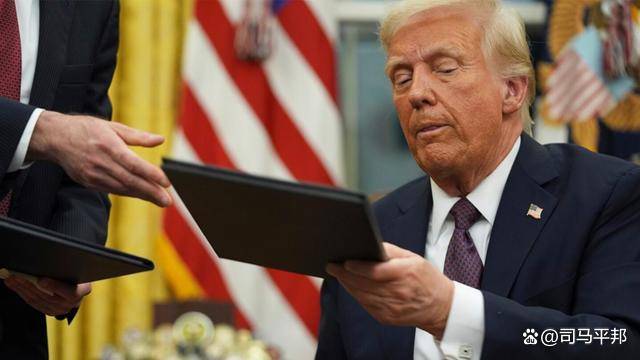
抢委内瑞拉5000万桶石油后,特朗普才发现:中国连一桶都不愿买了
Sou Hu Cai Jing· 2026-01-13 05:43
Core Viewpoint - The announcement by Trump regarding Venezuela's oil transfer to the U.S. was met with immediate rejection from Chinese buyers, highlighting the complexities of international oil trade and geopolitical tensions [1][5][20]. Group 1: U.S. Actions and Venezuela's Oil Situation - The U.S. has increased military pressure on Venezuela, leading to the interception of oil tankers and a significant drop in oil exports, from a daily production of 1.1 million barrels to an export of only 500,000 barrels [2]. - The U.S. government is negotiating with Venezuela's interim authorities to take control of the oil industry, prioritizing sales to the U.S. and cutting ties with China, Russia, and Iran [5][20]. - Trump's announcement of acquiring 30 to 50 million barrels of Venezuelan oil was intended to showcase U.S. control over the situation [5]. Group 2: China's Response and Market Dynamics - Chinese buyers rejected the Venezuelan oil offer, particularly after a price increase of $2, with the Chinese government firmly opposing U.S. intervention in sovereign resources [1][7][20]. - China's oil imports from Venezuela have drastically decreased, with only 3 shipments remaining in December 2025, down from 6 to 10 shipments per month [12]. - China has diversified its oil import channels, with imports from Saudi Arabia, Iran, and Russia, making Venezuelan oil less critical, accounting for less than 1% of total imports [14]. Group 3: Energy Security and Strategic Positioning - China has established a robust energy security framework, including legal provisions for strategic oil reserves, which supports its position as a rational market participant rather than a passive buyer [16][22]. - The refusal to purchase Venezuelan oil signals China's confidence and strength in the global energy market, emphasizing the need for stable and mutually beneficial partnerships [24][26]. - The ongoing geopolitical struggle reflects a shift in energy dynamics, where China is no longer seen as a weak player but as a significant force capable of making independent decisions [24][26].
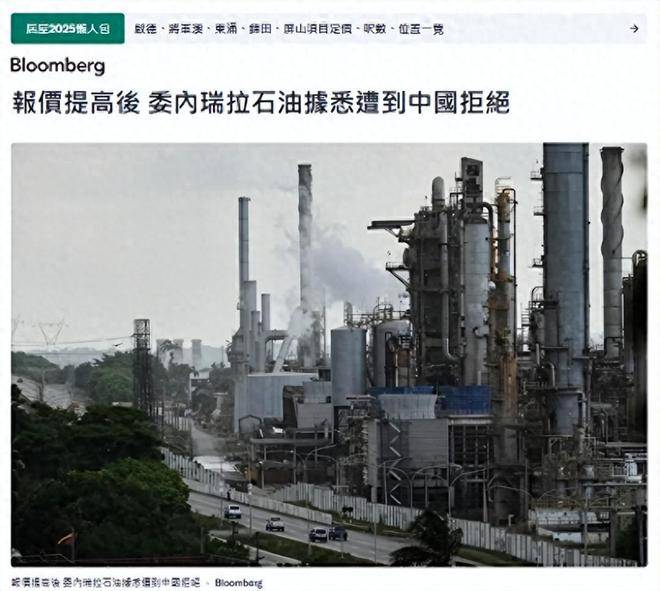
美媒,特朗普的算盘空了,委内瑞拉的高价油,中国凭啥不接招?
Sou Hu Cai Jing· 2026-01-10 08:24
Core Insights - The Trump administration's decision to impose a comprehensive oil blockade on Venezuela in December 2025 was primarily aimed at curbing China's access to Venezuelan heavy crude oil, which is crucial for China's refining industry [1][3] - The blockade was intended to disrupt Venezuela's economy, which heavily relies on oil exports for government revenue, but it underestimated Venezuela's vast oil reserves and China's reduced dependency on Venezuelan oil [3][10] Group 1: U.S. Strategy and Objectives - The U.S. has a historical pattern of intervening in countries to control their oil resources, as seen in the Iraq War, and the blockade against Venezuela is framed under the guise of anti-drug and anti-terrorism efforts [3] - Venezuela possesses the largest proven oil reserves globally, totaling 303 billion barrels, despite current production being only 1 million barrels per day [3][10] - The blockade led to 17 million barrels of oil stranded at sea, originally intended for China, highlighting the blockade's ineffectiveness [3][7] Group 2: China's Response and Adaptation - China has significantly reduced its reliance on Venezuelan oil, with imports dropping to less than 0.1% of its total oil imports by 2025, demonstrating its ability to adapt to supply disruptions [3][4] - China's strategic oil reserves are sufficient to cover several months of supply, allowing it to manage short-term disruptions effectively [4] - The diversification of China's energy procurement channels has reduced its dependency on any single country, with stable suppliers including Saudi Arabia, Russia, and Iran [5] Group 3: Market Reactions and Implications - The initial rise in Brent crude oil prices following the blockade was short-lived, as the market recognized that other countries were hesitant to purchase Venezuelan oil due to U.S. sanctions [7] - U.S. oil companies are reluctant to invest in Venezuela due to fears of not recouping their investments, indicating a shift in the global energy landscape [9] - The blockade's failure reflects a broader misjudgment by the U.S. regarding China's current energy security capabilities, which are now built on a stable and diversified energy system [10]