
资源帝国主义

Search documents
欧洲不再沉默!特朗普强抢格林兰,这是摆在欧洲面前的限时必答题
Sou Hu Cai Jing· 2026-01-18 08:19
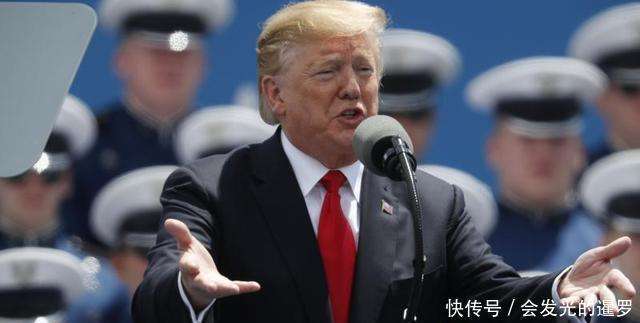
Core Viewpoint - The U.S. has intensified its interest in Greenland, viewing it as a strategic asset, which has caused significant tension with European allies, particularly Denmark [1][4][5]. Group 1: U.S. Actions and Intentions - The U.S. has shown a clear interest in Greenland, with President Trump openly stating the need for the island, citing the presence of Russian and Chinese ships as a justification for potential annexation [1][3]. - Prior to recent events, the Trump administration had already appointed a special envoy for Greenland and discussed its incorporation into the U.S., indicating a long-standing interest [3]. - The strategic value of Greenland is underscored by its substantial rare earth reserves of 30 million tons, along with oil, gas, and zinc resources, which are critical for the global economy [5]. Group 2: European Response - Denmark's Prime Minister Frederiksen has strongly condemned the U.S. threats regarding Greenland, highlighting the growing rift between transatlantic allies [4]. - European leaders from Norway, Sweden, and Finland have expressed solidarity with Denmark, indicating a unified European response to U.S. actions [4]. - The European Union plans to double its funding for Greenland from €225 million to €530 million between 2028 and 2034, aiming to strengthen ties and counter U.S. economic influence [7]. Group 3: Geopolitical Implications - The situation in Greenland reflects broader international power dynamics, with the potential to reshape global order and influence future geopolitical relations [11][15]. - The U.S. approach, prioritizing its needs over international law and ally sovereignty, poses a risk of encouraging similar behavior from other powers, potentially leading to a resurgence of power politics [11]. - The melting Arctic ice and the emergence of a new shipping route connecting Asia and Europe further amplify Greenland's strategic importance, with the potential to control a significant portion of global shipping traffic [5][13].

美媒,特朗普的算盘空了,委内瑞拉的高价油,中国凭啥不接招?
Sou Hu Cai Jing· 2026-01-10 08:24
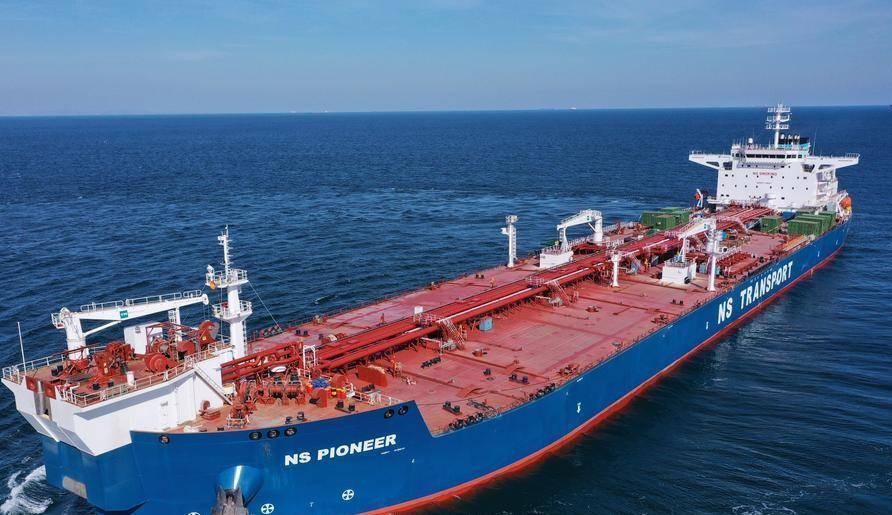
Core Insights - The Trump administration's decision to impose a comprehensive oil blockade on Venezuela in December 2025 was primarily aimed at curbing China's access to Venezuelan heavy crude oil, which is crucial for China's refining industry [1][3] - The blockade was intended to disrupt Venezuela's economy, which heavily relies on oil exports for government revenue, but it underestimated Venezuela's vast oil reserves and China's reduced dependency on Venezuelan oil [3][10] Group 1: U.S. Strategy and Objectives - The U.S. has a historical pattern of intervening in countries to control their oil resources, as seen in the Iraq War, and the blockade against Venezuela is framed under the guise of anti-drug and anti-terrorism efforts [3] - Venezuela possesses the largest proven oil reserves globally, totaling 303 billion barrels, despite current production being only 1 million barrels per day [3][10] - The blockade led to 17 million barrels of oil stranded at sea, originally intended for China, highlighting the blockade's ineffectiveness [3][7] Group 2: China's Response and Adaptation - China has significantly reduced its reliance on Venezuelan oil, with imports dropping to less than 0.1% of its total oil imports by 2025, demonstrating its ability to adapt to supply disruptions [3][4] - China's strategic oil reserves are sufficient to cover several months of supply, allowing it to manage short-term disruptions effectively [4] - The diversification of China's energy procurement channels has reduced its dependency on any single country, with stable suppliers including Saudi Arabia, Russia, and Iran [5] Group 3: Market Reactions and Implications - The initial rise in Brent crude oil prices following the blockade was short-lived, as the market recognized that other countries were hesitant to purchase Venezuelan oil due to U.S. sanctions [7] - U.S. oil companies are reluctant to invest in Venezuela due to fears of not recouping their investments, indicating a shift in the global energy landscape [9] - The blockade's failure reflects a broader misjudgment by the U.S. regarding China's current energy security capabilities, which are now built on a stable and diversified energy system [10]
美媒:特朗普的算盘落空,委内瑞拉的高价油,中国未购买一滴
Sou Hu Cai Jing· 2026-01-08 22:30
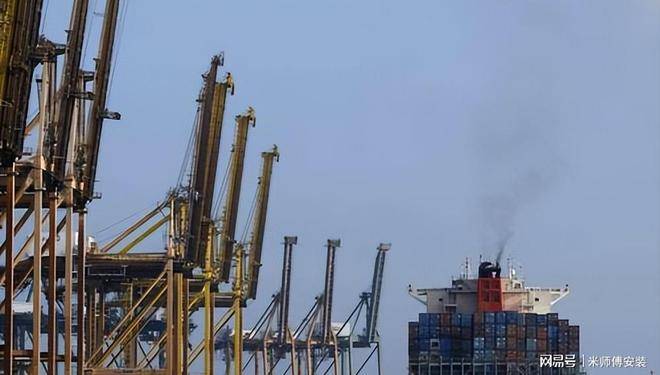
Group 1 - The core geopolitical strategy of the U.S. aimed to cut off Venezuela's oil exports, thereby suffocating its economy and facilitating a takeover by U.S. oil companies, ultimately raising oil prices for China [3][10] - Venezuela possesses the largest proven oil reserves globally, totaling 303 billion barrels, yet its daily production is only 1 million barrels, representing less than 1% of global output [1][4] - The U.S. blockade has led to a significant drop in Venezuela's oil exports, with over 17 million barrels stranded at sea due to sanctions and operational challenges [1][5] Group 2 - The market response to the U.S. blockade was muted, with Brent crude oil prices briefly rising but then falling back, as global supply from other countries like Canada and Iraq filled the gap [5][10] - China's refusal to purchase high-priced oil is based on a risk-reward analysis, with the $2 discount insufficient to cover potential losses from U.S. sanctions [8][12] - China's oil imports from Venezuela have drastically decreased to 0.07% of total imports, as it diversifies its supply sources from countries like Saudi Arabia, Russia, and Iran [8][12] Group 3 - The geopolitical maneuvering by the U.S. has revealed strategic shortsightedness, as market realities have led to a backlog of Venezuelan oil and hesitance from U.S. refiners to invest in the region [10][12] - China's approach to oil transactions is characterized by a rational and calculated decision-making process, emphasizing the need for reasonable pricing in the face of geopolitical pressures [12]
美国打击委内瑞拉对世界七大危害
Xin Jing Bao· 2026-01-07 13:05
Core Viewpoint - The article discusses the recent U.S. military action in Venezuela, which involved the forced control and transfer of President Maduro and his wife, highlighting it as a violation of international law and a blatant act of hegemony by the U.S. [1] Summary by Relevant Sections Violation of International Law - The U.S. action is seen as a clear violation of the United Nations Charter, particularly Article 2, Section 4, which prohibits the use of force against the territorial integrity or political independence of any state [1] - The UN Secretary-General's spokesperson stated that the situation in Venezuela sets a "dangerous precedent" that must respect international law, including the UN Charter [1] Definition of Aggression - The U.S. military action aligns with the definition of aggression as outlined in the 1974 UN General Assembly Resolution 3314, which includes armed invasion and attacks on another country's territory [1] - Legal experts have characterized the U.S. actions as constituting a crime of aggression [1] Sovereignty and International Relations - The principle of sovereignty is fundamental to international relations, and the U.S. actions are viewed as a gross violation of Venezuela's sovereignty and interference in its internal affairs [1] - Legal scholars emphasize that the U.S. has no right to invade or manage another country's government [1] Violation of Diplomatic Immunity - The U.S. military operation, framed as a drug enforcement action, is criticized for violating the personal immunity of a head of state, which is protected under international law [1] - The actions are described as akin to kidnapping, undermining the legal protections afforded to heads of state [1] Resource Exploitation - The U.S. aims to control Venezuela's oil resources, with statements indicating intentions to allow U.S. oil companies to operate in the country while maintaining oil sanctions [1] - This is perceived as an act of resource plunder rather than genuine humanitarian intervention [1] Political Instability and Humanitarian Impact - The U.S. military intervention is expected to lead to political instability in Venezuela, adversely affecting the welfare of its citizens [1] - Historical precedents suggest that such interventions often result in humanitarian crises and deteriorating public order [1] Regional Security Concerns - The U.S. actions have raised alarms about regional security, with leaders from various Latin American countries expressing concerns about the implications for their own nations [1] - The rhetoric from U.S. officials suggests a broader agenda that could threaten the stability of multiple countries in the region [1]
觊觎委内瑞拉石油:透视美国“资源帝国主义”
Xin Lang Cai Jing· 2026-01-06 07:32
Group 1 - The United States continues to impose an oil embargo on Venezuela to force political compliance, significantly impacting Venezuela's oil exports, which are a crucial part of its economy [1][27] - Venezuela's state oil company is considering production cuts due to export blockages and nearly full storage facilities, leading to the closure of some oil fields and drilling platforms [3][30] - The U.S. Secretary of State stated that the U.S. will maintain its "oil isolation" strategy to pressure Venezuela into changing its policies, including its management of the oil industry [6][32] Group 2 - Despite having the largest proven oil reserves globally, Venezuela's oil production has been declining for decades, with recent supply averaging around 500,000 barrels per day [8][35] - The geopolitical tensions arising from U.S. actions against Venezuela are affecting oil market supply and risk expectations, as noted by several European market institutions [8][34] - The concept of "resource imperialism" is highlighted, with comparisons drawn to past U.S. military interventions, suggesting a pattern of pursuing oil interests under the guise of security [11][37]
媒体怎么报道“美国强掳马杜罗”……
Xin Jing Bao· 2026-01-05 08:56
Group 1 - The core event involves the U.S. military operation that led to the capture of Venezuelan President Maduro, which has been characterized as a blatant act of U.S. hegemony [2][4][5] - The operation was executed with 20 helicopters and 400 special forces, taking only 5 minutes to detain Maduro from his residence [2][15] - The media's response has been swift, with various outlets providing in-depth analyses and interpretations of the event, highlighting its implications for international relations and U.S. foreign policy [3][16] Group 2 - The U.S. aims to control Venezuela's vast oil resources, which are the largest proven reserves globally, exceeding 300 billion barrels, and this military action is seen as a means to facilitate American corporate access to these resources [6][5] - The operation is part of a broader strategy by the Trump administration to reshape political power in Latin America, potentially leading to the establishment of a pro-U.S. government in Venezuela [6][7] - Historical parallels are drawn between Maduro's situation and that of former Panamanian leader Noriega, suggesting a grim outlook for Maduro's future following his capture [9][10]
图穷匕见,不过如此
Xin Lang Cai Jing· 2026-01-04 16:56
Core Viewpoint - The article discusses the U.S. military's large-scale operation against Venezuela, which resulted in the capture of President Maduro and the subsequent declaration by President Trump that the U.S. will "manage" Venezuela, allowing American oil companies to invest billions in the country's oil infrastructure [1][2]. Group 1 - The U.S. military's actions are characterized as blatant acts of hegemony, with the operation being compared to the Iraq War, highlighting a pattern of resource imperialism [1]. - The transition from "judicial justice" to "oil business" illustrates a complete disregard for international law, showcasing a modern form of piracy where the U.S. uses military force to overthrow sovereign governments and seize natural resources [1]. - The operation has drawn criticism even within the U.S., with lawmakers questioning its constitutional legitimacy and expressing concerns about the implications for international order [2]. Group 2 - The actions of the U.S. are seen as a threat to global peace and security, prompting calls from allies, including the EU, to respect international law and the principles of the UN Charter [2]. - The invasion has led to a growing realization that the so-called "rules-based international order" promoted by the U.S. is actually a "predatory order based on U.S. interests" [2].
为何抓 野蛮掠夺殖民 美国图穷匕见
Xin Lang Cai Jing· 2026-01-04 16:56
Group 1 - The core viewpoint of the article revolves around the U.S. military action against Venezuela, specifically targeting President Maduro, as part of a broader strategy to assert U.S. dominance in the Western Hemisphere and control Venezuela's rich natural resources [3][4][11]. - The U.S. aims to use Venezuela as a strategic point to enhance military influence in the Caribbean and South America, facilitating operations and creating a buffer zone against anti-American forces [4][5]. - The Trump administration's actions are framed as a response to Venezuela's economic crisis and the alleged drug trafficking activities of Maduro's government, which the U.S. claims are a threat to its national security [4][8]. Group 2 - The military action against Venezuela was not sudden; it followed months of increased military presence and covert operations authorized by Trump, including a significant military deployment in the Caribbean [5][6]. - The U.S. has accused Maduro of various crimes, including drug trafficking and terrorism, but experts question the validity of these claims, noting a lack of direct evidence linking Maduro to drug smuggling activities [8][9]. - The future of Venezuela remains uncertain, with constitutional provisions allowing for a transition of power to the vice president if the president is absent, and opposition figures positioning themselves for potential leadership [9][10]. Group 3 - The U.S. military's actions against Venezuela are seen as a continuation of historical interventions in Latin America, with comparisons drawn to past U.S. actions in Panama and Grenada [10][11]. - The international community has reacted strongly against the U.S. actions, with various leaders condemning the violation of international law and expressing concerns over the implications for global peace and security [11][12]. - The narrative suggests that the U.S. is prioritizing its economic interests in Venezuela's resources over adherence to international norms, raising alarms about the potential for similar actions against other nations [12][13].
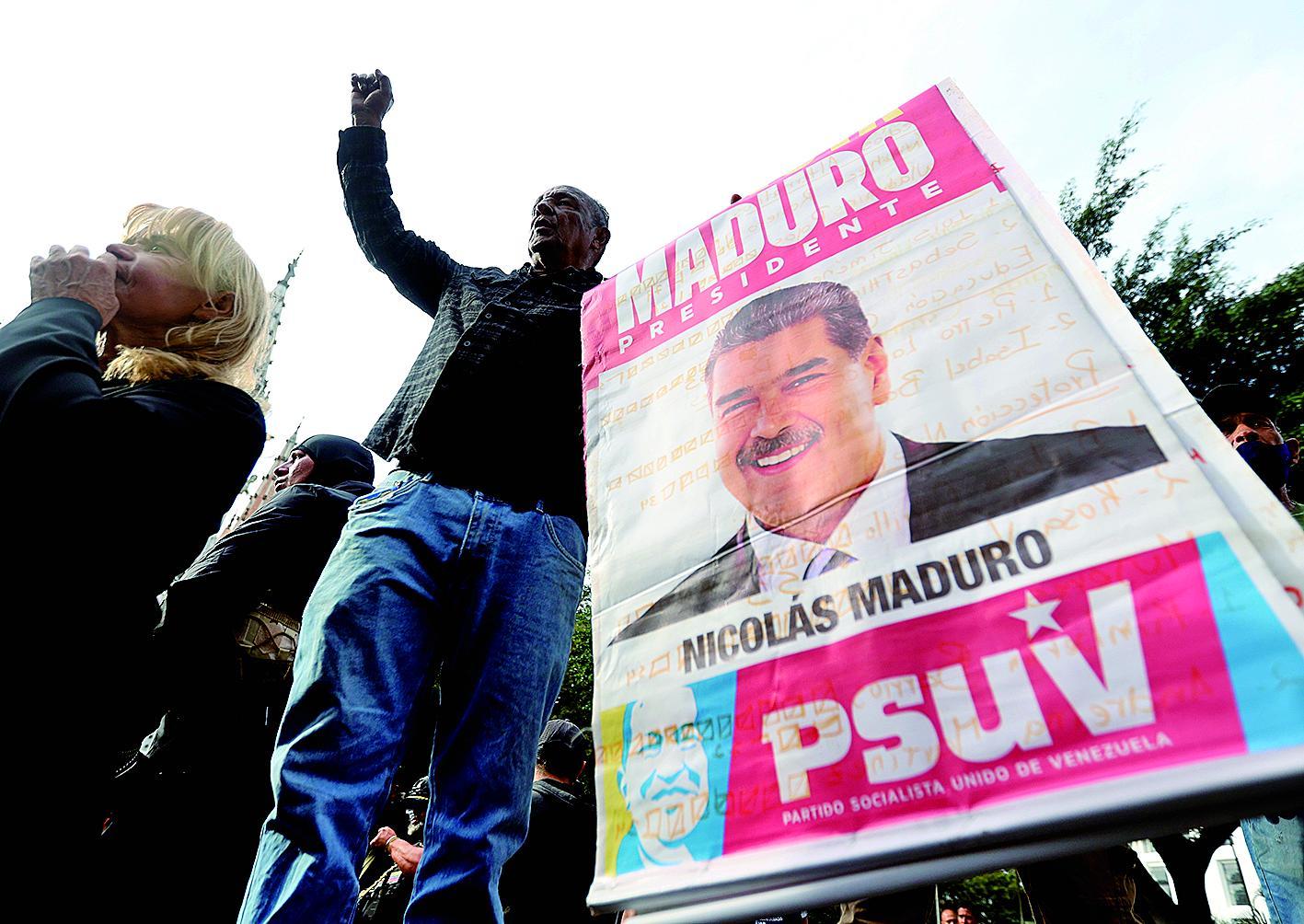
新华社:美国抓走马杜罗 图穷匕见 不过如此
Xin Hua She· 2026-01-04 10:20
Group 1 - The core viewpoint of the articles highlights the aggressive military actions taken by the U.S. against Venezuela, which include the abduction of President Maduro and the subsequent declaration of U.S. management over Venezuela's resources, particularly its oil industry [1][2] - The U.S. military operation is compared to historical acts of colonialism, suggesting a pattern of resource exploitation under the guise of military intervention and regime change [1][2] - International reactions to the U.S. actions indicate widespread condemnation, with various leaders and organizations emphasizing the violation of international law and the potential for increased global instability [2][3] Group 2 - The articles suggest that the U.S. narrative of a "rules-based international order" is fundamentally a facade for pursuing its own interests, revealing a pattern of predatory behavior [3]

新华社发声:图穷匕见,不过如此
Xin Lang Cai Jing· 2026-01-04 07:35
Core Viewpoint - The article criticizes the recent military actions by the United States against Venezuela, labeling them as blatant acts of hegemony and a violation of international law, revealing the true nature of U.S. resource imperialism [1][2][3]. Group 1: U.S. Military Actions - The U.S. military conducted a large-scale attack on Venezuela, capturing President Maduro and forcibly taking him to the U.S. [1] - President Trump announced that the U.S. would "manage" Venezuela and that American oil companies would invest billions of dollars to repair oil infrastructure [1]. Group 2: International Reactions - The international community is increasingly outraged by the U.S. actions, with the UN Secretary-General stating it sets a dangerous precedent [2]. - Leaders from Brazil, Cuba, and Russia condemned the U.S. actions as violations of international law and acts of state terrorism [2]. Group 3: Critique of U.S. Justifications - The article argues that the U.S. narrative of promoting a "rules-based international order" is merely a facade for its own interests and resource exploitation [3].